Biophilic Design Trends: Elevating Wellness in 2026 Home Remodels
Incorporating natural elements into home design achieves more than aesthetic enhancement. Such remodels cultivate calm, balanced, and restorative environments. Known as biophilic design, this method links indoor spaces to the outdoors, thereby promoting physical and mental health.
Biophilic principles address the innate human affinity for nature. Research indicates that these designs lower cortisol levels and improve cognitive function. Homeowners in 2026 increasingly adopt this approach to create havens that support sustained vitality.
Foundations of a Wellness-Oriented Home
Biophilic remodeling incorporates organic materials, abundant natural light, and earthy color schemes. These elements replicate the serenity of outdoor settings. Natural textures and hues reduce stress in ways that synthetic alternatives cannot match.
Key principles guide this design philosophy:
- Establish connections to light and air via expansive layouts, skylights, and expansive windows
- Integrate natural materials like reclaimed wood, river stone, and terracotta clay
- Incorporate living plants and vertical greenery to enhance air quality and vitality
- Employ soft, flowing forms that mimic natural contours such as rolling hills or leaf veins
These features ground the home in authenticity, boosting daily mood and concentration. They transform ordinary rooms into dynamic, nurturing areas.
1. Warm Natural Wood Finishes
Wood introduces warmth and tactile depth to interiors. Select durable options like wide-plank oak for flooring or sustainable bamboo for cabinetry. In high-traffic areas such as entryways, reclaimed barn wood with a light oil finish highlights unique grain patterns under natural illumination.
Pair these surfaces with matte black hardware or brushed bronze accents for subtle contrast. In kitchen designs, a light ash wood island topped with white quartz countertops combines resilience with organic elegance. This setup withstands daily use while evoking forest serenity.
For added practicality, apply low-VOC sealants to preserve wood's natural scent and appearance over time. Such choices ensure longevity and alignment with wellness goals.
2. Enduring Stone Accents and Tactile Surfaces
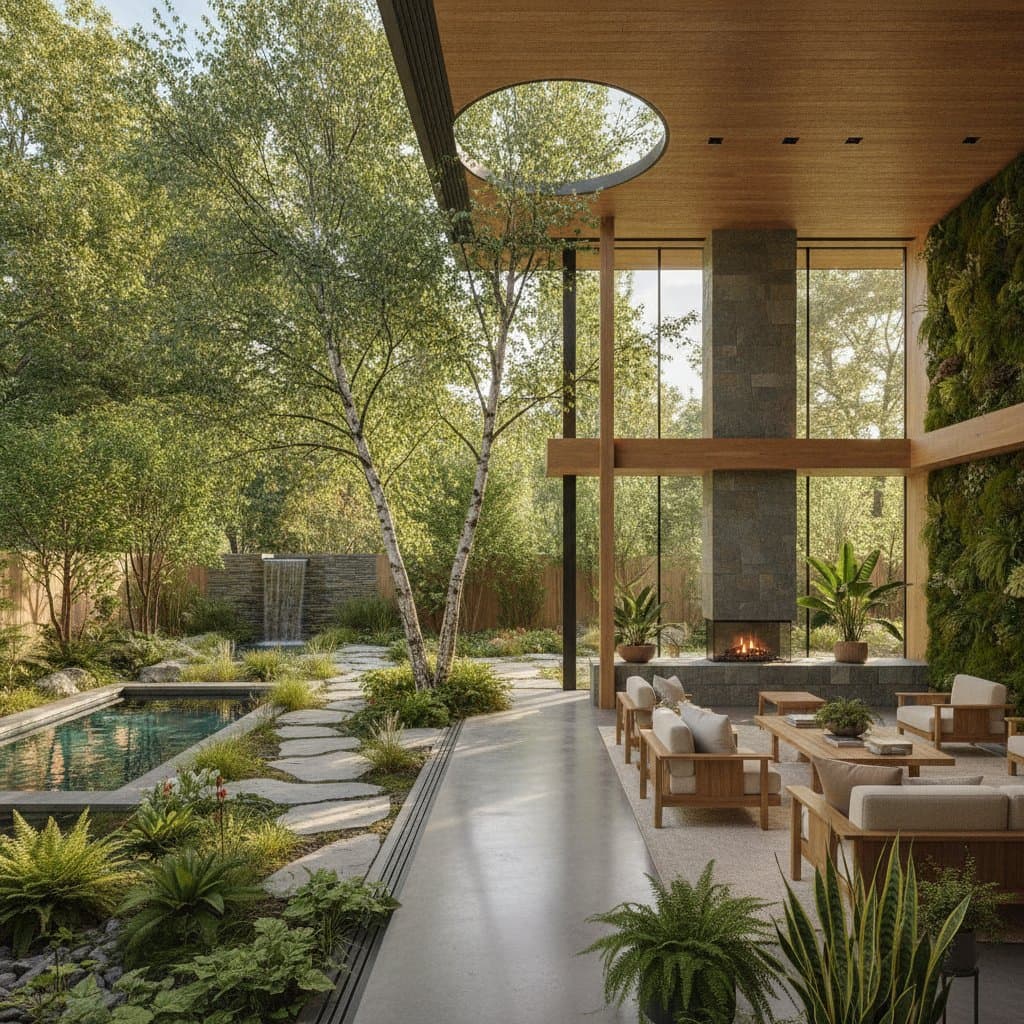
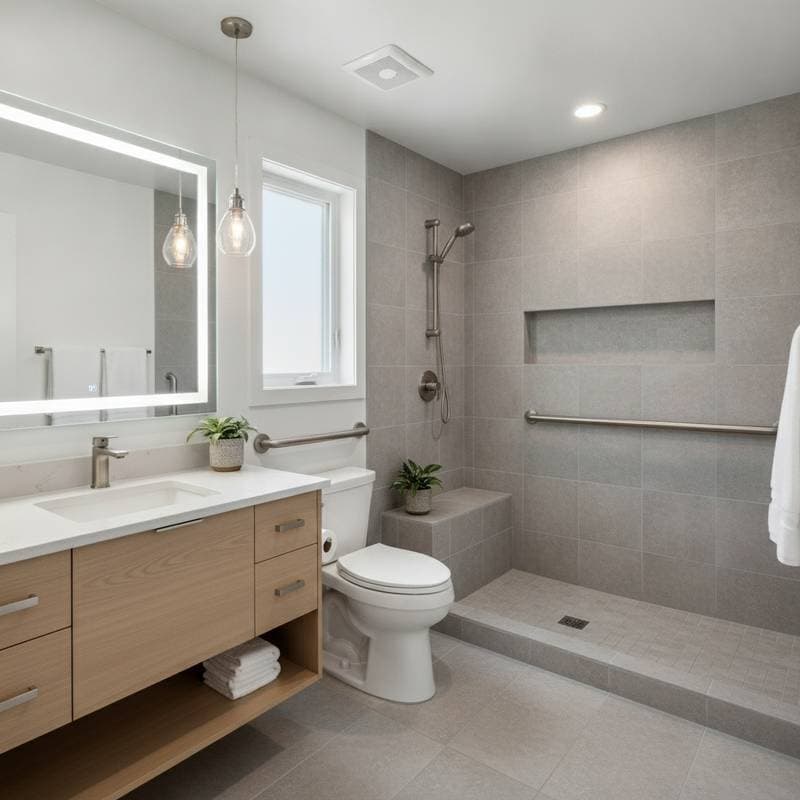
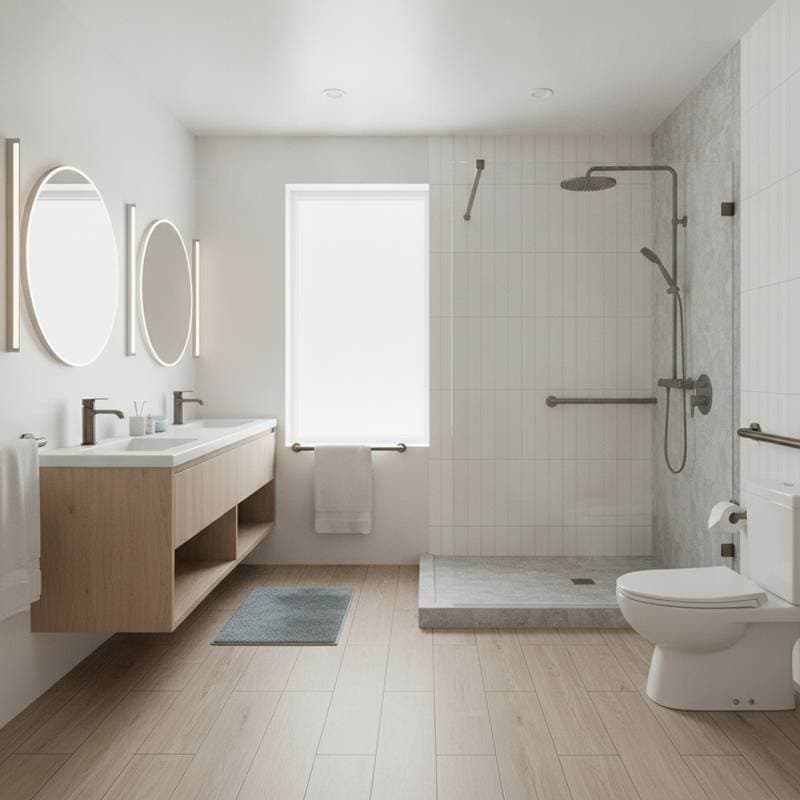
Stone provides visual intrigue and a timeless foundation. Incorporate slate tiles for fireplace surrounds, limestone slabs in bathrooms, or granite ledges on patios. A charcoal-toned stone accent wall, complemented by soft beige walls and linen-upholstered furniture, establishes a harmonious palette.
On exteriors, blend natural stone veneer with vertical cedar siding for a contemporary organic facade. This combination withstands weather while softening architectural lines. To enhance texture, layer stone with woven jute rugs or rough-hewn beams indoors.
Maintenance involves simple sealing to prevent moisture absorption, preserving the material's integrity. These elements create spaces that feel solid and reassuring.
3. Vibrant Living Walls and Indoor Plantscapes
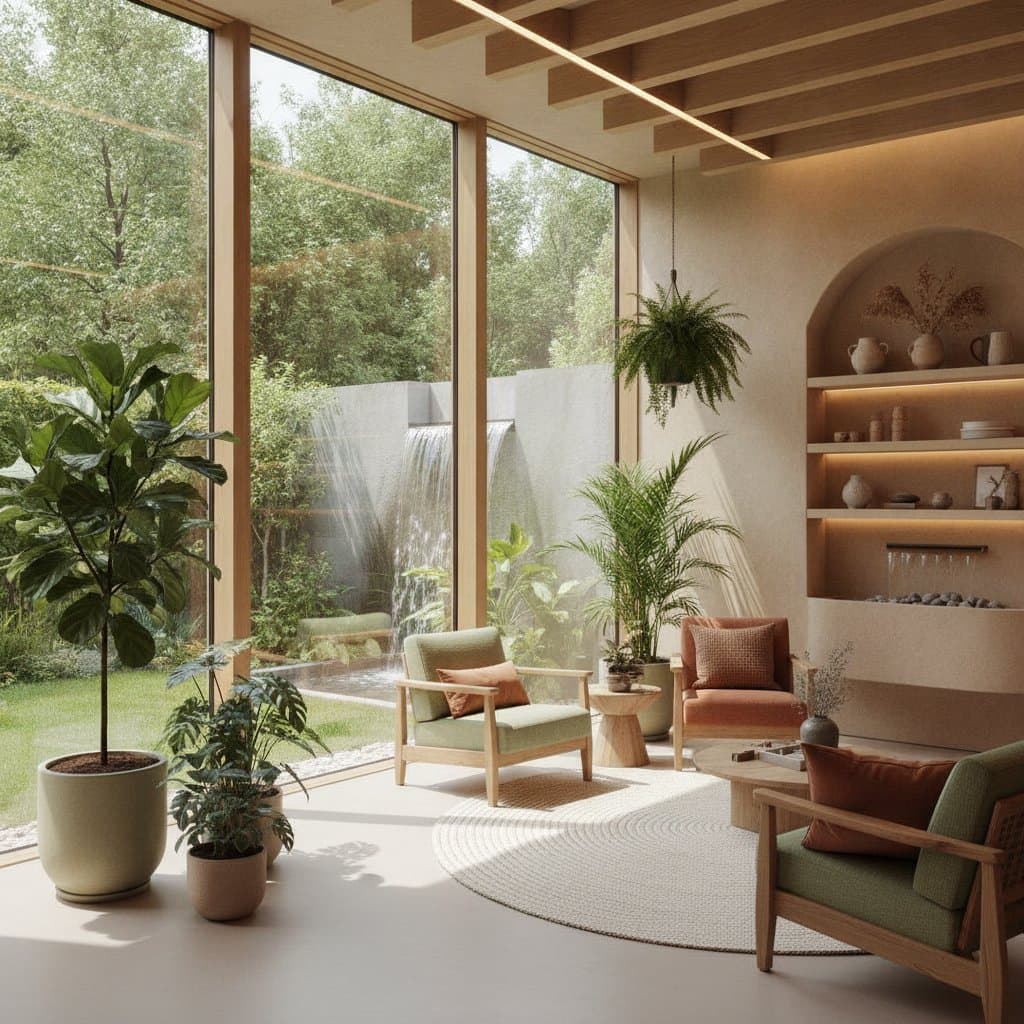
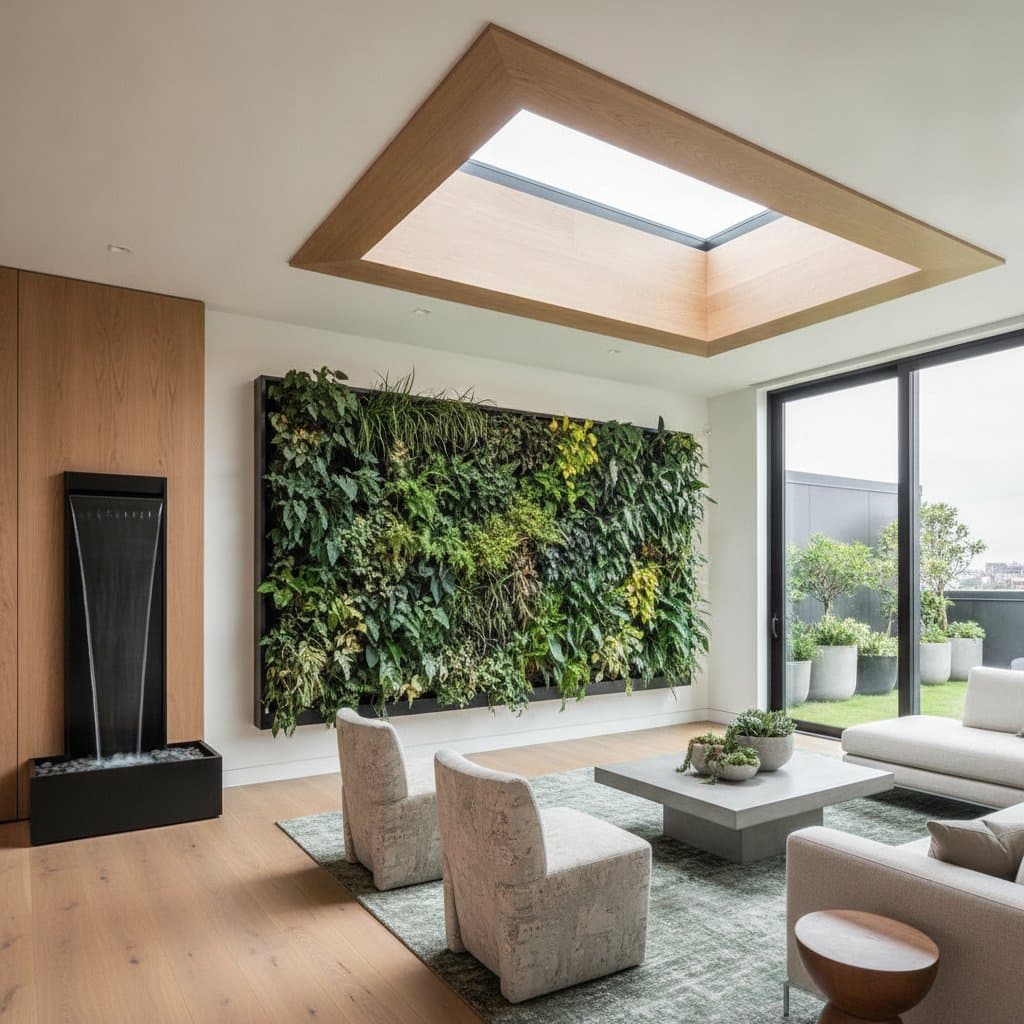
Plants infuse interiors with vitality and regulate indoor climates. Install a modular living wall in dining areas using hydroponic systems for efficient watering. This feature not only captivates but also filters pollutants, improving respiratory health.
For smaller spaces, cluster potted ferns, trailing pothos, and upright snake plants on open shelves near light sources. These low-light tolerant varieties thrive with minimal care, adding layered greenery. In dimmer rooms, supplement with full-spectrum LED grow lights disguised as natural fixtures.
Rotate plants seasonally to maintain freshness and encourage biodiversity. Such integrations purify air and evoke the soothing presence of a forest canopy.
4. Soothing Earthy Color Palettes
Colors shape emotional experiences within a space. Biophilic schemes favor subdued greens, warm neutrals, and gentle blues inspired by landscapes. Apply sage green to bedroom walls for a tranquil retreat that promotes restful sleep.
Warm greige, blending gray and beige, pairs seamlessly with exposed brick or stone features. Use off-white for trim to frame bolder exterior tones without overwhelming the design. These selections draw from dawn skies and forest floors, fostering cohesion.
Test samples in natural light to ensure accuracy, as hues shift with surroundings. Layer with textured fabrics like wool throws to deepen the sensory appeal.
5. Harnessing Abundant Natural Light
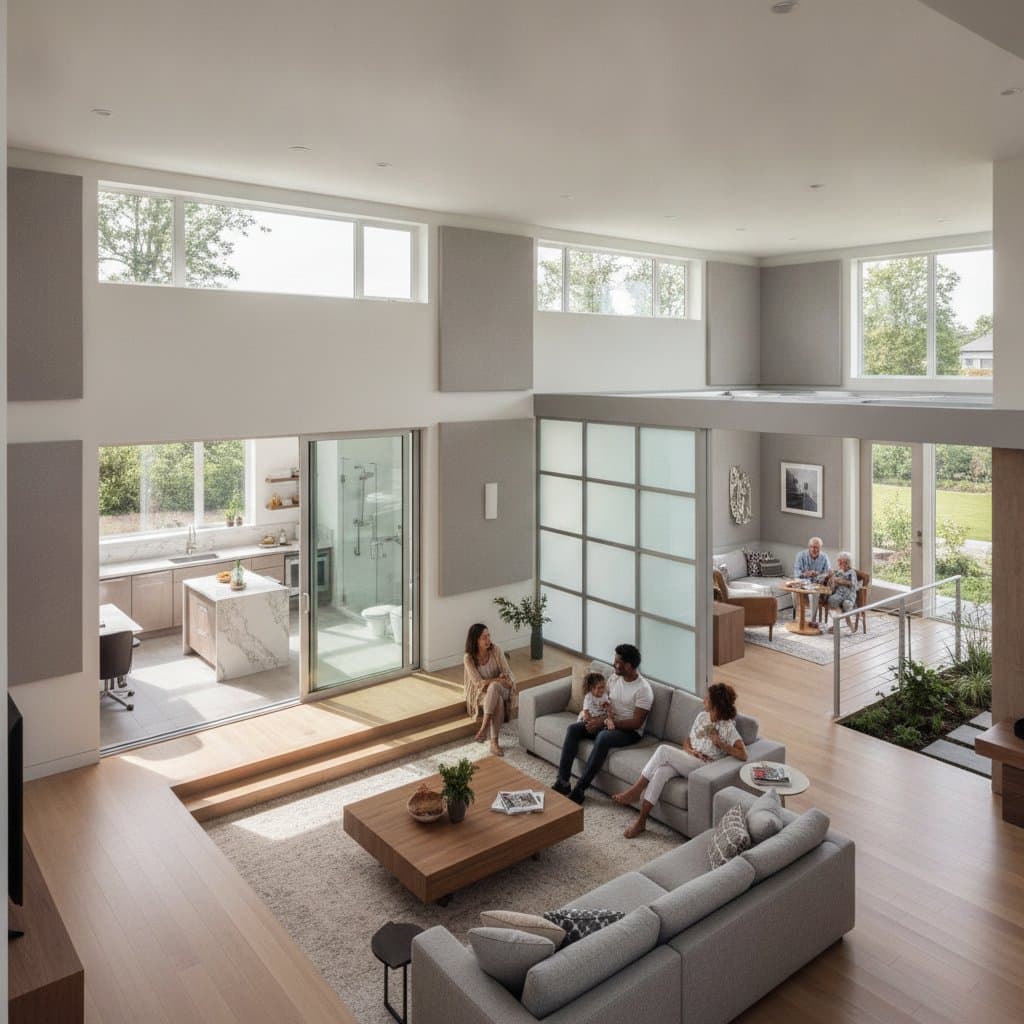
Natural light synchronizes interiors with daily cycles, enhancing circadian rhythms. Install oversized picture windows, sliding glass doors, or operable skylights to flood spaces with sunlight. Strategic placement maximizes morning rays in kitchens and evening glow in living areas.
Amplify illumination with strategically positioned mirrors or pale walls opposite openings. For privacy-conscious designs, add high clerestory windows that allow light without direct views. These modifications reduce reliance on artificial lighting, lowering energy costs.
Incorporate sheer linen curtains for diffused glow during peak hours. This approach cultivates openness and energizes occupants throughout the day.
6. Seamless Outdoor Living Extensions
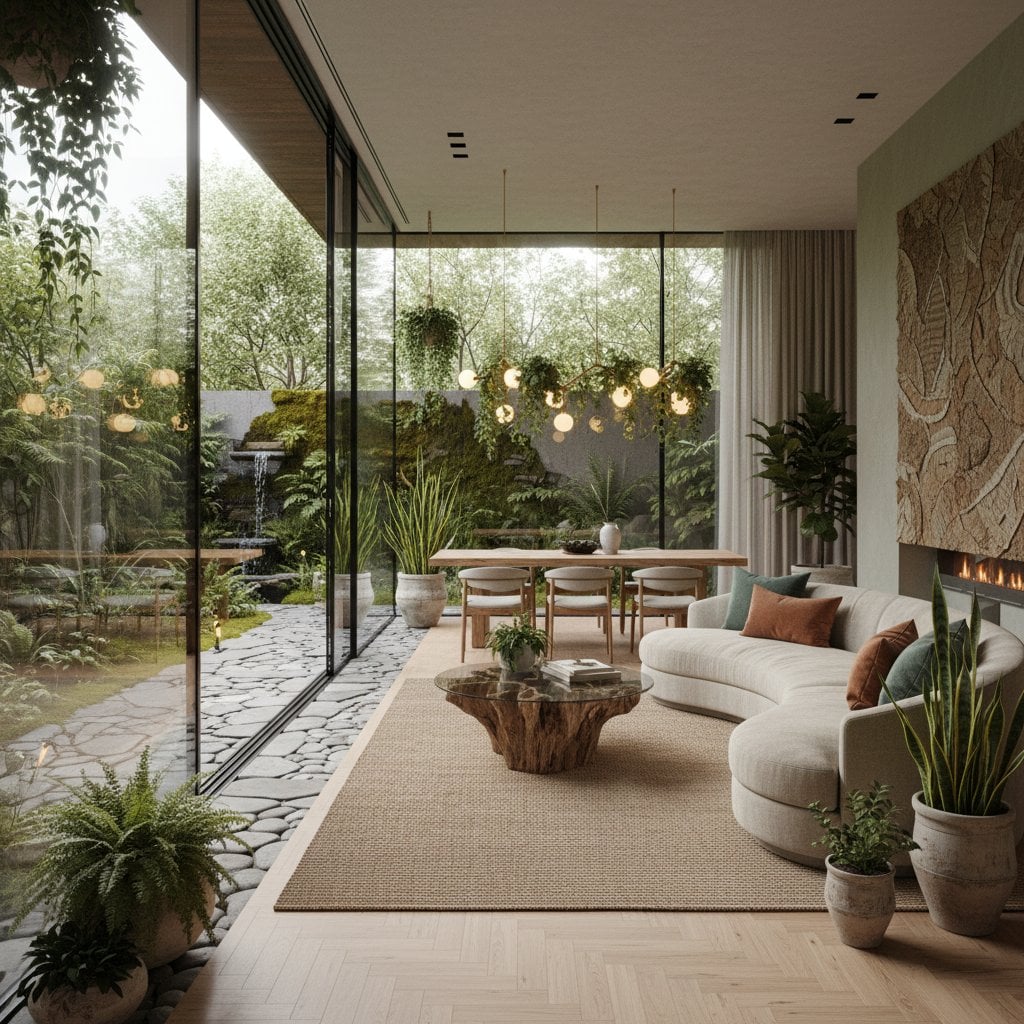
Blurring boundaries between indoors and outdoors deepens nature connections. Construct covered patios with retractable screens or pergolas draped in climbing vines. These structures provide shelter while inviting breezes and views.
Furnish with weather-resistant teak tables, woven rattan chairs, and neutral-hued cushions for enduring style. Illuminate evenings with solar-powered path lights or hanging lanterns that mimic fireflies. Landscape with native perennials like lavender or ornamental grasses to minimize watering needs.
Integrate pathways of flagstone leading from doors to gardens. This flow encourages spontaneous outdoor engagement, extending wellness benefits year-round.
Sustaining Wellness Through Intentional Design
Biophilic remodels transcend fleeting styles; they embody mindful living. Environments crafted with organic elements, balanced illumination, and nature-derived colors nurture health and joy. Begin with accessible updates, such as introducing potted greenery or swapping hardware for natural finishes.
Gradually incorporate larger changes like window expansions or stone features. Consult professionals to align modifications with structural realities. Ultimately, these homes become extensions of the natural world, delivering renewal and equilibrium daily.