Flooring and Transitions
Smooth, slip-resistant flooring enhances safety and facilitates wheelchair navigation throughout the home.
Why it matters: Removing trip hazards and uneven surfaces minimizes the risk of injuries and decreases long-term maintenance requirements.
Typical costs:
- Non-slip vinyl or laminate flooring: $4 to $8 per square foot
- Hardwood refinishing with a matte finish: $5 to $10 per square foot
- Threshold ramp installation: $100 to $300 per doorway
DIY vs. Professional Installation: Experienced homeowners may handle vinyl plank installation independently, yet floor leveling and extensive removal tasks demand professional expertise to ensure durability and compliance with safety standards.
Expert Tip: Steer clear of thick carpets or high-pile rugs, as these materials impede wheelchair movement and increase tripping risks. Opt instead for low-profile options with built-in padding for added comfort without compromising accessibility.
To further improve transitions, consider adding beveled edges to doorways or installing seamless flooring that aligns with universal design principles. These adjustments not only prevent falls but also support the use of mobility aids, making daily navigation effortless for aging residents.
Factors That Influence Cost
Multiple variables determine the overall expense of an aging-in-place remodel:
- Scope of Work: Comprehensive whole-home transformations incur higher costs compared to focused upgrades in specific areas, such as a single bathroom or entryway.
- Material Quality: Prices for non-slip tiles, grab bars, and medical-grade fixtures fluctuate based on durability, brand, and features like antimicrobial coatings.
- Labor Rates: Contractors certified in accessibility modifications typically command higher fees, though their specialized knowledge avoids expensive rework and ensures adherence to building codes.
- Home Layout: Structures in older homes may require additional framing, plumbing relocations, or reinforcements to accommodate ramps and widened doorways.
- Permits and Inspections: Local regulations mandate approvals for structural alterations, electrical enhancements, and exterior ramps, adding both time and fees to the project timeline.
Beyond these basics, geographic location plays a role; urban areas often face elevated labor and material prices due to demand and supply chain factors. Additionally, integrating smart home technologies, such as automated lighting or voice-activated controls, can increase costs but provide substantial long-term benefits in independence.
Money-Saving Strategies
Homeowners can lower renovation expenses while preserving essential quality and safety features through targeted approaches:
- Phase the Project: Prioritize high-impact zones like bathrooms and entryways for initial updates, then gradually address kitchens and bedrooms as budget allows. This method spreads costs over time and allows evaluation of needs as they evolve.
- Leverage Rebates and Grants: Investigate local, state, or federal programs that subsidize accessibility modifications, including tax credits for energy-efficient installations or veteran-specific funding.
- Choose Mid-Range Materials: Select dependable, functional products that balance cost and performance, such as composite countertops over granite, without opting for the cheapest alternatives that may fail prematurely.
- Retrofit Existing Elements: Adapt current cabinets with pull-out shelves or adjustable heights rather than full replacements, and reuse compatible fixtures to minimize waste and procurement expenses.
- Engage Specialized Professionals: Contractors versed in aging-in-place projects often complete work more efficiently, reducing labor hours and error-related overruns. Request multiple bids and verify credentials through organizations like the National Association of Home Builders.
Implementing these strategies requires upfront research, such as consulting cost estimators or using online calculators tailored to accessibility remodels. By focusing on value-driven choices, families can achieve a safer home environment without exceeding financial limits.
Frequently Asked Questions
What serves as the most cost-effective aging-in-place update?
Grab bars, lever-style door handles, and enhanced lighting provide significant safety improvements for under $1,000 in total. These simple additions address common fall risks and improve visibility in key areas.
Are permits necessary for accessibility renovations?
Permits apply to structural modifications, electrical work, or plumbing alterations, but cosmetic changes like fixture swaps generally do not require them. Always consult local building authorities to confirm requirements and avoid fines.
How long does a typical remodel require?
Minor updates conclude in a few days, whereas complete bathroom or kitchen overhauls extend to several weeks, influenced by contractor availability, material lead times, and the complexity of custom installations.
Is it possible to integrate universal design with contemporary aesthetics?
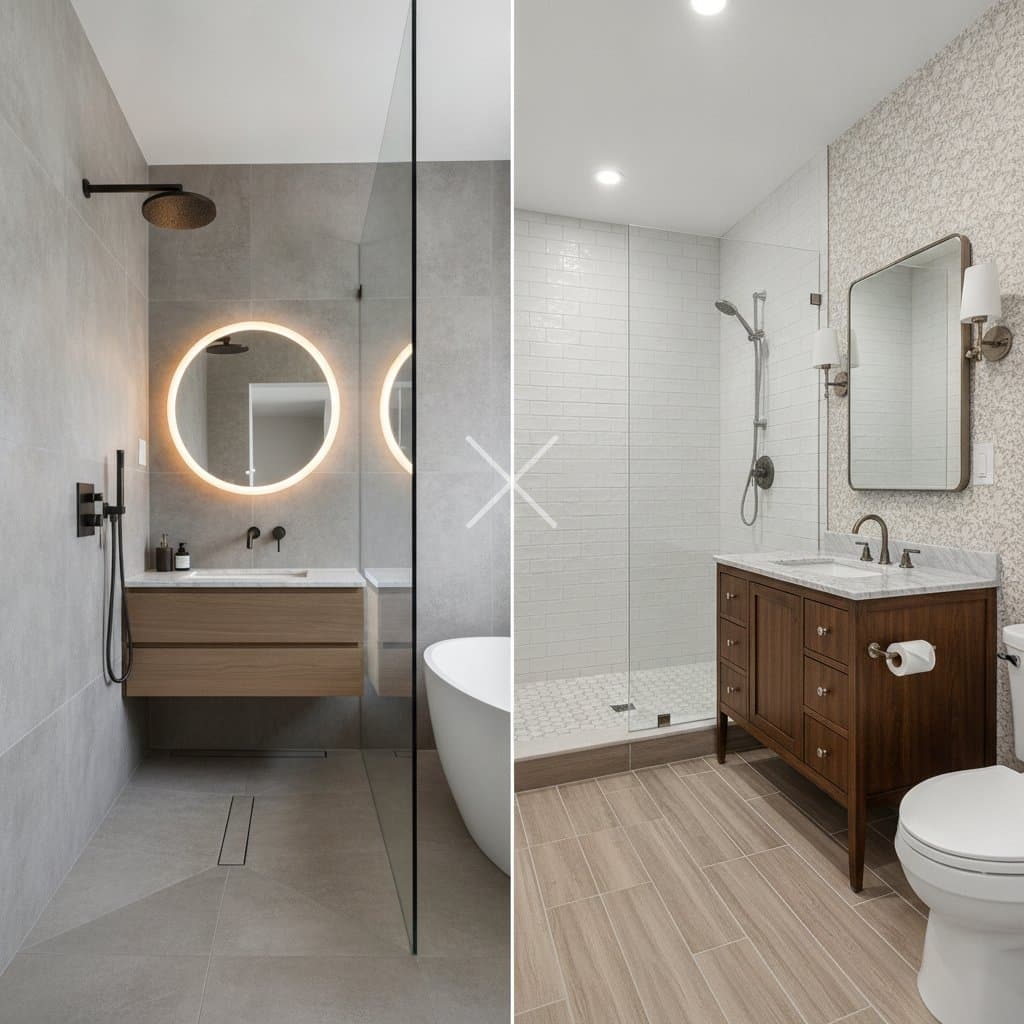
Absolutely. Current manufacturers produce accessible fixtures in sleek designs, including frameless showers with integrated seats and matte-black grab bars that complement modern decor. This blend ensures functionality aligns with personal style preferences.
Does insurance cover remodeling costs?
Certain long-term care policies or disability assistance programs reimburse qualifying accessibility enhancements. Homeowners must review policy details and submit documentation prior to commencing work to determine coverage.
Additional considerations include consulting occupational therapists for personalized recommendations, which can optimize investments by targeting specific mobility challenges.
Steps to Implement Your Remodel
Aging-in-place remodeling represents a strategic investment in both finances and well-being. Targeted updates enable residents to stay in familiar surroundings with enhanced security, ease, and autonomy. Start by evaluating daily routines to identify priority areas, such as stairless pathways or reachable storage solutions.
Establish a detailed budget that accounts for immediate needs alongside provisions for future expansions. Collaborate with contractors proficient in universal design to guarantee that modifications deliver enduring benefits. Through methodical planning and expert collaboration, the home transforms into a supportive space that adapts seamlessly to life's progression, preserving aesthetic appeal and operational efficiency for decades ahead.