2026 Universal Design Costs for Aging in Place
A home designed for lifelong comfort and safety represents a significant investment in well-being. Universal design principles emphasize accessibility and usability for individuals across all ages and abilities. These approaches prove essential whether you remodel for current needs or anticipate future requirements.
Understanding universal design elements, associated expenses, and professional involvement enables effective planning. This guide outlines core components, cost estimates, and strategies to balance budget with enduring benefits.
Average Costs of Universal Design Remodeling
Universal design initiatives differ in expense based on existing home conditions, specific objectives, and customization extent. The following overview provides baseline figures to inform your budgeting process.
Whole-Home Universal Design Remodel
- Cost Range: $75,000 to $150,000
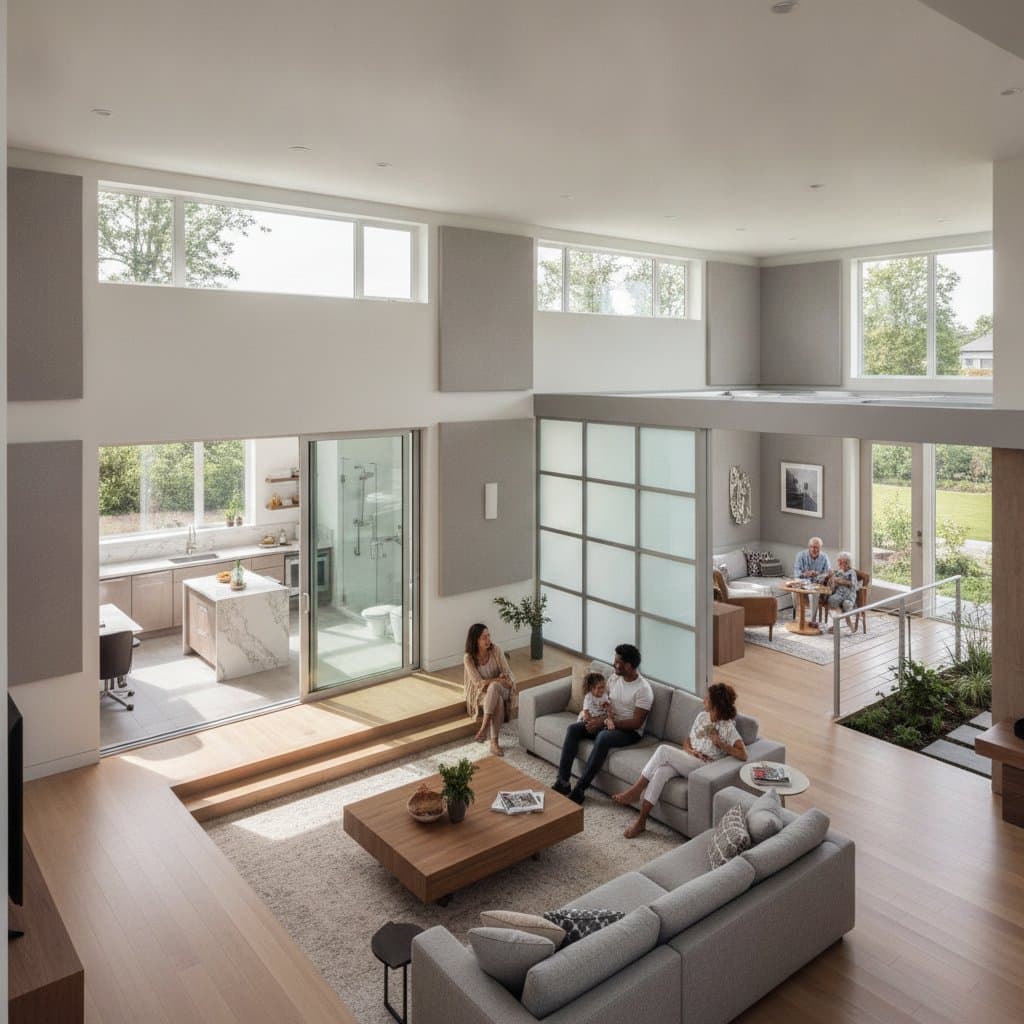
- What’s Included: Modifications to entryways for step-free access, hallway expansions to at least 36 inches, level floor adjustments, bathroom and kitchen enhancements, plus comprehensive lighting and flooring improvements.
- ROI: Thoughtful implementations recover 50 to 70 percent of costs upon resale, as accessible properties attract broader buyer interest.
Bathroom Upgrades
- Cost Range: $15,000 to $35,000
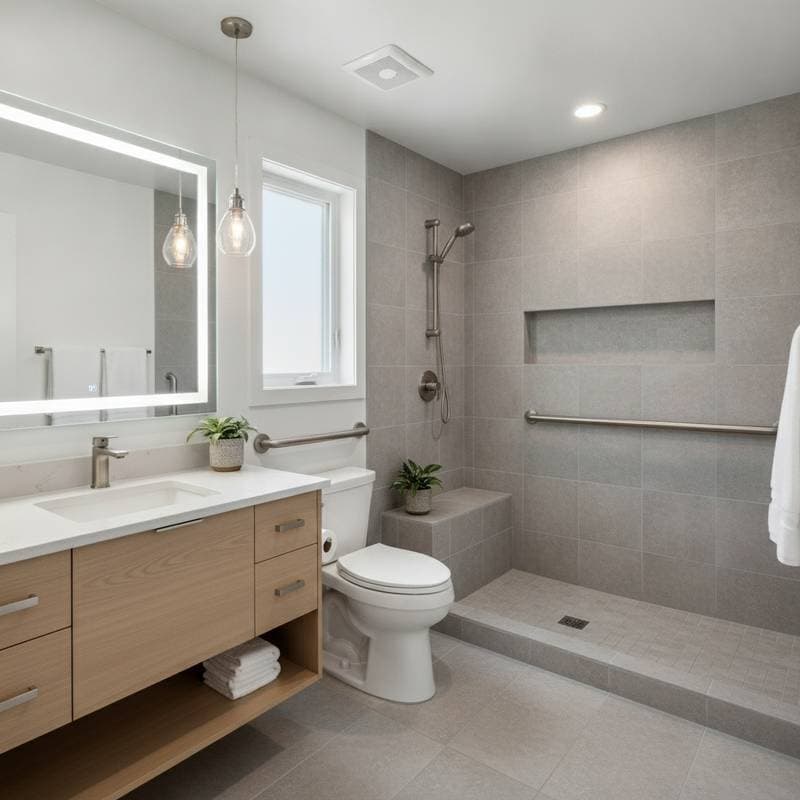
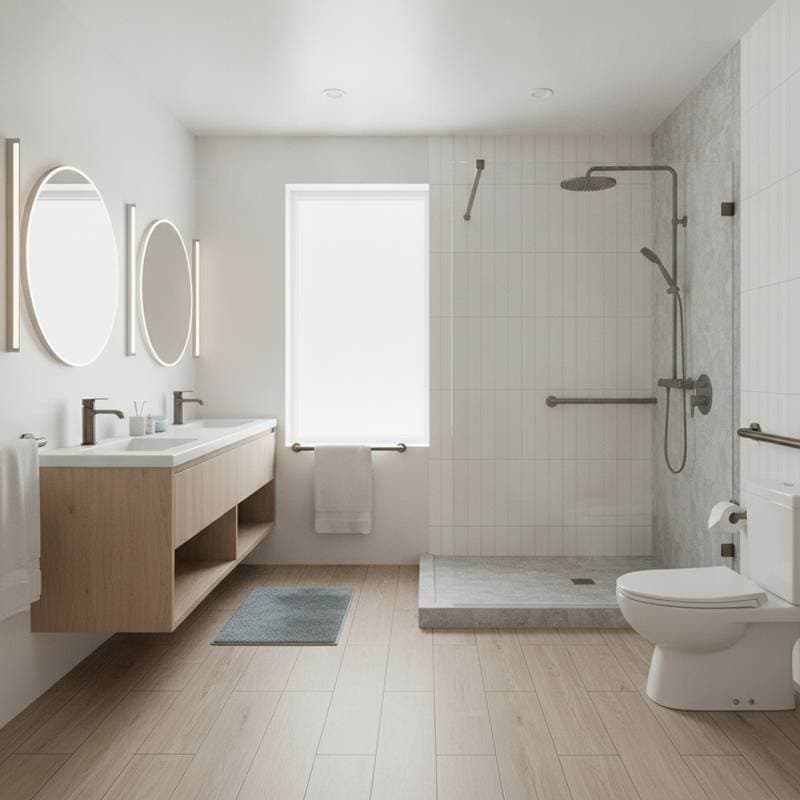
- Features: Curbless showers with built-in benches, reinforced walls for grab bars, adjustable-height showerheads, textured non-slip flooring, and elevated toilets at 17 to 19 inches.
- Why It Matters: Falls occur most frequently in bathrooms. Targeted upgrades enhance stability and ease daily routines like bathing and grooming.
Kitchen Modifications
- Cost Range: $20,000 to $50,000
- Features: Countertops adjustable from 28 to 34 inches, pull-out drawers under sinks, wall ovens with side-hinged doors, and ergonomic D-ring pulls on cabinets.
- ROI: Functional enhancements yield up to 60 percent recovery, appealing to buyers who value practical cooking spaces.
Entry and Exterior Adjustments
- Cost Range: $5,000 to $20,000
- Features: Portable or fixed ramps with 1:12 slope ratios, doorways widened to 32 inches clear width, motion-sensor exterior lights, and sheltered porches to ease transitions.
- DIY vs Pro: Basic lighting and temporary ramps suit skilled homeowners, yet structural alterations demand expert engineering and local permits.
Flooring and Lighting
- Cost Range: $8 to $15 per square foot for slip-resistant options like cork or luxury vinyl; $3,000 to $10,000 for automated lighting systems covering multiple levels.
- Why It Matters: Even surfaces with high traction coefficients prevent slips, while adjustable LEDs accommodate varying visual needs and reduce shadows.
DIY vs Professional Remodeling
Certain universal design tasks allow homeowner involvement, while complex ones necessitate expert oversight. Proper selection controls expenses and upholds safety standards.
When You Can DIY
- Secure installation of grab bars using toggle bolts into drywall
- Swap standard knobs for lever-style door handles
- Upgrade to warm-toned LED bulbs in key areas
- Rearrange furnishings to maintain 36-inch pathways
These modifications involve minimal risk and permit incremental implementation as needs change.
When to Hire a Professional
- Structural Modifications: Doorway expansions or wall removals impact building integrity and require load assessments.
- Plumbing and Electrical Work: Updates must adhere to current codes, including GFCI outlets near water sources.
- Custom Cabinetry or Countertop Adjustments: Precision measurements ensure ergonomic heights and smooth operations.
- Ramps or Elevators: Designs follow ADA guidelines to avoid hazards and secure warranties.
Engage a Certified Aging-in-Place Specialist (CAPS) to integrate accessibility with aesthetic preferences. Professionals manage timelines, subcontractor coordination, and compliance documentation.
Money-Saving Tips for Universal Design Remodeling
-
Prioritize High-Use Areas: Focus initial efforts on bathrooms, kitchens, and main entries, where modifications yield immediate safety gains.
-
Plan for Phased Upgrades: Implement changes in stages, such as hardware updates first, followed by surface replacements, to distribute financial impact.
-
Select Durable Materials: Opt for resilient choices like porcelain tiles with matte finishes or solid-surface counters that resist wear and simplify upkeep.
-
Integrate Style with Function: Source grab bars in brushed nickel that serve as decorative accents, or lever faucets that complement existing hardware.
-
Explore Incentives: Research community programs, tax credits under the IRS Section 25C, or veteran benefits for eligible accessibility projects.
-
Bundle Multiple Tasks: Schedule combined work sessions with one team to lower mobilization fees and streamline on-site efficiency.
Maintenance and Longevity of Universal Design Features
Routine care sustains the performance and appearance of accessibility elements over decades.
- Grab Bars and Railings: Inspect anchors annually and tighten as needed to support up to 250 pounds.
- Flooring: Use pH-neutral cleaners on textured surfaces to preserve grip without residue buildup.
- Lighting: Convert to dimmable LEDs and test sensors quarterly for consistent operation.
- Plumbing Fixtures: Descale aerators monthly and replace flexible hoses every five years to prevent failures.
- Cabinetry and Drawers: Apply silicone lubricant to glides biannually for effortless access.
Consistent attention averts minor wear from escalating into mobility challenges.
Common Questions About Universal Design Costs
What rooms should I remodel first for aging in place?
Bathrooms and kitchens demand priority due to their elevated injury risks and frequent use. Early interventions in these zones deliver outsized improvements in daily independence.
How much does it cost to add a ramp?
Costs range from $100 to $250 per linear foot, influenced by material durability, such as aluminum versus concrete, and installation permanence.
Do universal design features reduce resale value?
On the contrary, seamless integrations boost marketability by appealing to multigenerational households and those prioritizing longevity.
Are grab bars and non-slip floors required by code?
Most residential standards do not mandate them, though they align with best practices for risk reduction and may qualify for rebates.
Can universal design look stylish?
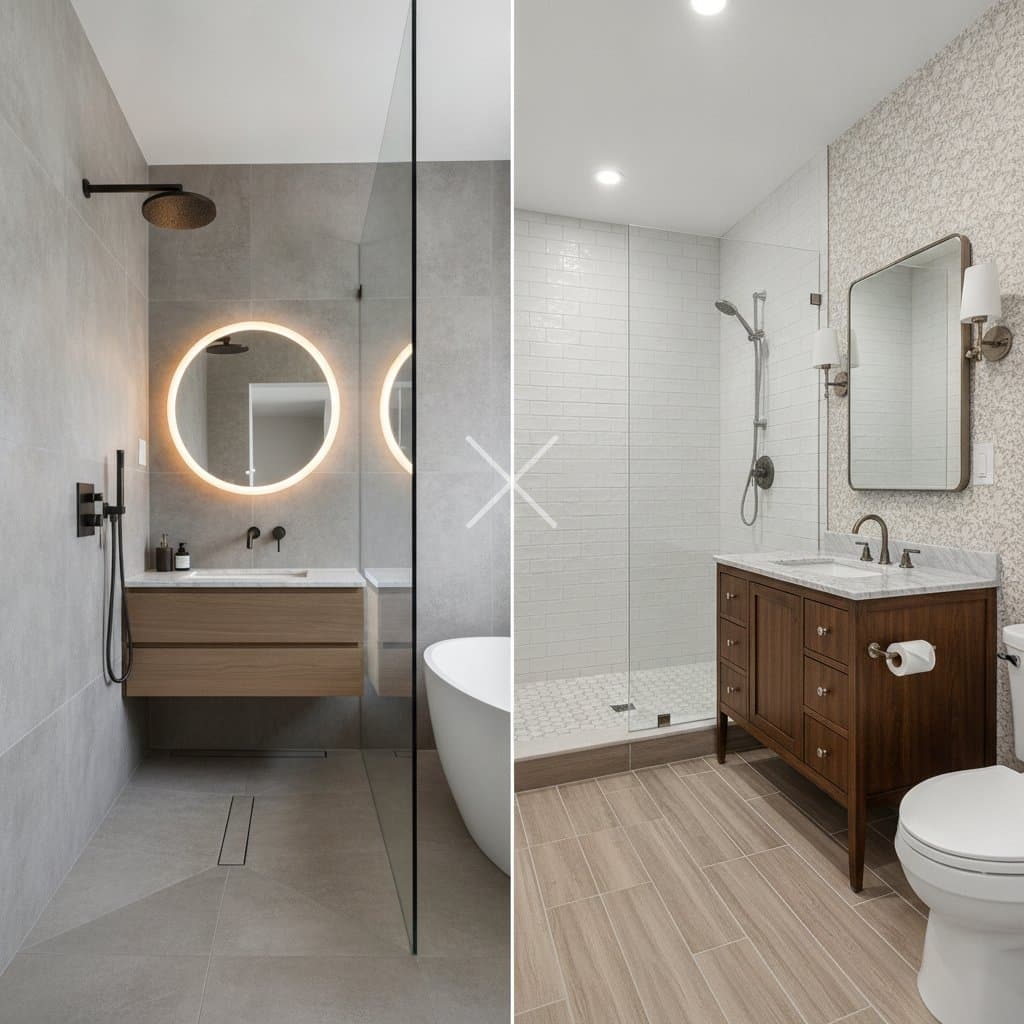
Absolutely. Contemporary options, including matte black fixtures and integrated tech, merge form and function without compromising elegance.
Steps to Launch Your Universal Design Project
Universal design fosters enduring independence through strategic home adaptations. Evaluate your space by mapping traffic patterns and identifying potential hazards. Establish priorities aligned with personal habits and health considerations.
Consult a CAPS professional to develop detailed blueprints that harmonize safety with personal style. Obtain multiple bids, verify credentials, and review portfolios of similar projects. Select materials that endure while fitting your aesthetic vision.
This approach transforms your home into a supportive environment that evolves alongside you. The result extends comfortable living, minimizes future disruptions, and safeguards your quality of life.