Implementing Universal Design for Lifelong Home Comfort
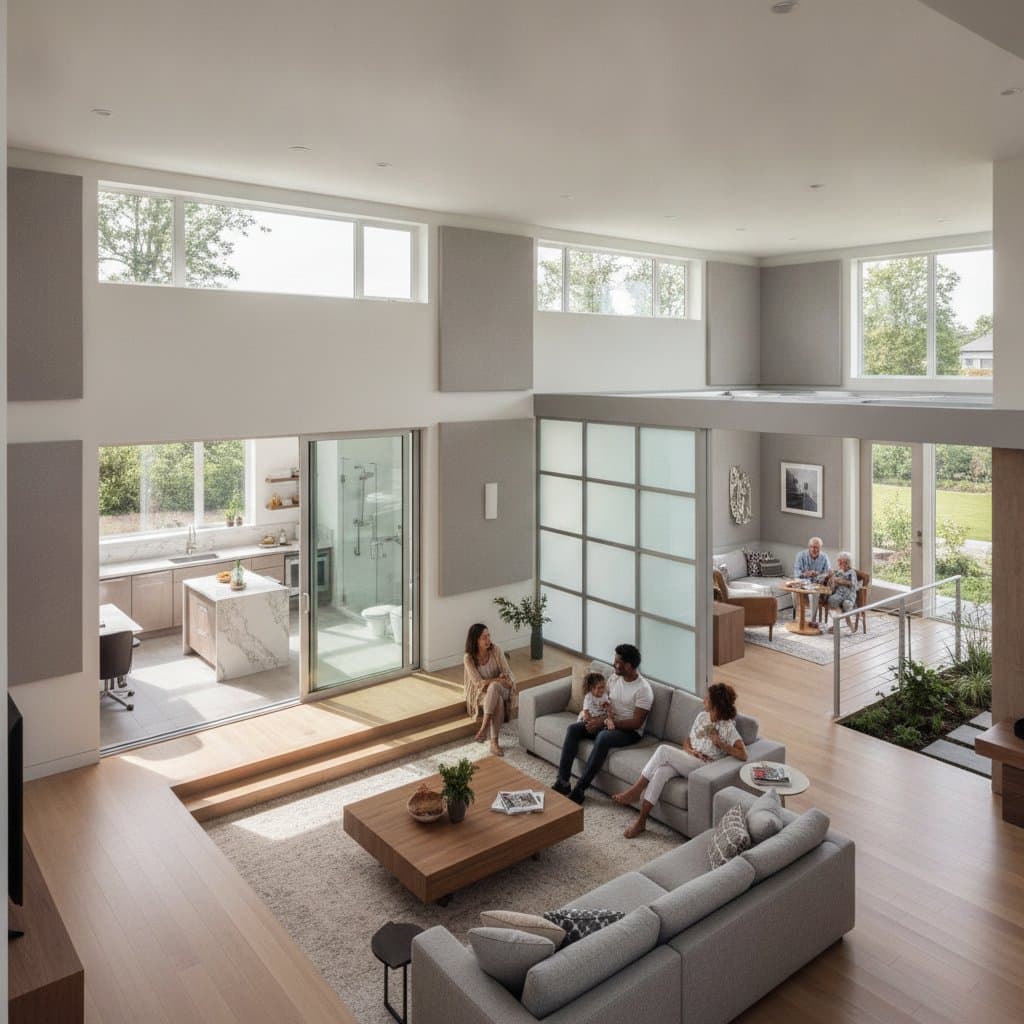
A thoughtfully designed home evolves alongside its residents. Changes in mobility, vision, or strength over the years demand environments that promote safety, ease, and autonomy. Universal design achieves this by crafting spaces usable by individuals of all ages and abilities, ensuring functionality pairs with enduring appeal.
This resource outlines strategies for incorporating universal design into remodeling efforts. It covers essential features that boost property value, along with guidance on costs, implementation, and expert involvement. Homeowners can discover methods to enhance accessibility while maintaining an elegant, personalized atmosphere.
Foundational Principles of Universal Design
Universal design rests on seven key principles that guide every modification. These ensure spaces accommodate diverse needs without complexity.
-
Equitable Use
Designs serve all users equally, from those walking unaided to individuals relying on wheelchairs or scooters. -
Flexibility in Use
Elements such as height-adjustable sinks or versatile lighting accommodate varying preferences and capabilities. -
Simple and Intuitive Operation
Interfaces and arrangements require no prior experience, allowing straightforward navigation for everyone. -
Perceptible Information
Visual cues, tactile surfaces, and auditory signals convey essential details clearly under different conditions. -
Tolerance for Error
Built-in safeguards minimize risks from unintended actions, like automatic shutoffs on appliances. -
Low Physical Effort
Mechanisms such as lever faucets or automated doors demand minimal force to operate. -
Size and Space for Approach and Use
Ample clearances and reach ranges facilitate comfortable interaction without obstruction.
Apply these principles room by room to create cohesive, future-proof interiors.
Key Features to Incorporate
Focus on high-impact modifications that align with universal principles. Prioritize areas with frequent use to maximize benefits.
1. Step-Free Entries and Thresholds
Importance:
Eliminating steps at entrances prevents trips and eases passage for strollers, carts, or mobility devices. Smooth transitions maintain an open, welcoming facade.
Estimated Costs and Returns:
Ramping or leveling a single entry typically costs $1,000 to $3,000, depending on site grading. These changes enhance curb appeal and can increase resale value by 5 to 10 percent in accessible housing markets.
DIY or Professional Approach:
Basic threshold reductions suit handy homeowners with basic tools. Structural ramps or foundation adjustments require certified contractors to ensure code compliance.
Implementation Advice:
Install 1:12 slope ramps for gradual inclines. Opt for durable, non-slip materials like composite decking to withstand weather.
2. Wider Doorways and Hallways
Importance:
Narrow passages hinder navigation with aids like walkers. Expanding them promotes fluid movement and reduces congestion in daily routines.
Estimated Costs and Returns:
Doorway widening averages $500 to $1,200 per opening. Hallway broadening may reach $2,000 to $5,000 if walls shift. Safety gains often outweigh initial outlay, with solid ROI through improved livability.
DIY or Professional Approach:
Non-load-bearing doors allow homeowner adjustments using jigsaws and shims. Electrical or framing work demands licensed professionals to avoid hazards.
Implementation Advice:
Target 36-inch minimum widths for clear wheelchair access. Consider sliding or swinging doors that fold away to optimize tight spaces.
3. Bathroom Adaptations
Importance:
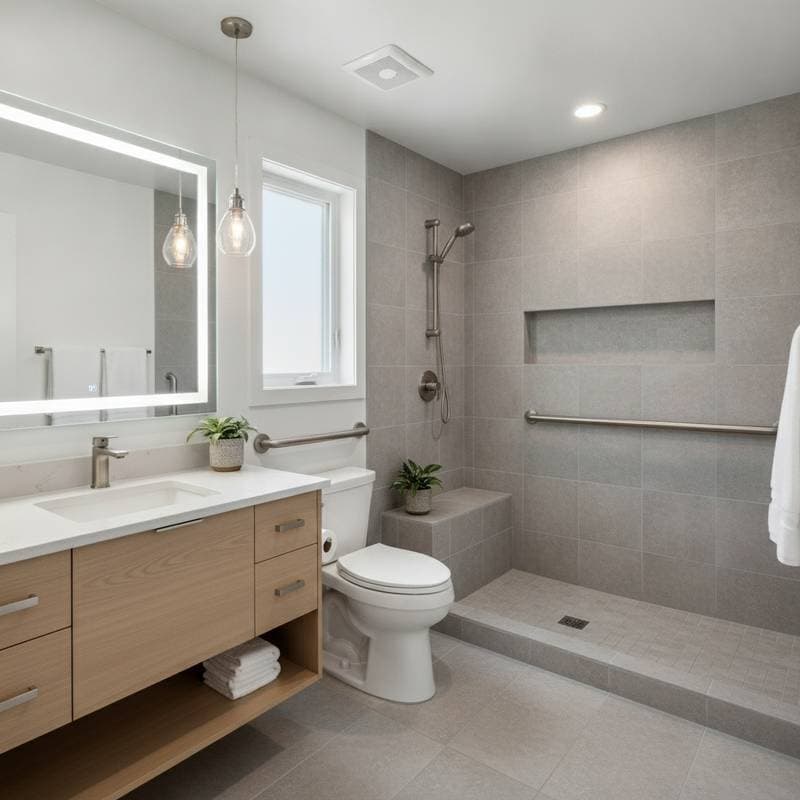
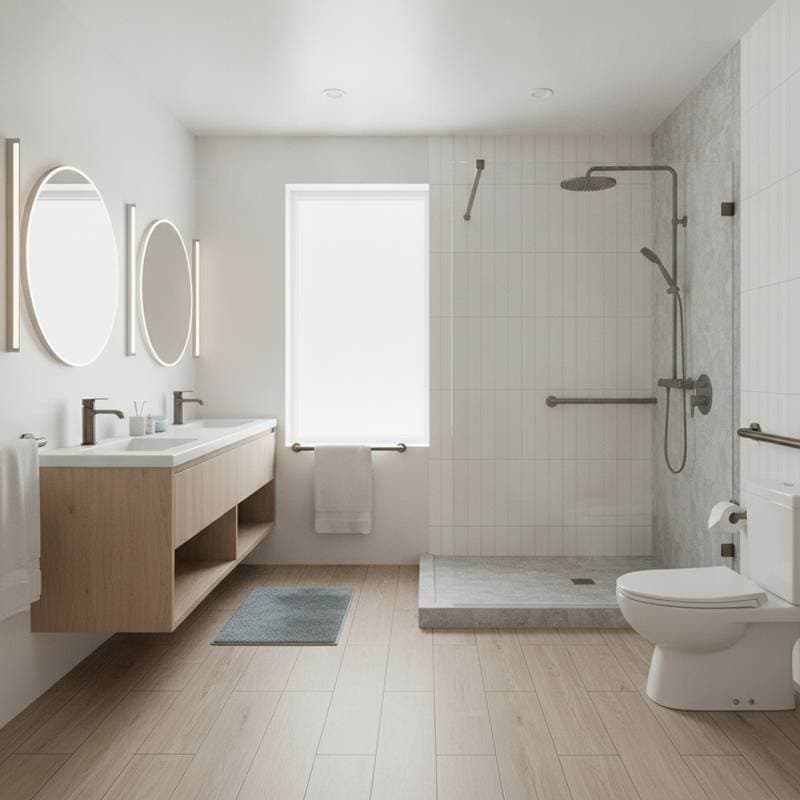
Wet areas pose slip risks and reach challenges. Universal updates like curbless showers and reinforced walls support safe, independent hygiene.
Estimated Costs and Returns:
Full bathroom overhauls span $10,000 to $30,000. Partial installs, such as grab bars, cost $200 to $800. These yield high returns via extended home usability and appeal to multigenerational buyers.
DIY or Professional Approach:
Mounting accessories like adjustable mirrors works for DIY enthusiasts. Plumbing relocations or waterproofing necessitate expert plumbers and tilers.
Implementation Advice:
Select fold-down benches in showers and motion-sensor lights. Use textured flooring and contrasting colors to highlight edges and prevent falls.
4. Kitchen Accessibility
Importance:
Meal preparation demands ergonomic setups. Pull-out cabinets and lower counters enable seated or standing use without strain.
Estimated Costs and Returns:
Comprehensive kitchen adaptations range from $15,000 to $50,000. Value recovery mirrors standard remodels, often 60 to 80 percent, bolstered by practical innovations.
DIY or Professional Approach:
Installing lazy Susans or under-shelf baskets fits DIY skills. Island reconfiguration or ventilation upgrades requires architects and builders.
Implementation Advice:
Incorporate 34-inch counter heights with knee space below. Favor front-control ranges and wall ovens at mid-level for effortless access.
Cost-Effective Implementation Strategies
Integrate universal elements during routine updates to streamline expenses. Layer modifications over time, starting with essentials like lighting and hardware.
- Align projects with existing renovations to share contractor fees and minimize disruption.
- Research federal tax deductions up to $15,000 for qualifying accessibility work, plus state rebates.
- Select multifunctional items, such as benches that serve as storage, to dual-purpose investments.
- Focus on versatile finishes like matte hardware and wide-plank flooring that suit all aesthetics.
Addressing Frequent Concerns
How does universal design differ from basic accessibility?
Accessibility complies with legal standards for disability accommodations. Universal design extends usability to all, blending features seamlessly into everyday living.
Will these changes compromise aesthetic appeal?
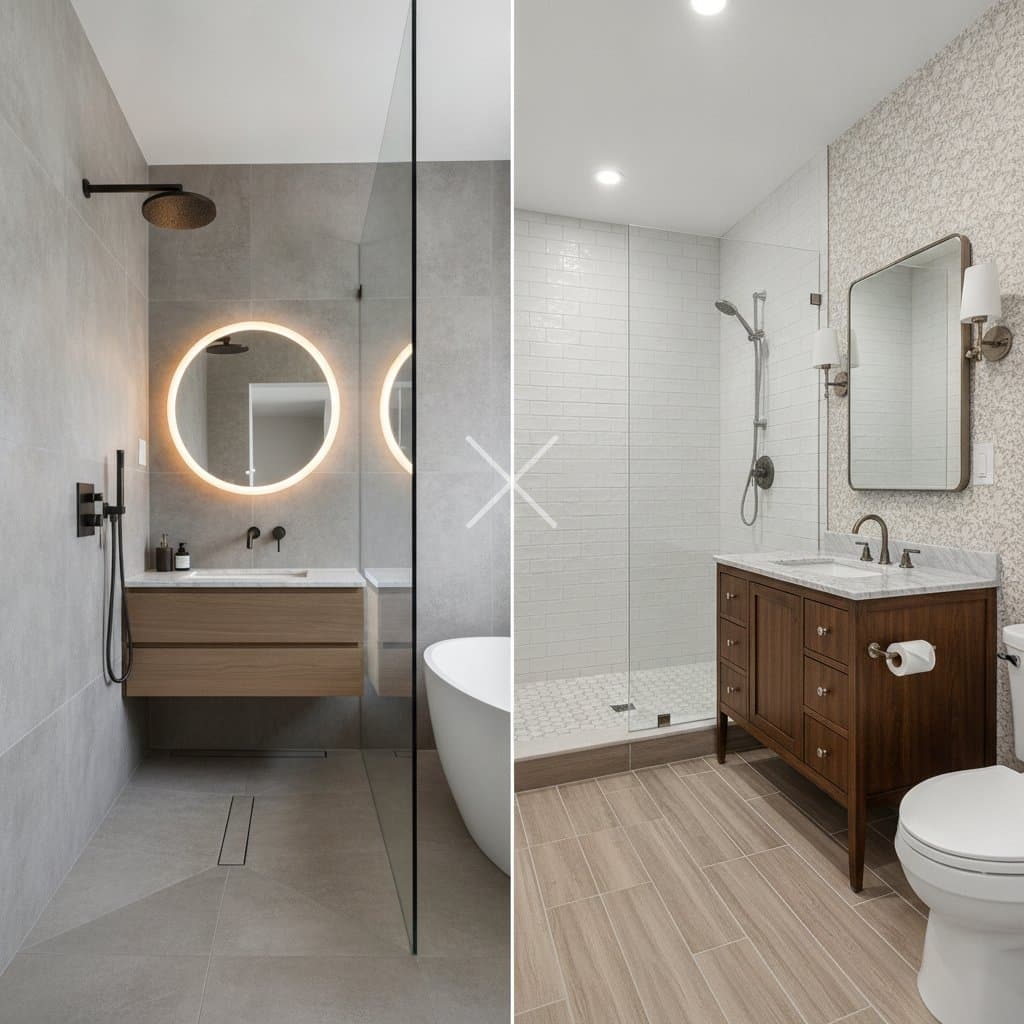
Integrated solutions enhance rather than detract. Sleek lever handles and frameless glass showers maintain modern elegance while adding utility.
What timeline should I expect for remodels?
Quick fixes like hardware swaps complete in a weekend. Major room transformations span four to eight weeks, factoring in permits and supply chains.
Are funding options available beyond personal budgets?
Certain insurance plans reimburse safety installations. Community programs and aging-in-place grants assist eligible seniors with expenses.
Is retrofitting viable for historic or older properties?
Absolutely, with adaptive techniques. Consult preservation experts to balance heritage with modern needs, often through reversible alterations.
Sustaining Universal Design Over Time
Universal design thrives through ongoing care. Schedule annual reviews to update elements like battery-operated aids or seasonal lighting adjustments.
Monitor high-traffic zones for signs of wear, such as loose fixtures or faded contrasts. Involve family in maintenance routines to foster shared responsibility.
Ultimately, these investments cultivate a home that nurtures independence and inclusivity. Partner with skilled remodelers to realize a space that endures, blending practicality with personal style for years ahead.