
Multigenerational Home Additions: Costs from $120,000 to $350,000 in 2026
Multigenerational living arrangements gain popularity as families seek to combine households for support, cost savings, and shared experiences. Home additions designed for multiple generations provide private yet connected spaces that accommodate diverse needs, from young children to aging parents. This guide explores the projected costs for such projects in 2026, along with strategies to manage expenses and maximize value.
Homeowners often pursue these additions to address housing shortages, rising living costs, and the desire for family proximity. Projections indicate that material and labor prices will influence budgets significantly by 2026. Understanding these elements helps in planning a project that aligns with financial goals and family dynamics.
Understanding Multigenerational Home Additions
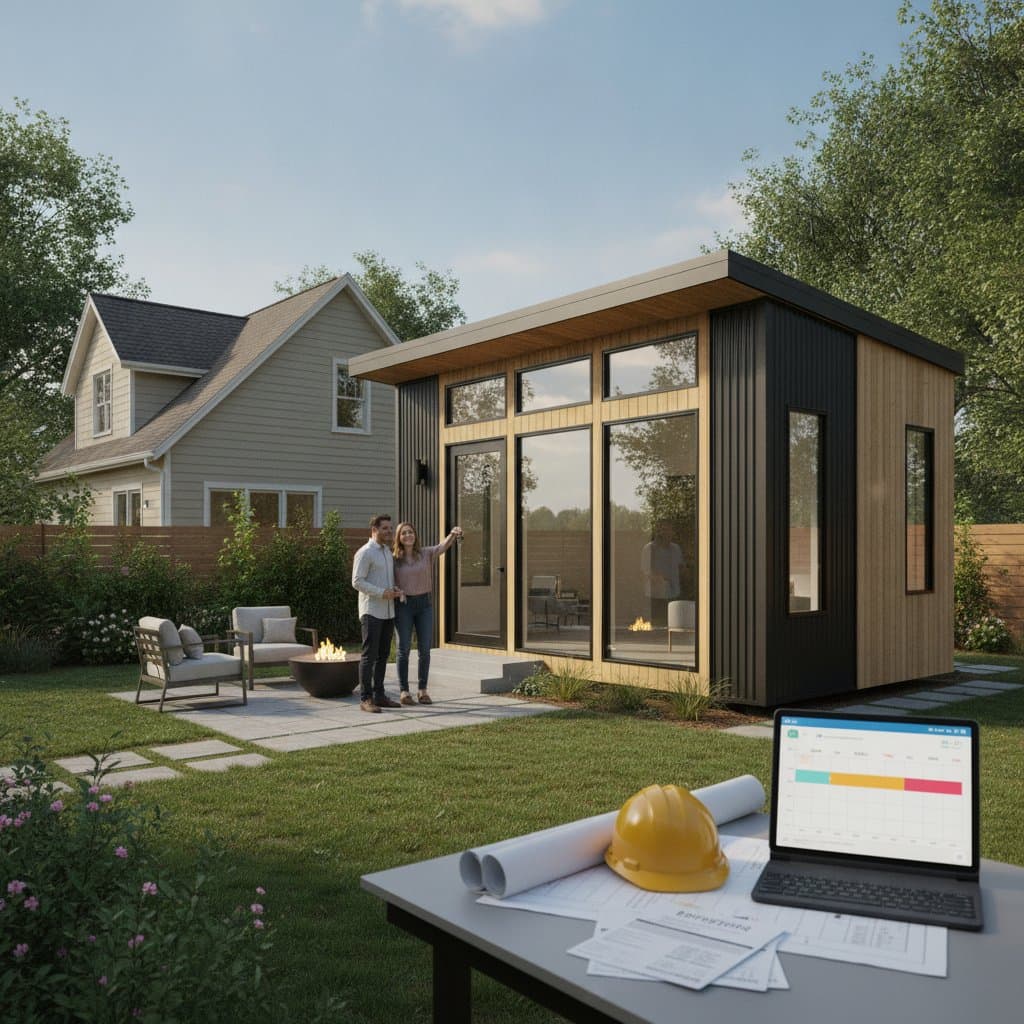
Multigenerational home additions typically include separate living quarters within the existing property, such as in-law suites or accessory dwelling units. These spaces feature private entrances, full kitchens, and bathrooms to promote independence while maintaining family closeness. Designs prioritize accessibility, with features like wide doorways and ground-level layouts for ease of use across ages.
The appeal lies in fostering intergenerational bonds without sacrificing personal space. Families benefit from shared resources like utilities and maintenance, which can reduce overall household expenses. In 2026, builders anticipate increased demand due to demographic shifts, including longer lifespans and multigenerational cultural norms.
Customization varies based on family size and needs. For instance, a two-bedroom addition might suit a couple and their adult child, while larger setups accommodate extended relatives. Early consultation with professionals ensures the addition integrates seamlessly with the home's architecture.
Projected Cost Ranges for 2026
Experts forecast that multigenerational home additions will range from $120,000 to $350,000 in 2026, depending on size, location, and features. Basic additions around 400 to 600 square feet start at the lower end, covering essential living areas. More elaborate projects exceeding 1,000 square feet, with premium finishes, approach the upper limit.
Regional factors play a key role in pricing. Urban areas with high labor costs, such as coastal cities, push expenses higher, while rural locations offer savings. Material selections, from standard framing to high-end countertops, further impact the total.
Breakdown of typical costs includes foundation work at 10 to 15 percent of the budget, framing and exterior at 25 to 30 percent, and interior finishes at 20 to 25 percent. Plumbing, electrical, and HVAC systems account for another 15 to 20 percent. Permitting and design fees add 5 to 10 percent, emphasizing the need for accurate upfront estimates.
Factors Influencing Costs
Site-specific challenges, like uneven terrain or zoning restrictions, can elevate expenses by 10 to 20 percent. Soil testing and engineering assessments prevent surprises during construction. Proximity to utilities influences connection fees, particularly for standalone units.
Material choices drive variability. Opting for durable, low-maintenance options like fiber cement siding reduces long-term costs compared to wood. Energy-efficient windows and insulation, though initially pricier, qualify for rebates and lower utility bills.
Labor availability affects timelines and prices. In 2026, skilled trades shortages may increase rates by 5 to 8 percent annually. Selecting a design-build firm streamlines coordination, potentially saving 10 to 15 percent through integrated planning.
Strategies to Budget Effectively
Start with a detailed financial assessment to determine affordability. Allocate 20 to 25 percent of the home's value to the addition for balanced investment. Secure pre-approvals for financing options, such as home equity loans, to lock in rates before market fluctuations.
Phased construction allows spreading costs over time. Begin with foundational elements like the structure, then add interiors later. This approach minimizes disruption and provides flexibility if budgets shift.
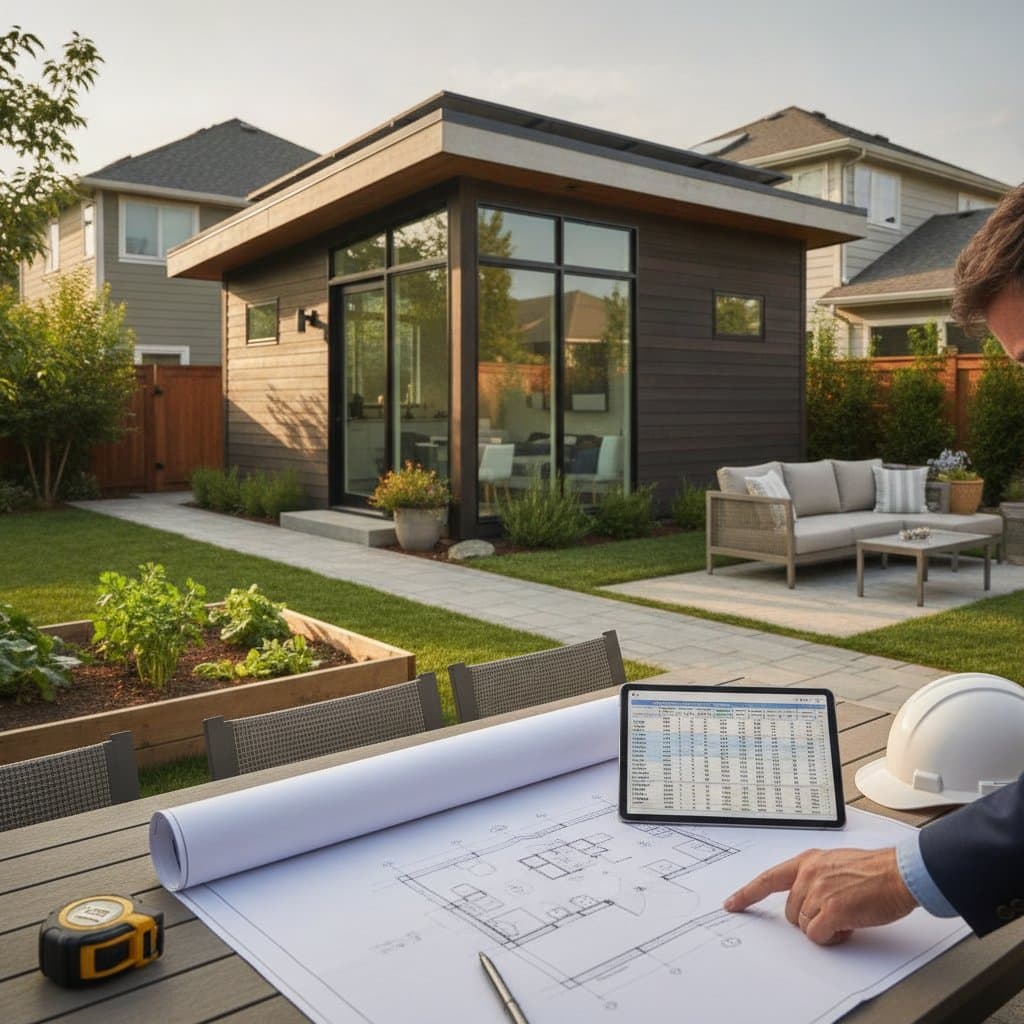
Compare multiple contractor bids to ensure competitive pricing. Request itemized quotes that detail labor, materials, and contingencies. Verify licenses and references to avoid costly rework.
Ways to Save on Your Project
Incorporate value engineering by prioritizing essential features over luxuries. For example, use open-plan layouts to maximize space without additional walls. Standard sizes for appliances and fixtures reduce custom fabrication expenses.
Leverage incentives for sustainable upgrades. Solar panels and efficient heating systems offer tax credits that offset 10 to 20 percent of costs. Local programs may provide grants for accessibility modifications.
Source materials strategically. Bulk purchases or reclaimed items lower outlays without compromising quality. Timing the project during off-peak seasons can negotiate better labor rates.
Design Considerations for Comfort and Functionality
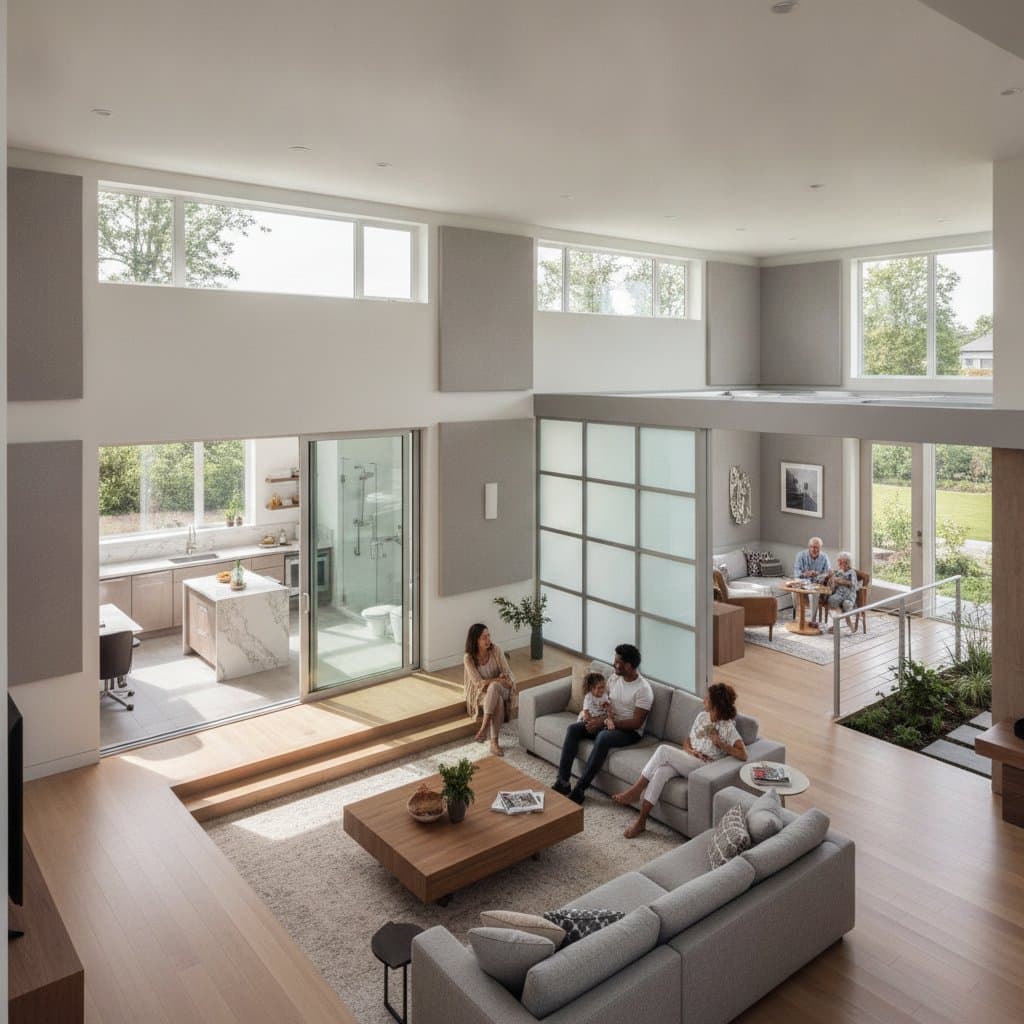
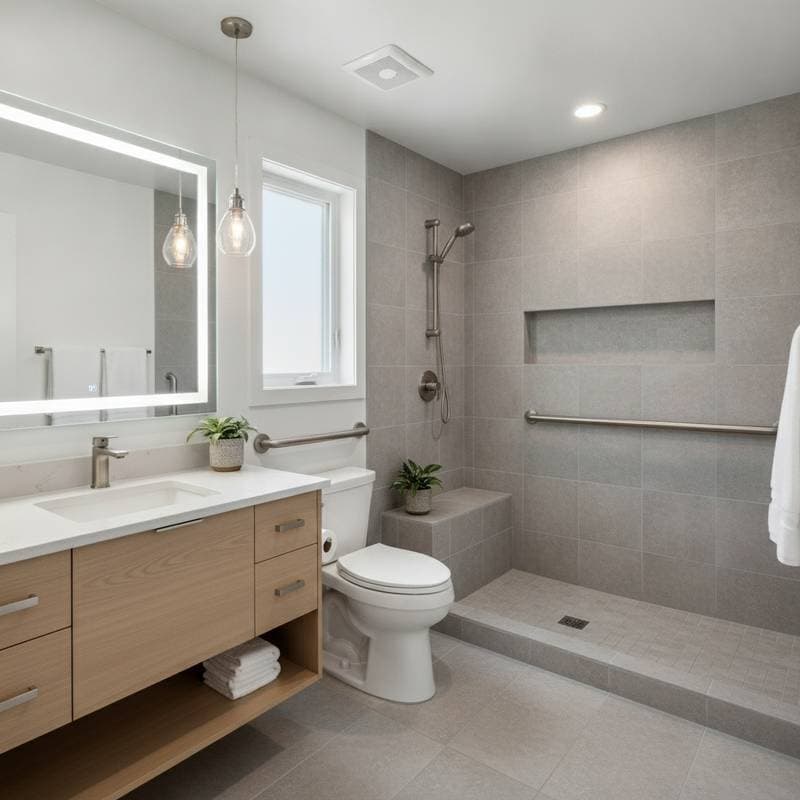
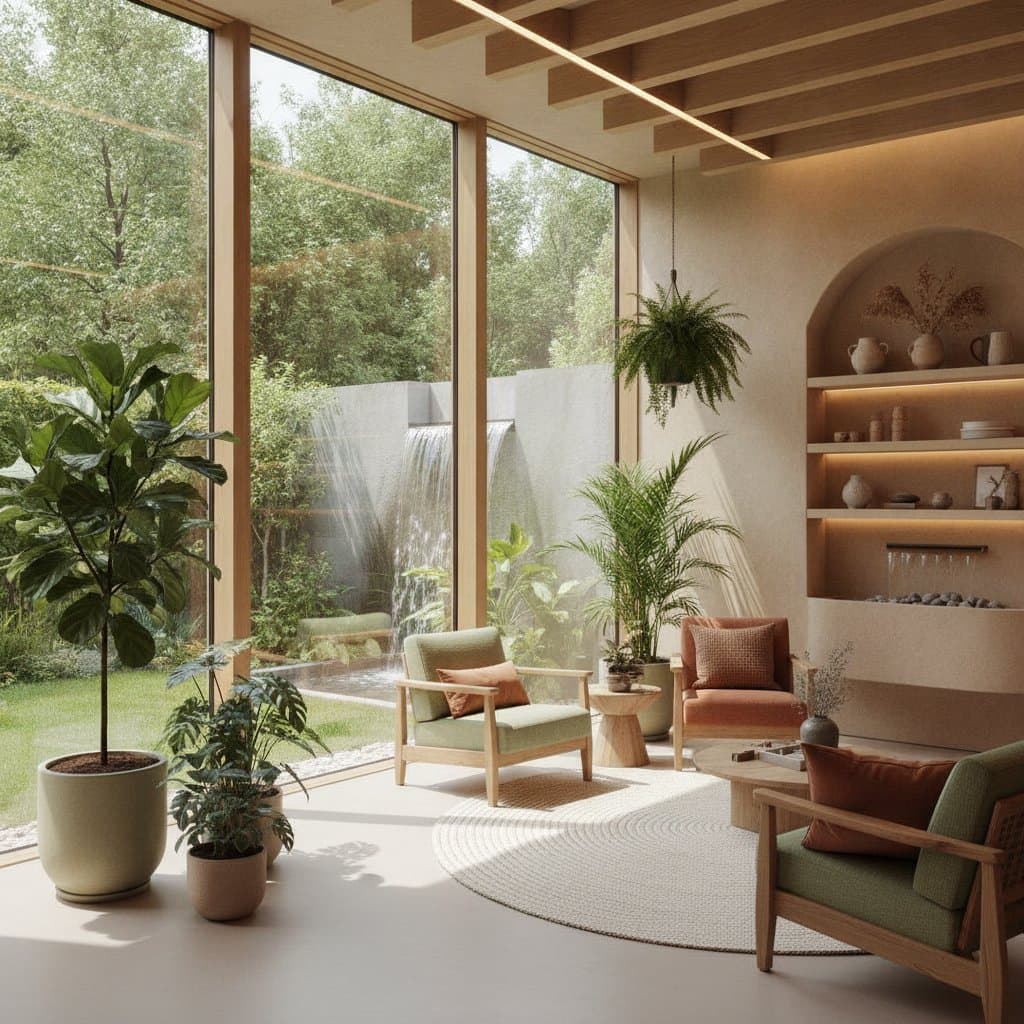
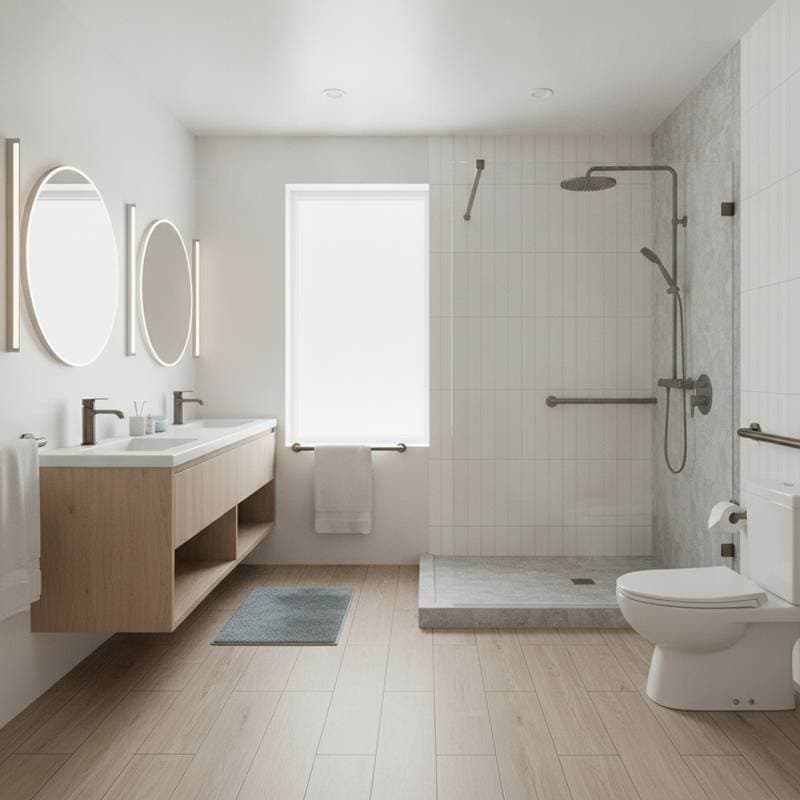
Focus on universal design principles to future-proof the space. Ramp access and lever handles accommodate mobility needs without altering aesthetics. Natural lighting through large windows enhances well-being and reduces energy use.
Kitchenettes and laundry areas promote self-sufficiency. Place them near shared spaces for convenience, yet separate for privacy. Soundproofing walls minimizes disturbances between generations.
Integrate smart technology for efficiency. Automated lighting and thermostats allow remote control, appealing to tech-savvy family members. These features add modern appeal without excessive costs.
Maximizing Return on Investment
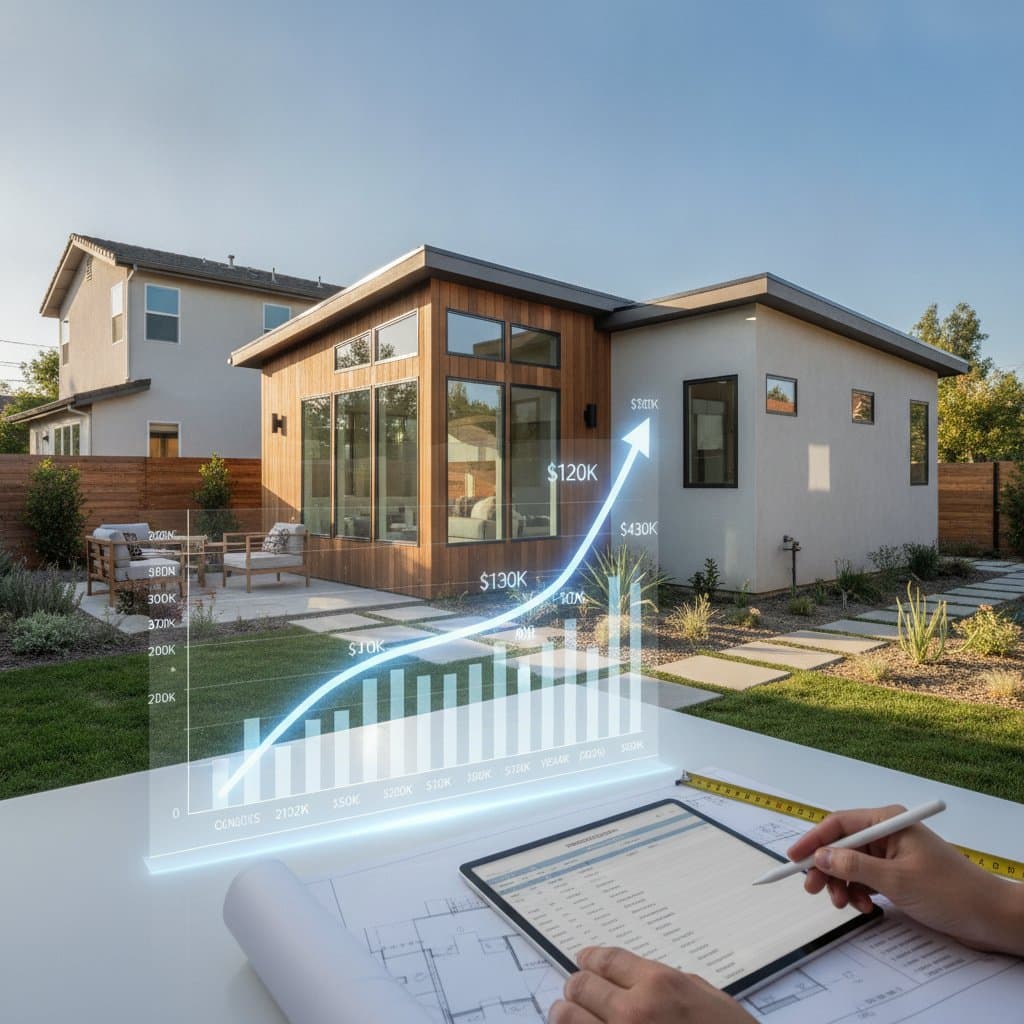
Multigenerational additions boost property value by 50 to 70 percent of construction costs. They appeal to buyers seeking flexible living options, enhancing marketability. In 2026, homes with such features may sell 10 to 15 percent faster.
Rental potential provides ongoing income if family circumstances change. Separate entrances facilitate leasing as an ADU, subject to local regulations. This versatility strengthens financial security.
Long-term savings emerge from shared expenses and energy efficiency. Reduced commuting and caregiving costs contribute to overall family benefits. Thoughtful design ensures the addition remains a valuable asset for years.
Steps to Launch Your Project
Assess family needs through discussions to define space requirements. Sketch initial ideas or use online tools for visualization. Consult local zoning laws to confirm feasibility.
Hire a reputable design-build team early. Review portfolios for similar projects to gauge expertise. Establish a clear timeline and communication protocol.
Monitor progress with regular site visits. Address issues promptly to stay on budget. Final walkthroughs ensure quality before occupancy.
Building Lasting Family Spaces
Investing in a multigenerational addition creates enduring connections and practical solutions. These projects transform homes into supportive environments that adapt to life's stages. With careful planning, homeowners achieve comfort, savings, and enhanced property worth in 2026 and beyond.