
2026 Universal Design Costs for Aging-in-Place Remodels
Quick Answer Box
An aging-in-place remodel incorporates universal design principles to enhance accessibility and safety for individuals of all ages and abilities. Homeowners may handle minor updates, such as installing grab bars or lever handles, independently. However, significant modifications like expanding doorways or designing accessible bathrooms require the involvement of a licensed contractor. Costs typically range from $15,000 to $100,000, influenced by the home's size and project scope. A standard project requires two to six weeks. Key risks arise from alterations to electrical systems, plumbing, or structural elements, necessitating thorough planning and adherence to building codes.
Step-by-Step Guide to Your Remodel
1. Assess Your Needs
Begin by documenting specific challenges within your home, emphasizing mobility, reach, and visibility issues. Measure critical dimensions, including door widths, counter heights, and clearances around steps. Prioritize high-risk zones such as bathrooms, kitchens, and entryways.
- Conduct a room-by-room walkthrough to note obstacles like narrow passages or high shelves.
- Consult accessibility guidelines from sources like the ADA for baseline standards.
Success indicator: A detailed written inventory of problem areas, complete with precise measurements, guides your next actions.
2. Plan the Layout
Develop a preliminary floor plan that integrates wider doorways, unobstructed pathways, and adaptable bathrooms. Ensure hallways maintain at least 36 inches of clear width, while primary walkways provide 42 inches. Allocate a 5-foot turning radius in bathrooms and kitchens to accommodate potential wheelchair use.
- Incorporate flexible spaces that allow for future adaptations, such as removable baseboards.
- Visualize traffic flow to eliminate bottlenecks and promote ease of movement.
Success indicator: The layout complies with accessibility standards and supports intuitive navigation for daily activities.
3. Budget and Obtain Estimates
Reach out to at least three contractors licensed in aging-in-place remodeling for comprehensive quotes. Insist on itemized breakdowns covering labor, materials, permits, and waste disposal. Inquire about products compliant with ADA specifications to ensure long-term usability.
Typical cost ranges include:
- Widening a doorway: $800 to $2,500 per opening
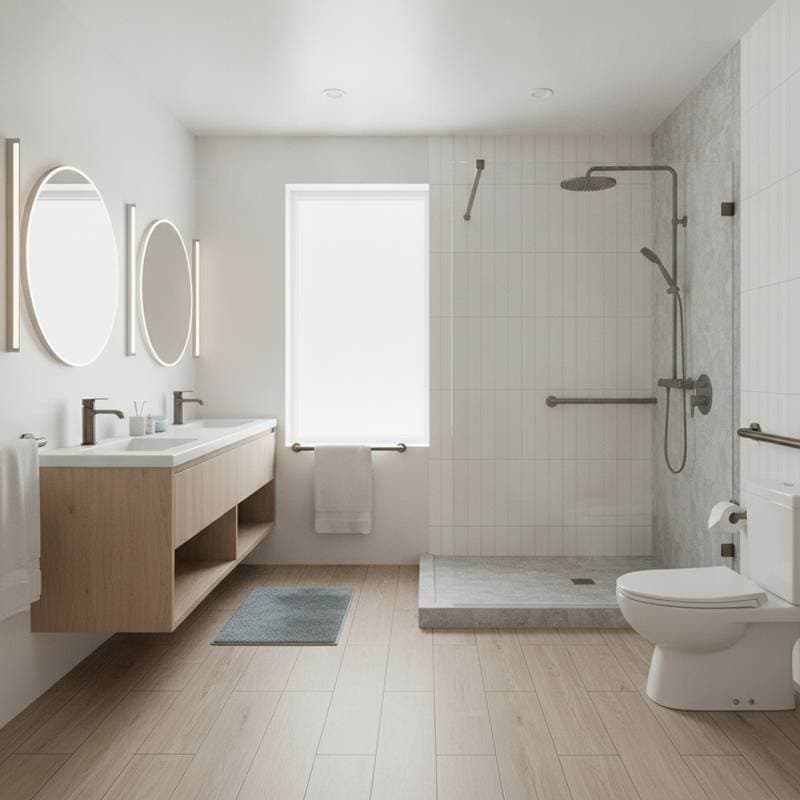
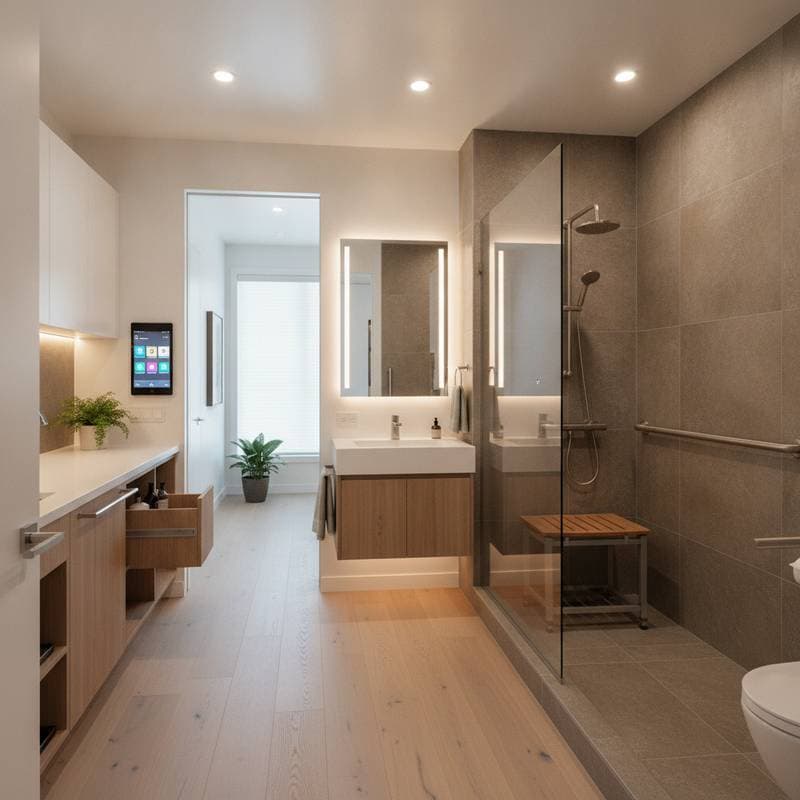
- Installing a roll-in shower: $6,000 to $12,000
- Adding an exterior ramp: $2,000 to $8,000
- Upgrading kitchen accessibility: $10,000 to $25,000
Success indicator: A clear budget projection and timeline exist prior to committing to any agreement.
4. Secure Permits and Schedule the Project
Submit permit applications to your local building authority, allocating sufficient time for review and approval. Verify that all submitted drawings align with current codes. Clarify the inspection schedule to avoid delays.
- Gather required documentation, including site plans and material specifications.
- Address any feedback from officials promptly to maintain momentum.
Success indicator: Approved permits are in hand, along with a firm start date for construction.
5. Initiate Demolition with Safety in Mind
Before proceeding, disconnect all relevant utilities to prevent accidents during wall or fixture removal. Limit demolition to the elements outlined in your approved plans. Contain debris effectively and maintain clear access paths throughout the process.
- Use protective gear and secure the work area to safeguard occupants and workers.
- Document the pre-demolition condition for reference during inspections.
Success indicator: The site is cleared of debris, remains hazard-free, and stands prepared for subsequent installations.
6. Modify Structural Elements
Engage a licensed contractor for tasks involving doorway expansions, framing adjustments, or load-bearing wall alterations. Install structural blocking in walls to support grab bars and wall-mounted seats. Confirm that all framing remains aligned and surfaces level.
- Reinforce floors if adding ramps or lowering thresholds to distribute weight evenly.
- Test structural integrity after modifications to ensure stability.
Success indicator: Framing supports the design securely and awaits finishing touches like drywall.
7. Install Plumbing and Electrical Fixtures
Restrict connections of fixtures and outlets to licensed plumbers and electricians only. Fit lever-handled faucets, adjustable showerheads, and comfort-height toilets for optimal usability. Position outlets between 18 and 48 inches from the floor to facilitate access.
- Integrate smart controls, such as motion-sensor lights, for added convenience.
- Conduct initial tests to verify functionality before enclosing walls.
Success indicator: Fixtures function reliably and successfully pass required inspections.
8. Apply Finishes and Fixtures
Select and install non-slip flooring options, including textured vinyl planks or matte-finish ceramic tiles, to minimize fall risks. Position grab bars at 33 to 36 inches above the floor for secure support. Apply high-contrast paint colors to enhance visibility in key areas.
- Choose hardware with easy-grip designs, like loop handles on cabinets.
- Ensure all surfaces resist moisture and wear for durability.
Success indicator: The completed space operates fully, prioritizes safety, and invites effortless movement.
Quality Assurance and Problem Resolution
Common Challenges
Transitions between flooring types often create uneven surfaces that lead to trips; opt for flush thresholds to resolve this. Inadequate lighting compromises safety, so incorporate layered illumination across all zones. Grab bars that loosen over time signal insufficient wall backing; reinforce with proper installation techniques.
Practical Solutions
Swap out dim bulbs for high-lumen LED options to brighten pathways. Coat slick floors with anti-slip treatments for immediate traction. Fine-tune door closers to lessen the force needed for operation.
Success indicator: Accessibility elements withstand routine use without issues, confirming overall reliability.
Engaging Professional Expertise
Summon a licensed contractor or accessibility specialist for complex scenarios, including:
- Modifications to structural walls or load-bearing components
- Relocating plumbing or electrical lines
- Resizing custom cabinetry or countertops
- Engineering ramps or platform lifts
Professional hourly rates vary from $75 to $150 based on regional factors. Request client references, insurance verification, and active licensing credentials. Examine portfolios featuring prior accessibility installations. Established professionals deliver detailed written proposals and sustain open dialogue during the project.
Frequently Asked Questions
What defines universal design?
Universal design creates environments usable by individuals of varying ages and abilities, eliminating the need for extensive modifications.
Is a permit required for installing grab bars?
Typically not, though reinforcing walls or altering plumbing often necessitates one.
What is the cost range for a full-home aging-in-place remodel?
Anticipate $30,000 to $100,000, varying with home dimensions and selected materials.
Can occupants remain in the home during remodeling?
Small-scale efforts permit this, but extensive plumbing or flooring work may require temporary relocation.
Do universal design elements appeal to future buyers?
Indeed, accessibility and safety enhancements in areas like bathrooms and kitchens attract diverse purchasers.
Which flooring suits aging-in-place homes best?
Non-slip vinyl or low-pile carpet offers superior traction and soft underfoot comfort.
How to enhance stair safety?
Install robust handrails on both sides and position bright lights at each landing.
Implementing Your Vision
Universal design remodeling extends beyond mere accessibility to foster greater comfort, security, and autonomy for all household members. Initiate with meticulous planning and accurate assessments. Delegate technical aspects to qualified professionals. Select resilient, easy-care materials aligned with enduring requirements. Through this structured method, your residence evolves into a sanctuary of confidence and ease for years ahead.