Maximize ROI with Smart Aging-in-Place Bathrooms
Aging-in-place remodeling creates homes that adapt to evolving needs. Bathroom renovations offer the highest return on investment among home updates when they prioritize accessibility and comfort. This guide outlines how to plan a bathroom that promotes independence, enhances safety, and preserves long-term value while harmonizing design and functionality.
A smart aging-in-place bathroom extends beyond basic modifications like grab bars or wider doorways. It integrates thoughtful design elements, durable materials, and versatile features that attract future buyers and simplify everyday tasks for all users.
Core Design Principles for Aging-in-Place Bathrooms
Understand these foundational principles before selecting specific features to ensure a cohesive and effective remodel.
-
Safety through Simplicity
Eliminate potential hazards with open layouts, curbless showers, and slip-resistant flooring to facilitate secure navigation. -
Ease of Use
Choose fixtures that require little physical effort, such as lever-style handles, touchless faucets, and elevated toilets, to accommodate varying abilities. -
Adaptability
Incorporate elements that serve immediate purposes and allow for future modifications, including reinforced wall structures for potential grab bar additions and adjustable lighting to address vision changes. -
Comfort and Style
Maintain an inviting atmosphere with warm textures, gentle illumination, and unified finishes that blend accessibility with sophistication.
Essential Features for Smart Aging-in-Place Bathrooms
Implement these targeted upgrades to elevate safety, usability, and appeal. Each feature contributes to a balanced design that supports daily life and resale potential.
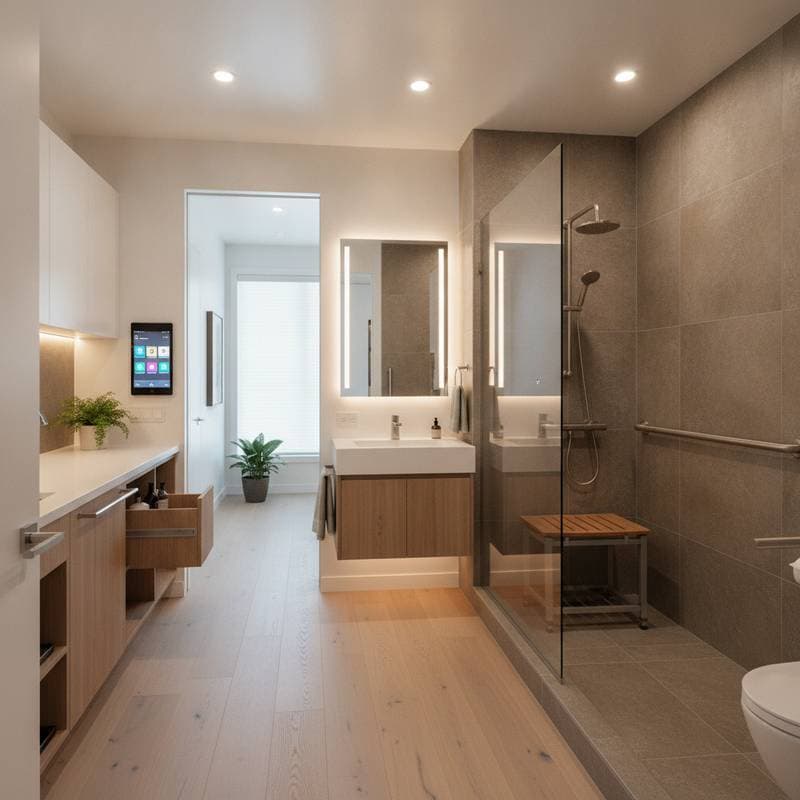
Curbless Showers for Seamless Access
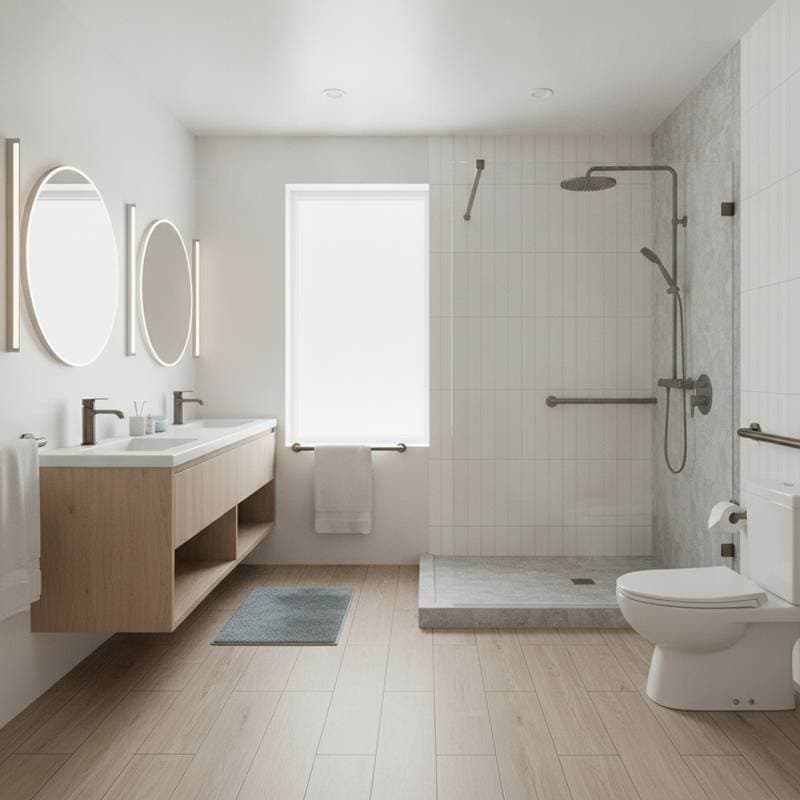
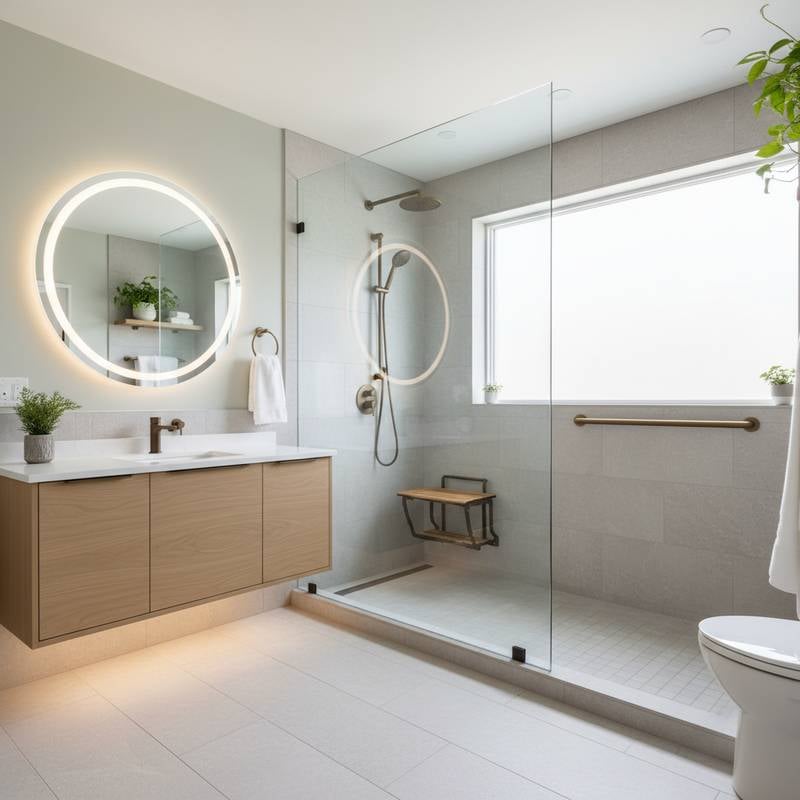
A curbless shower eliminates the traditional step-up barrier, creating a flush entry that integrates smoothly with the bathroom floor.
Why it works:
This design reduces tripping risks and eases movement for individuals with mobility challenges, while promoting a spacious, modern aesthetic.
Pairing suggestions:
- Install with slip-resistant tiles in a subtle pattern to enhance grip without visual disruption.
- Pair with a handheld showerhead on an adjustable rail for versatile positioning.
- Ensure proper waterproofing and drainage slopes during installation to prevent water buildup.
ROI insight:
Homebuyers value this feature for its universal appeal, often increasing property desirability in competitive markets.
Grab Bars That Integrate Seamlessly
Modern grab bars mimic the style of towel racks and shelves, providing support without detracting from the room's elegance.
Why it works:
Positioned near toilets, within showers, and along pathways, these bars offer discreet assistance that enhances confidence during use.
Pairing suggestions:
- Opt for finishes like brushed nickel or matte black to align with existing hardware.
- Select curved designs that complement towel bar contours for a cohesive look.
- Reinforce underlying walls with blocking during the remodel phase for secure anchoring.
ROI insight:
Functional yet stylish safety elements appeal to multigenerational households, signaling thoughtful construction to prospective buyers.
Touchless Fixtures for Effortless Operation
Touchless faucets and soap dispensers activate via sensors, minimizing contact and physical strain.
Why it works:
These fixtures promote hygiene and independence, particularly for those with limited dexterity, while conserving water through precise flow control.
Pairing suggestions:
- Integrate with comfort-height vanities to maintain ergonomic access.
- Choose models with customizable sensitivity settings for varied user preferences.
- Combine with antimicrobial surfaces on surrounding counters for added cleanliness.
ROI insight:
Energy- and water-saving technology attracts eco-conscious buyers, contributing to lower utility costs and higher home efficiency ratings.
Comfort-Height Toilets
Comfort-height toilets raise the seat 17 to 19 inches from the floor, compared to standard 15-inch models, aiding easier transitions.
Why it works:
This elevation supports joint health and mobility for seniors and taller individuals alike, reducing fatigue during prolonged use.
**Pairing suggestions:**n- Select elongated bowl shapes for enhanced seating comfort.
- Coordinate finishes with vanity hardware for visual unity.
- Add a soft-close lid mechanism to minimize noise and wear over time.
ROI insight:
Such upgrades deliver broad accessibility benefits without major layout changes, making them a cost-effective choice for enduring value.
Improved Lighting and Visibility
Layered lighting systems combine overhead, task, and ambient sources to illuminate key areas effectively.
Why it works:
Adequate illumination prevents accidents by highlighting pathways and fixtures, while dimmable options accommodate shifting visual needs and moods.
Pairing suggestions:
- Layer with recessed ceiling lights, vanity sconces, and under-cabinet strips.
- Install LED bulbs for longevity and reduced energy consumption.
- Incorporate motion-activated nightlights to guide safe passage in low light.
ROI insight:
Efficient lighting enhances usability and appeals to buyers focused on sustainability, often qualifying for energy rebates.
Smart Storage Solutions
Pull-out shelves, open shelving units, and ergonomic handles optimize access to essentials without excessive bending or stretching.
Why it works:
Strategic organization streamlines routines, fosters autonomy, and maintains a clutter-free environment that feels serene.
Pairing suggestions:
- Employ color contrasts between cabinetry and surfaces for better orientation.
- Add integrated under-cabinet lighting to illuminate contents.
- Mix shallow drawers for toiletries with deeper ones for linens to suit varied storage needs.
ROI insight:
Well-planned storage elevates the perception of a tailored space, boosting functionality and buyer satisfaction.
Neutral, Timeless Finishes
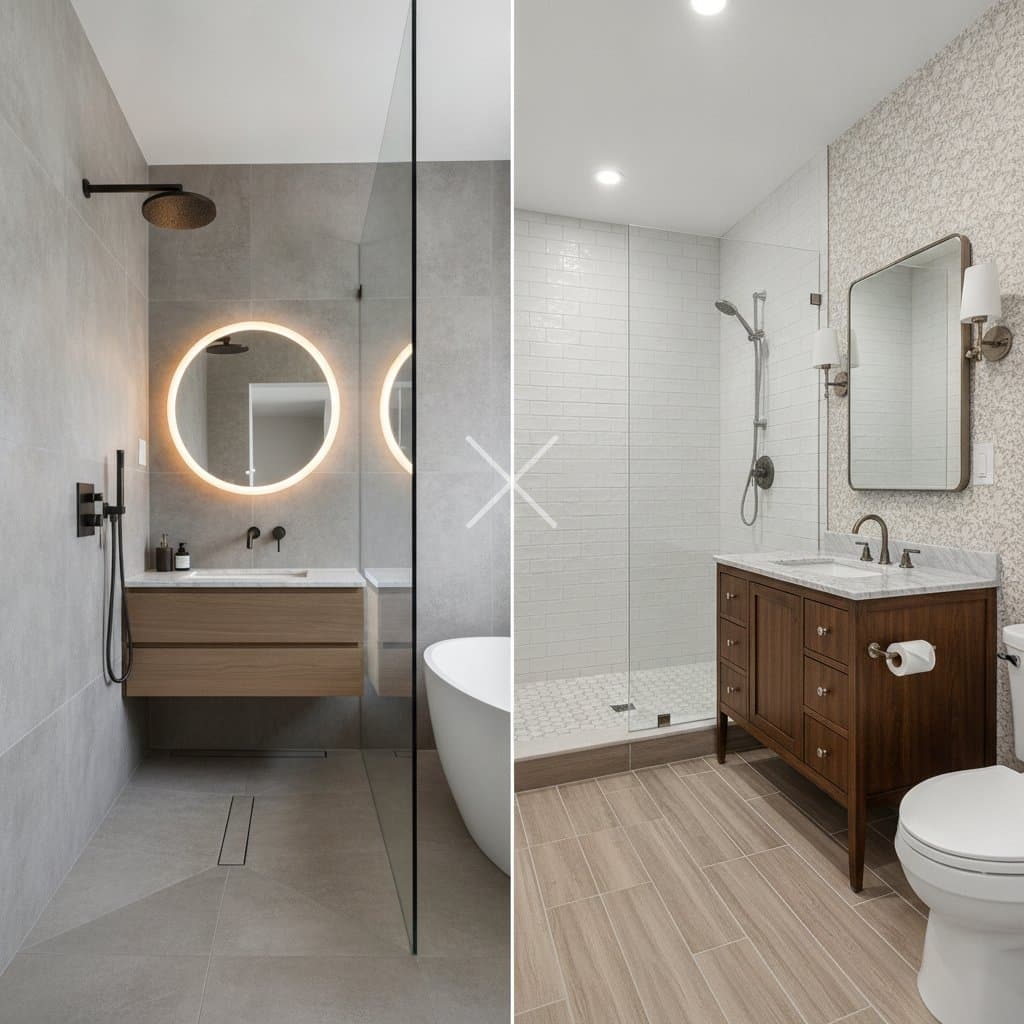
Neutral palettes and natural materials establish a soothing, enduring backdrop that avoids dated trends.
Why it works:
Light-reflective hues expand perceived space, while textures like stone or wood add warmth without overwhelming the senses.
Pairing suggestions:
- Blend matte surfaces with restrained metallic highlights for subtle interest.
- Balance cooler tile shades with warm-toned bulbs for harmonious lighting.
- Specify durable quartz countertops that resist stains and scratches.
ROI insight:
Versatile finishes broaden market appeal, safeguarding investment by accommodating diverse tastes over time.
Common Questions About Aging-in-Place Bathroom Design
How do I select colors for an accessible bathroom?
Opt for light to medium shades that enhance light reflection and provide clear contrasts among walls, floors, and fixtures. These choices aid depth perception and simplify orientation for all users.
Does accessibility compromise visual appeal?
Modern designs incorporate concealed supports, embedded lighting, and matching elements that appear refined and purposeful, preserving an upscale feel.
Should I remodel proactively or wait for necessity?
Initiate changes early to enjoy benefits immediately and avoid hasty adaptations later. This approach distributes expenses and builds in scalability for evolving requirements.
Can an accessible bathroom elevate home value?
Absolutely. With growing demand for lifelong livability, a thoughtfully executed bathroom positions the property as a forward-thinking asset.
Plan Your Upgrade Strategically
Aging-in-place design emphasizes proactive adaptation and enduring beauty. Prioritize features that address current habits while preparing for potential shifts, ensuring every element supports well-being.
Assess your space to pinpoint immediate priorities, such as entry access or lighting placement. Collaborate with an experienced contractor specializing in accessibility to align aesthetics, compliance, and performance.
The outcome extends beyond convenience: it fortifies independence, instills security, and amplifies your home's market position for years ahead.