Introduction to Prefab ADUs
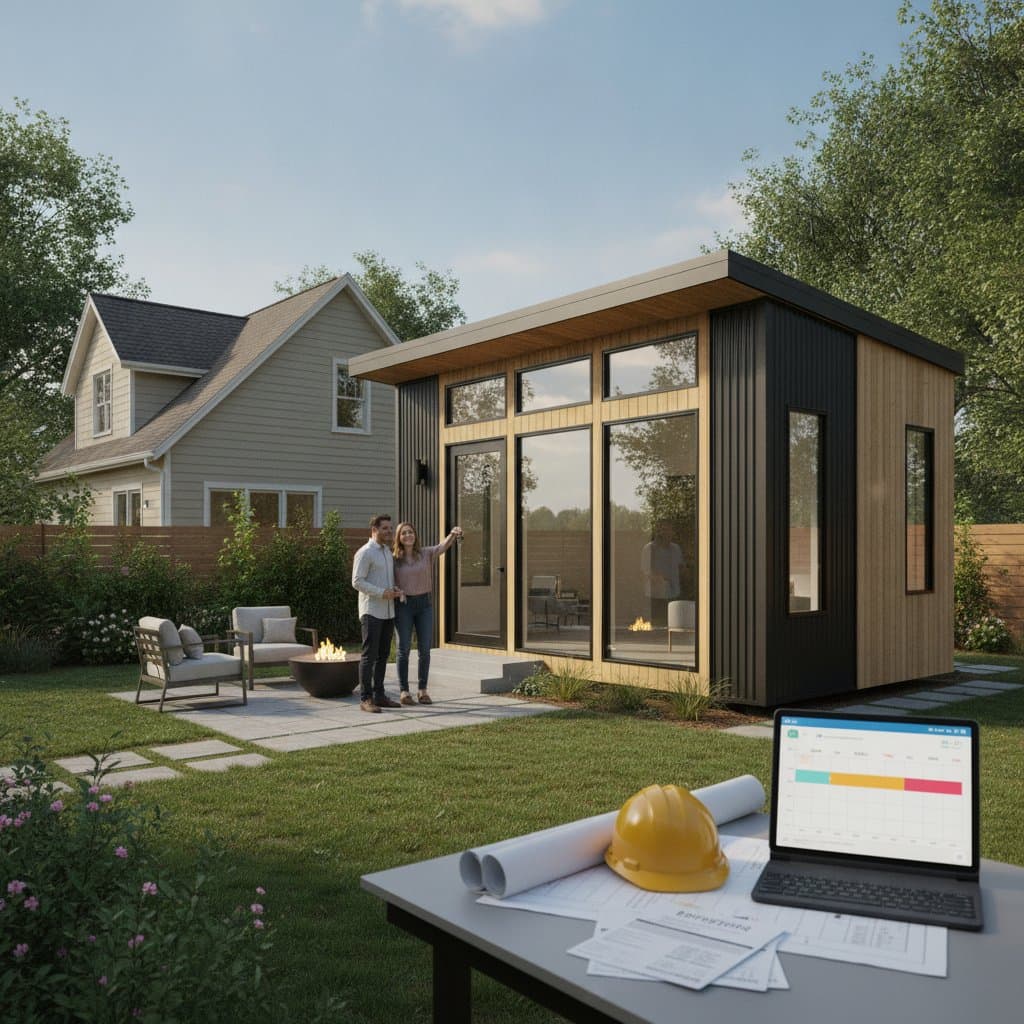
Prefab accessory dwelling units represent a modern solution for expanding living space on existing properties. These factory-built structures arrive nearly complete, requiring minimal on-site assembly. Homeowners choose prefab ADUs for their efficiency, as they reduce construction disruptions and deliver predictable outcomes.
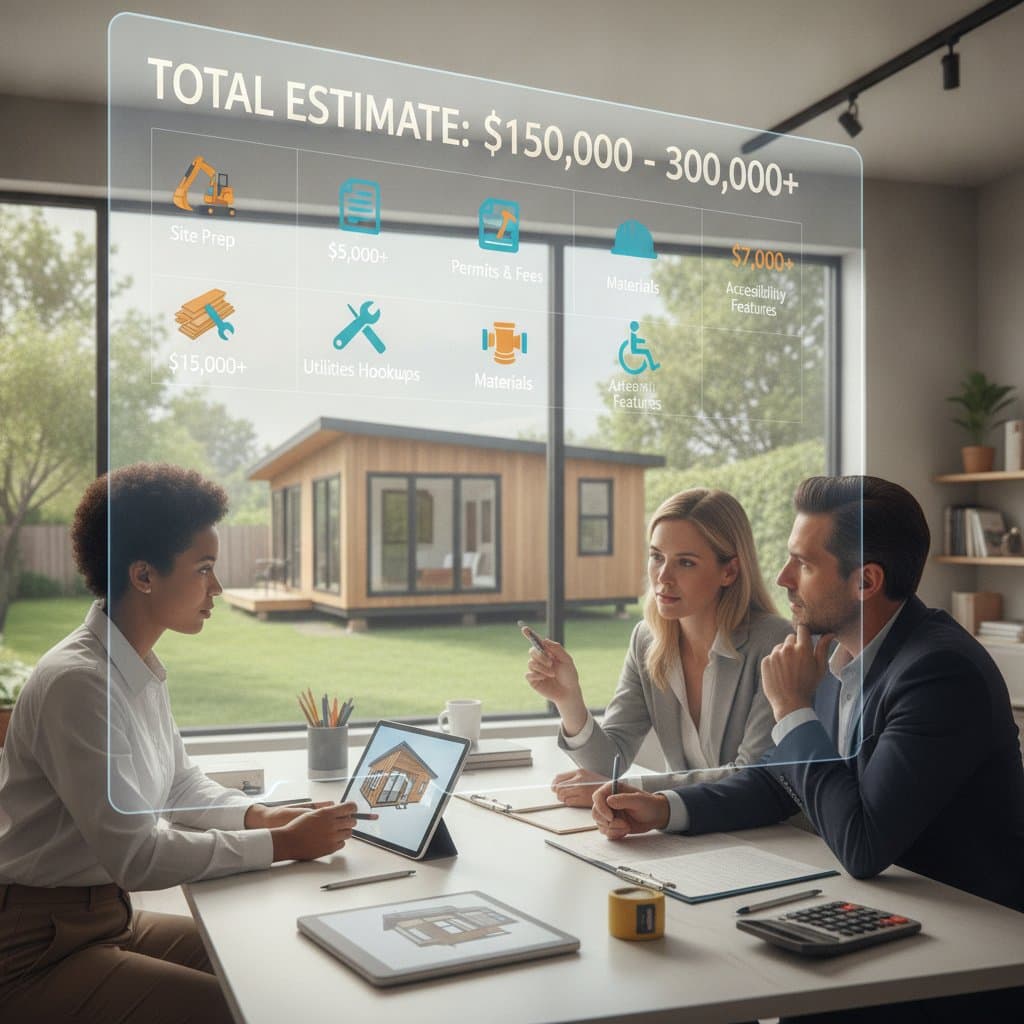
The average cost sits at $220,000, with prices spanning $100,000 to $400,000 based on specifications. This range reflects variations in size, material quality, and installation demands. Beyond affordability, prefab ADUs enhance property value and provide flexible options for aging in place or generating rental income.
Breaking Down the Costs
Several factors influence the final price of a prefab ADU. Size plays a primary role; a compact 400-square-foot unit starts around $100,000, while larger 1,000-square-foot models approach $400,000. Finishes contribute significantly, as basic interiors keep expenses low, whereas custom cabinetry or high-end appliances add thousands.
Site conditions also affect budgeting. Flat, accessible lots simplify installation and lower foundation costs, which typically range from $20,000 to $50,000. Challenging terrain may require additional engineering, increasing expenses by 10 to 20 percent.
Additional outlays include permits, often $5,000 to $15,000 depending on local regulations, and utility connections. Electrical and plumbing hookups average $10,000 to $30,000, covering trenching and metering. Professional surveys ensure compliance, adding $1,000 to $3,000 but preventing costly revisions.
Timelines: From Concept to Completion
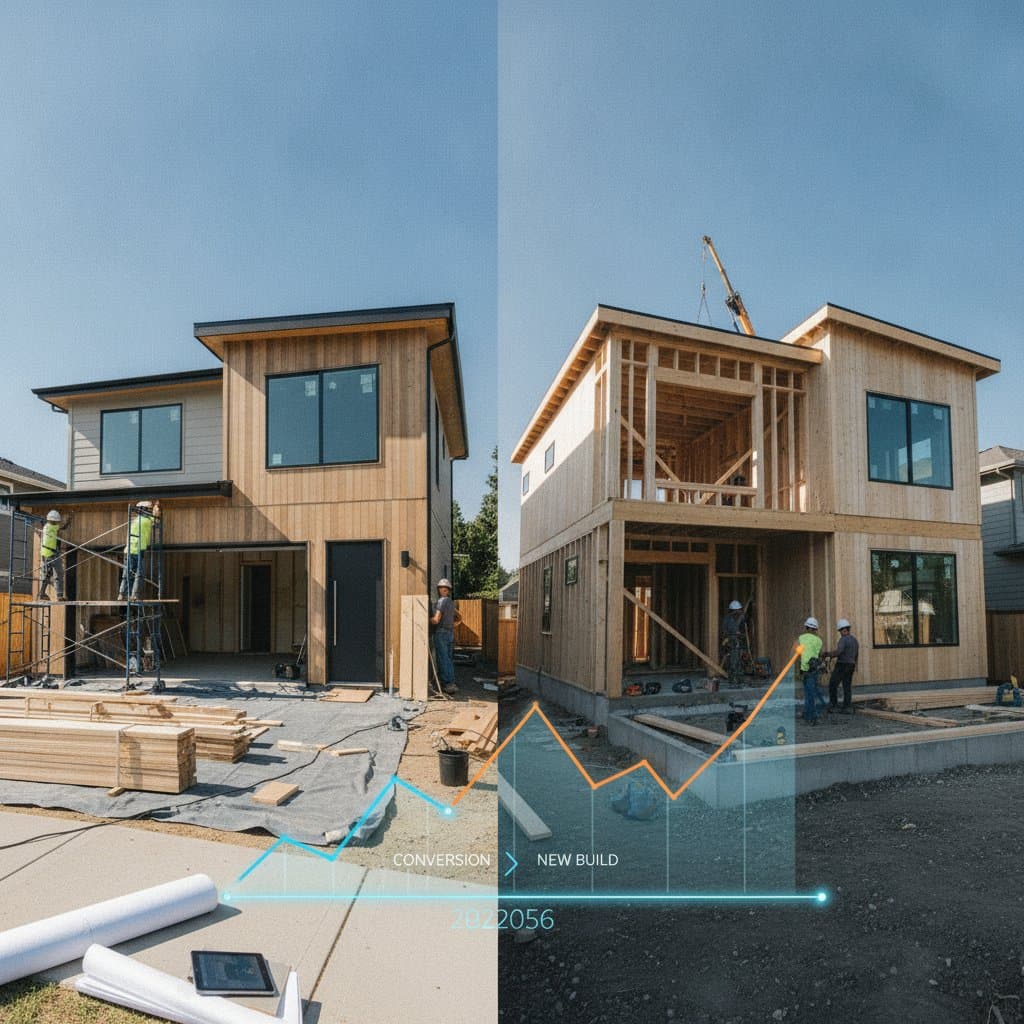
Traditional ADU construction often spans six to twelve months, involving weather delays and supply chain issues. Prefab models cut this period in half, achieving completion in three to six months. Factory production handles 70 to 80 percent of the work indoors, shielding the project from external variables.
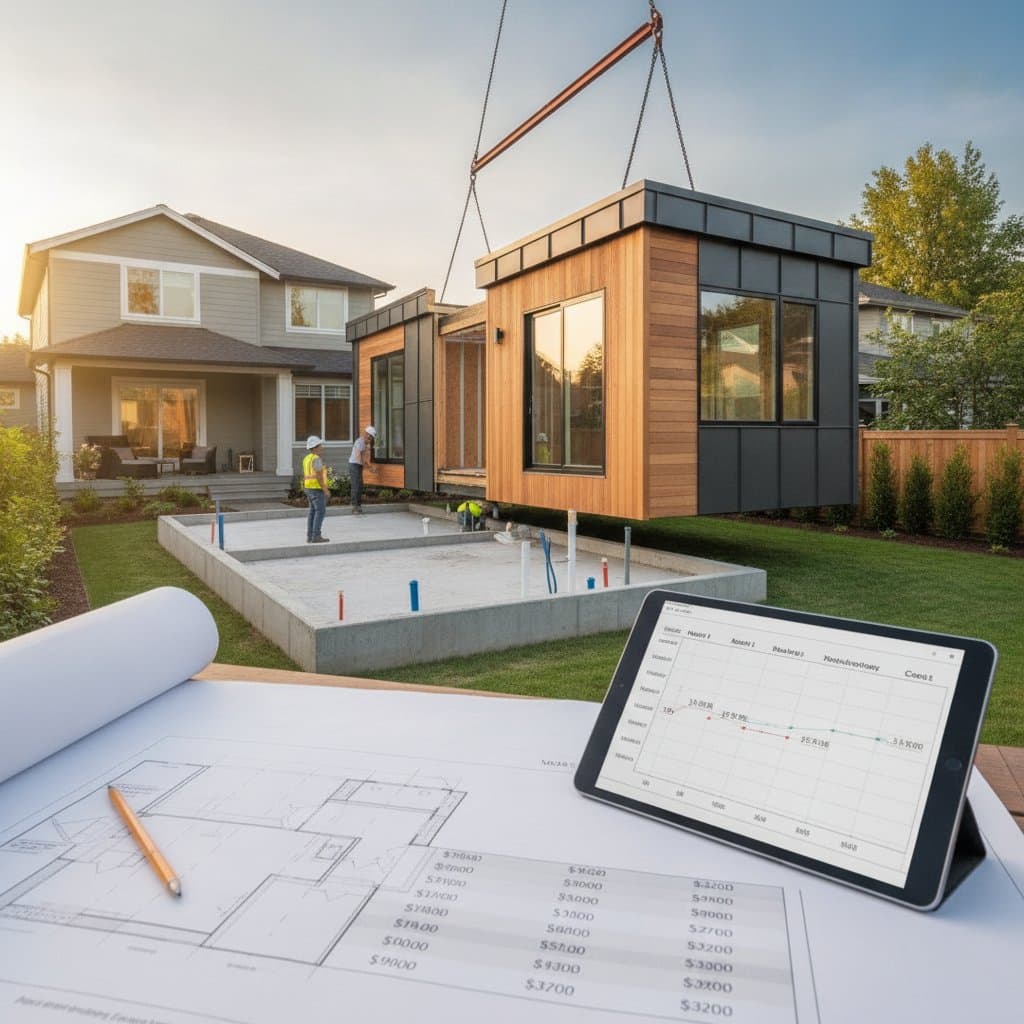
On-site phases focus on foundation preparation and module delivery. Expect one to two weeks for site work, followed by a swift assembly of one to three days for the main structure. Finishing touches, such as interior painting and landscaping, require another two to four weeks.
This accelerated timeline minimizes labor costs, which account for 30 percent of traditional builds but drop to 15 percent in prefab scenarios. Coordination with contractors remains essential to align deliveries and inspections seamlessly.
Key Budgeting Strategies
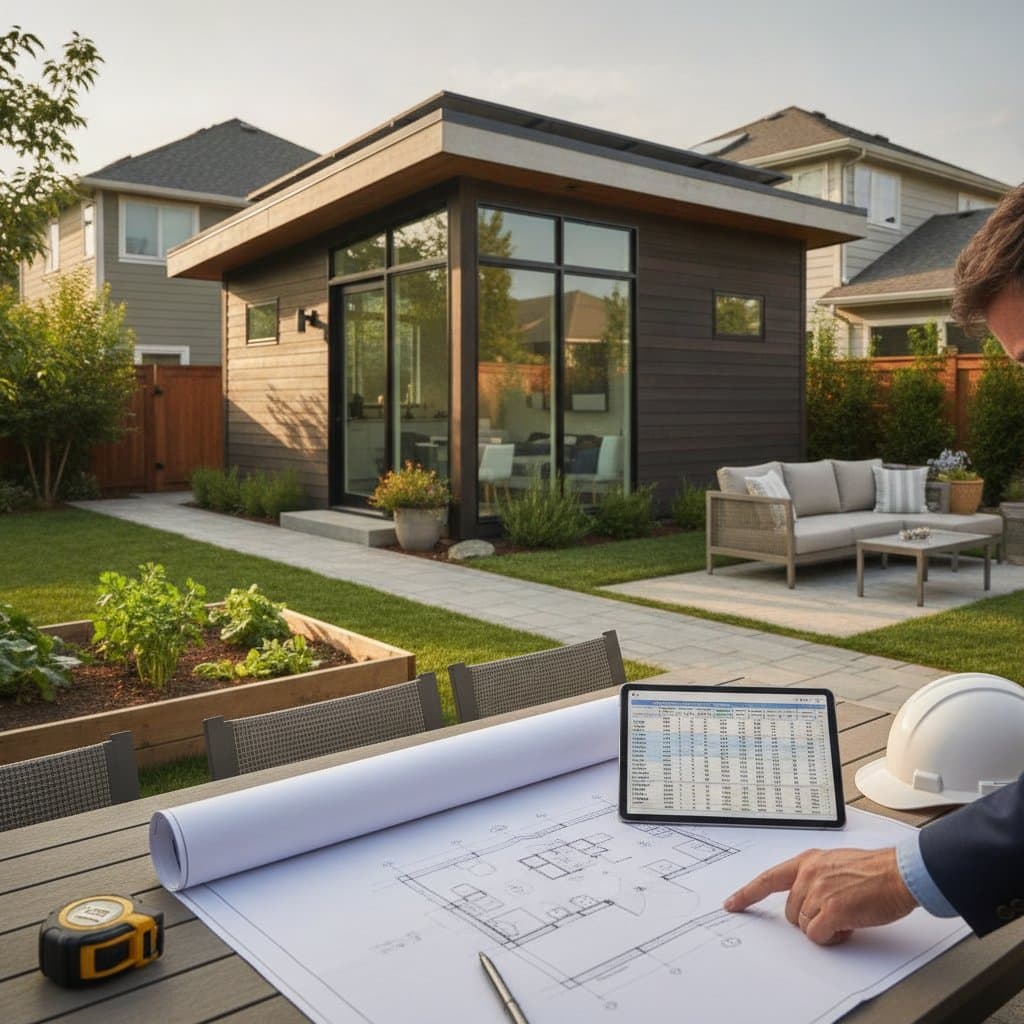
Effective budgeting begins with a detailed cost estimator tailored to your location and needs. Research local zoning laws early to identify permit fees and size restrictions. Allocate 10 to 15 percent of the budget for contingencies, covering unexpected site challenges or material price fluctuations.
Select modular designs that prioritize energy efficiency, such as insulated panels, to reduce long-term utility bills by up to 30 percent. Opt for standard sizes and finishes to avoid premium surcharges; for instance, choosing stock windows over custom ones saves $5,000 or more.
Engage a project manager or architect specializing in prefabs to oversee bids and timelines. Their expertise often yields 5 to 10 percent savings through vendor negotiations and efficient resource allocation.
Steps to Plan Your Prefab ADU Project
Start by assessing your property's potential. Conduct a feasibility study to evaluate space availability, soil quality, and access routes. Consult municipal planners to confirm allowable placements, such as setbacks from property lines.
Next, define your objectives. Determine if the ADU serves as a guest suite, home office, or rental unit. This guides size and feature selections, ensuring alignment with lifestyle needs and financial goals.
- Gather quotes from multiple prefab manufacturers, comparing warranties and customization options.
- Secure financing, exploring home equity loans or construction-specific programs that favor efficient builds.
- Schedule professional installation, verifying contractor licenses and prefab compatibility.
- Monitor progress with regular site visits and documentation for warranty claims.
Final inspections verify code compliance, paving the way for occupancy.
Realizing Long-Term Benefits
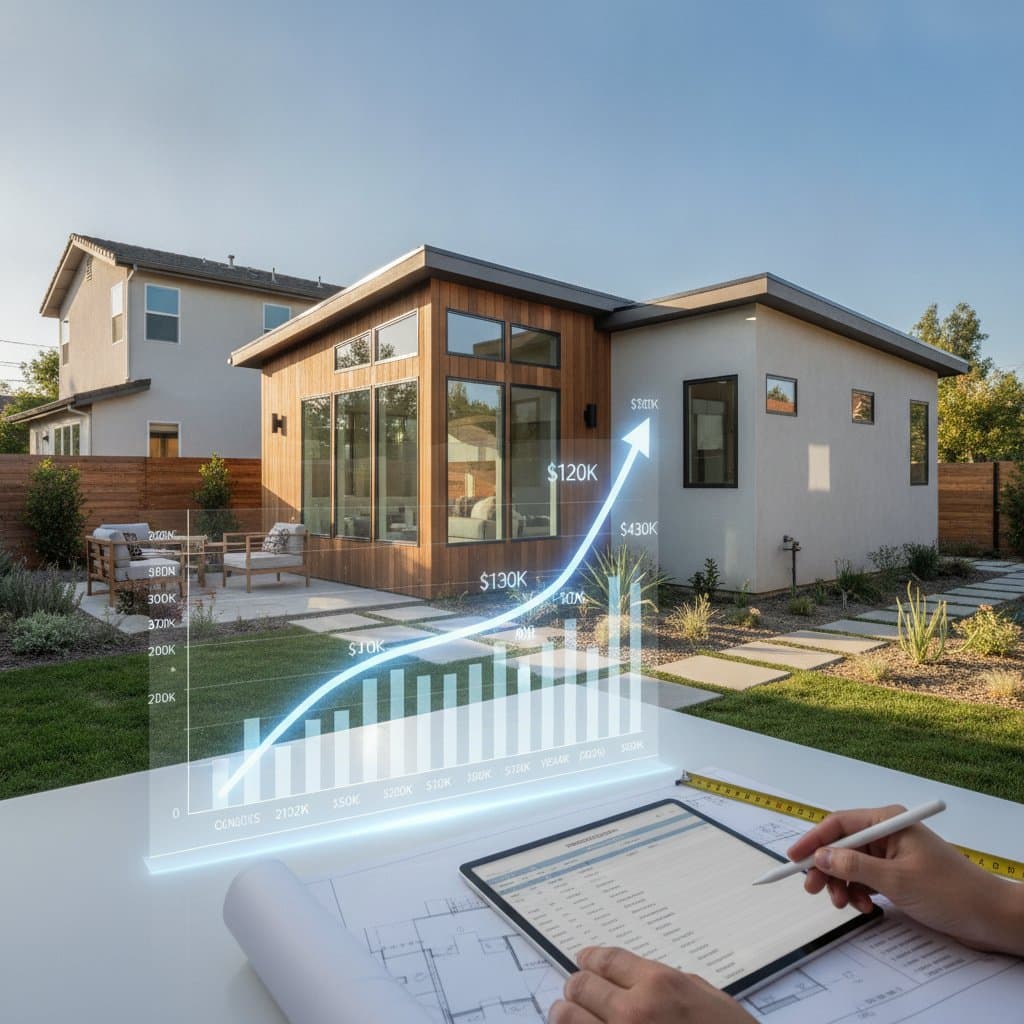
Investing in a prefab ADU extends beyond initial savings. These units boost property appraisals by 20 to 50 percent, depending on market conditions. Rental potential generates steady income, with average monthly yields of $1,500 to $3,000 in urban areas.
Sustainability features, like solar-ready roofs, lower environmental impact and qualify for tax incentives. Flexible designs allow future adaptations, such as converting a studio into a multi-room layout.
Ultimately, prefab ADUs deliver enduring value through reduced maintenance and enhanced livability. Homeowners gain peace of mind from a streamlined process that prioritizes quality and efficiency.