Planning Your ADU: Essential Cost Insights for 2026
Building an accessory dwelling unit, commonly known as a granny flat, represents a strategic investment that enhances property value, provides flexible living space, and generates potential income. Homeowners often use ADUs for accommodating family members, creating rental opportunities, or establishing a dedicated home office. A thorough understanding of costs enables precise budgeting and prevents unexpected expenses during the project.
This comprehensive guide details the components of ADU pricing, including design, permits, construction, and final finishes. Readers gain insights into budgeting strategies, the benefits of professional involvement, and decisions that affect overall expenses and future returns.
Key Factors in ADU and Granny Flat Pricing
Prices for accessory dwelling units fluctuate based on size, design preferences, and geographic location. For instance, converting an existing garage tends to cost less than constructing a new detached structure in the backyard, yet both demand careful planning, regulatory approvals, and expert craftsmanship.
Typical Cost Ranges:
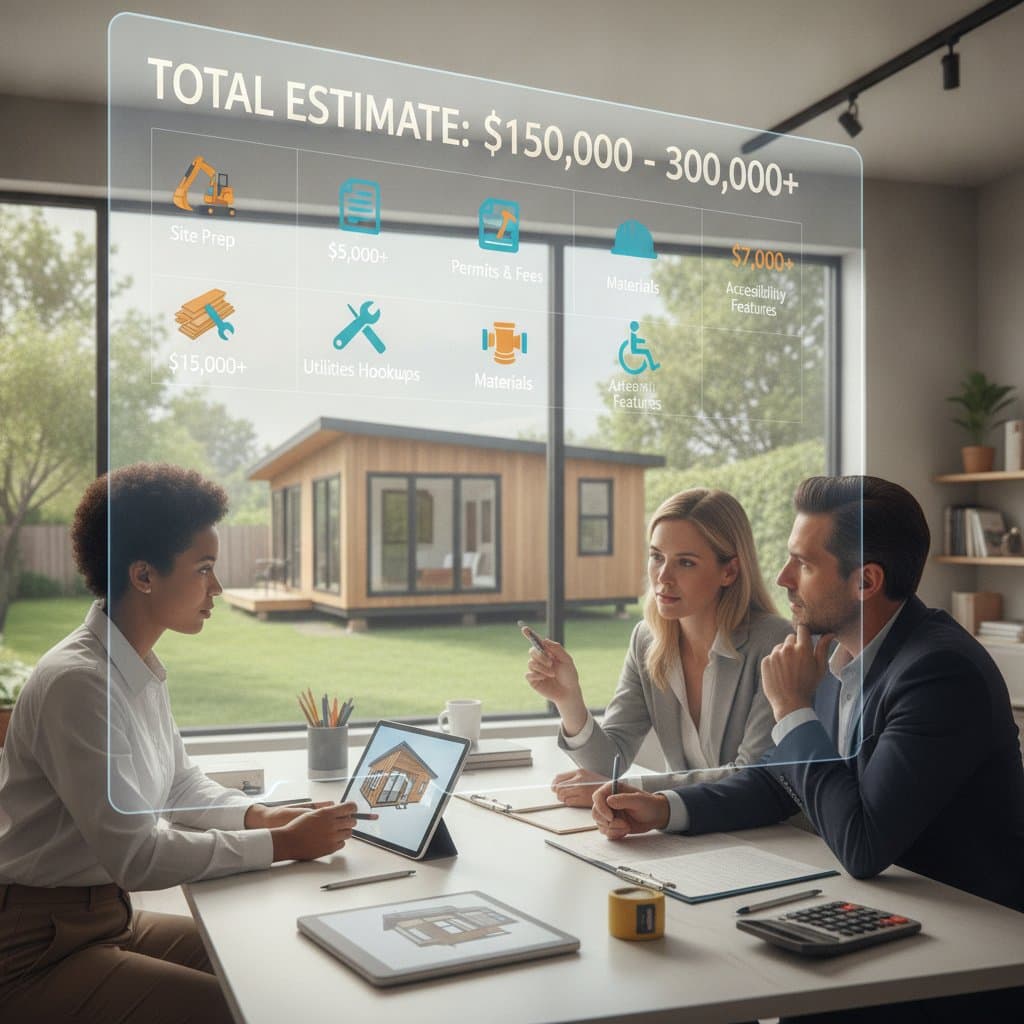
Homeowners generally allocate between $150,000 and $350,000 for a complete ADU construction. Detached models featuring premium finishes or requiring extensive site preparation may escalate to $400,000 or $500,000. In contrast, straightforward conversions often fall within $90,000 to $200,000.
Impact of Size and Configuration
Construction costs per square foot typically range from $350 to $600. Larger ADUs provide economies of scale, as fixed costs like permitting and architectural fees do not increase proportionally with size.
Studios or one-bedroom units measuring 400 to 600 square feet prove popular among builders and buyers. Incorporating a second bedroom elevates material and labor demands but improves rental appeal and contributes to higher property resale values.
Balancing DIY Efforts with Professional Expertise
Certain homeowners undertake portions of the project independently, particularly those with backgrounds in woodworking or interior detailing. Alternatively, many opt for a design-build firm that oversees every phase from concept to completion.
Suitable Tasks for DIY Approaches
- Applying paint, developing landscaping elements, and installing basic trim
- Selecting and arranging interior decor or fixtures
- Constructing minor additions such as decks or patios
Executing these elements properly can reduce expenses by thousands of dollars while maintaining project integrity.
Essential Areas for Professional Involvement
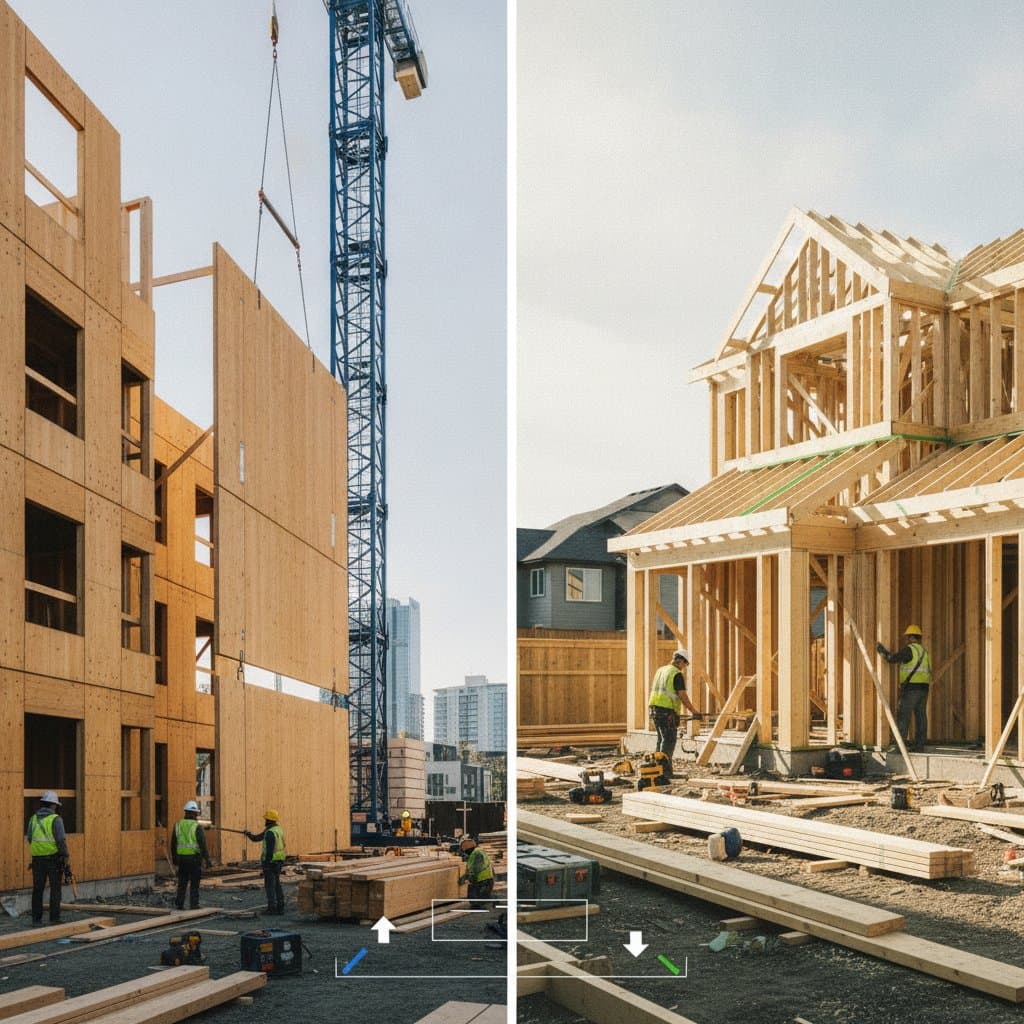
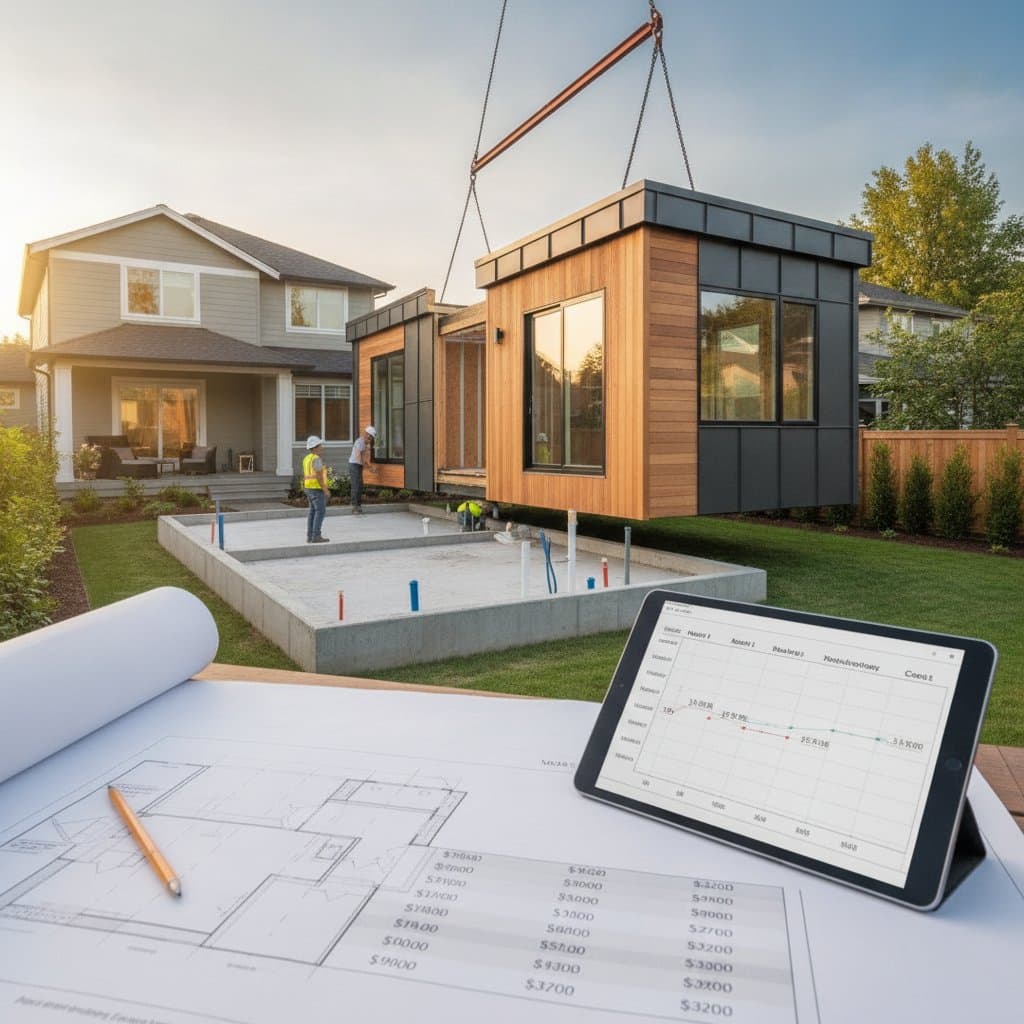
- Erecting structural frames, installing roofs, and pouring foundations
- Integrating electrical systems, plumbing lines, and heating, ventilation, and air conditioning units
- Ensuring adherence to building codes and navigating inspections
Errors in these critical domains risk compromising safety or resulting in inspection failures. Engaging a licensed professional guarantees compliance with local standards and facilitates seamless project approval.
Strategies to Enhance Return on Investment and Property Value
Well-planned granny flats and ADUs deliver substantial financial and practical benefits when executed with foresight.
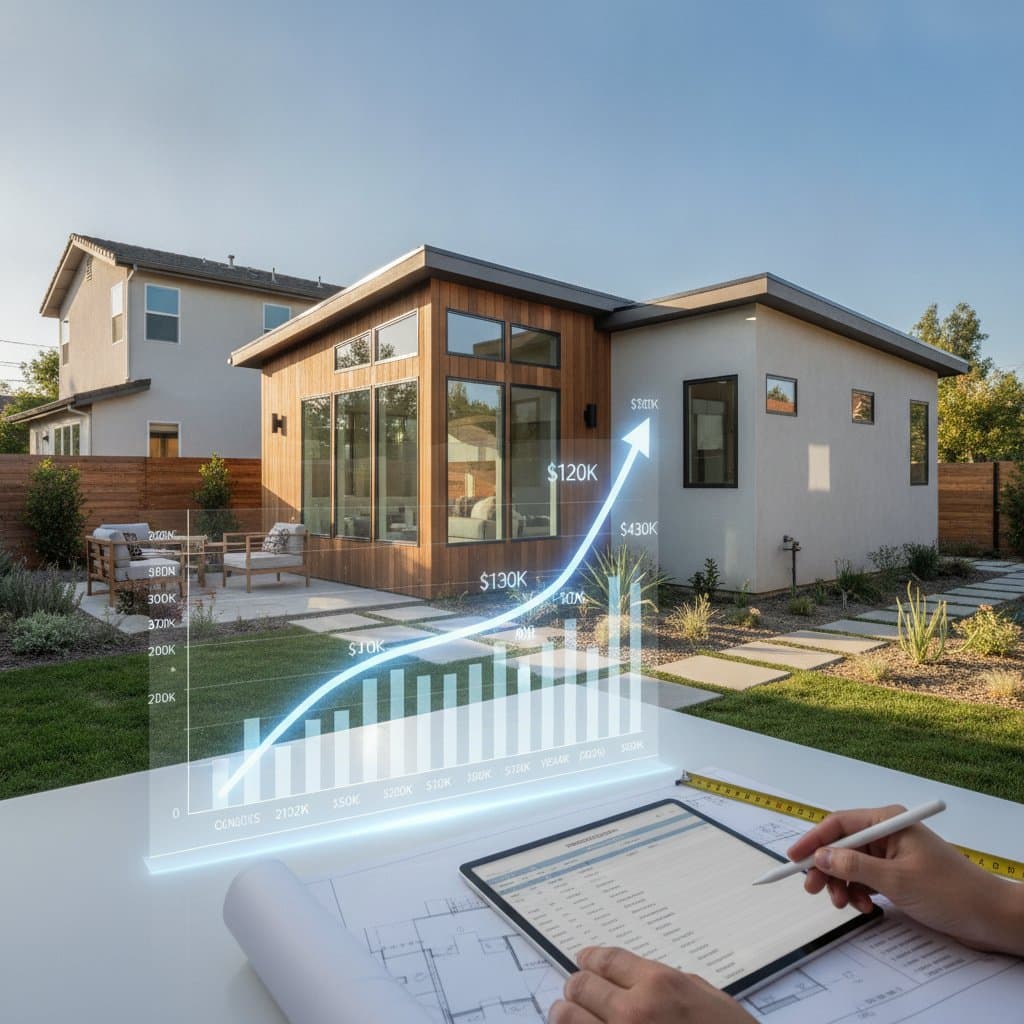
- Rental Revenue Potential: Owners frequently secure monthly rents of $1,500 to $3,000, influenced by market location and unit dimensions.
- Appreciation in Property Worth: A compliant ADU addition can elevate overall property value by 20 to 35 percent.
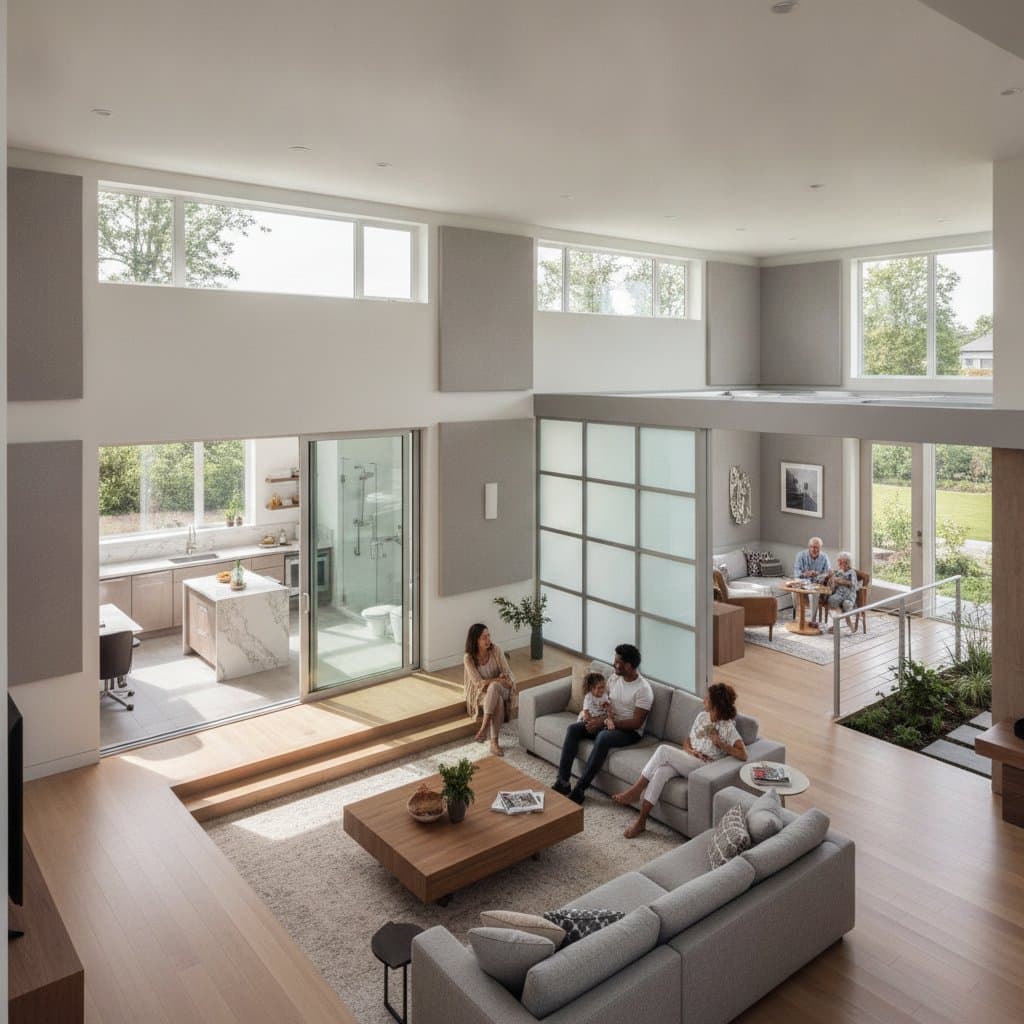
- Versatile Family Use: The space accommodates aging relatives or serves as an inviting guest area, providing enduring utility beyond monetary gains.
To optimize returns, focus on durable construction and functional aesthetics rather than extravagant features that fail to justify added costs through increased income or market appeal.
Selecting a Reliable ADU Contractor
Partnering with a seasoned construction firm streamlines the process from initial permitting to final walkthrough. Prioritize builders with specialized ADU experience and deep knowledge of regional regulations.
Guidelines for Contractor Evaluation:
- Confirm possession of valid licenses, comprehensive insurance, and verifiable client references.
- Examine portfolios of completed ADU initiatives to assess workmanship and aesthetic alignment.
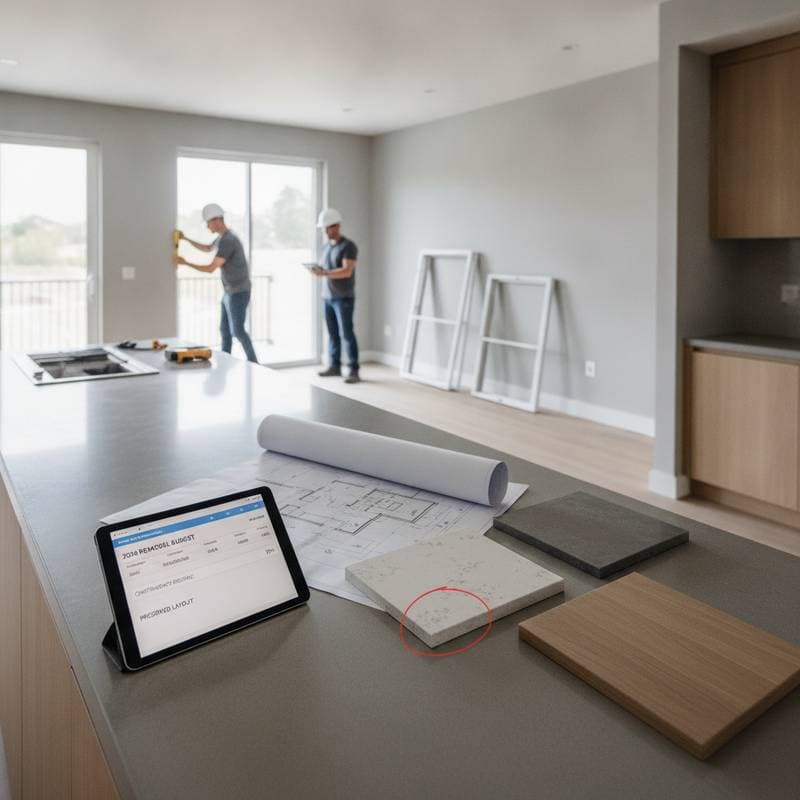
- Obtain a comprehensive, itemized written proposal outlining all anticipated expenses.
- Inquire about projected timelines, potential delays, and post-completion warranties.
Reputable contractors communicate transparently about cost breakdowns, offering realistic projections for duration and financial commitments.
Frequently Asked Questions on ADU Expenses
How much time does ADU construction typically require? Projects span six to twelve months, varying with site challenges and approval processes.
Do prefabricated ADUs offer savings over traditional custom constructions? Modular options reduce expenses by 10 to 20 percent, although delivery and base preparation contribute additional costs.
Is it necessary to install independent utilities for an ADU? Shared infrastructure suffices in many cases, but dedicated metering simplifies tenancy oversight. Consult local codes to inform design choices.
Can homeowners finance ADUs through home equity options? Affirmative; equity loans or specialized renovation financing prove viable, as lenders recognize the asset's positive impact on resale and revenue generation.
Which foundation type suits most ADU projects? Slab foundations work well on level ground, whereas elevated or pier systems address sloped sites. Contractors assess terrain to propose the most reliable and economical solution.
Steps to Launch Your ADU Project Successfully
Embark on your ADU endeavor by conducting a site evaluation and consulting local zoning experts early. Develop a detailed budget that incorporates a 10 to 15 percent contingency for unforeseen adjustments. Secure financing and select your contractor promptly to align with 2026 market conditions, ensuring a seamless path to enhanced property functionality and value.