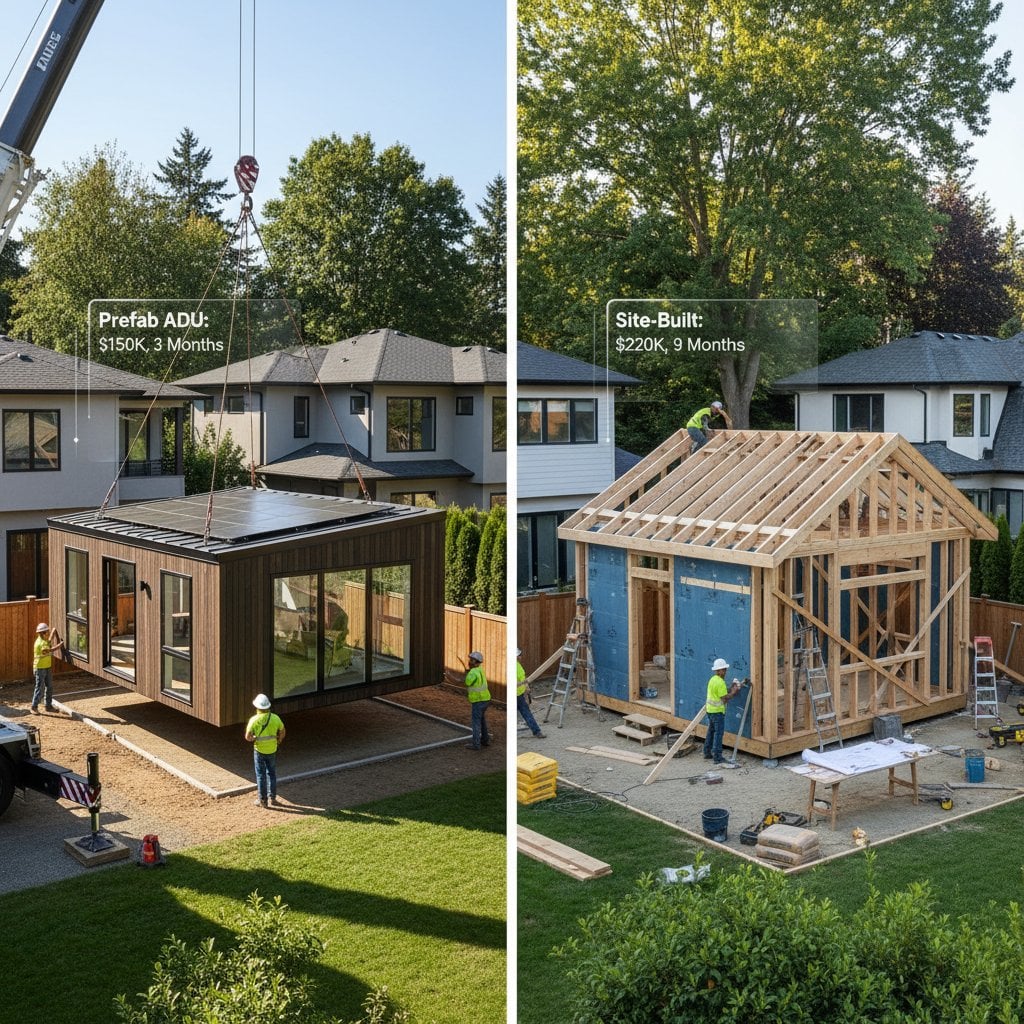
2026 Prefab ADU Costs Versus Site Built: Key Differences
Accessory dwelling units, or ADUs, provide a practical way to add living space, generate rental income, or accommodate family members. Builders construct these units through two primary methods. Prefab units arrive from a factory. Site built units rise entirely on the property. This guide explains differences in costs, timelines, and construction processes.
Cost and Time Estimates
Typical Cost Ranges
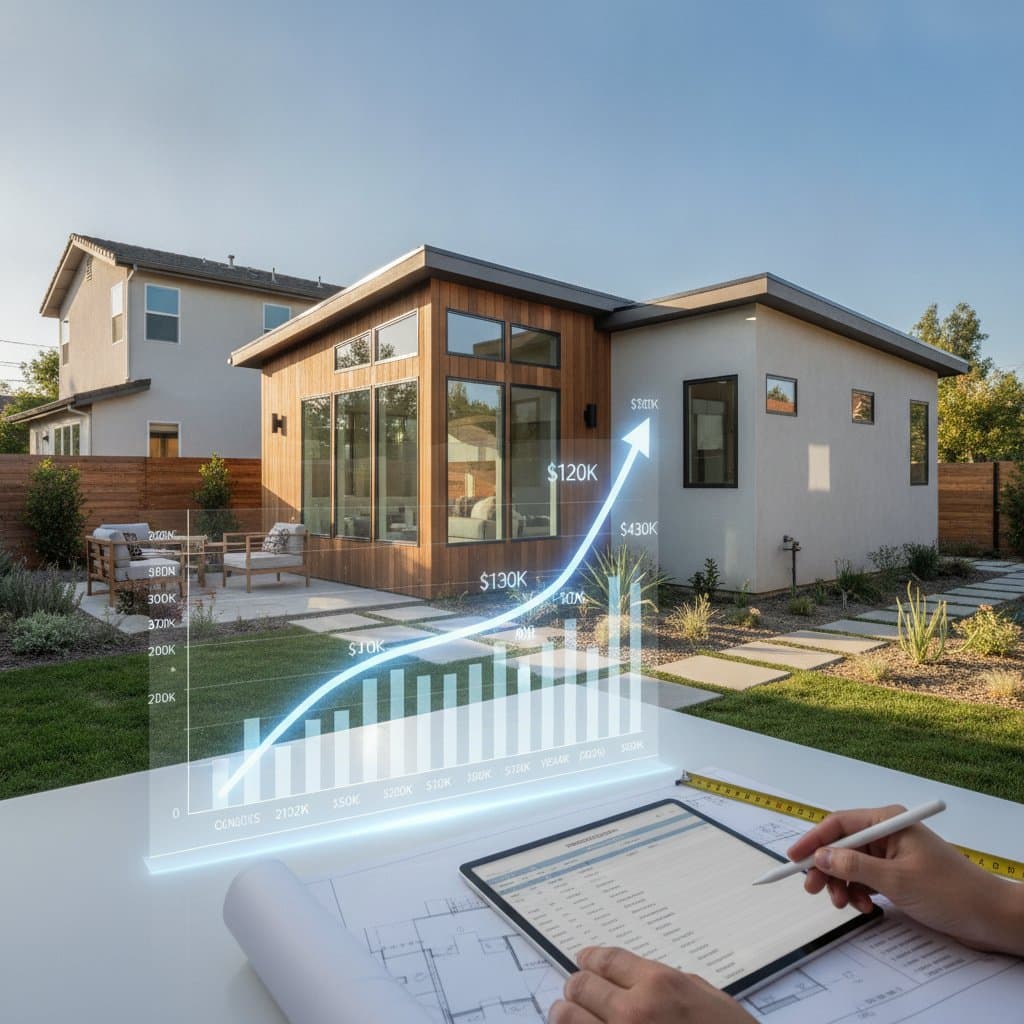
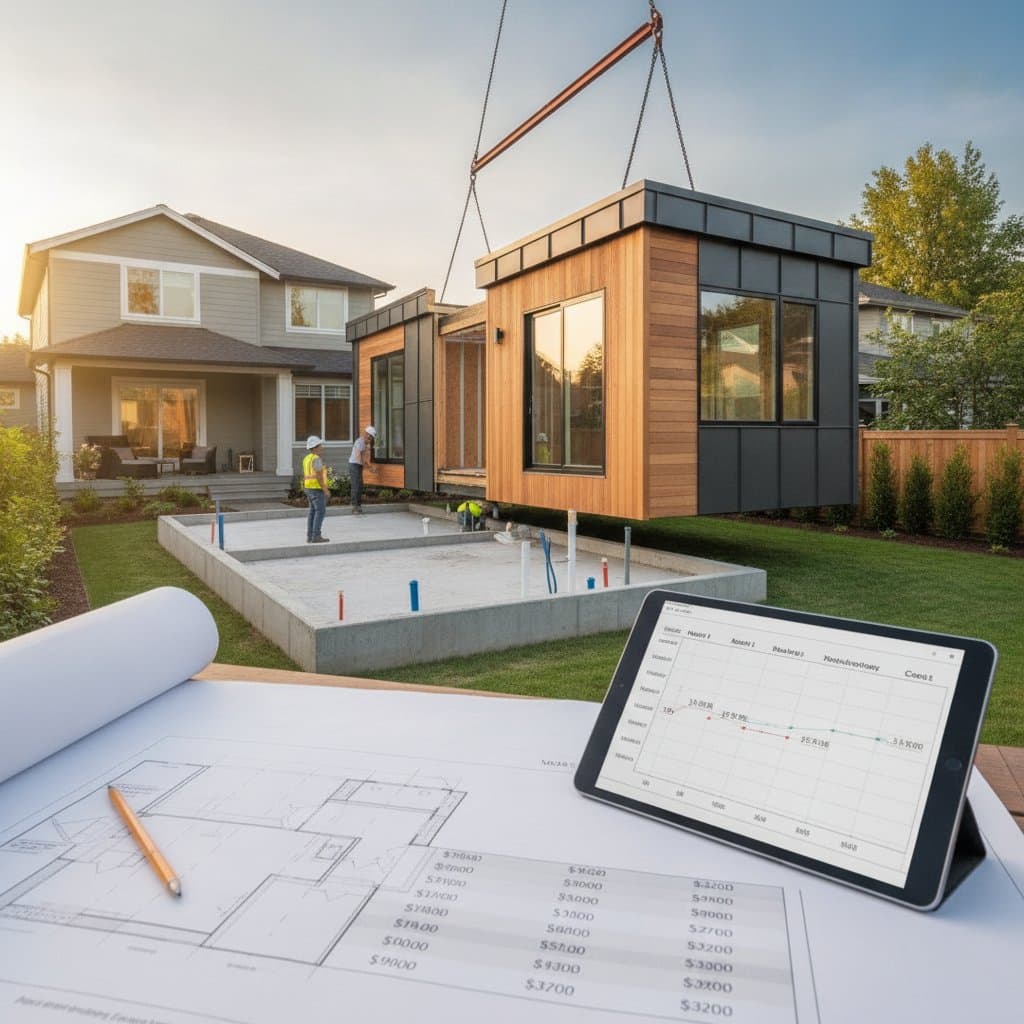
Prefab ADUs range from 180000 dollars to 280000 dollars for a one bedroom unit of 400 to 600 square feet. Costs per square foot fall between 300 dollars and 450 dollars. These figures cover factory fabrication, transport, and basic installation. Homeowners must add expenses for foundation work, utility hookups, crane placement, and site preparation.
Site built ADUs range from 250000 dollars to 400000 dollars for a similar size and layout. Costs per square foot run from 400 dollars to 650 dollars. These figures include full custom construction, materials, and labor. Additional expenses cover permits, design fees, grading, and extended construction periods.
Timeframe
Prefab ADUs require two to three months for factory production followed by one to two months for site preparation and installation. Site built ADUs take six to twelve months from design through completion. Weather, labor availability, and inspection schedules influence the longer timeline.
Difficulty Rating
Prefab ADUs present moderate difficulty. Manufacturers and contractors manage most tasks. Site built ADUs demand advanced project management, coordination of multiple trades, and repeated inspections.
Step by Step Process for Site Built ADU Construction
- Design and Planning. Hire an architect to create plans. Review zoning limits, height restrictions, and setback rules. Secure approval from the building department.
- Permitting. Submit structural, electrical, and plumbing drawings. Obtain all required permits.
- Site Preparation. Clear vegetation, grade the land, and install temporary utilities. Confirm the site is ready for foundation work.
- Foundation Construction. Pour a slab or build a stem wall. Set anchor bolts for framing. Pass foundation inspection.
- Framing. Build walls, floors, and roof structure. Verify that all framing remains square and level.
- Rough Ins. Install electrical, plumbing, and HVAC systems. Complete rough in inspections before drywall installation.
- Insulation and Drywall. Install insulation to meet energy code. Hang drywall and tape seams. Prepare walls for paint.
- Finishes. Apply paint, install flooring, cabinets, and fixtures. Confirm that interior spaces and systems operate correctly.
Troubleshooting and Quality Checks
Common Issues with Prefab ADUs
Uneven foundations cause modules to misalign. Use a laser level before delivery. Water leaks appear at seams. Apply proper flashing and sealant at module joints. Transport damage occurs during delivery. Inspect all modules upon arrival for cracks or dents.
Common Issues with Site Built ADUs
Weather delays affect framing. Protect open structures with tarps until roofing is complete. Incorrect grading leads to moisture problems. Confirm that slopes direct water away from the structure. Failed inspections occur when requirements are overlooked. Review code details before scheduling each inspection.
Quality Checks
Walls must remain plumb and level. Rooflines must stay straight and watertight. All outlets, fixtures, and appliances must function before final sign off.
Maintenance and Lifespan
Prefab ADU
Expected lifespan reaches 40 to 60 years with proper care. Inspect roof seals and siding annually. Repaint every eight to ten years. Check foundation bolts and weather seals after extreme temperature changes.
Site Built ADU
Expected lifespan reaches 60 to 100 years depending on materials and climate. Clean gutters twice each year. Check caulking and maintain HVAC filters. Re seal windows and doors every few years to prevent leaks.
Comparing Long Term Value
Prefab ADUs cost less upfront and finish faster, yet customization remains limited. Site built ADUs deliver full design control and higher resale value, yet they require larger budgets and longer timelines. Energy efficiency reaches similar levels when both types use modern insulation, double pane windows, and efficient HVAC systems.
Factory conditions produce predictable quality in prefab units. Site built quality depends more on local weather and crew performance. Both approaches perform well over time when maintained properly.
FAQ
What is the main cost difference between prefab and site built ADUs? Prefab ADUs cost 20 to 30 percent less per square foot because factory production reduces labor and material waste.
Do prefab ADUs appreciate in value like traditional homes? Yes. When permanently installed on a foundation and connected to utilities, they add property value similar to site built units.
Can I customize a prefab ADU? Yes, though options stay limited to available floor plans, finishes, and window placements offered by the manufacturer.
Are permits required for prefab ADUs? Yes. Both prefab and site built ADUs require local building permits, foundation inspections, and utility approvals.
Which lasts longer, prefab or site built? Site built ADUs generally last longer due to thicker framing and on site customization, but prefab units endure for several decades with regular maintenance.
Next Steps for Homeowners
Budget, timeline, and desired customization level determine the better choice. Prefab options deliver speed and predictable cost. Site built designs provide maximum flexibility and long term value. Begin by checking local zoning limits, comparing total project estimates, and consulting qualified builders. Proper planning and quality control produce a durable, comfortable addition to any property.