2026 ADU and Granny Flat Costs for Homeowners
Adding an accessory dwelling unit expands property use for rental income, guest space, or a home office. This guide details expected expenses by unit type, identifies primary cost drivers, and outlines practical steps to control spending while meeting code requirements.
ADU Types and Their Construction Requirements
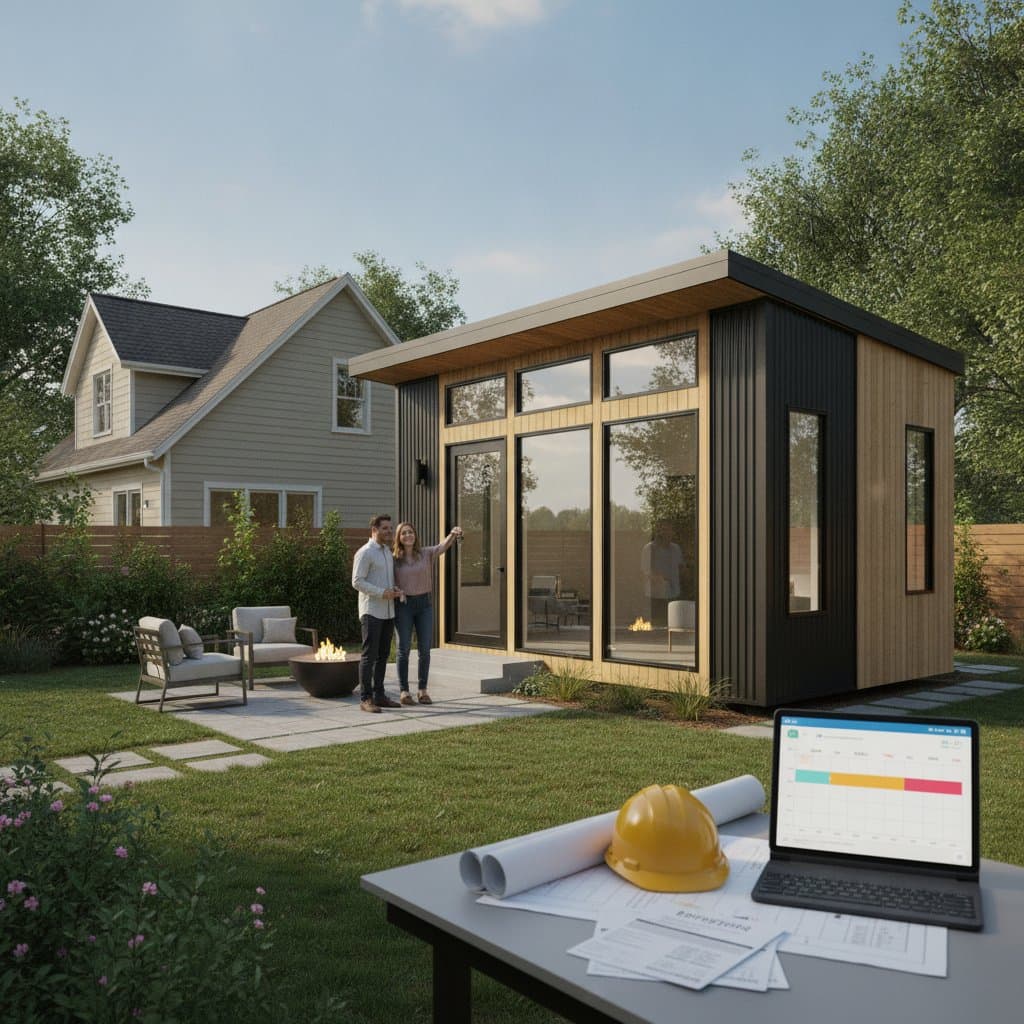
An accessory dwelling unit functions as an independent residence on the same lot as the primary house. It may attach to the main structure, convert an existing garage, occupy a basement, or stand alone as a detached building. A granny flat refers specifically to the detached version, which often serves extended family.
Construction expenses vary by configuration because each type demands different foundations, utility connections, and structural work.
-
Detached ADU
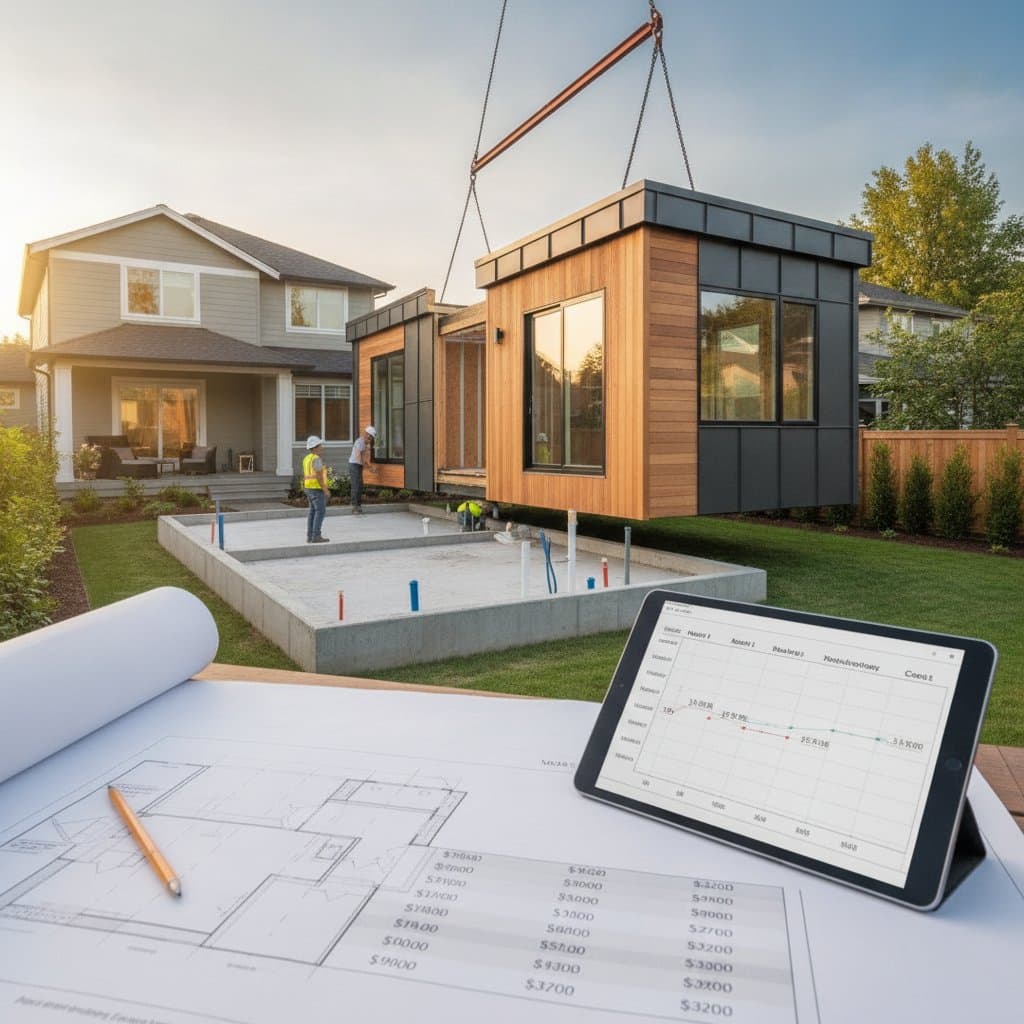
A separate building requires new footings, full utility lines, and independent roofing. Budgets typically range highest in this category due to complete site development. This option suits owners seeking tenant privacy. -
Attached ADU
An addition shares one wall and some mechanical systems with the existing house. Costs decrease compared with detached units, yet the project still needs separate entry, kitchen, and bath facilities. -
Garage Conversion
Reusing an existing structure reduces framing expenses when walls and roof remain sound. Insulation upgrades, window additions, and plumbing extensions still apply and must satisfy current energy codes. -
Basement ADU
Interior conversion works best when ceiling height meets minimum standards and egress windows can be installed. Moisture control and separate HVAC zoning often represent the largest line items.
Primary Factors That Shape Project Pricing
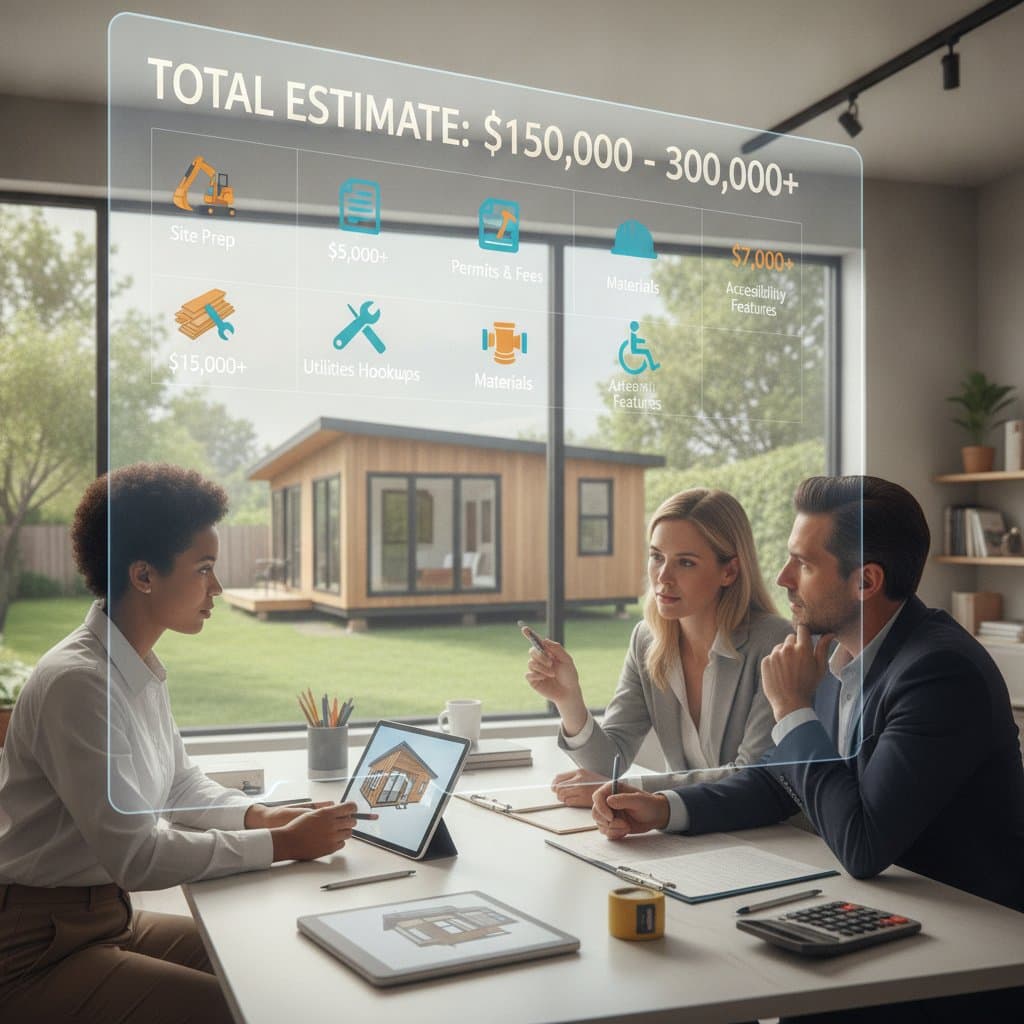
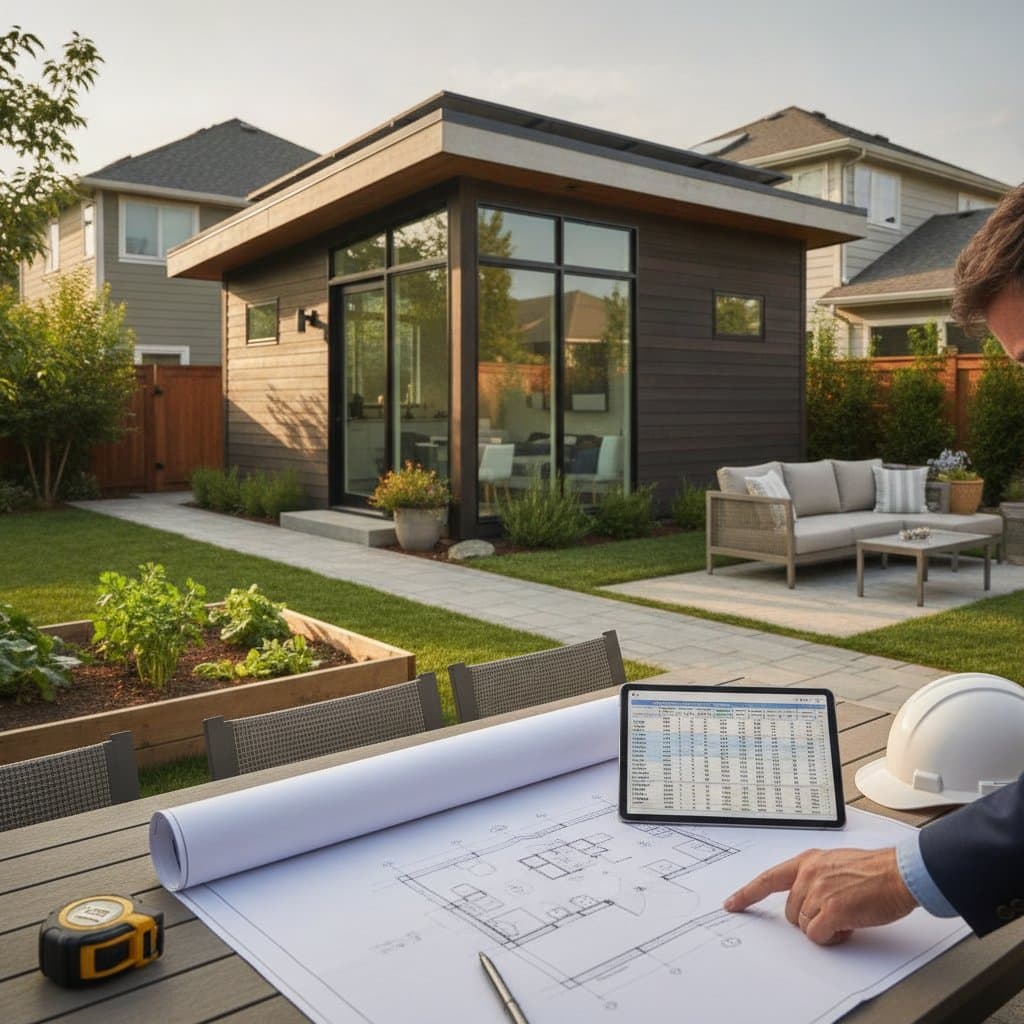
Several variables determine final cost. Size directly affects material quantities. Site conditions such as slope or poor soil increase excavation and foundation work. Utility runs from the main house to a detached unit can exceed several thousand dollars when distance or trenching depth grows. Finish selections for cabinets, flooring, and appliances create wide price spreads. Permit fees and engineering drawings add fixed expenses that vary by municipality. Regional labor rates also fluctuate with demand and local trade availability.
Typical Budget Allocation
Homeowners commonly divide total spending across five categories. Foundation and framing consume roughly 20 percent. Exterior enclosure, including roof and windows, accounts for another 20 percent. Mechanical systems for plumbing, electrical, and heating represent about 17 percent. Interior finishes take a similar share. Remaining funds cover permits, design services, and contingency items.
Material and Design Decisions
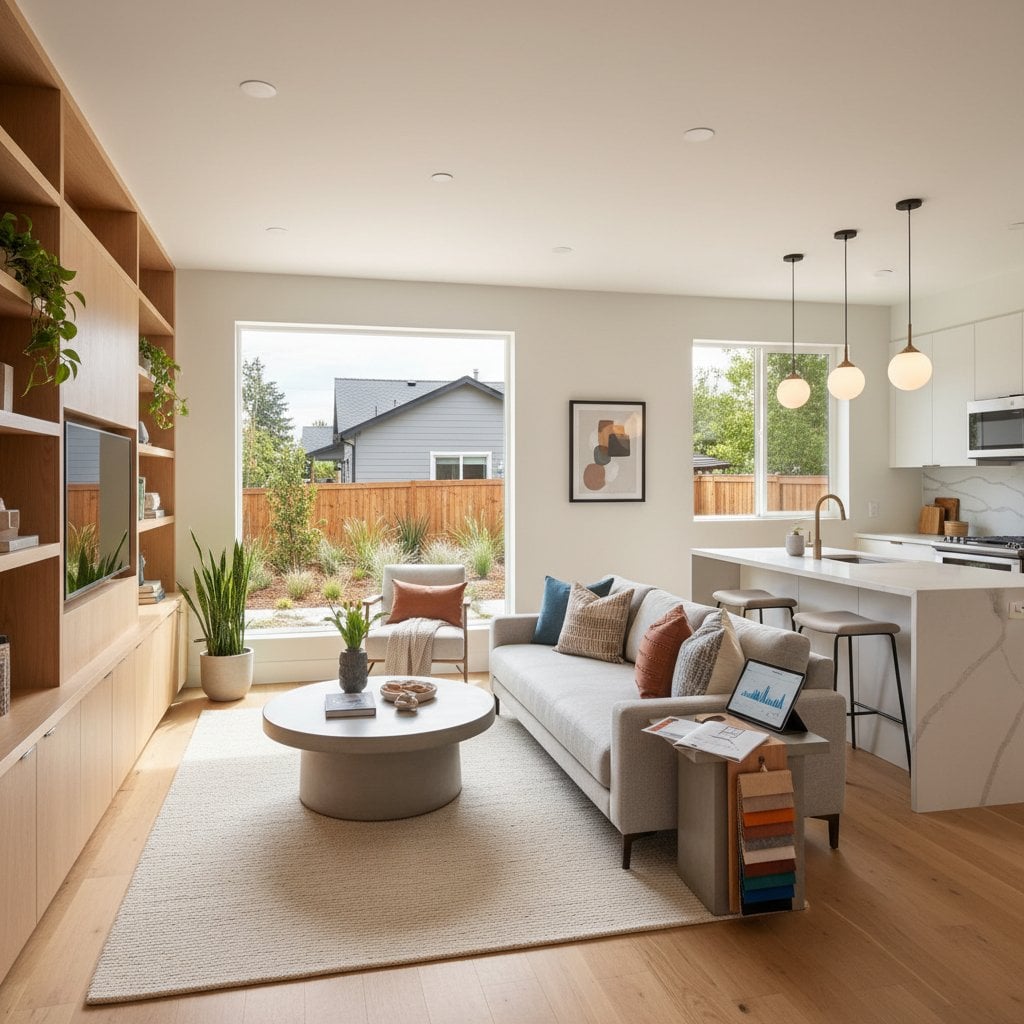
Exterior siding choices influence both upfront cost and upkeep. Fiber cement panels offer durability with minimal maintenance. Wood siding requires periodic sealing. Stucco performs well in dry climates. Roofing options include asphalt shingles for lower initial outlay or metal panels for extended service life. Energy-efficient windows with double glazing reduce long-term utility loads. Neutral exterior paint colors such as warm greige maintain compatibility with the primary residence.
Steps to Control Expenses
Select compact footprints and simple rectangular forms to limit framing complexity. Reuse existing structures whenever possible. Engage contractors experienced with local ADU regulations to avoid redesign fees. Finalize drawings and secure permits before construction begins. These measures reduce change orders and keep schedules intact.
Ongoing Care and Property Value
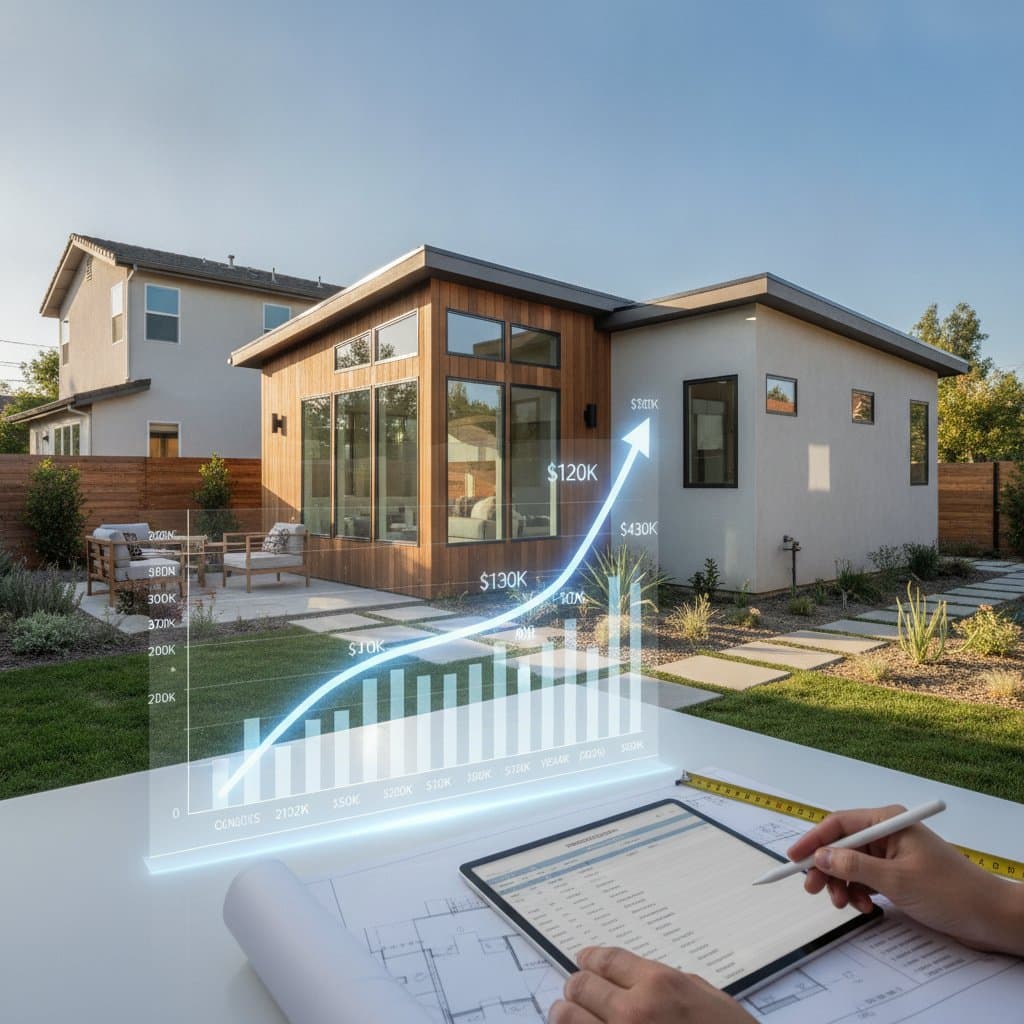
Annual inspections for water intrusion and seal integrity protect the investment. Clear gutters and replace HVAC filters on schedule. Many owners recoup part of the outlay through rental revenue or higher resale prices, especially when the unit offers full separation from the main house.
Engaging Qualified Professionals
Licensed contractors handle structural, electrical, and plumbing work that must pass inspection. Owners may perform cosmetic tasks such as painting once rough construction concludes, provided those tasks comply with warranty conditions.