Full Cost Breakdown: Detached ADU vs Garage Conversion
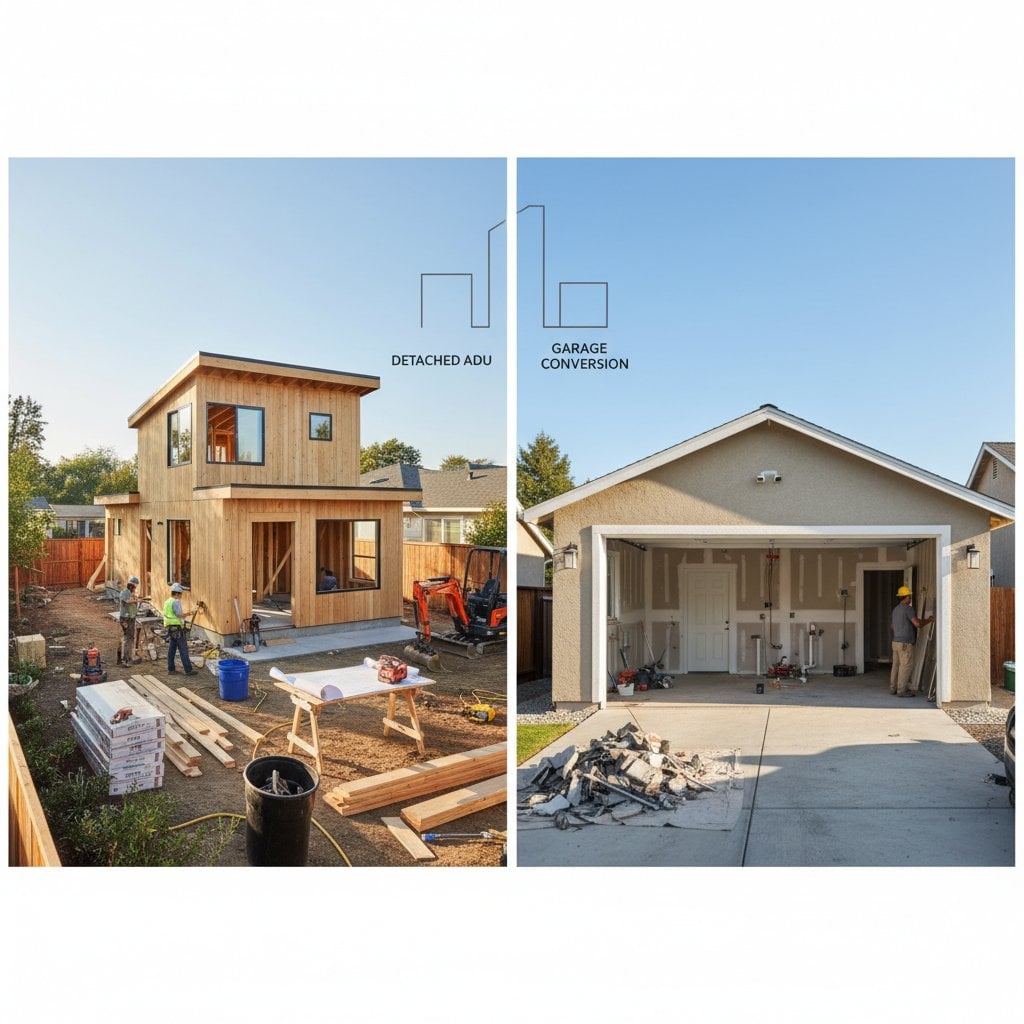
Adding an accessory dwelling unit increases property functionality and value. Homeowners typically select between a new detached structure or conversion of an existing garage. This guide presents actual costs, timelines, and construction details to support an informed decision.
Project Comparison Overview
The following sections examine total expenses, construction requirements, and practical distinctions. Readers will understand impacts on budget, schedule, and long-term property value.
Cost and Time Estimates
Detached ADU
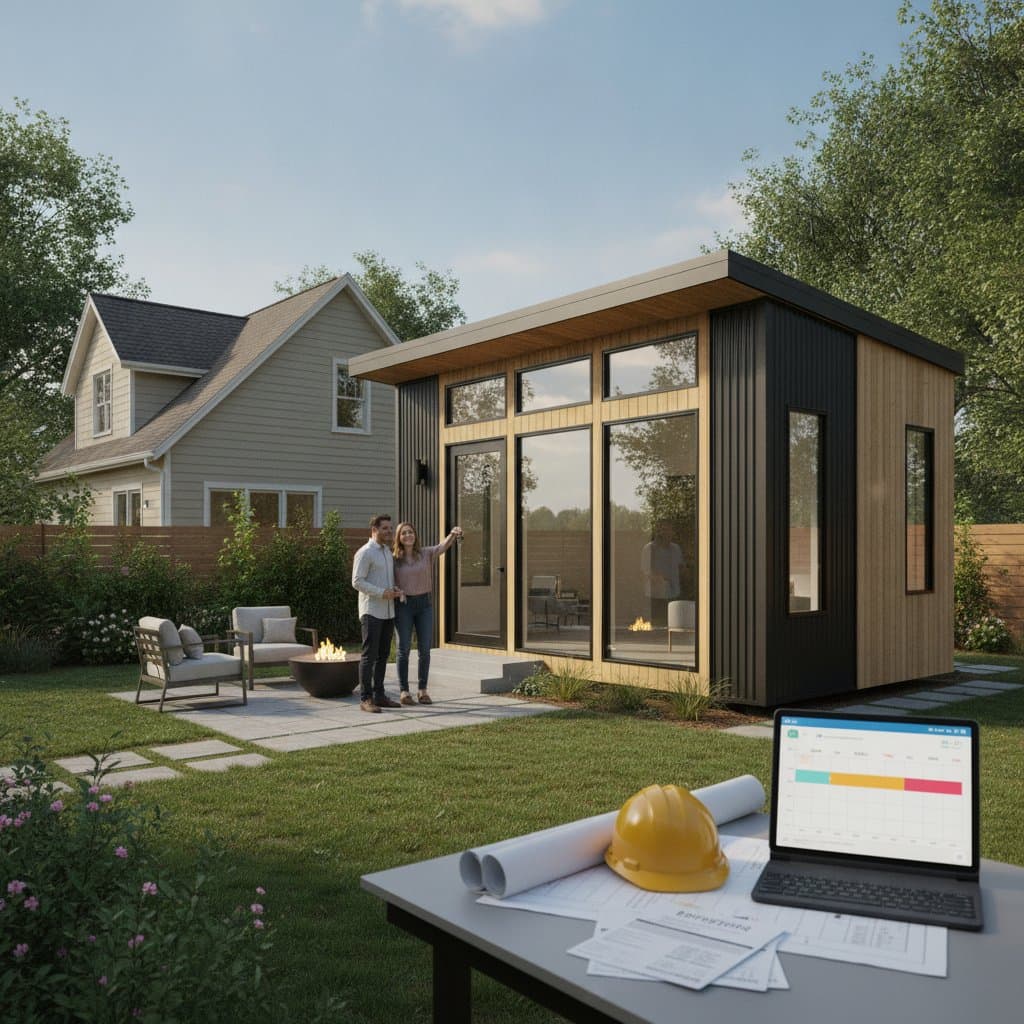
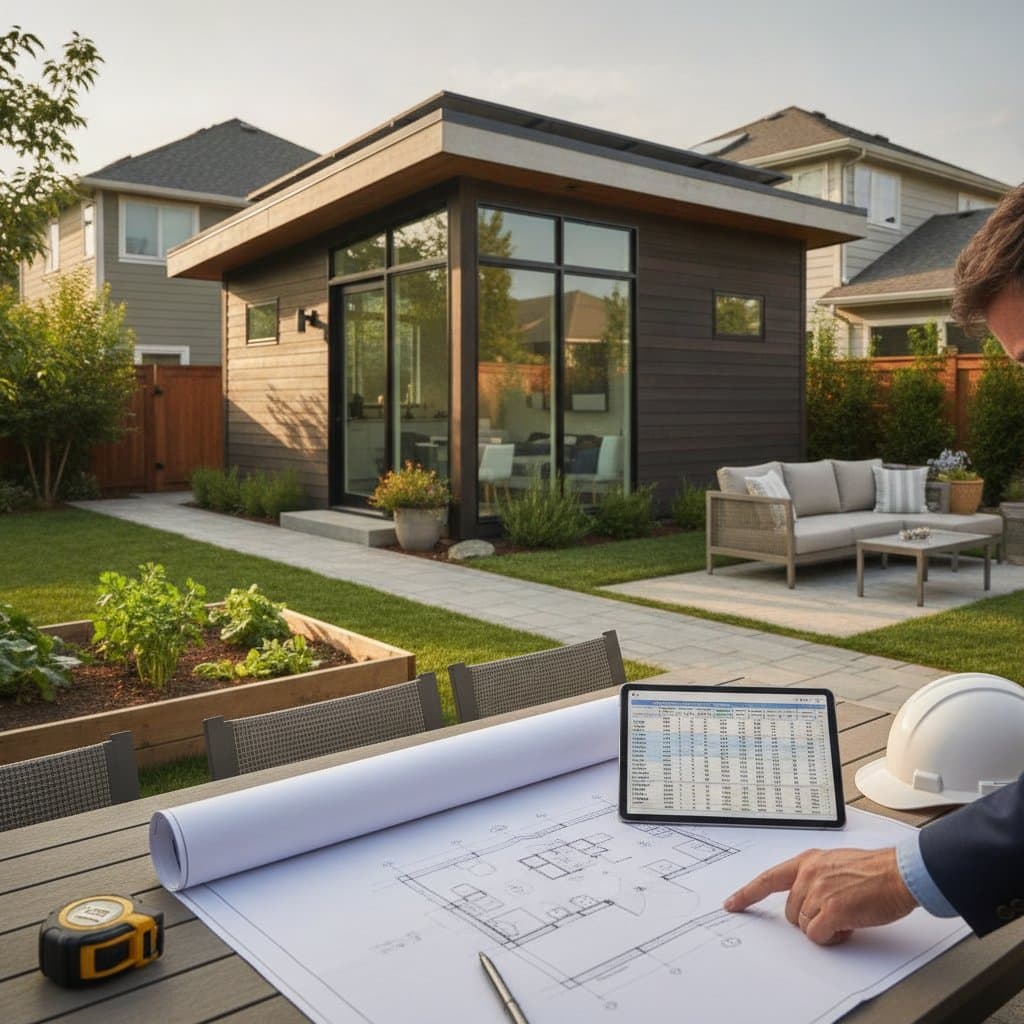
A detached ADU consists of a new independent building on the property.
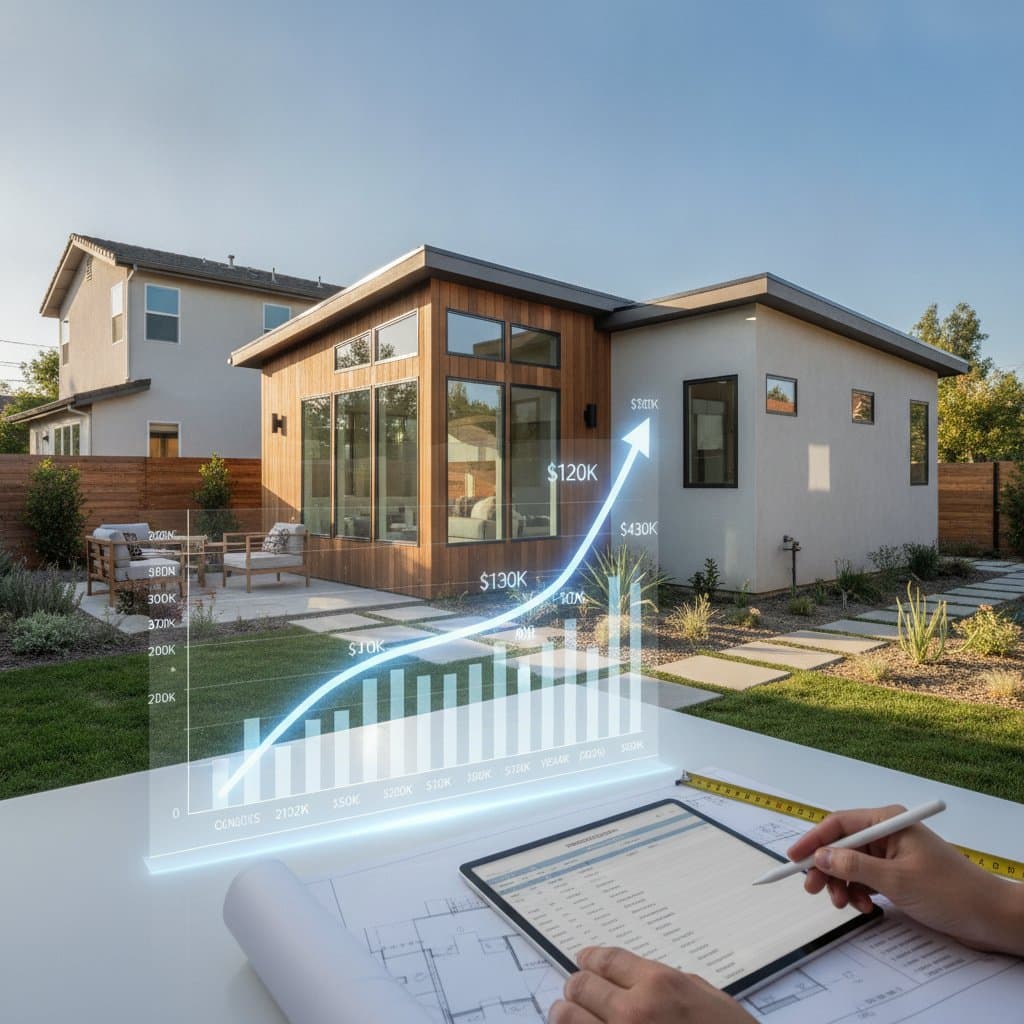
Typical cost range: 250000 to 450000 dollars.
Cost factors include site preparation and grading, foundation and framing, plumbing electrical and HVAC systems, plus permits and utility connections.
Timeline for professional construction spans 8 to 12 months. A partial DIY approach with subcontractors extends the schedule to 12 to 18 months.
Difficulty level is advanced because the project requires complete structural electrical and plumbing work.
Garage Conversion
A garage conversion transforms the existing structure into habitable space.
Typical cost range: 100000 to 180000 dollars.
Cost factors include structural reinforcement and insulation, electrical and plumbing upgrades, new flooring drywall and finishes, plus door and window replacements and permits.
Professional construction requires 3 to 6 months. A DIY effort with licensed trades takes 6 to 9 months.
Difficulty level is moderate because framing mechanical and insulation work must satisfy residential code.
DIY versus Professional Work
Homeowners may handle interior painting flooring or fixture installation. Licensed professionals must perform plumbing electrical and structural tasks.
For a detached ADU, DIY work is limited to finish carpentry or landscaping. Professionals handle foundation framing and utilities. Labor represents 40 to 50 percent of the total budget.
For a garage conversion, DIY work can include insulation drywall and trim. Professionals complete structural changes electrical rewiring and plumbing. Labor represents 30 to 40 percent of the total budget.
A general contractor coordinates trades and verifies code compliance. Design build firms manage both design and construction for larger projects.
Construction Sequence
Detached ADU
- Site evaluation confirms zoning setbacks and utility locations. Proper grading ensures drainage away from structures.
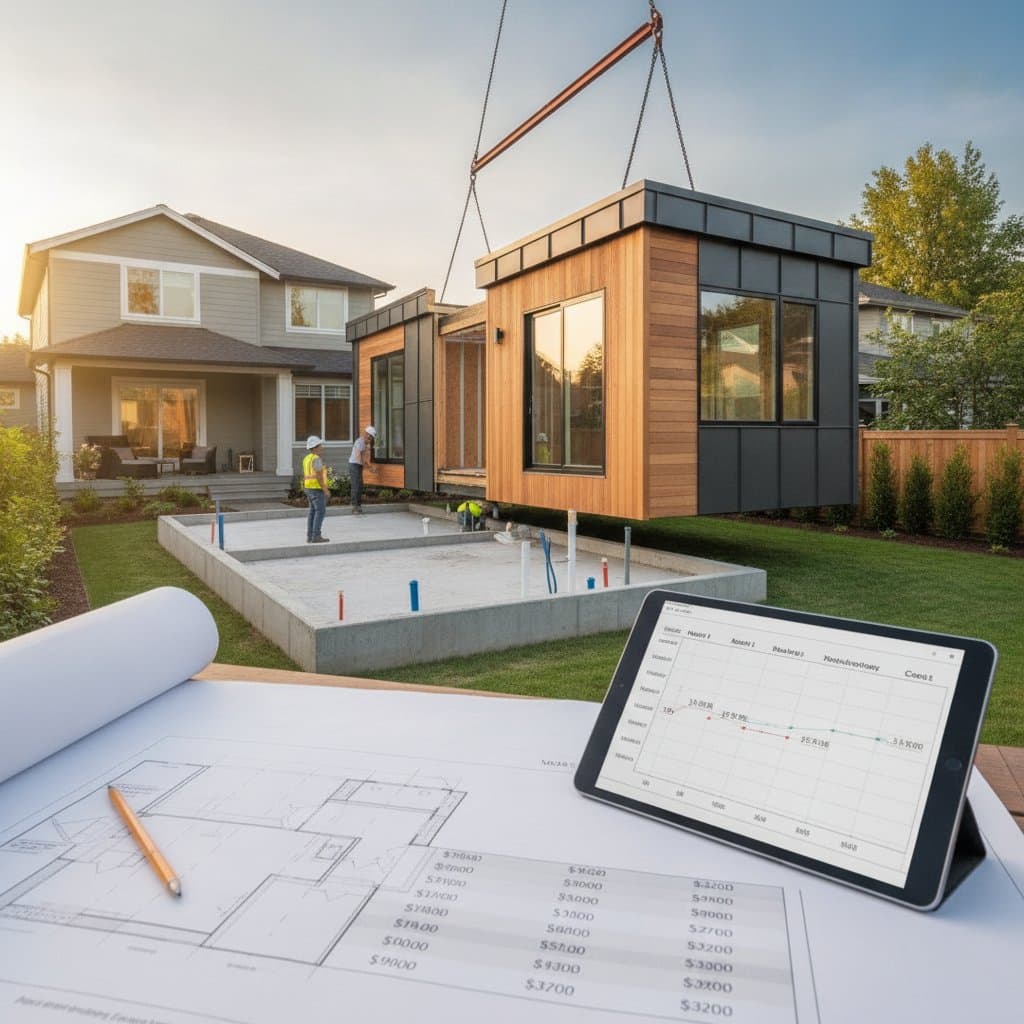
- Foundation installation includes a concrete slab or raised system with moisture barrier and anchor bolts. The foundation must pass inspection before framing begins.
- Framing and roofing create walls roof trusses and finished roofing. The structure must pass framing inspection.
- Utilities and systems connect plumbing electrical and HVAC. All lines require testing before insulation.
- Insulation and drywall installation follows code requirements. Walls must show no visible seams after sanding.
- Final finishes include flooring cabinets lighting and fixtures. All systems must operate correctly at completion.
Garage Con. Structural assessment verifies slab and wall condition. Reinforcement meets residential load standards and passes engineering review.
- Utility upgrades extend plumbing electrical and HVAC lines. The garage door is replaced with an insulated wall and windows.
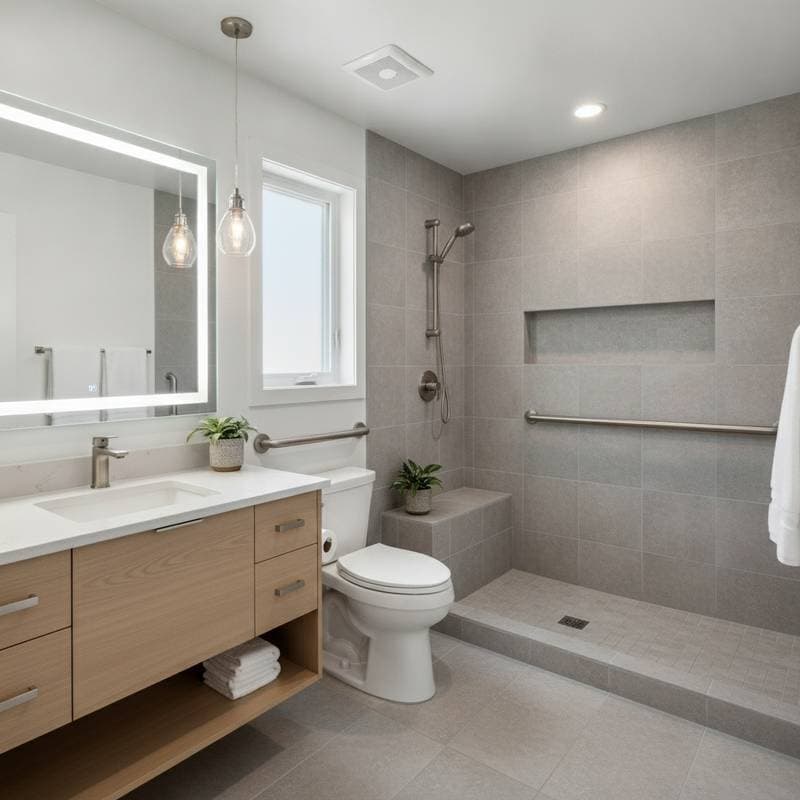
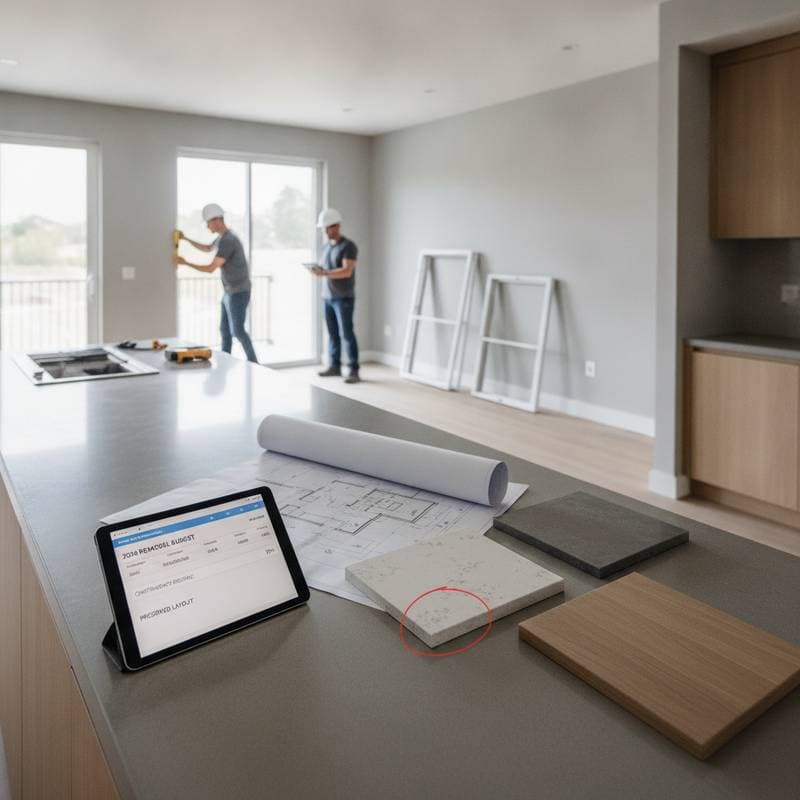
- Interior build out adds insulation drywall and flooring. Any kitchen or bath must satisfy ceiling height ventilation and egress codes.
- Final finishes include paint trim and lighting. The completed space must feel comfortable and energy efficient.
Safety Requirements
Disconnect power at the main panel before any wiring. Obtain engineer approval before altering load bearing walls. Wear gloves safety glasses and dust masks during cutting or drilling. Shut off water supply before plumbing work. Use scaffolding or fall protection on roofs or elevated surfaces.
Common Issues and Verification
Uneven floors require self leveling compound before finish installation. Insulation gaps around windows or in cavities reduce performance. HVAC dampers need adjustment for balanced airflow. Inspect flashing and caulking to prevent moisture entry.
Verification steps include testing all outlets switches and lights. Confirm walls and floors are level and plumb. Check plumbing fixtures for leaks under pressure. Verify exterior drainage prevents pooling near foundations.
Site Cleanup
Deliver concrete drywall and lumber waste to approved local facilities. Separate metal conduit and cardboard for recycling. Clean all surfaces before final inspection. Store leftover materials in labeled containers for future repairs.
Ongoing Maintenance
Detached ADU
Inspect roof siding and foundation each year. Repaint exterior surfaces every 5 to 7 years. Service plumbing and HVAC systems on a regular schedule. Expected lifespan exceeds 50 years with consistent care.
Garage Conversion
Monitor the original slab for moisture or cracking. Reseal floors as needed. Maintain insulation and weatherstripping to limit energy loss. Expected lifespan ranges from 30 to 40 years depending on materials and upkeep.
When Professional Help Is Required
Contact a licensed contractor for foundation cracks, electrical panel upgrades, sewer or gas line extensions, or complex roof and drainage work.
Professional project management costs 25000 to 60000 dollars for a detached ADU and 10000 to 25000 dollars for a garage conversion.
Before hiring verify active license and insurance. Request an itemized quote and timeline. Review warranty coverage and recent project references.
Permit Requirements
Both detached ADUs and garage conversions require building permits and inspections.
Selecting the Appropriate Approach
A detached ADU delivers independent living space and higher income potential at greater cost and longer duration. A garage conversion provides faster more affordable space suitable for guests or offices. Begin with local zoning review then compare total costs permits and design needs before construction.