Introduction to Granny Pods and Accessory Dwelling Units
Granny pods and accessory dwelling units (ADUs) offer practical solutions for multigenerational living or supplemental rental income. These structures, often built in backyards, provide independent spaces while remaining close to the main home. As demand grows, understanding the true financial commitment becomes crucial for informed decision-making.
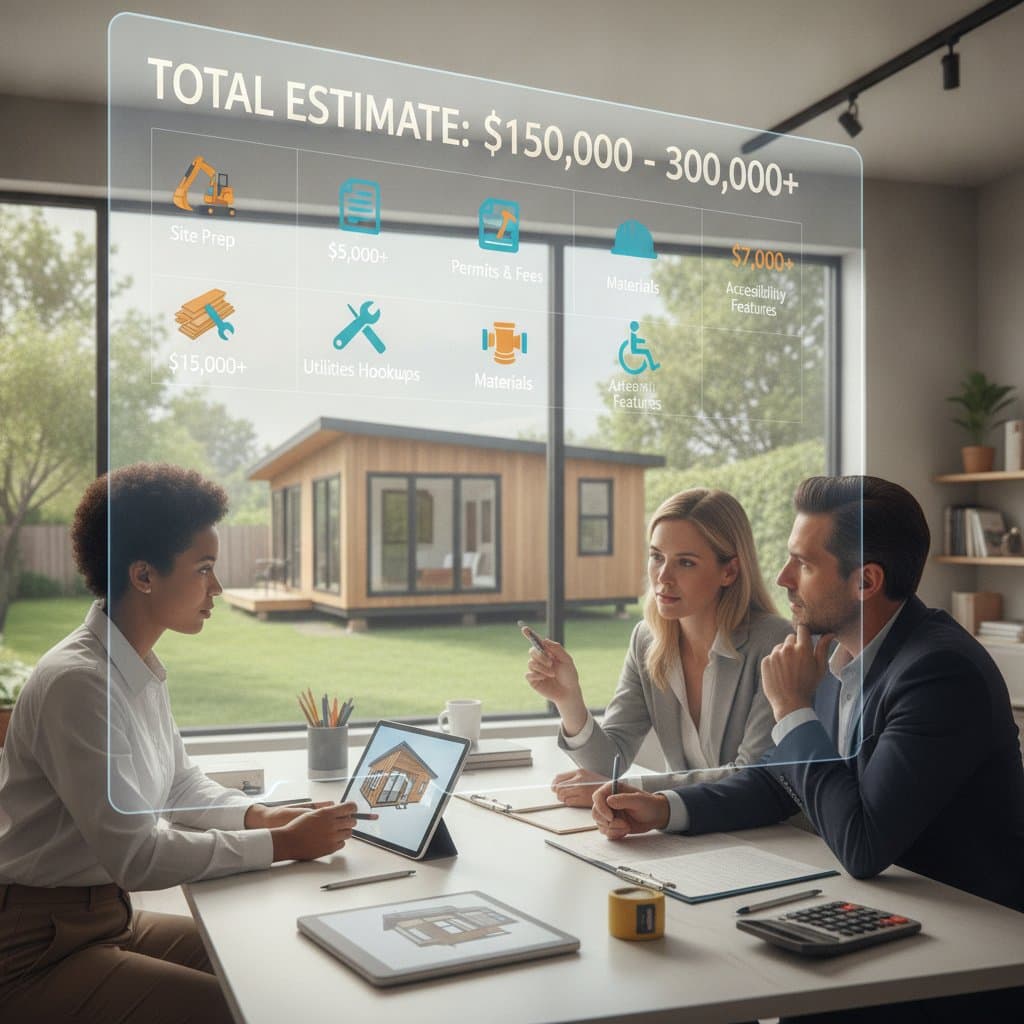
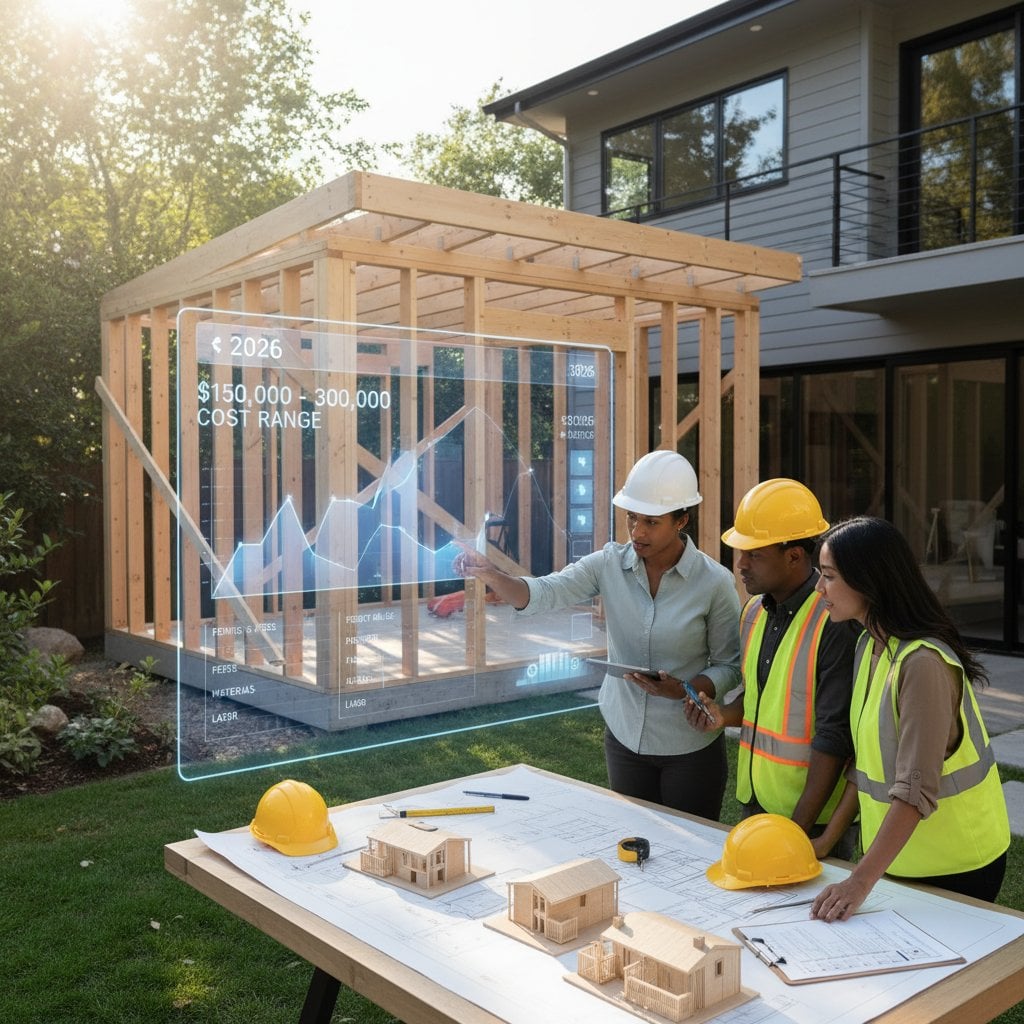
In 2026, costs typically range from $150,000 to $300,000, influenced by location, size, and features. This guide breaks down these expenses, outlines regulatory steps, and provides strategies to manage the project effectively. Readers gain insights to align their vision with realistic budgets and timelines.
Defining Granny Pods and ADUs
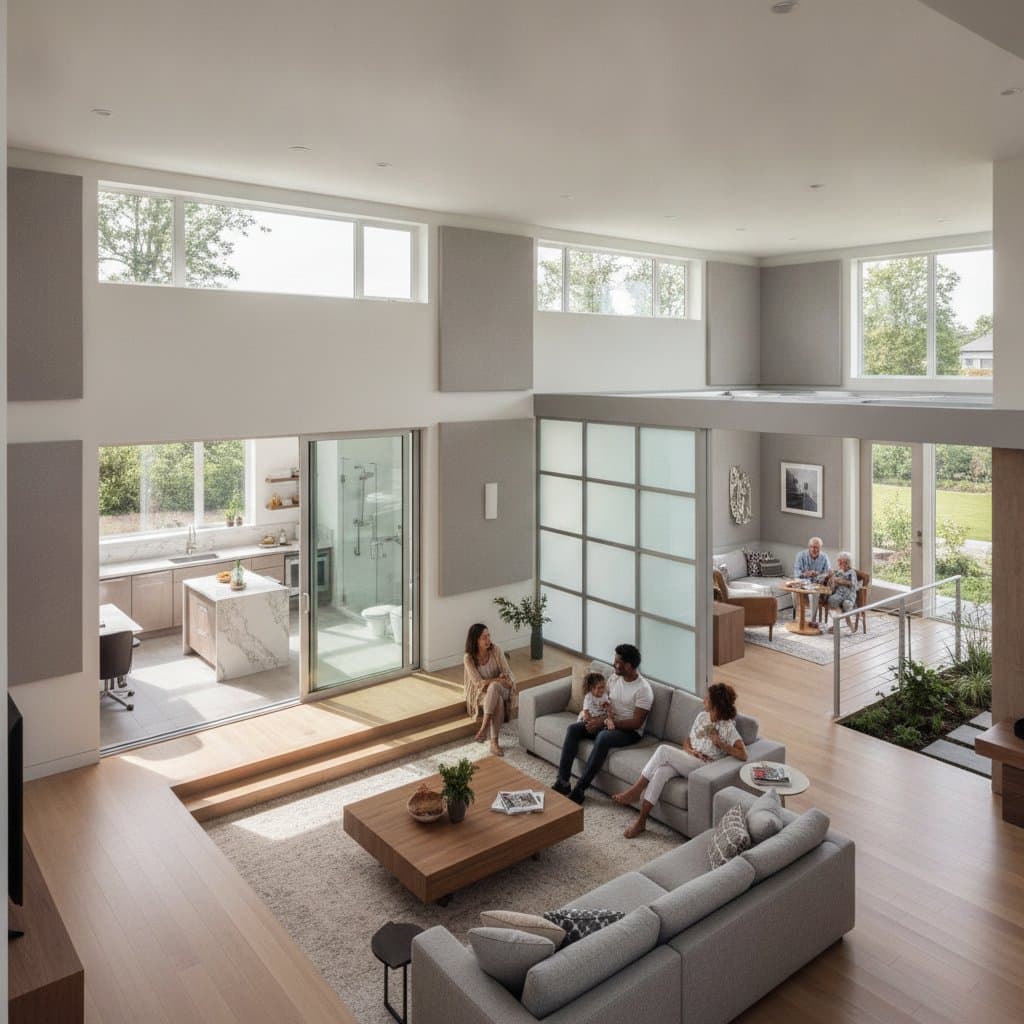
A granny pod refers to a compact, prefabricated home designed specifically for elderly family members. These units emphasize accessibility, with features like wide doorways and single-level layouts. They allow aging relatives to maintain independence without relocating far from support networks.
ADUs, on the other hand, encompass a broader category of secondary housing on the same property. This includes garage conversions or new builds that comply with local zoning. Both options enhance property utility, but granny pods focus more on comfort for seniors, while ADUs often serve diverse purposes such as guest quarters or short-term rentals.
Key differences lie in design intent and regulatory classification. Granny pods may qualify for streamlined approvals in some areas due to their modular nature. ADUs require adherence to building codes that vary by municipality, affecting overall feasibility.
Factors Influencing Costs
Construction expenses for granny pods and ADUs depend on several variables. Site preparation, including grading and utility connections, can add $10,000 to $30,000. Material choices, from basic siding to energy-efficient insulation, directly impact the budget.
Location plays a significant role. Urban areas with high labor rates push costs toward the upper end of the $150,000 to $300,000 spectrum. Rural settings may offer savings through lower permitting fees and material transport costs.
Customization levels also contribute. Standard models start at $150,000 for a 400-square-foot unit, while luxury additions like solar panels or smart home systems elevate prices to $300,000 or more. Professional consultations early in the process help identify cost-saving opportunities without compromising quality.
Cost Breakdown by Category
- Foundation and Site Work: $20,000 to $50,000, covering excavation, concrete pouring, and utility hookups for water, electricity, and sewage.
- Structure and Framing: $50,000 to $100,000, including walls, roofing, and basic enclosure using durable, weather-resistant materials.
- Interior Finishes: $30,000 to $60,000 for flooring, cabinetry, appliances, and bathroom fixtures tailored to accessibility needs.
- Permits and Fees: $5,000 to $15,000, varying by local regulations and inspections.
- Professional Services: $20,000 to $40,000 for architects, engineers, and contractors to ensure code compliance.
- Contingency Fund: 10% to 15% of total budget, approximately $15,000 to $45,000, to address unforeseen issues like soil testing or delays.
This breakdown totals the $150,000 to $300,000 range, with modular granny pods often leaning toward the lower figure due to factory assembly.
Navigating Permits and Regulations
Obtaining permits is a mandatory step that influences both cost and timeline. Local zoning laws dictate setbacks, height limits, and occupancy rules for ADUs. Homeowners must submit site plans, engineering drawings, and environmental impact assessments.
For granny pods, some jurisdictions offer expedited processes for prefabricated units under 500 square feet. Compliance with the International Residential Code ensures safety features like fire-rated walls and proper ventilation. Engaging a local permitting expert early avoids costly revisions.
Health and safety regulations require accessible designs, such as ramp installations and non-slip surfaces. Rental-focused ADUs may need additional certifications for habitability. Always verify with municipal offices, as rules evolve; for instance, many areas in 2026 prioritize eco-friendly builds with incentives for green materials.
Typical Timelines for Construction
Projects span 3 to 12 months, depending on complexity and approvals. Permitting alone takes 1 to 3 months, with modular granny pods accelerating this phase through pre-approved designs.
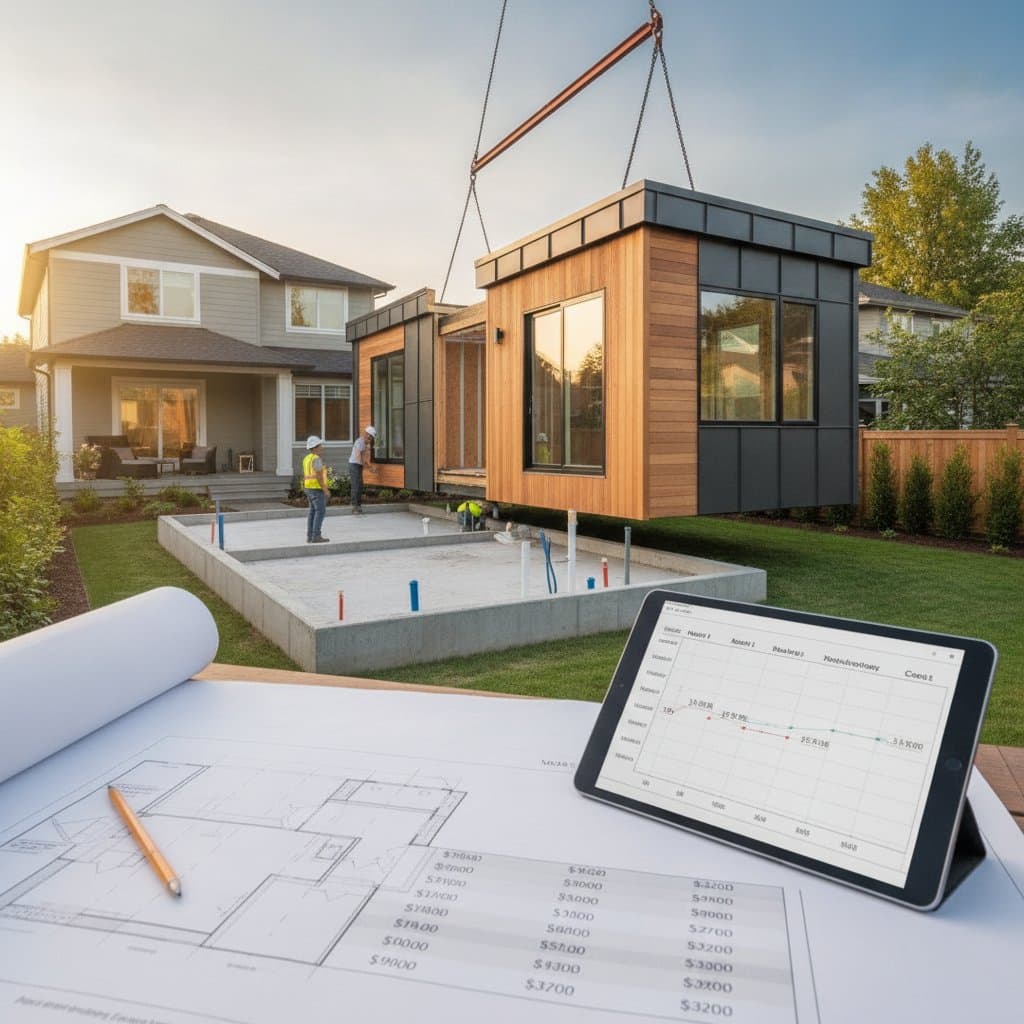
Site preparation and foundation work require 2 to 4 weeks, weather permitting. Assembly of prefabricated units occurs in 4 to 6 weeks, followed by interior installations over another month. Full ADU builds from scratch extend to 6 to 9 months, including inspections at key stages.
Delays often arise from supply chain issues or seasonal constraints. Planning during off-peak months, such as late fall, can shorten timelines. Clear communication with contractors maintains momentum throughout the process.
Budgeting Strategies and Practical Tips
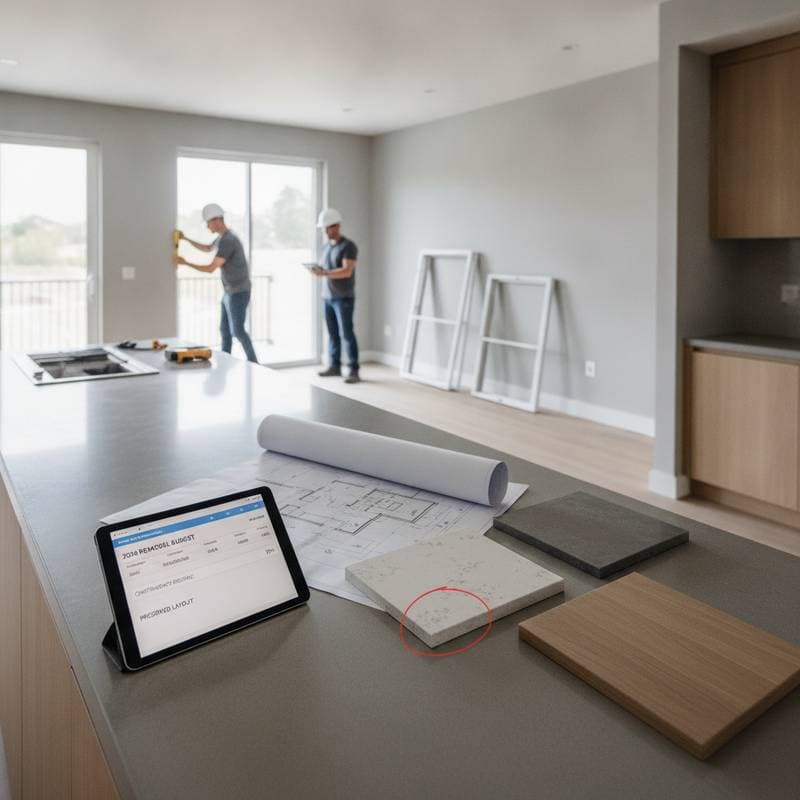
Effective budgeting starts with a detailed financial plan. Allocate funds across categories to prevent overruns, and secure financing options like home equity loans tailored for home additions. Compare quotes from at least three licensed contractors to ensure competitive pricing.
Incorporate value-driven choices, such as energy-efficient appliances that reduce long-term utility costs. For rental ADUs, focus on durable, low-maintenance features to attract tenants. Track expenses with project management tools to monitor progress against the budget.
Consult professionals for feasibility studies, which cost $1,000 to $3,000 but save thousands in potential errors. Prioritize safety by selecting insured teams experienced in accessory structures. These steps maximize return on investment, whether for family care or income generation.
Essential Planning Steps
- Assess property zoning and consult local authorities on ADU eligibility.
- Define needs, such as size (300-800 square feet) and features (e.g., full kitchen or bedroom).
- Obtain preliminary cost estimates from builders specializing in modular homes.
- Prepare a contingency plan for variables like inflation or material price fluctuations.
- Schedule regular site visits to oversee quality and adherence to timelines.
Maximizing Value and Long-Term Benefits
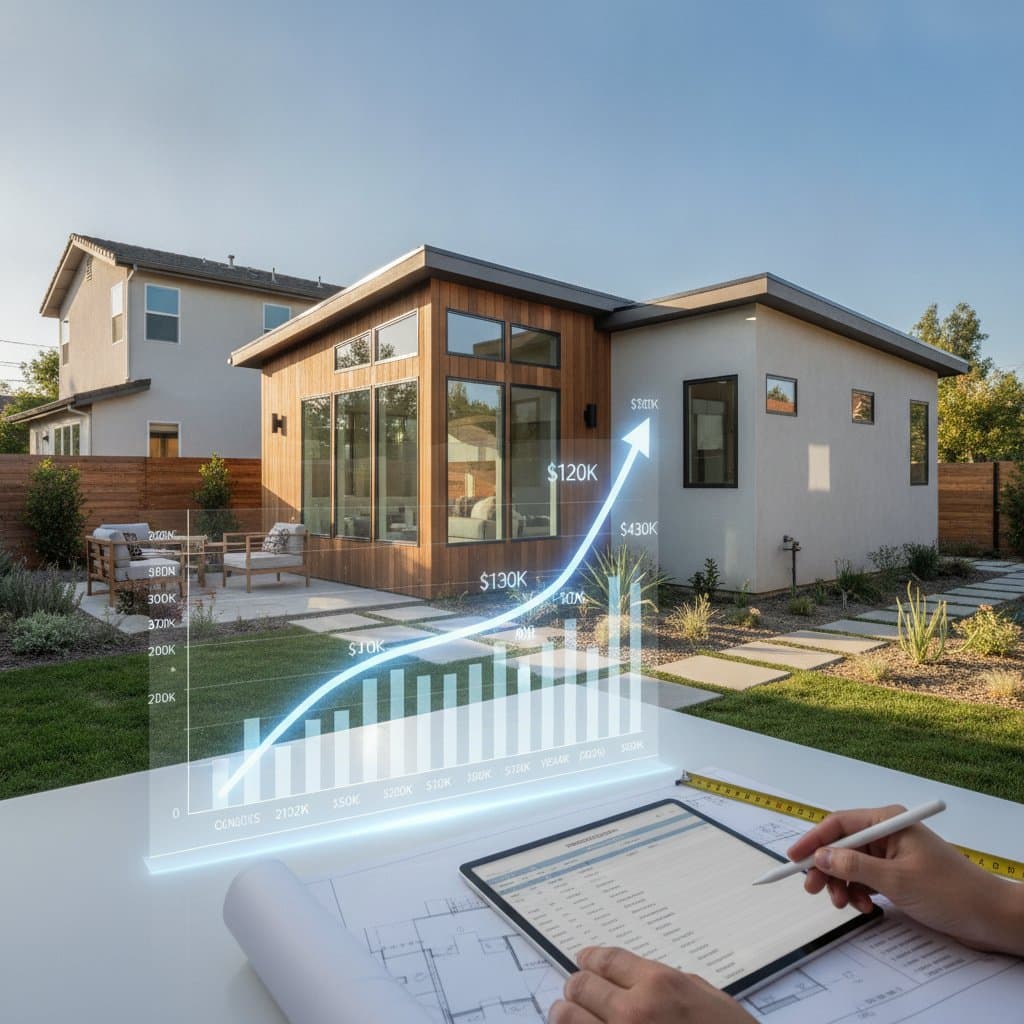
Investing in a granny pod or ADU enhances property appeal and functionality. These additions support aging in place, reducing healthcare expenses for families. Rental options provide steady income, often offsetting initial costs within 5 to 10 years.
Compliance ensures resale value increases, as modern buyers seek versatile spaces. Sustainable designs, like those with rainwater harvesting, align with 2026 trends toward eco-conscious living. Ultimately, thoughtful planning transforms backyards into valuable assets for current and future needs.