Why Homes Need 2026 Wildfire-Resistant Materials
Quick Answer Box
Wildfire-resistant materials protect homes from ignition during nearby fires. Homeowners in high-risk areas must incorporate these materials during new construction or remodeling projects. Upgrades typically involve moderate costs and medium difficulty levels. Material expenses vary from affordable vent screens to more substantial investments in roofing or siding replacements. Risks increase without thorough safety inspections or when working near electrical systems. Licensed contractors handle all structural, gas, or electrical modifications.
Step-by-Step Instructions
1. Inspect Existing Materials
Examine the exterior of the home to identify materials prone to ignition, including wood shingles, untreated siding, and unsecured vents. Focus on potential entry points for embers, such as gaps beneath eaves or decks. Document findings with photographs to guide subsequent upgrades.
2. Replace Roof Covering
Warning: Roof work presents significant fall and electrical hazards. Engage a licensed roofer unless possessing relevant experience and safety equipment.
Select Class A fire-rated roof coverings, such as asphalt fiberglass shingles, clay tiles, or metal panels. Remove any existing wood shakes or untreated surfaces to ensure full compliance. Verify uniform coverage without exposed sheathing or gaps after installation.
3. Seal Openings and Vents
Fit metal mesh screens with 1/8-inch maximum openings over attic and foundation vents to block ember intrusion. Secure screens using corrosion-resistant fasteners for durability. Perform a flashlight test from inside the attic; reseal any areas where light penetrates.
4. Upgrade Siding
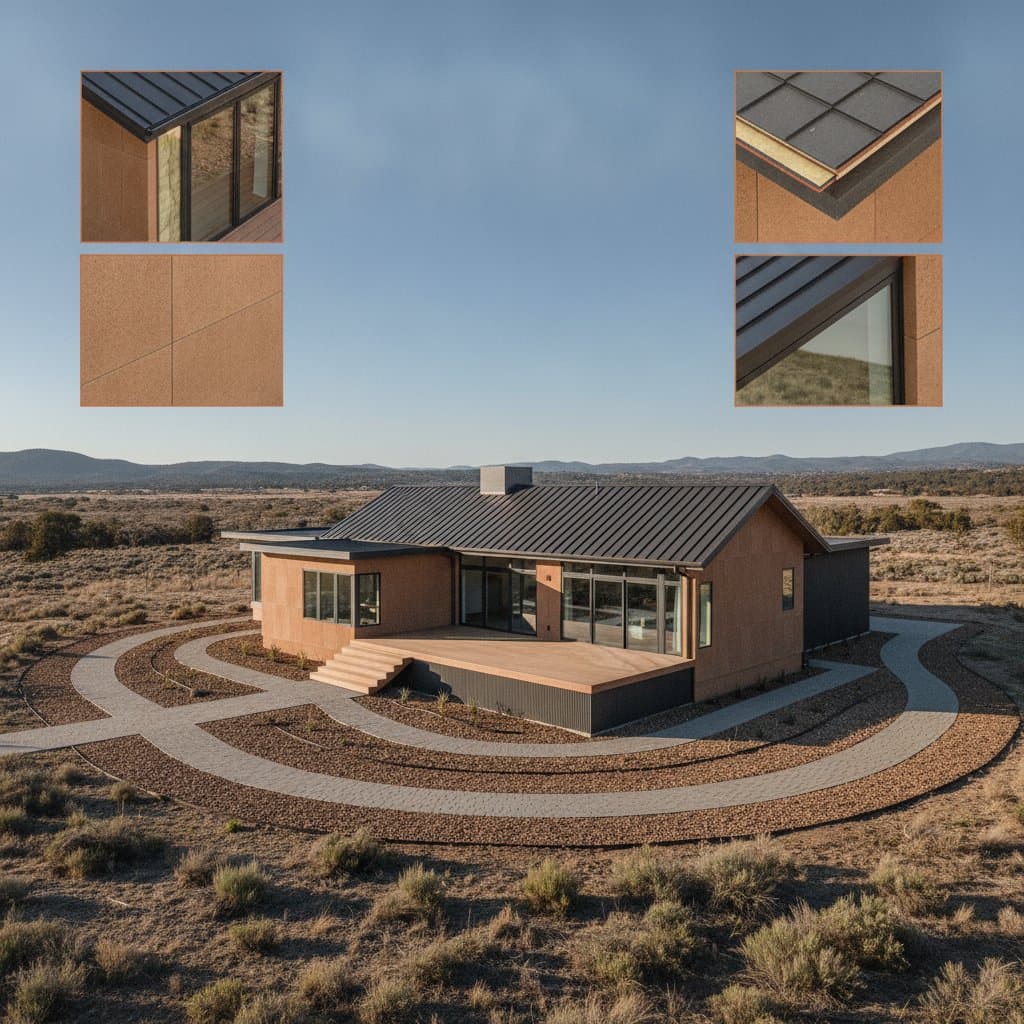
Substitute combustible siding materials like wood or vinyl with fire-resistant alternatives, including fiber-cement, stucco, or metal panels. These options withstand ignition and limit heat transfer effectively. Cut fiber-cement siding in well-ventilated outdoor areas with dust-control measures, using rated screws and maintaining a 1-inch clearance from horizontal surfaces. Confirm secure installation with sealed seams via high-temperature caulk.
5. Protect Eaves and Soffits
Apply non-combustible fascia boards or soffit panels to cover exposed eaves, opting for metal or fiber-cement materials. Seal all joints using fire-rated caulk to eliminate vulnerabilities. Ensure no gaps exceed 1/8 inch between panels or near vents.
6. Upgrade Decking and Railings
Install fire-rated composite decking or metal panels in place of traditional wood boards. Wood framing may remain if fully enclosed and isolated from flammable debris. Check for uniform spacing, solid fastening, and absence of loose components on the deck surface.
7. Install Ember-Resistant Skirting
For homes elevated on piers or posts, enclose the understructure with non-combustible skirting like concrete board or masonry veneer. This barrier prevents embers from igniting accumulated debris below. Verify no open gaps or exposed insulation persist after installation.
8. Create a Defensible Space
Remove vegetation and debris within a 5-foot radius of the home, substituting mulch with gravel or stone ground cover. Trim tree branches to maintain at least 10 feet of separation from roofs and eaves. The surrounding area must remain clear of dry leaves, wood piles, or flammable outdoor items.
9. Inspect Windows and Doors
Equip the home with dual-pane tempered glass windows and metal-framed doors for enhanced heat resistance. Apply weather stripping to all openings for airtight seals. Test windows for tight closure without gaps and ensure doors latch firmly.
10. Seal Gaps and Openings
Apply fire-rated caulk around pipes, cables, and utility penetrations, addressing any cracks wider than 1/8 inch in siding or trim. This step fortifies the structure against ember entry. Confirm smooth, complete coverage around each penetration point.
Quality Checks and Troubleshooting
Common Failure Points
- Gaps in vent screens: Embers gain access to attics through loose fittings. Reseat or replace affected screens promptly.
- Improper caulking: Cracked sealant permits heat infiltration. Reapply fire-rated caulk to restore integrity.
- Combustible trim: Wood elements near roofs serve as ignition sources. Substitute with fiber-cement or metal alternatives.
- Unprotected deck framing: Embers accumulate beneath decks. Enclose perimeter areas with non-combustible skirting.
Simple Fixes
Tighten loose screws on siding or roofing components to maintain stability. Replace any damaged vent screens without delay. Clean decks and siding surfaces to eliminate dry debris buildup. Apply fire-resistant coatings to exposed areas only if recommended by the manufacturer.
When to Call a Professional
Engage licensed contractors or roofers for complex tasks, including full roof replacements, modifications to eaves or soffits, and adjustments to electrical or gas lines. Professionals also manage work at heights exceeding one story or near utility services. Such expertise guarantees adherence to local codes and preserves manufacturer warranties.
Estimated costs include:
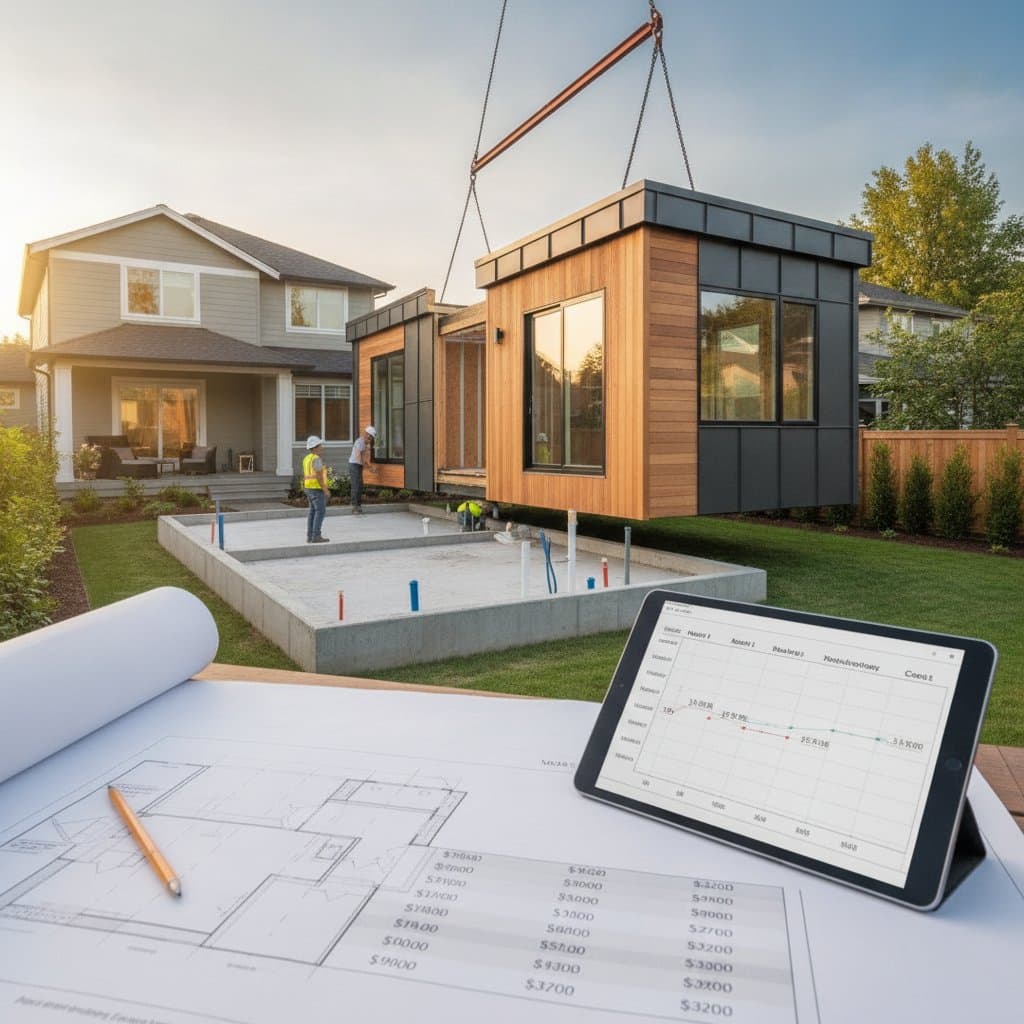
- Roof replacement: $8,000 to $20,000, based on home size and selected materials.
- Fiber-cement siding: $7 to $13 per square foot for professional installation.
- Deck replacement: $25 to $60 per square foot using fire-rated materials.
When selecting contractors, inquire about:
- Licensing and insurance specific to wildfire-resistant construction.
- Adherence to local Wildland Urban Interface (WUI) standards.
- References from comparable projects.
- Included inspection protocols in the bid.
Obtain written estimates and confirm that all materials satisfy fire-rating specifications.
Building a Defensible Home Exterior
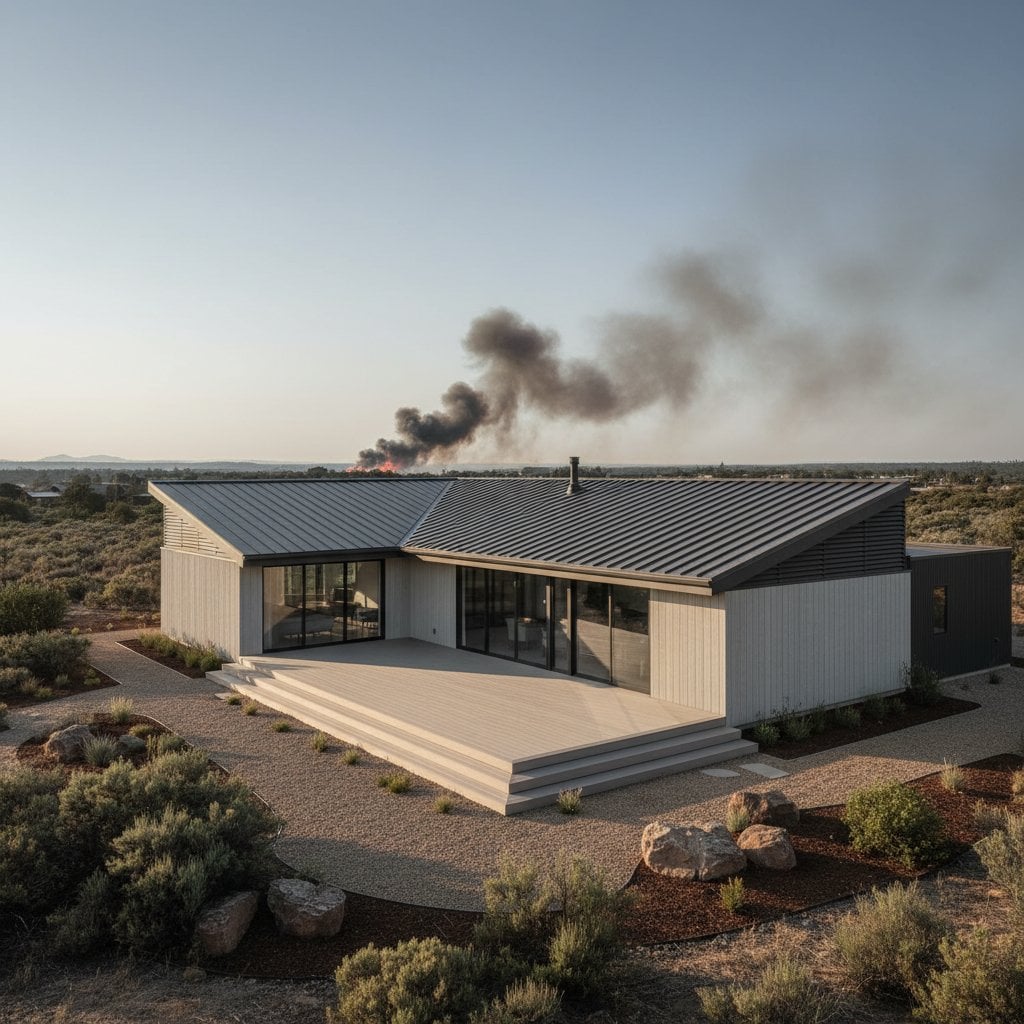
View the home exterior as an integrated shield against fire threats. Roofs demand Class A materials kept free of debris. Walls benefit from non-combustible siding selections. Windows and doors require tempered glass and metal framing upgrades. Vents necessitate comprehensive screening. Decks and patios call for fire-rated composites alongside cleared vegetation.
These elements combine to create a seamless barrier, effectively countering radiant heat and airborne embers.
Regional Factors
Wildfire hazards differ across regions, yet embers can disperse considerable distances from active fires. Structures in arid, windy locales encounter elevated risks. Even suburban settings may face ember-driven ignitions on roofs and fences.
Local regulations frequently mandate Wildland Urban Interface (WUI) standards, outlining permissible materials and required clearances. Confirm product compliance through listings aligned with WUI guidelines. Seek certifications like ASTM E84 or UL 790 to validate fire performance.
Long-Term Benefits
Incorporating wildfire-resistant materials safeguards property, mitigates insurance liabilities, and elevates resale potential. Prospective buyers prioritize fire-resilient features in the market. Insurers often provide premium discounts for documented enhancements. Properties surpassing local fire codes may qualify for broader community protection initiatives.
These upgrades extend beyond economics, delivering enduring security for residents.
Preparing for Compliance and Resilience
Assess current home materials to pinpoint vulnerabilities like unsecured vents, wooden siding, or exposed decks. Prioritize replacements or retrofits in these areas. For extensive renovations, select Class A or non-combustible options throughout the exterior.
Collaborate with contractors versed in wildfire regulations, retaining records for insurance and future sales. This approach transcends mere code adherence, fostering protection for the home, its occupants, and neighboring properties.