Why Prefab Bathroom Pods Outperform Site-Built Bathrooms
Prefab bathroom pods represent a transformative approach in the construction industry, delivering accelerated timelines without compromising on quality. These fully assembled units arrive on-site complete with fixtures, finishes, and integrated systems, ready for straightforward connections to plumbing and electrical infrastructure. Developers, contractors, and property managers benefit from this method as it provides a reliable alternative to labor-intensive on-site construction. Grasping the reasons prefab pods surpass traditional methods equips professionals to optimize expenses, timelines, and enduring performance.
Overview of Key Topics
This guide examines the operational mechanics of prefab bathroom pods, highlights primary benefits relative to conventional builds, analyzes financial implications and investment returns, identifies scenarios favoring prefab over site-built options, and addresses upkeep, regulatory adherence, and customization possibilities.
Operational Mechanics of Prefab Bathroom Pods
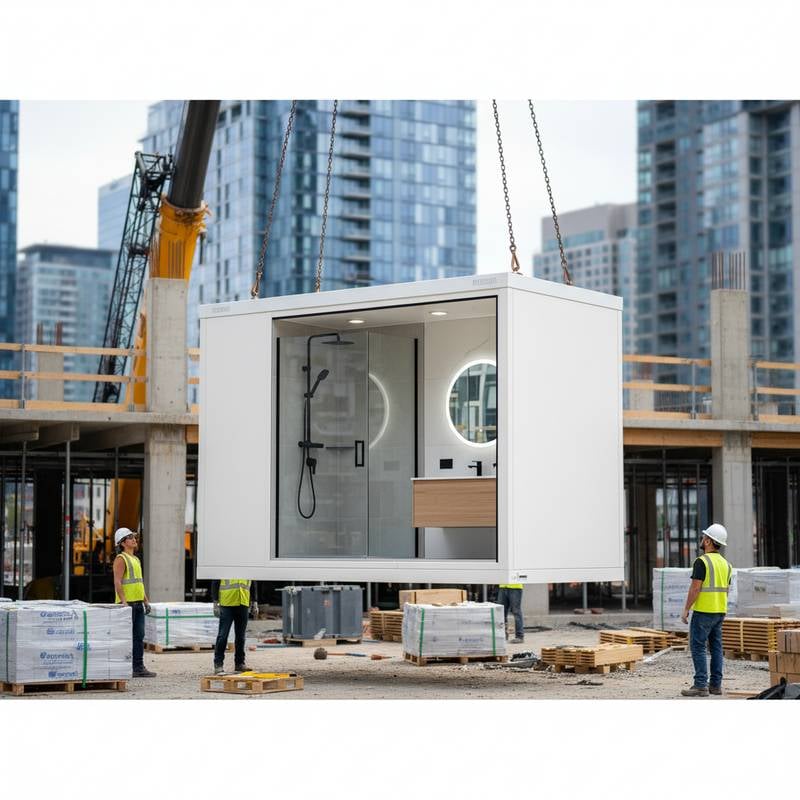
Manufacturers construct prefab bathroom pods within controlled factory settings, adhering to precise blueprints, before transporting them to the site as self-contained modules. Each pod incorporates walls, floors, ceilings, lighting, ventilation, and essential fixtures such as sinks, toilets, and showers. Upon arrival, crews position the unit via crane or dolly and link it to the structure's mechanical, electrical, and plumbing networks.
This methodology streamlines on-site activities by limiting the involvement of multiple trades, enhances coordination efforts, and reduces interference with parallel construction tasks. Standardized production environments enforce rigorous quality protocols, guaranteeing uniformity across units.
Accelerated Timelines: A Primary Benefit
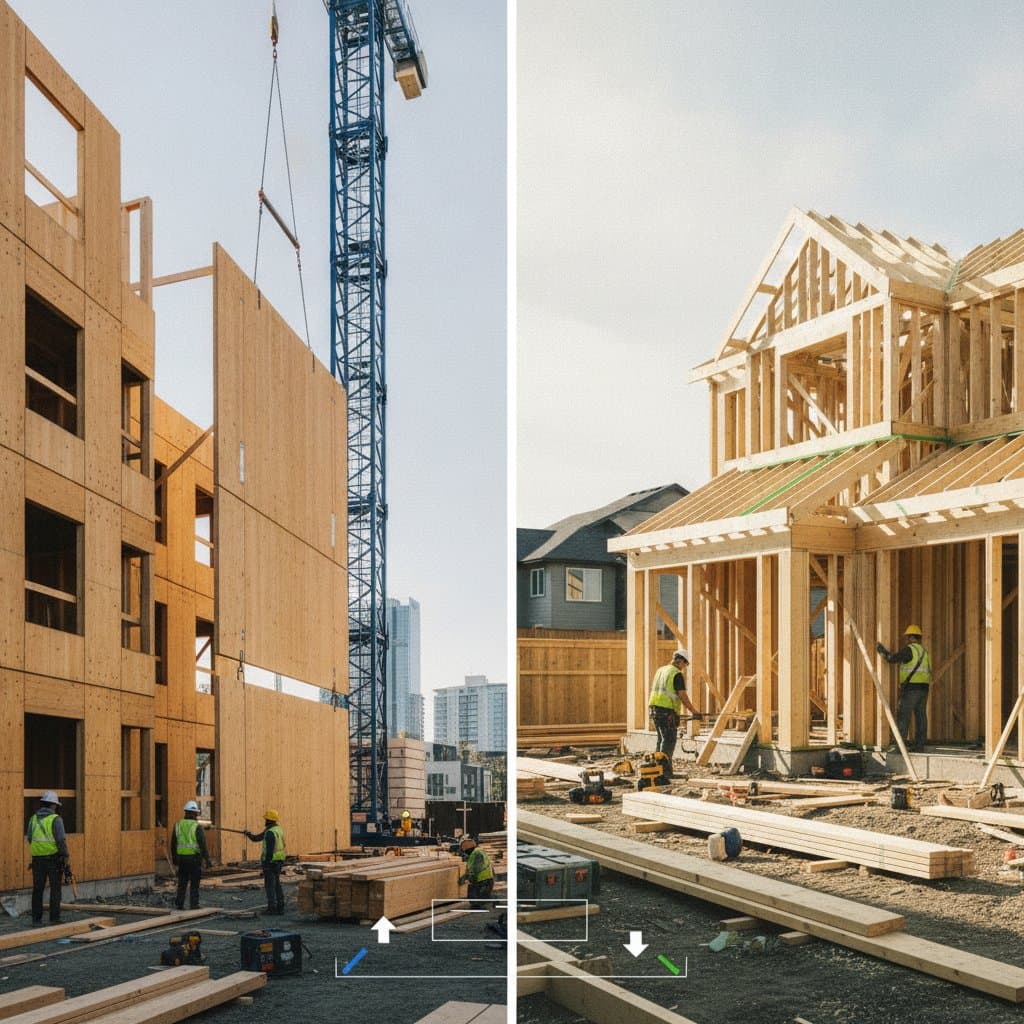
Conventional bathroom construction demands sequential engagement of various trades, including carpenters, plumbers, electricians, tilers, and painters, all operating within confined areas. Dependencies among these trades frequently cause delays that cascade through the project schedule.
Prefab pods circumvent these bottlenecks by enabling parallel production: pods assemble off-site while the primary structure erects on location. Installation occurs rapidly once the framework prepares, often completing in hours rather than days. In extensive endeavors like hotels, hospitals, or multifamily residences, timelines shorten by weeks or months.
Insights from Industry Professionals
Project managers frequently report pod installations concluding in under one hour each. Scaling this efficiency to numerous units yields significant scheduling advancements. Such reductions facilitate prompt project finalization and accelerated tenant or user occupancy.
Financial Efficiency and Budget Reliability
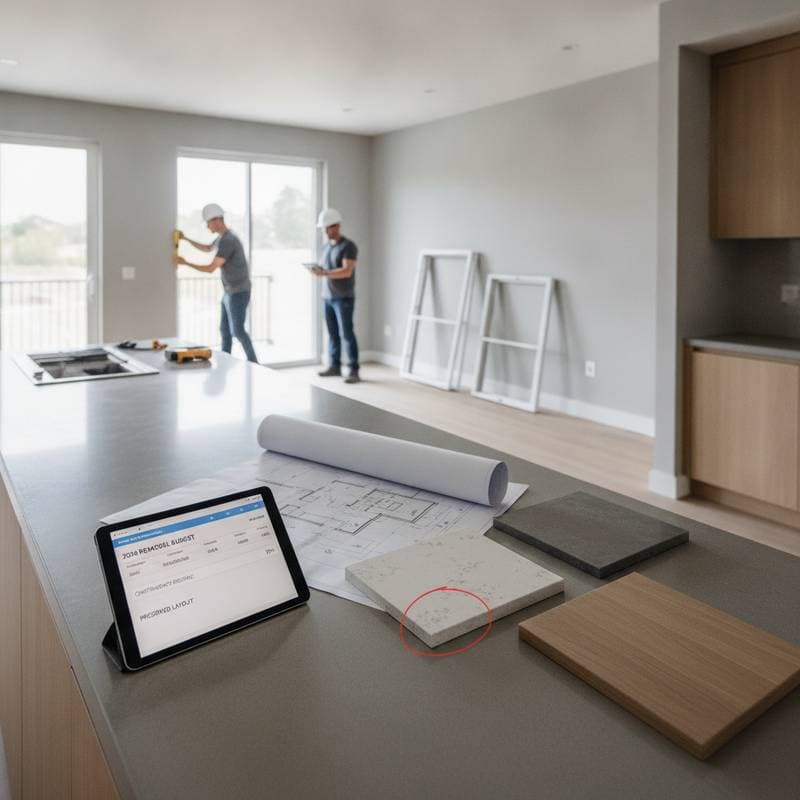
Although the upfront cost per prefab pod may exceed that of a standard bathroom, aggregate project expenditures typically decrease. Economies arise from diminished labor demands, streamlined material logistics, and minimized waste generation. Factory operations support volume procurement and exact material allocation, averting excess usage.
Illustrative Cost Allocation
- Materials and production: Comprises 50 to 60 percent of overall expenses
- Shipping and setup: Accounts for 10 to 15 percent
- Labor and waste reductions: Yields 15 to 25 percent savings versus on-site methods
Indoor fabrication eliminates weather-related interruptions and corrective work, fostering dependable timelines. Accurate forecasting proves essential in expansive projects, where budgetary deviations can escalate rapidly.
Superior Quality and Uniform Standards
Prior to dispatch, every prefab bathroom pod receives comprehensive factory evaluations. Production employs fixtures, molds, and automated processes to achieve precision within millimeters. On-site replication of such exactitude proves challenging, particularly for replicated units.
Pods incorporate resilient materials capable of withstanding transit and assembly rigors. Pre-commissioned waterproofing mechanisms confirm leak-free performance post-installation. Property stakeholders experience reduced warranty obligations and sustained lower upkeep expenditures due to this reliability.
Customization Capabilities
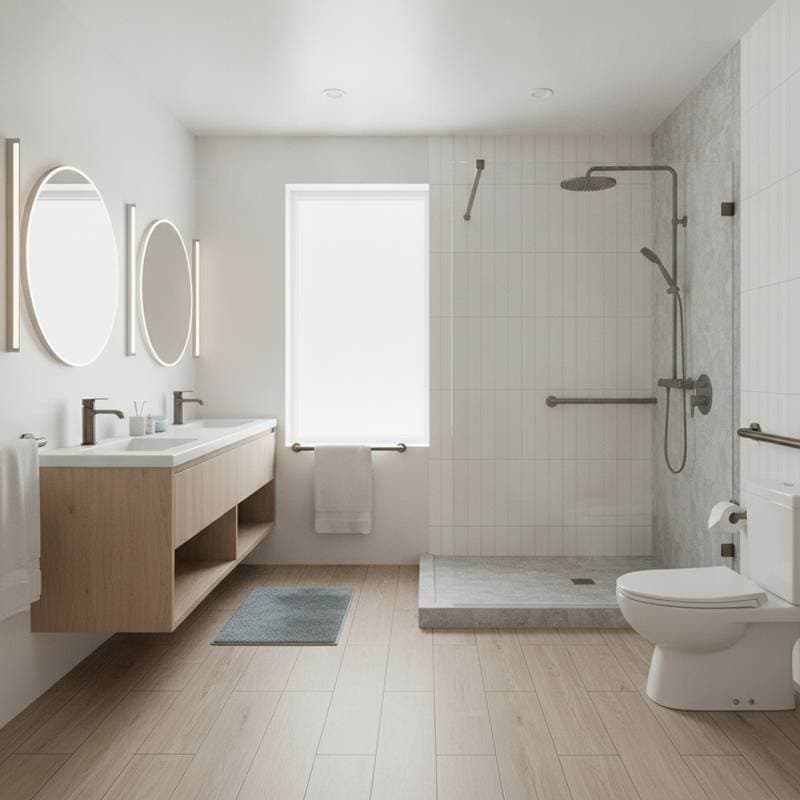
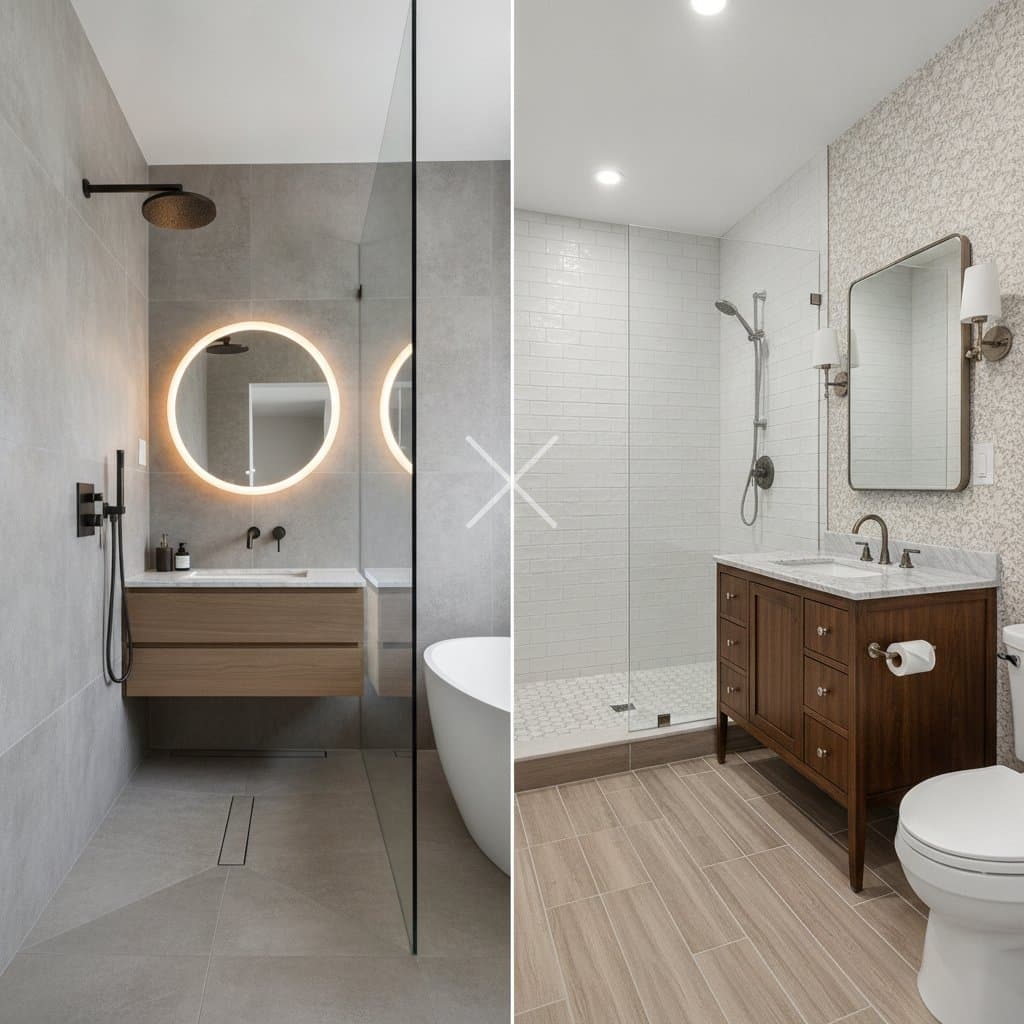
Contemporary prefab pods transcend uniformity, providing diverse material selections like ceramic tiles, solid-surface countertops, or engineered composites for surfaces. Illumination choices span integrated LED arrays to ornamental accents. Adaptations include accessibility accommodations, storage configurations, and airflow enhancements.
Designers integrate these modules into diverse structures, from high-end residences to medical centers. Modular architecture maintains visual coherence while accommodating bespoke specifications.
Environmental Benefits and Waste Minimization
Factory-based prefab production curtails waste compared to field construction. Specialized algorithms optimize material layouts, limiting scraps. Facilities manage recycling of remnants more effectively than site teams. Indoor assembly obviates needs for protective coverings or temporary supports.
Logistics optimize through grouped shipments, decreasing delivery frequency and site traffic. This approach cuts fuel usage and congestion. Coupled with expedited completions, it diminishes the project's environmental impact.
Enhanced Safety and Regulatory Alignment
Bathroom systems demand meticulous integration of plumbing, wiring, and air handling. Prefab pods consolidate these elements under supervised conditions, with each module verified against codes and safety benchmarks prior to shipment.
Engaging Qualified Experts
Professional oversight remains essential for pod deployment and system linkages. Certified specialists manage hydraulic integrations, power hookups, and positional accuracy. In major initiatives, a lead contractor or modular authority coordinates alignment with architectural and utility frameworks.
Improper handling risks structural offsets or impairments, undermining efficiency gains. Confirm contractor proficiency in modular techniques and collaboration with producer support.
Prefab Versus Traditional Construction: A Side-by-Side Analysis
| Aspect | Prefab Bathroom Pods | Traditional Site-Built Bathrooms |
|---|---|---|
| Timeline | Batch completion in days | Individual units span weeks |
| Quality Assurance | Factory-verified standards | Relies on field conditions |
| Budget Stability | Elevated predictability | Subject to fluctuations |
| Waste Generation | Negligible | Substantial |
| Weather Impacts | Eliminated | Routine occurrences |
| Upkeep Challenges | Infrequent | Prevalent |
| Customization Potential | Extensive | Comparable, yet protracted |
Each approach yields viable, appealing bathrooms, yet prefab excels in velocity and dependability.
Optimizing Returns Through Prefab Integration
Developers realize expedited revenue streams via quicker tenancies. Labor and timeline savings curtail financing charges. Uniform pod quality curtails occupant grievances and extends component durability.
Lifecycle advantages include diminished repair needs. Factory-engineered seals mitigate common moisture failures. This dependability safeguards asset worth and operational prestige.
Incorporate pod planning from initial design phases. Early manufacturer consultations align modules with core infrastructure.
Upkeep Strategies and Enduring Performance
Prefab pods prioritize resilience with impermeable finishes that deter microbial growth and humidity. Hermetic seals block ingress, while validated conduits minimize seepage hazards. Appropriate maintenance sustains equivalence or superiority to site-built longevity.
Standard protocols involve gentle cleansing and seal assessments. Component swaps occur without full disassembly, preserving operational continuity in professional environments.
Implementing Prefab Solutions Effectively
Prefab bathroom pods provide tangible gains in velocity, excellence, and fiscal discipline. For overseers of ambitious or deadline-driven ventures, they establish dependable workflows. Smaller-scale efforts similarly profit from reliability and reduced ongoing costs.
Assess timelines, workforce capacity, and stylistic needs for your initiative. Engage modular advisors promptly to confirm system compatibility. Explore producer catalogs for surface treatments, inclusive designs, and spatial adaptations.