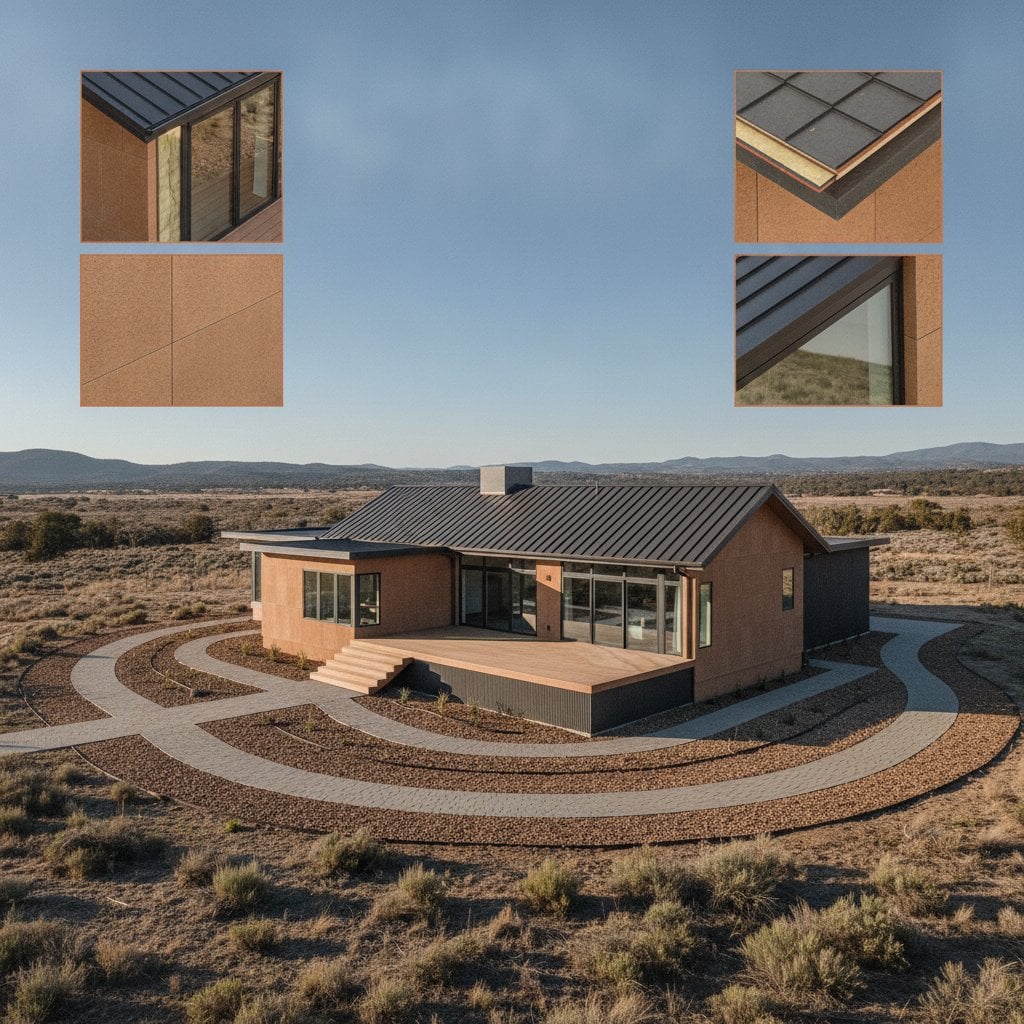
What Wildfire Resistant Materials Will Cost in 2026
Wildfires have become a growing concern for homeowners in many regions. Fire resistant construction is now a practical necessity for safety and long term property value. As demand for resilient materials continues to rise, understanding costs helps with effective planning.
This guide explains what to expect for key fire resistant materials in 2026. It covers performance, maintenance, and professional hiring. Homeowners in high risk zones or those seeking added peace of mind will find clear guidance for budgeting and safer design.
Fire Resistant Roofing Materials
Why Roofing Matters
The roof is often the first surface embers reach during a wildfire. A roof built with Class A fire rated materials can prevent ignition and slow fire spread.
Expected Costs
- Metal roofing: 10 to 20 dollars per square foot installed
- Clay or concrete tile: 12 to 25 dollars per square foot installed
- Class A asphalt shingles: 5 to 9 dollars per square foot installed
Metal and tile roofs can last 50 years or more with minimal maintenance. They offer excellent long term value. Asphalt shingles rated for fire resistance provide a budget friendly option for moderate risk zones.
DIY Versus Professional Installation
Roof installation requires proper flashing, underlayment, and anchoring. Mistakes can lead to leaks or poor fire performance. Hire a licensed roofer for all material types.
Expert Insight
A Class A roof paired with ember resistant attic vents reduces ignition risk by up to 90 percent compared to untreated wood shake roofs.
Windows and Doors
Why Windows and Doors Matter
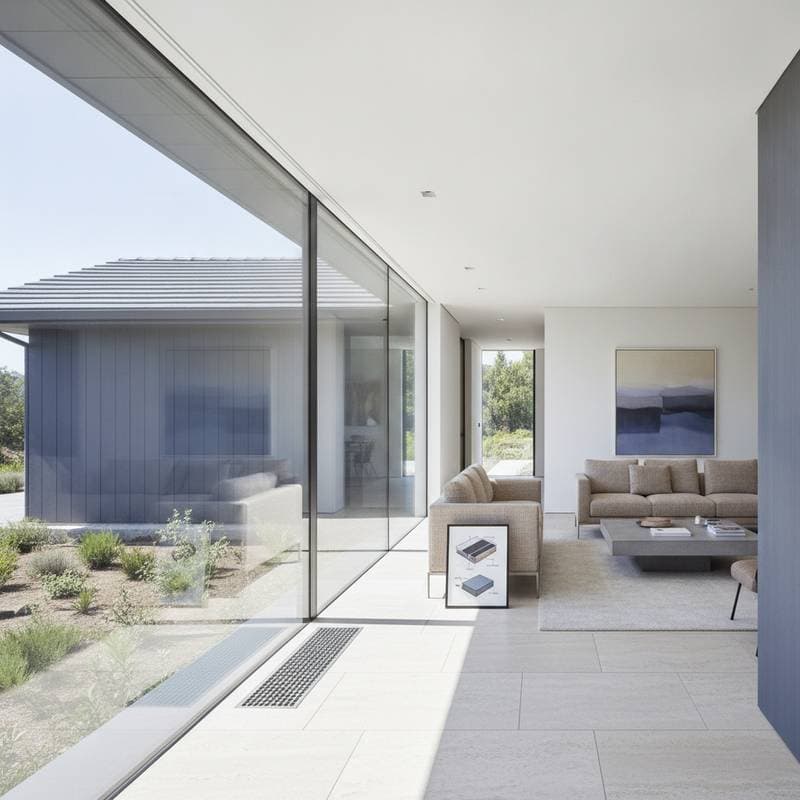
Windows and doors are weak points during a wildfire. Radiant heat can shatter glass and allow embers to enter. Fire rated assemblies help maintain the home protective envelope.
Expected Costs
- Tempered dual pane glass: 60 to 120 dollars per square foot
- Metal framed fire rated windows: 100 to 200 dollars per square foot
- Fire rated exterior doors in steel or fiberglass: 800 to 2000 dollars per door installed
Tempered glass withstands higher temperatures than standard panes. Metal frames resist warping and reduce ember intrusion. Fire rated doors add an extra layer of defense for garage and entry points.
DIY Versus Professional Installation
Window and door replacement requires precise fitting and sealing. Hire a certified installer to ensure compliance with local fire codes and energy standards.
Insulation, Vents, and Ember Protection
Why Insulation and Vents Matter
Embers can enter through vents, crawl spaces, or gaps in insulation. Ember resistant materials limit this risk and improve energy performance.
Expected Costs
- Mineral wool insulation: 1.50 to 3.00 dollars per square foot installed
- Fire rated foam insulation: 2.50 to 4.50 dollars per square foot installed
- Ember resistant vents: 40 to 120 dollars each installed
Mineral wool offers excellent fire resistance and sound control. Specialty vents use fine mesh screens or baffles that block embers while allowing airflow.
DIY Versus Professional Installation
Installing ember resistant vents is a manageable DIY task with basic tools. Insulation upgrades are best handled by professionals to ensure full coverage and fire rated sealing.
Cost Saving and ROI Strategies
Combine Upgrades
Bundling multiple fire resistant upgrades during one project can lower labor costs by 10 to 20 percent. Combine siding replacement with new vents and soffits for efficiency.
Insurance Discounts
Homes built with Class A roofs, noncombustible siding, and ember resistant features often qualify for insurance reductions of 5 to 20 percent. Reductions depend on the provider and region.
Long Term Value
Fire resistant materials may cost more initially. They extend lifespan, reduce maintenance, and boost resale value. A home marketed as wildfire resistant attracts more buyers in high risk zones.
Regional Pricing
Material availability and transportation costs influence pricing. Expect higher costs in remote areas or regions with limited supplier competition. Urban markets may see better pricing due to volume.
When to Hire a Professional
Structural or Code Requirements
Major installations such as roofing, exterior walls, and deck framing must follow local fire codes. A licensed contractor ensures compliance and can handle required inspections or permits.
Electrical and Vent Systems
Never attempt to modify venting near electrical or gas lines without professional help. Incorrect work can create new hazards.
Choosing the Right Professional
Look for contractors with certification in wildfire resistant construction or WUI standards. Ask for references, proof of insurance, and recent project photos. A detailed written estimate should outline material brands, quantities, and installation methods.
Common Questions
Do all fire resistant materials look industrial?
No. Many fiber cement, composite, and metal finishes now mimic natural wood or stone. They blend safety with attractive design.
How often do fire resistant materials need maintenance?
Most require only periodic cleaning and inspection. Repaint or reseal siding every 10 to 15 years for maximum protection.
Will noncombustible materials make a home completely fireproof?
No material is entirely fireproof. These products dramatically reduce ignition risk and slow fire spread. They give firefighters more time to respond.
Can an existing home be retrofitted with fire resistant materials?
Yes. Start with roofing, siding, and vents. These upgrades deliver the highest safety gains without full reconstruction.
Is defensible space still needed with fire resistant materials?
Yes. Maintain at least 30 feet of cleared vegetation around the home. Fire resistant materials perform best when combined with proper defensible space.
Ongoing Property Protection
Protecting property from wildfire blends smart material choices with consistent upkeep. Inspect roofs, vents, and siding annually to confirm seals remain intact. Keep gutters clear of pine needles and debris. Review insurance coverage after major upgrades to ensure accurate replacement values.
When planning the next remodel or new construction project, think beyond aesthetics. Fire resistant materials provide safety, durability, and peace of mind.