Top Materials That Slow Wildfire Ignition in Homes
Building a wildfire resistant home starts with materials that resist ignition, reduce heat transfer, and block ember entry. Homeowners can handle smaller tasks such as vent replacement or gap sealing, while larger projects like roof or siding replacement require a licensed contractor. Costs vary from modest for individual vent upgrades to substantial for complete exterior changes. The process carries moderate difficulty and takes anywhere from a few hours to several days based on project size.
Quick Assessment Before Work Begins
- Identify combustible surfaces such as wood shingles, untreated lumber, or plastic trim.
- Confirm that areas near decks and eaves use noncombustible or fire rated products.
- Verify local building codes and permit requirements before starting.
- Prepare safety measures including stable ladders and eye protection.
Step by Step Exterior Upgrades
Inspect Current Surfaces
Walk the perimeter and note any exposed wood or vinyl near the ground or roofline. Surfaces within five feet of the ground should receive priority attention because embers often collect there first.
Improve Roofing Performance
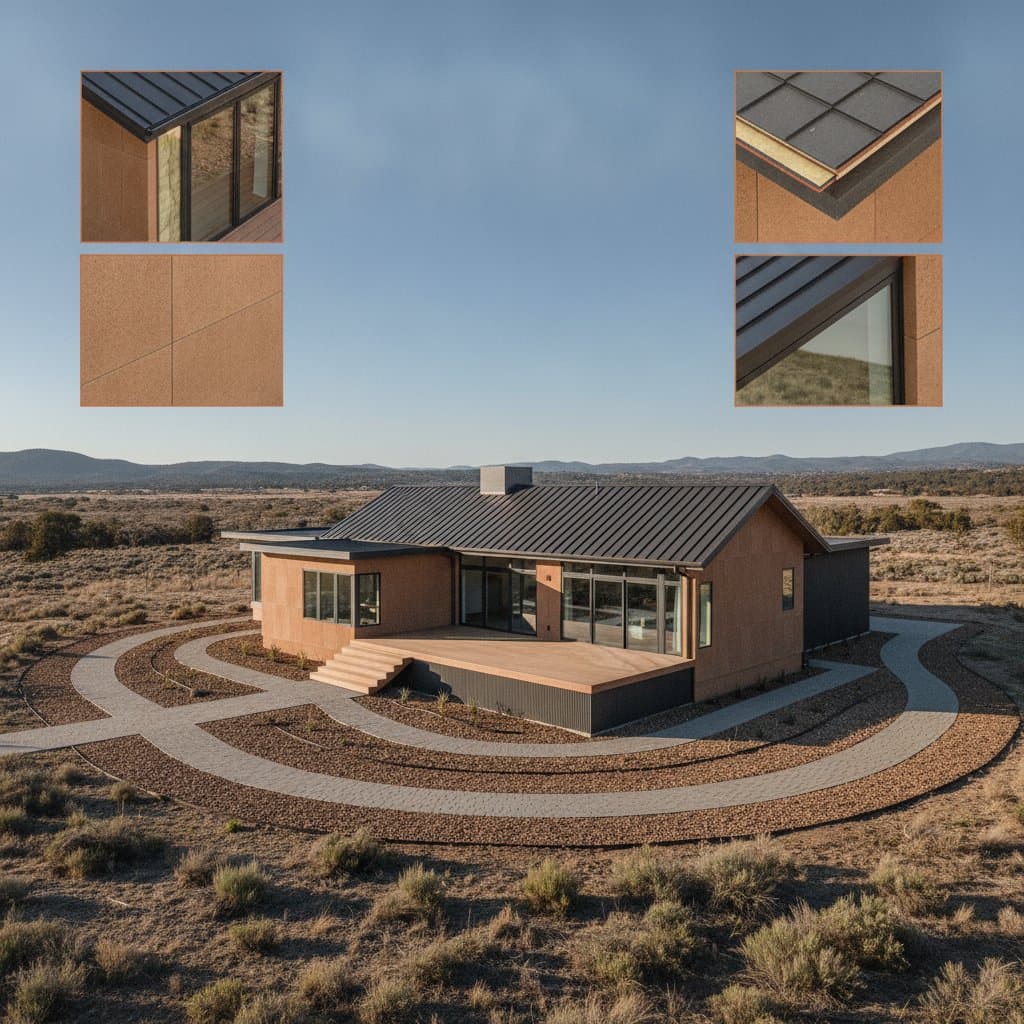
Install a Class A rated roof system such as standing seam metal, concrete tile, or clay tile. Add metal drip edge flashing along all eaves and seal every penetration to prevent ember intrusion under the covering.
Upgrade Wall Coverings
Apply fiber cement board, stucco, or metal panels over fire resistant sheathing. These options maintain structural integrity longer under heat exposure than untreated wood or vinyl.
Close All Openings
Apply fire rated caulk at window frames, door thresholds, and utility penetrations. Even narrow gaps allow embers to reach insulation or framing and start concealed fires.
Install Protective Vents
Replace standard attic and crawl space vents with models that include metal mesh no larger than 1.6 millimeters. The mesh blocks embers yet permits necessary airflow when kept clear of debris.
Strengthen Windows and Doors
Fit double pane or tempered glass windows and solid core or metal clad exterior doors. Ensure weather stripping remains intact so heat and embers cannot pass through gaps.
Shield Decks and Overhangs
Cover deck framing with metal flashing and use fire rated composite or metal deck boards. Enclose open eaves with fiber cement panels so no wood remains exposed within three feet of the main structure.
Ongoing Quality Checks
Examine the exterior after high wind events or nearby fires for new gaps or heat damage. Replace warped vent screens promptly to keep ember protection effective.
Situations That Require Professional Help
Contact a licensed contractor for roof framing changes, work near electrical lines, load bearing wall modifications, or new window installation. Request written confirmation that all products meet Class A or equivalent fire ratings and verify current licensing and insurance coverage.
Daily Habits That Extend Protection
Maintain a five foot noncombustible zone of gravel or concrete around the foundation. Store firewood and fuel containers at least thirty feet from the house. Keep tree branches trimmed so they never touch the roof or siding, and follow local vegetation clearance rules each season.
Each completed upgrade reduces the pathways fire can follow into the structure. Over time these improvements lower both damage risk and insurance costs while increasing overall property resilience.