Mass Timber vs Traditional Framing: 2026 Cost Breakdown
Choosing a framing system ranks among the most important decisions in any building project. The method selected shapes total expenses, structural performance, environmental results, and ongoing upkeep. Mass timber, particularly cross-laminated timber panels, now serves as a viable option alongside conventional lumber framing for commercial buildings, multi-family housing, and custom residences.
This overview details material differences, current pricing ranges, and practical steps for evaluating each approach. It also covers design coordination, installation timelines, and long-term value considerations.
Material and Labor Cost Comparison
Material pricing depends on location, project scale, and supplier access. Conventional framing uses readily available dimensional lumber that contractors can source locally in most regions. Prices remain relatively stable because production occurs at high volume.
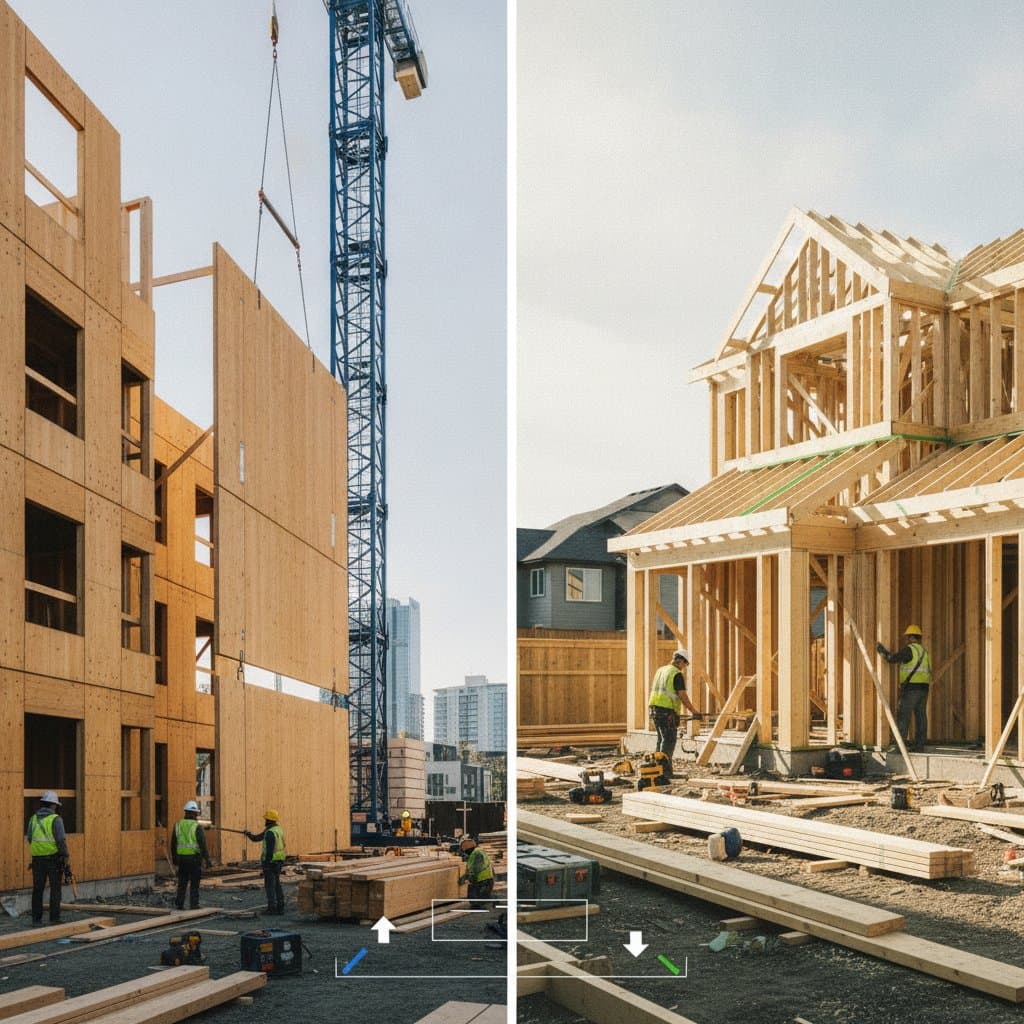
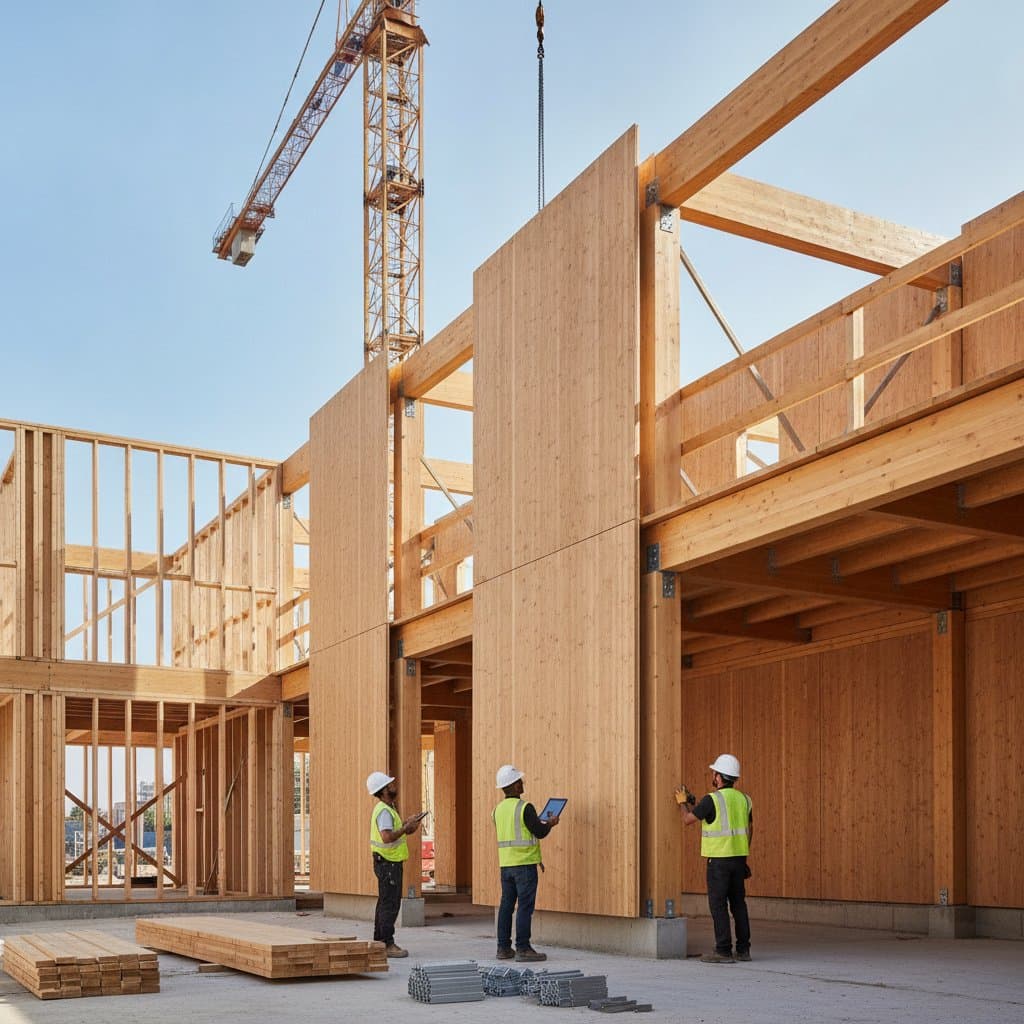
Mass timber panels require factory fabrication and longer shipping distances. These factors raise the base material cost per square foot. Builders offset part of the premium through reduced on-site cutting and fewer workers needed during erection.
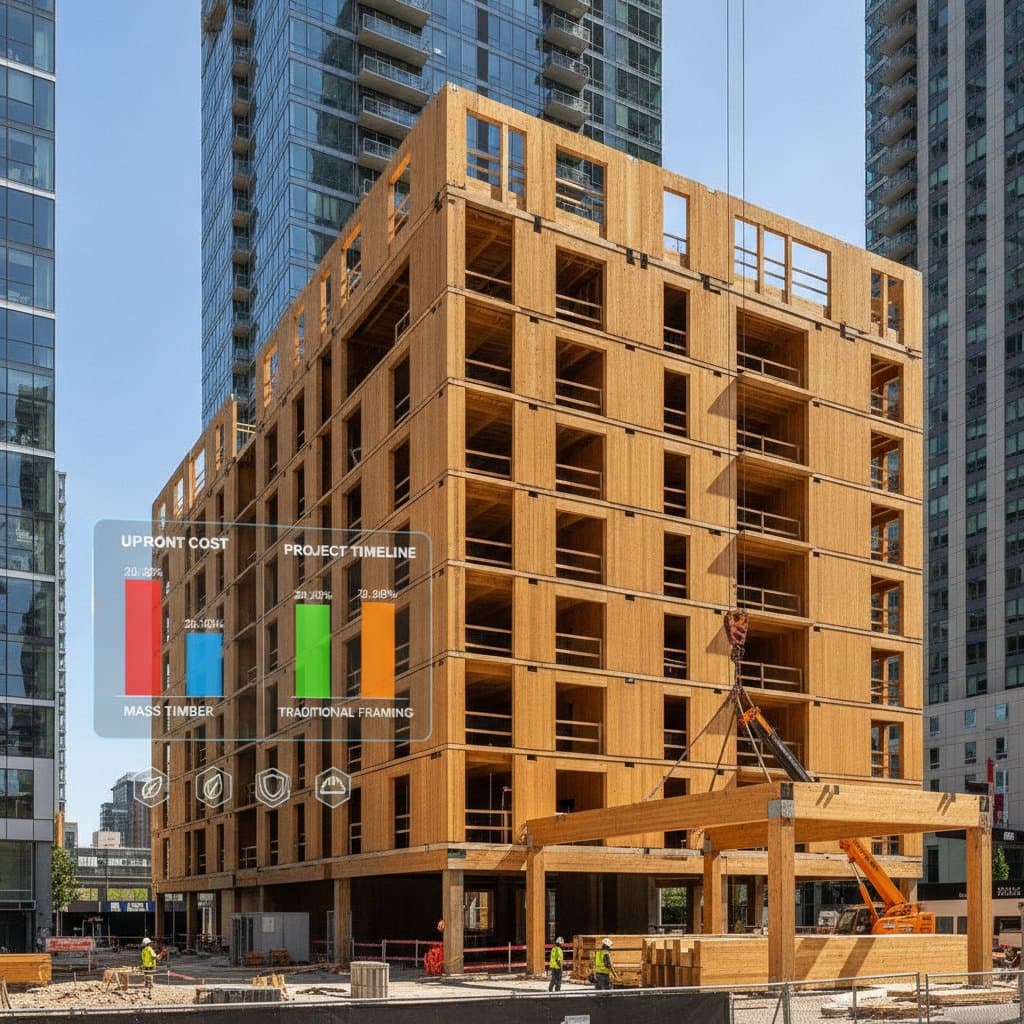
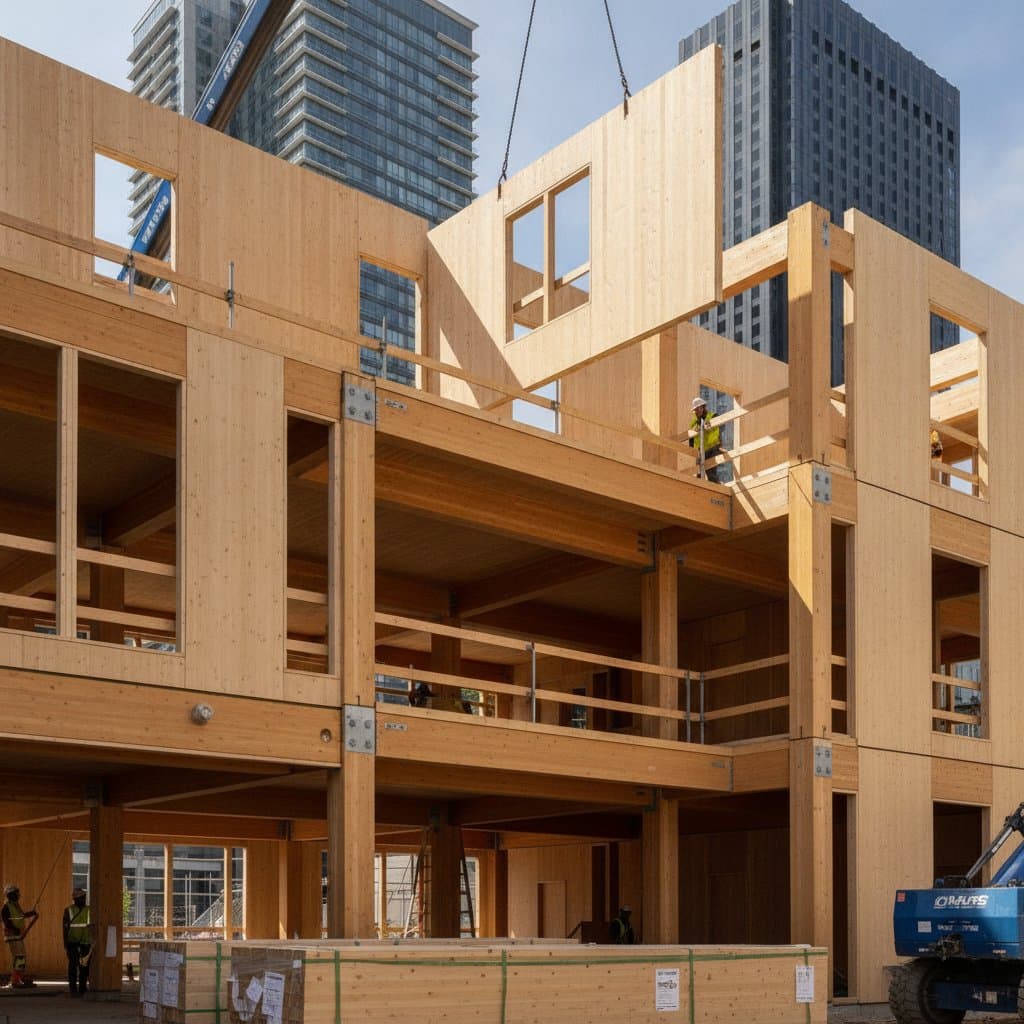
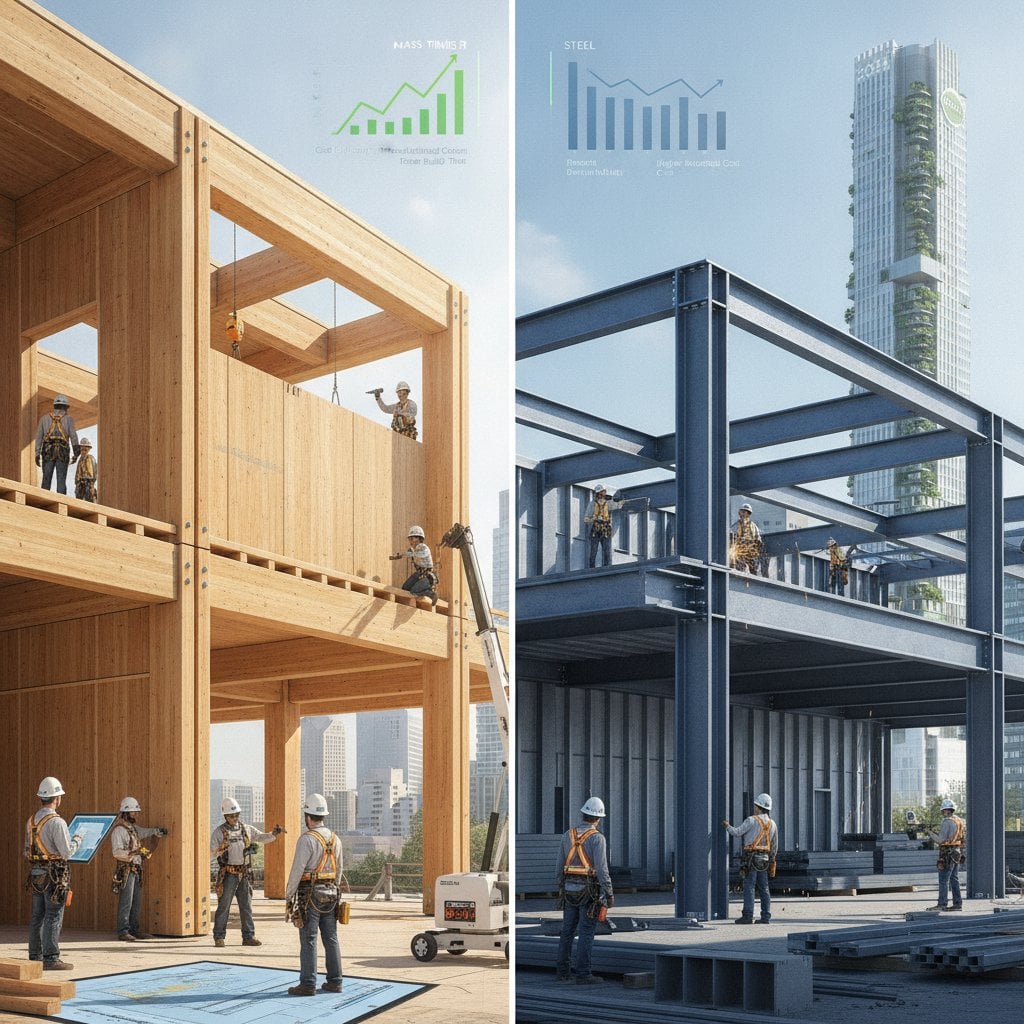
Labor for conventional framing involves repeated measuring, cutting, and fastening of individual members. Weather exposure can extend schedules. Prefabricated mass timber panels arrive cut to final dimensions, allowing crews to set floors and walls in days rather than weeks. The time savings lower financing costs and accelerate revenue generation for rental properties.
Design, Engineering, and Logistics Factors
Mass timber projects demand early involvement from engineers experienced with panel connections and load paths. Architects must coordinate panel layouts to minimize waste. These added professional services increase initial fees yet reduce field changes during construction.
Transportation of large panels calls for wide-load permits and mobile cranes on many sites. Conventional lumber arrives on standard flatbed trucks and can be stored in smaller staging areas. Projects on constrained urban lots therefore favor traditional framing unless crane access is already planned.
Cost Expectations by Building Type
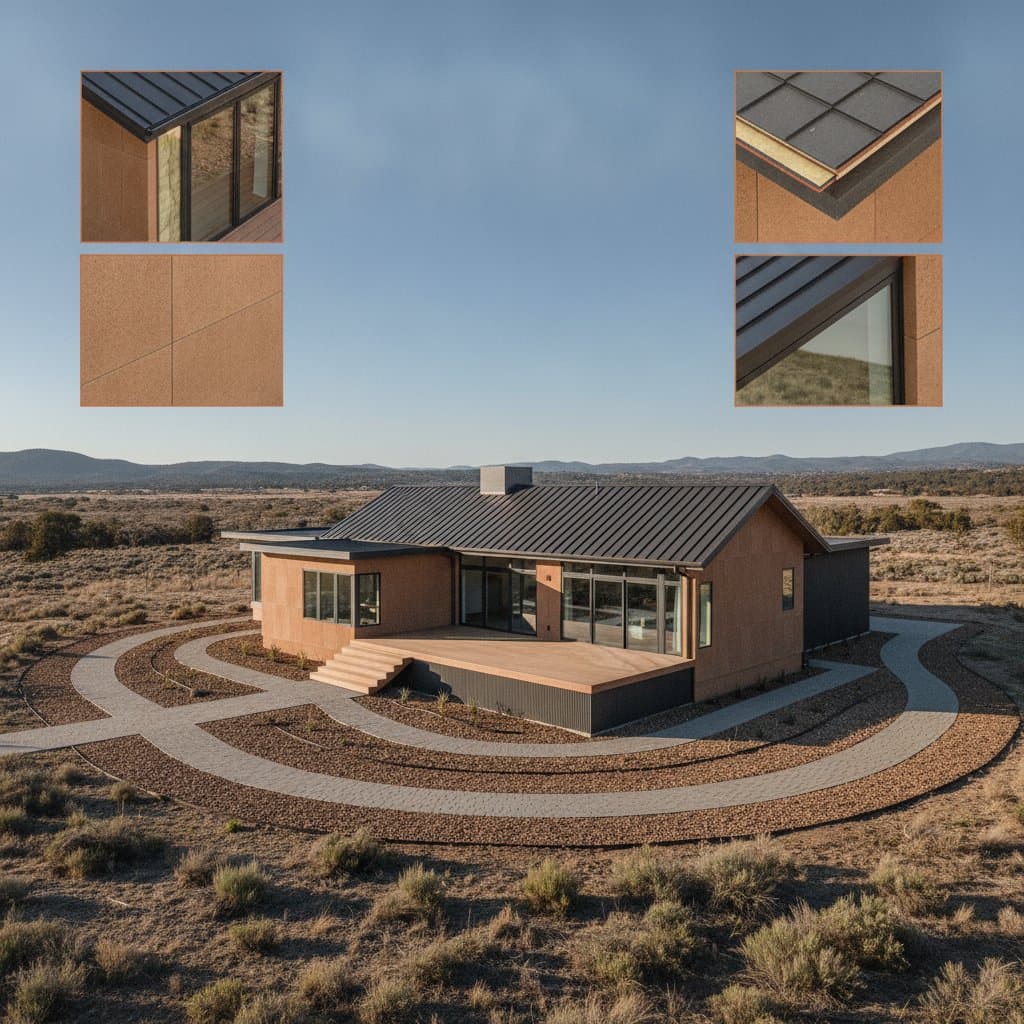
Single-family homes continue to favor conventional framing for budget-driven clients. Mass timber appears mainly in custom homes that emphasize exposed wood surfaces and reduced energy use.
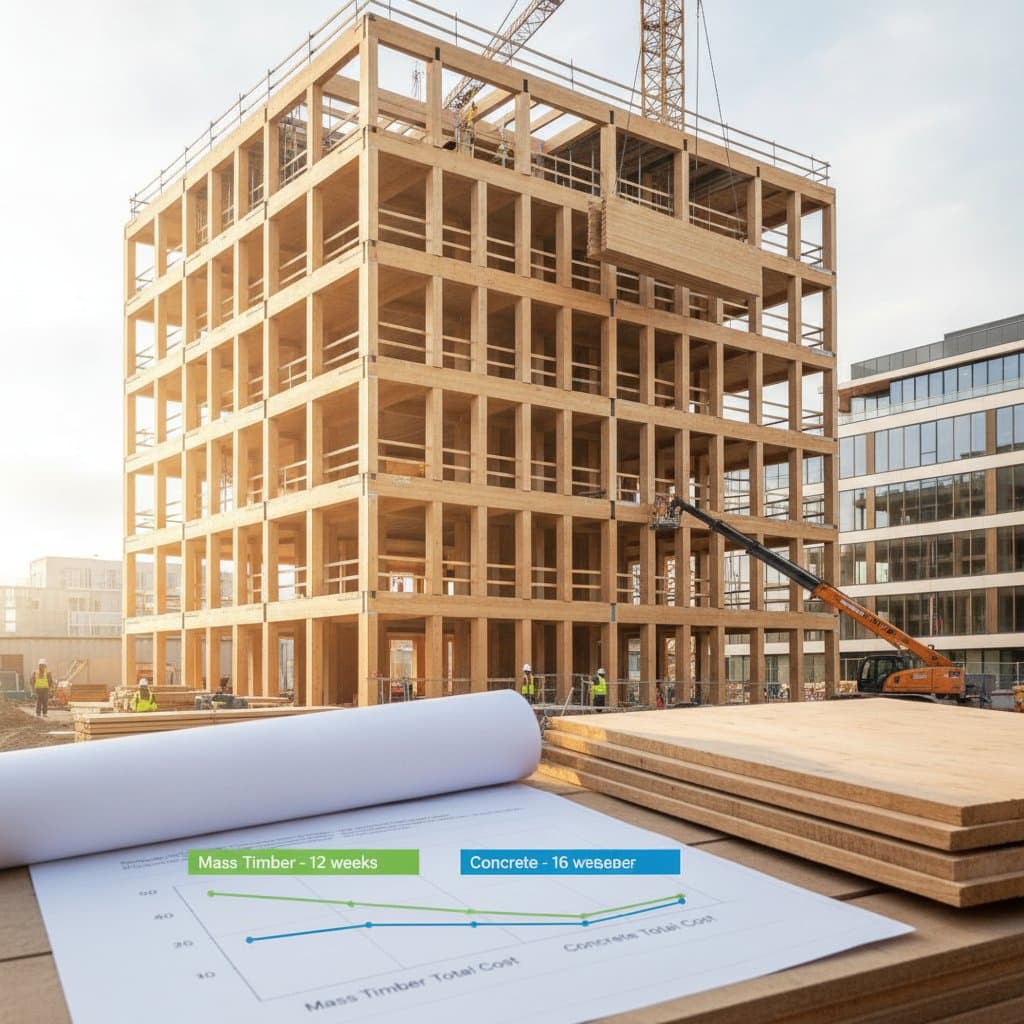
Mid-rise apartments reach closer cost parity with mass timber. Faster floor cycles shorten the overall schedule and reduce interest during construction. Local height limits and labor availability still determine the better choice.
Office buildings and schools gain from the long clear spans and finished appearance of mass timber. Reduced foundation loads can lower concrete volumes enough to offset some material premiums.
Warehouse and industrial facilities rarely adopt mass timber except when sustainability certification is a priority. Steel or conventional framing remains standard for these uses.
Budget Planning Steps
Assess regional panel manufacturers first. Proximity cuts freight charges and speeds delivery. Next, review span and load requirements with the structural engineer to identify possible foundation savings.
Confirm fire-resistance and sound-transmission needs early. Additional gypsum layers or coatings may be required and should appear in the budget. Exposed timber ceilings can eliminate drywall and paint on many interior surfaces, producing direct savings.
Protect both systems from moisture with proper flashing and air barriers. Mass timber benefits from factory-applied sealers at panel joints, while conventional framing relies on continuous housewrap and vapor retarders.
Project Decision Process
Obtain bids from contractors experienced with each system. Request line items that separate material, labor, crane time, and finishing costs. Compare total project duration and carrying costs rather than material prices alone. Many owners discover that mass timber reaches equivalent or lower total cost once schedule and operational benefits are included.
Select the framing method that aligns with project height, timeline, and sustainability targets.