Mass Timber Construction Costs in 2026
Mass timber offers a durable and sustainable option for larger building projects. This guide covers realistic cost ranges, permit steps, and compliance practices that support accurate planning.
Cost Ranges and Project Timelines
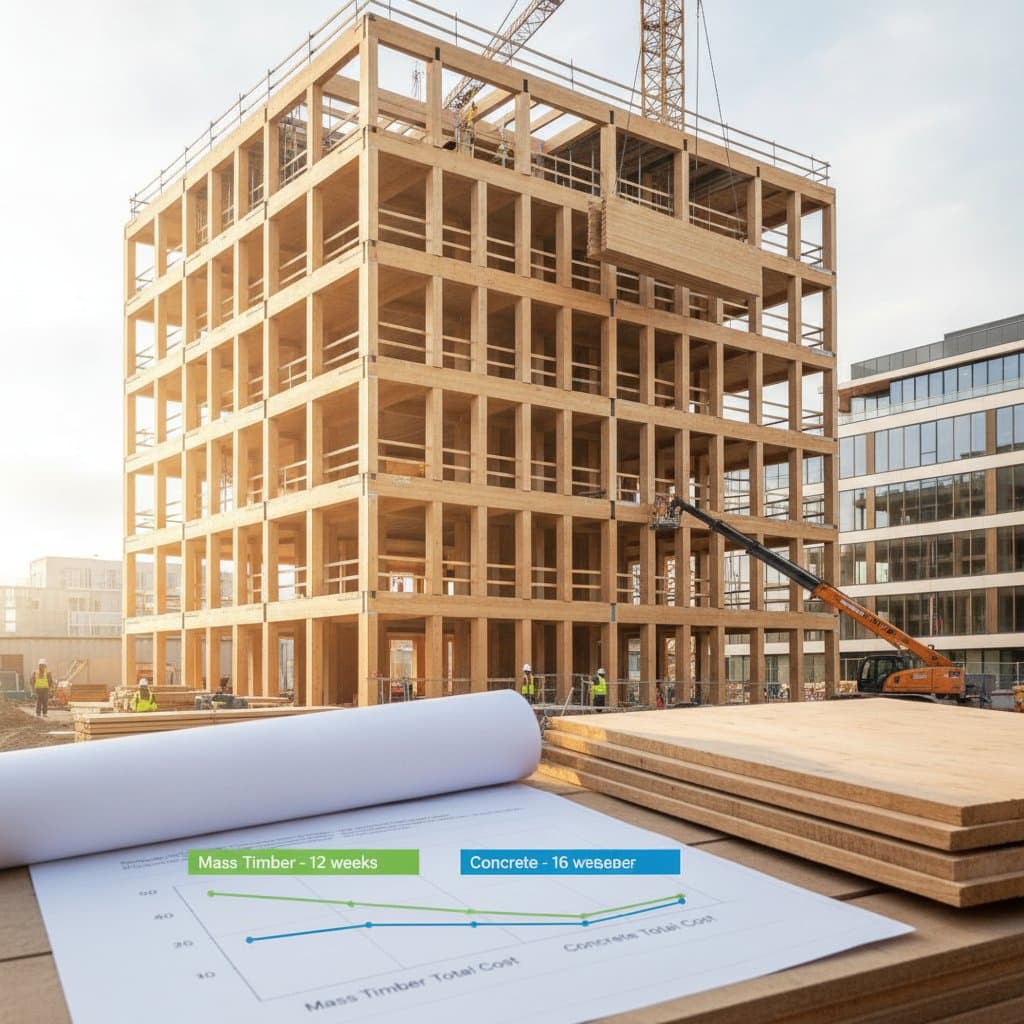
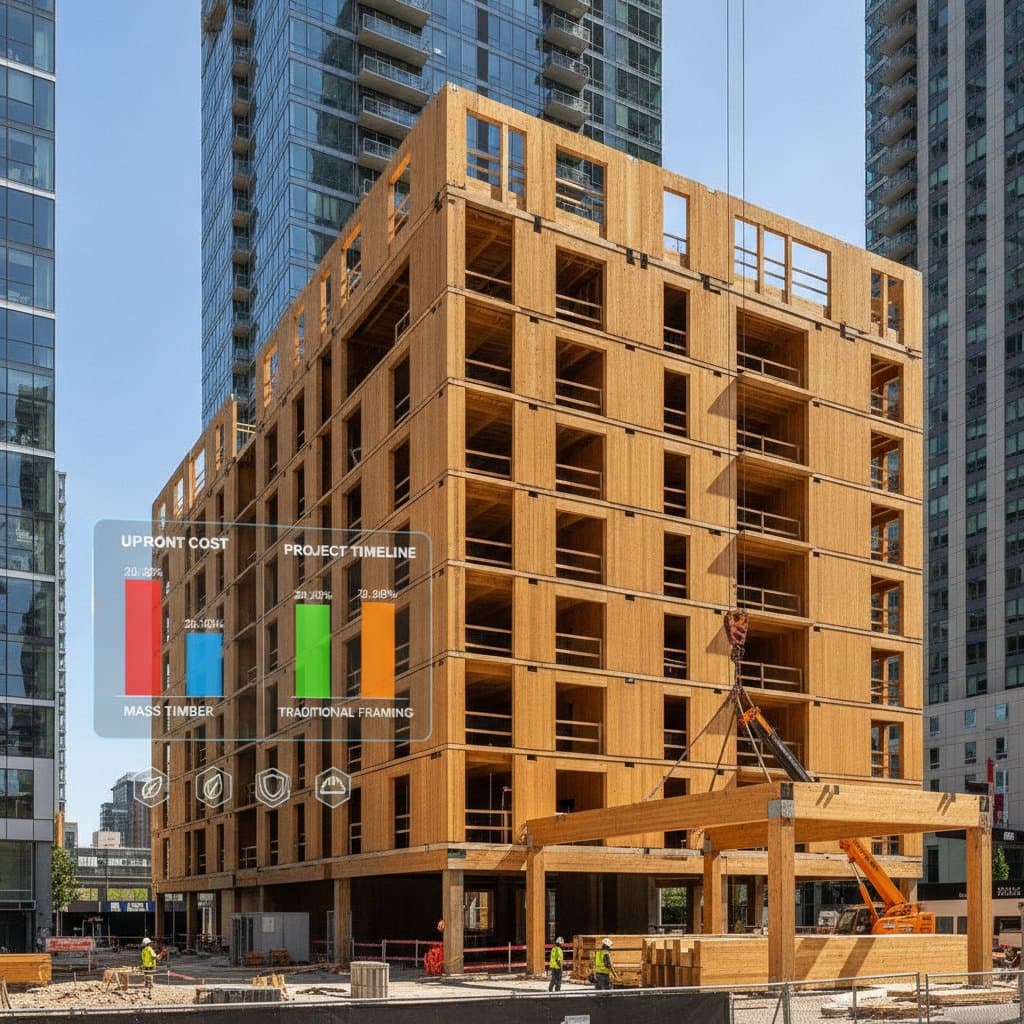
Complete mass timber projects typically fall between 250 and 400 dollars per square foot. Final pricing reflects design complexity, regional labor rates, and material supply conditions. Primary expenses arise from cross-laminated timber panels, glulam beams, and connection hardware.
Material costs break down as follows. Cross-laminated timber panels run 8 to 15 dollars per square foot. Glulam beams cost 6 to 12 dollars per linear foot. Fasteners and hardware add 2 to 4 dollars per square foot. Finishes and coatings require 3 to 7 dollars per square foot.
Labor and engineering together add 65 to 130 dollars per square foot. Structural engineers, fire consultants, and code specialists contribute an additional 5 to 10 dollars per square foot. Small do-it-yourself structures finish in two to four weeks. Professional multi-story buildings require three to eight months.
Deciding Between Self-Build and Professional Teams
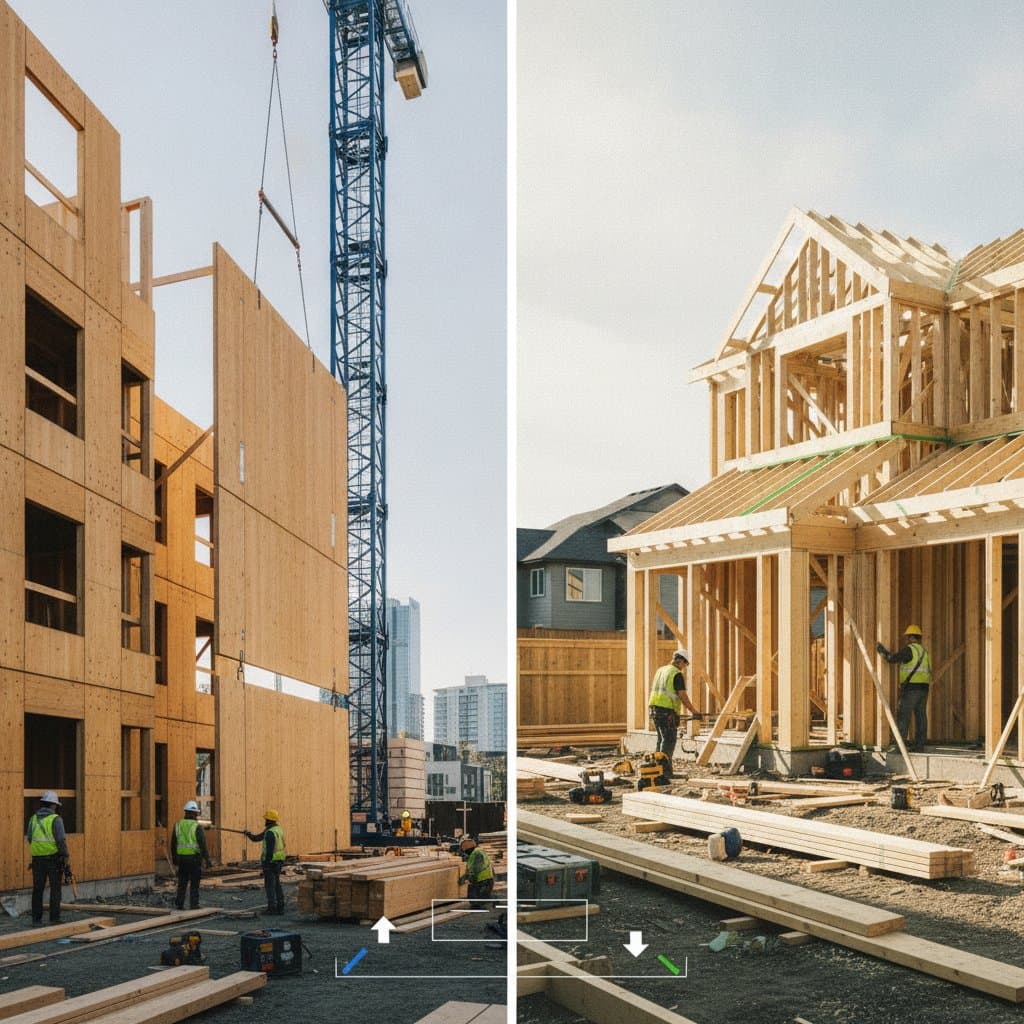
Small outdoor structures or single-story pavilions remain feasible for builders experienced with framing and load paths. Pre-cut panels reduce assembly time on these limited projects.
Professional involvement becomes necessary once any of the following conditions appear. The structure rises above one story. Local codes demand fire performance documentation. Mixed materials such as steel or concrete enter the design. Stamped engineering drawings are required for permit submission.
Self-build efforts can reduce labor expenses by up to thirty percent. Errors, however, often generate larger correction and delay costs. Professional teams supply coordinated design and smoother permit navigation that frequently offset higher initial fees.
Required Steps for Code Compliance
-
Review zoning rules and building codes for height limits, fire resistance, and seismic criteria. Secure zoning approval before material orders are placed. Confirm that the site satisfies all setbacks and permitted uses.
-
Retain a licensed structural engineer to calculate loads and produce stamped drawings. Include every connection detail and panel specification. Verify that drawings meet submission standards.
-
Submit permit applications with drawings, material data sheets, and fire-resistance reports. Some jurisdictions also request environmental documentation on timber sourcing. Obtain approval without outstanding corrections.
-
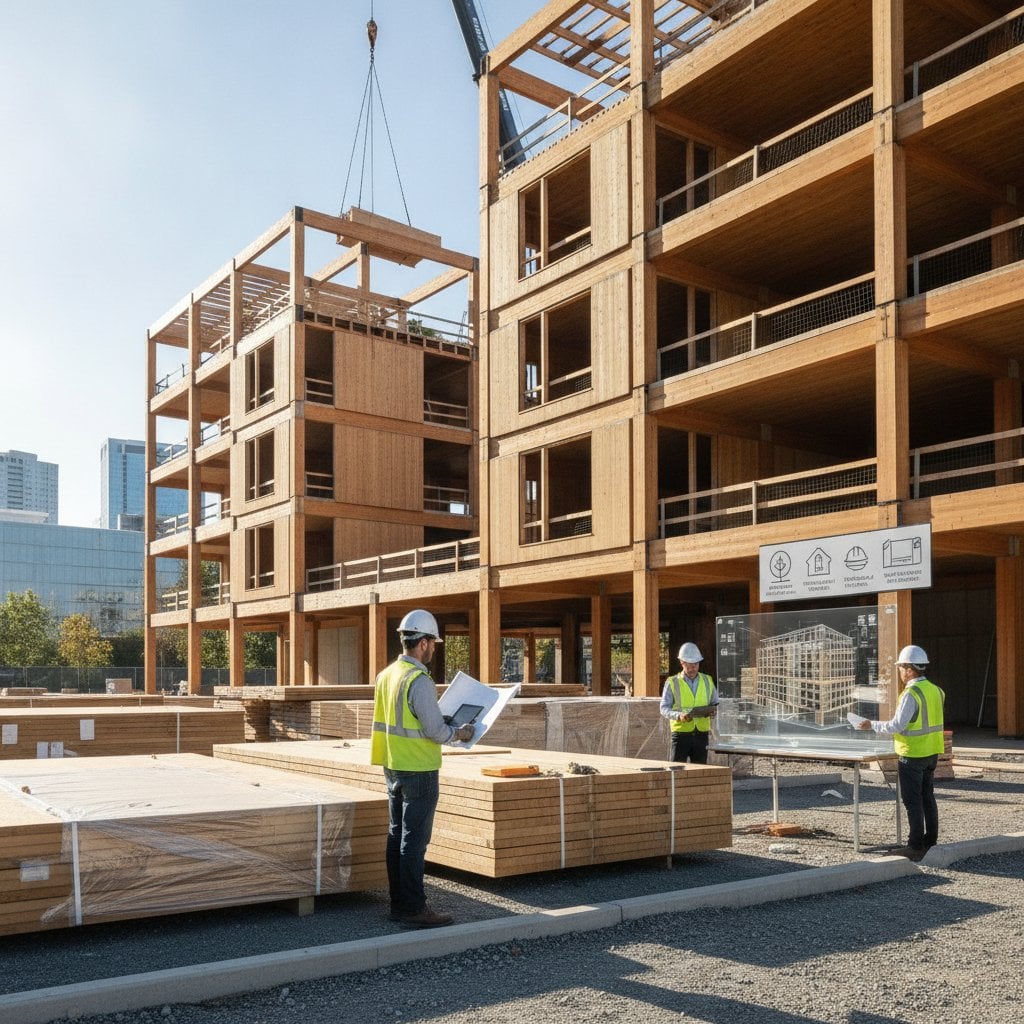
Inspect delivered panels for correct dimensions and moisture content. Store them level and under cover. Confirm that panels arrive undamaged and match specified grades.
-
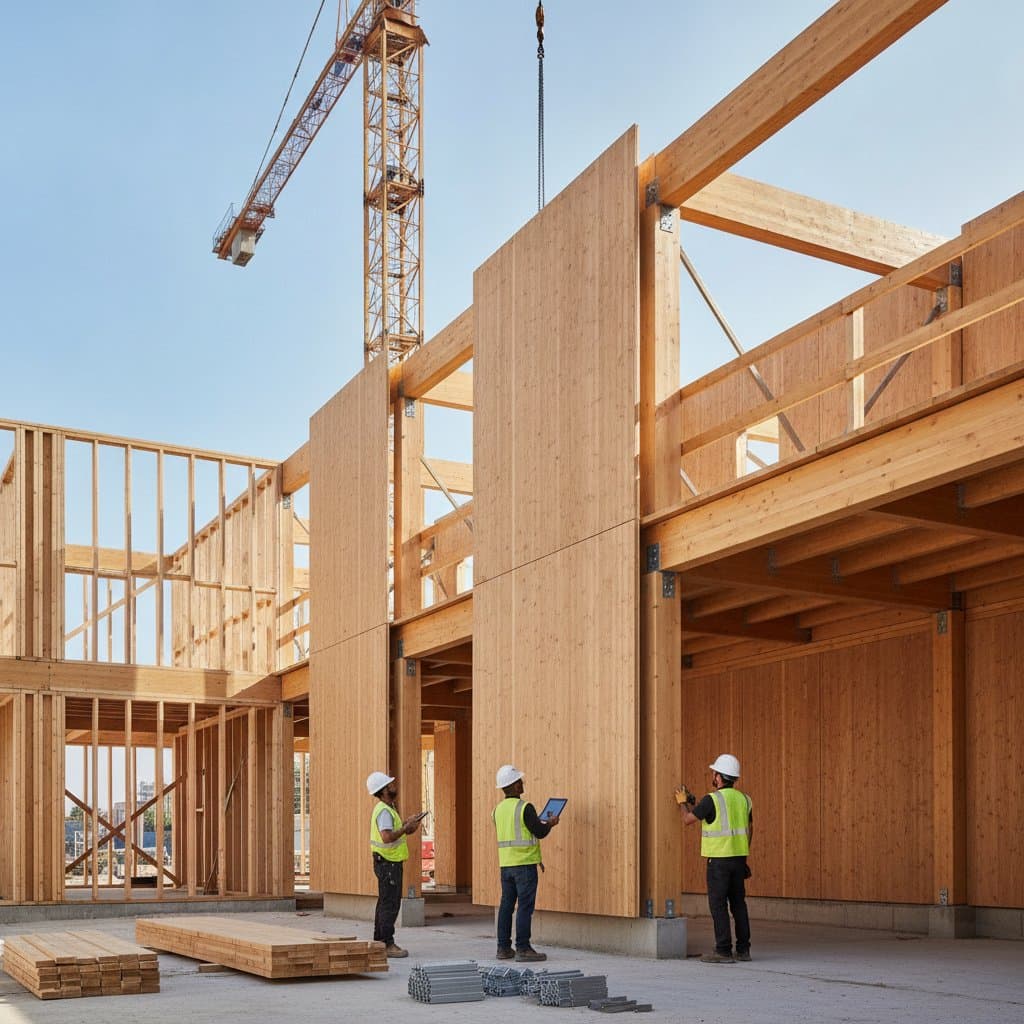
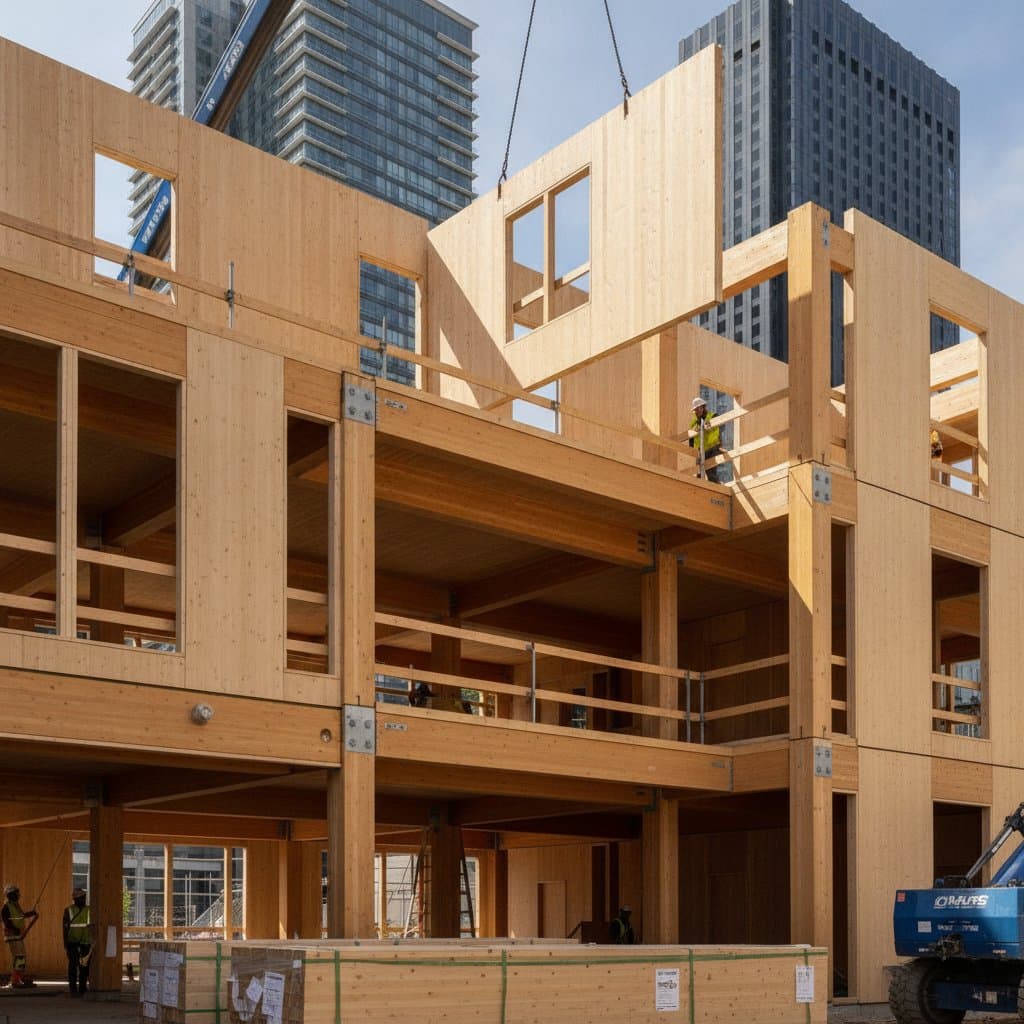
Assemble components with certified lifting equipment and follow manufacturer torque values. Maintain level panels and tight joints throughout erection.
-
Apply required sealants and coatings. Schedule the final inspection and secure occupancy approval.
Safe Handling Practices
Cross-laminated timber panels often weigh several hundred pounds. Cranes or forklifts must be used; manual lifting is prohibited. Respirators and gloves protect workers during coating application, and ventilation must remain adequate. Temporary bracing prevents wind-induced movement during staging.
Common Installation Issues and Corrections
Warped panels usually result from improper storage moisture; re-dry them before installation. Loose connections require retightening after initial loading. Uneven floors are corrected by shimming supports or re-leveling bearings. Water intrusion is prevented by sealing joints prior to weather exposure.
Material Disposal After Construction
Timber offcuts enter wood recycling or composting streams. Treated wood must never be burned. Metal fasteners are separated for standard metal recycling.
Ongoing Care and Service Life
Annual inspections of exposed surfaces detect moisture damage or delamination early. Protective finishes are renewed every five to seven years. Well-maintained mass timber buildings commonly remain serviceable for several decades.
When Expert Support Is Required
Contact qualified professionals if structural movement, panel cracking, or concealed water damage appears. Permit complications or failed inspections also warrant immediate assistance. Engineering consultation typically costs 150 to 250 dollars per hour. Structural repairs range from 20 to 40 dollars per square foot.
Contractor selection should verify current licensing, insurance coverage, documented experience with cross-laminated timber or glulam systems, project references, and workmanship warranties.
Preparing for a Successful Build
Confirm all design loads and involve the local building department before fabrication begins. Maintain complete records of permits, inspections, and supplier specifications to support long-term performance.