Fire-Resistant Materials Cost Between 4 and 14 Dollars Per Square Foot in 2026
Analyzing 2026 Prices for Fire-Resistant Building Materials
Homeowners in fire-prone regions face growing pressure to strengthen their properties against wildfire threats. Fire-resistant building materials have become essential for safety, insurance compliance, and long-term property value. Understanding what drives material costs and how to budget for them helps you make informed decisions when planning a remodel or new build.
This guide reviews the current cost trends for key fire-resistant materials. It explores how supply and regional factors influence pricing. It also offers advice for balancing performance with budget.
Fire-Resistant Roofing
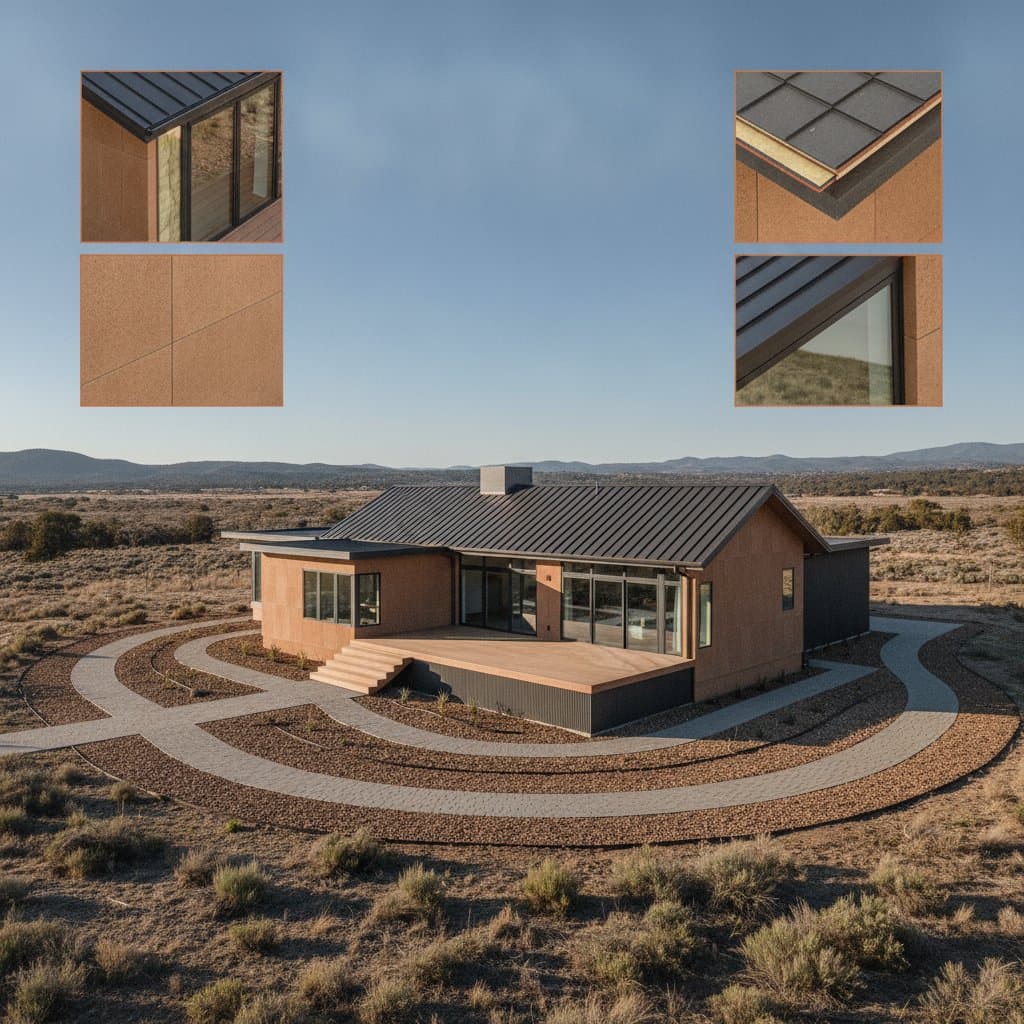
A roof is often the first line of defense against airborne embers. Choosing a Class A fire-rated product can help prevent ignition and slow fire spread.
Typical costs include the following:
- Asphalt shingles with fire-rated underlayment: 4 to 6 dollars per square foot installed
- Concrete or clay tile: 7 to 12 dollars per square foot
- Metal roofing: 9 to 14 dollars per square foot
Roofing requires proper flashing, ventilation, and slope management. Even with interlocking panels or shingles, hire a licensed roofer for safety and warranty protection.
Look for metal systems with concealed fasteners and stone-coated finishes that resist corrosion. Verify that tiles meet Class A standards when combined with the correct underlayment.
Windows and Glazing Systems
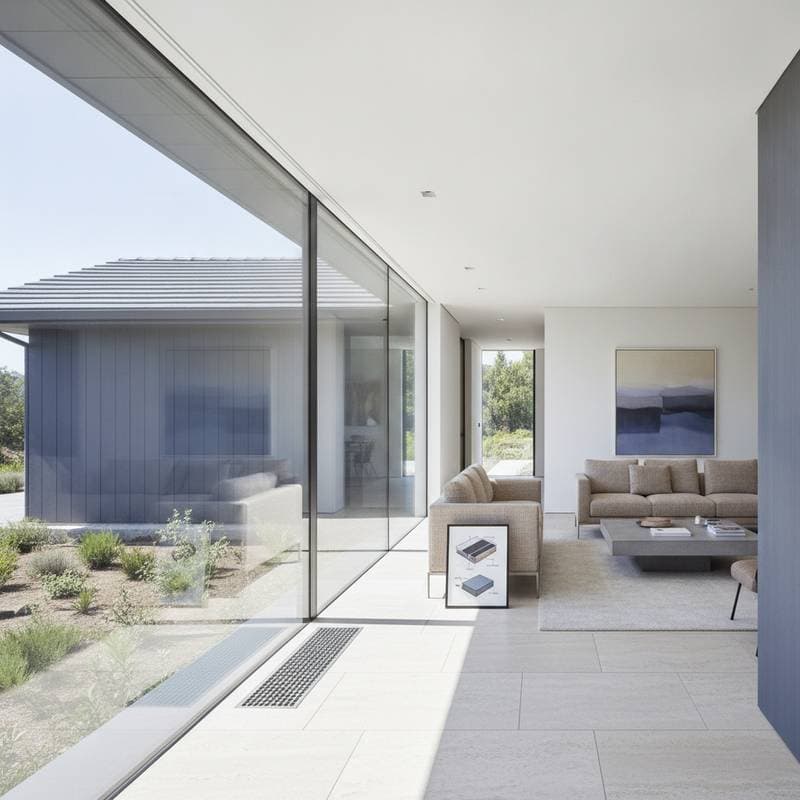
Heat and pressure from nearby fires can cause glass to fail, allowing flames inside. Multi-pane tempered glass withstands thermal stress better than standard panes.
Typical costs include the following:
- Dual-pane tempered glass: 45 to 60 dollars per square foot
- Triple-pane assemblies: 65 to 85 dollars per square foot
- Fire-rated metal-framed units: 90 to 120 dollars per square foot
Replacing windows requires reframing and sealing that meet energy and fire codes. Always use certified installers.
Choose frames made from aluminum or steel rather than vinyl. Install metal screens to block embers and reduce radiant heat exposure.
Insulation and Framing Components
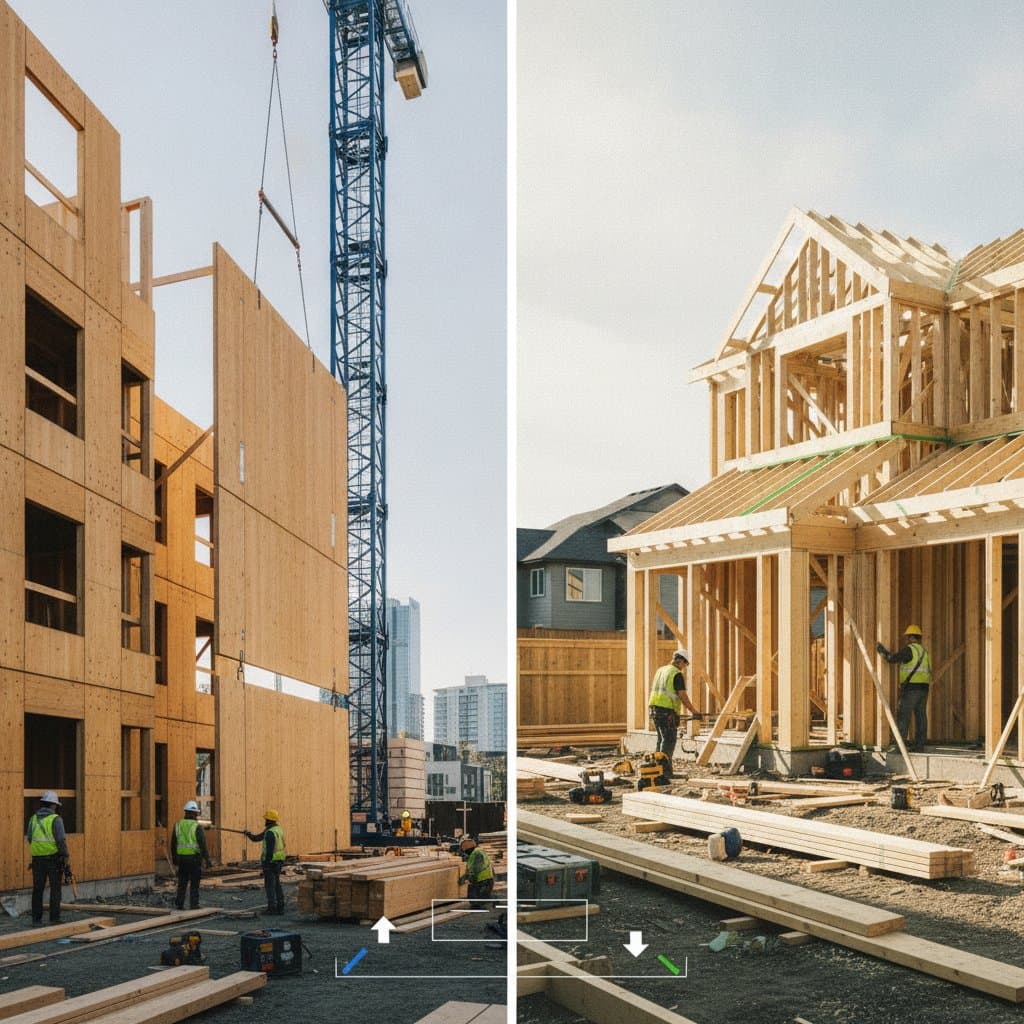
Structural materials influence how a building performs under heat. Noncombustible insulation and treated framing increase fire resistance within walls and attics.
Typical costs include the following:
- Mineral wool insulation: 1.80 to 3 dollars per square foot
- Fire-treated lumber: 2.50 to 4 dollars per linear foot
- Steel framing: 3.50 to 6 dollars per linear foot
Insulation can be a DIY project if you wear protective gear, but fire-treated framing requires professional certification and inspection.
Confirm that insulation carries a Class A or noncombustible rating. Combine it with sealed fire stops around penetrations and vents.
Managing Costs and Maximizing Value
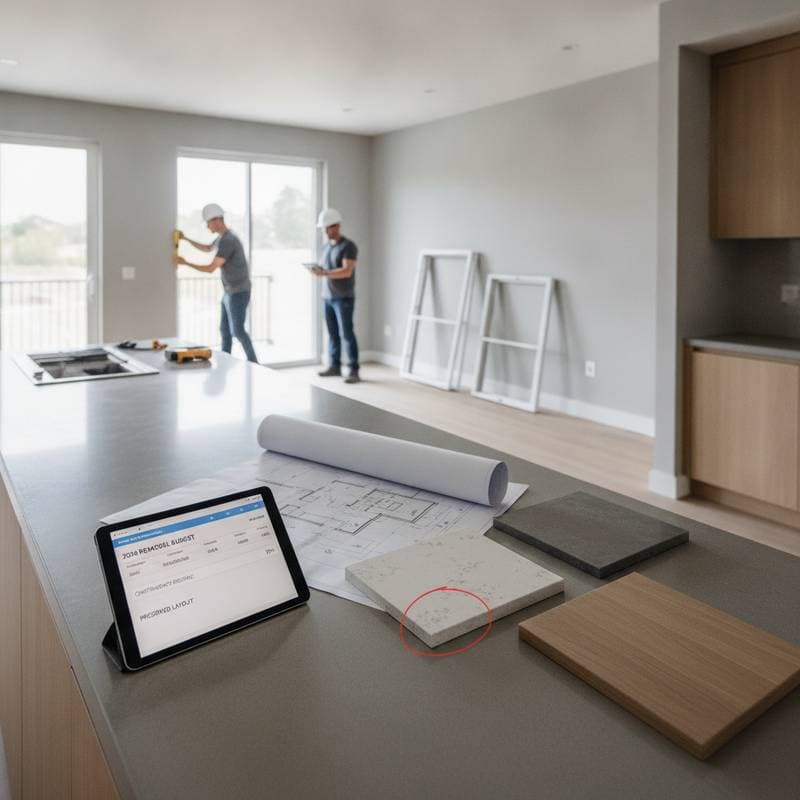
Purchase materials during off-peak construction months. Combine upgrades, such as roofing and siding, to reduce labor overlap. Ask suppliers for regional rebates or wildfire retrofit incentives.
When to Hire a Professional
Hire licensed contractors for roofing, window replacement, or structural framing. These tasks involve safety hazards and code compliance. Request proof of experience in Wildland Urban Interface construction and confirm they follow local defensible space standards.
Planning Your Fire-Resilient Upgrade
Choosing fire-resistant materials protects your home, lowers risk, and supports community resilience. Focus first on roofing, siding, and deck systems. Then plan for window and insulation upgrades.