ADU Construction Costs $175K-$350K in 2026
Building an accessory dwelling unit adds functional living space and boosts property value. This guide details realistic expenses, timelines, and planning steps for a successful project.
Cost and Time Estimates
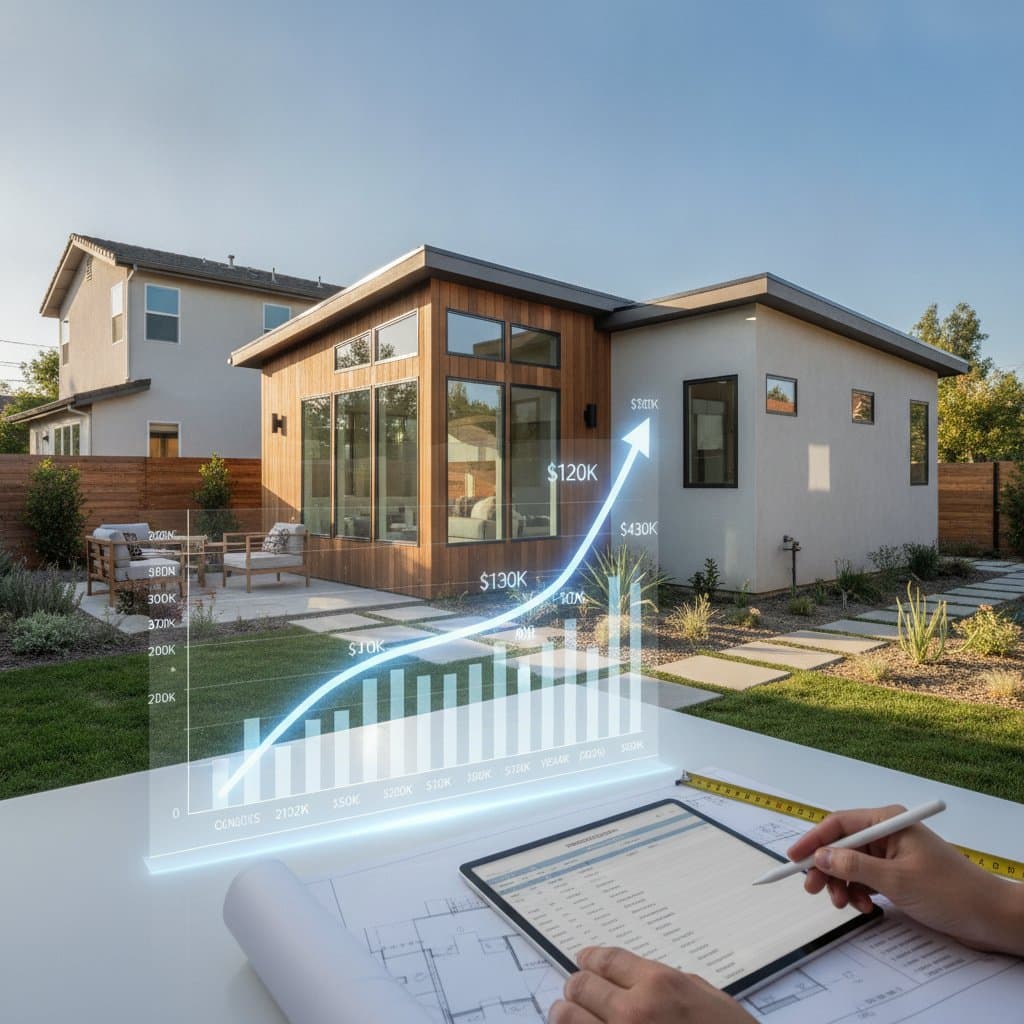
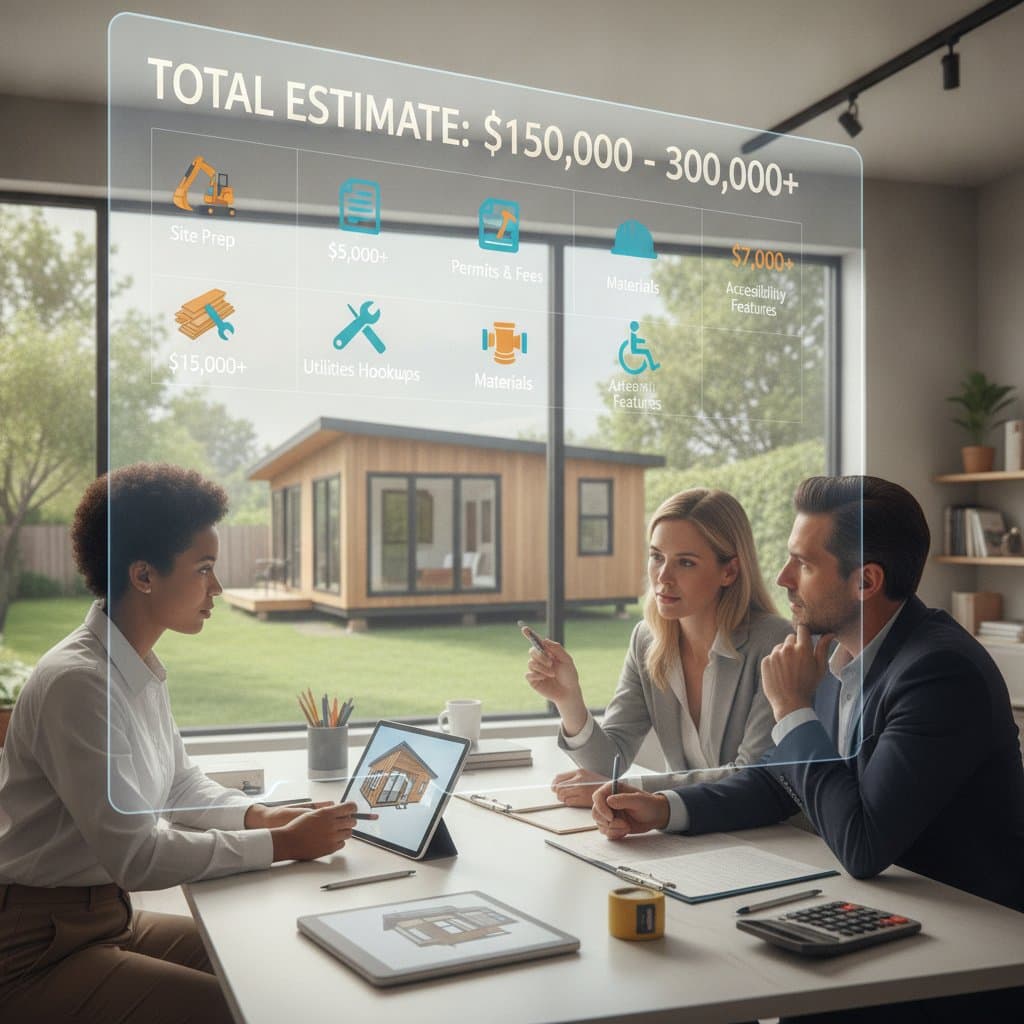
A typical ADU ranges from 400 to 1,000 square feet and carries a total price between $175,000 and $350,000. Detached units generally exceed the cost of garage conversions or basement apartments because they require separate foundations and utility runs.
Key price drivers include size, material selections, regional labor rates, permit fees, and site preparation. Larger footprints increase plumbing, electrical, and HVAC expenses. Mid-range finishes control costs, while premium cabinetry or smart-home systems raise totals quickly. Urban labor markets command higher hourly rates, and local permits plus utility connections often add several thousand dollars. Site grading and trenching can contribute another 10 to 20 percent.
Professional construction usually finishes in four to eight months. Owner-managed projects extend to eight to twelve months depending on skill level and inspection schedules.
Owner Tasks Versus Contractor Work
Owners with residential building experience can complete basic framing, finish carpentry, painting, and landscaping. Structural framing, roofing, foundation work, plumbing, electrical, HVAC, and permit management require licensed professionals.
Owner oversight may reduce labor costs by 15 to 25 percent yet doubles the schedule. Full-service contractors charge more but supply warranties and handle compliance.
Required Tools and Materials
Essential tools include a circular saw, drill set, framing hammer, tape measure, level, chalk line, ladder, scaffolding, safety harness, concrete mixer, and trowels. Common materials comprise framing lumber, plywood sheathing, roofing products, climate-rated insulation, drywall, paint, flooring, plumbing fixtures, wiring, and lighting. Verify all ratings against local codes before purchase.
Construction Sequence
- Select the ADU type and prepare scale drawings that satisfy zoning limits on size, height, and setbacks.
- Submit permit documents, clear the site, and mark utilities.
- Install the foundation and confirm it passes inspection.
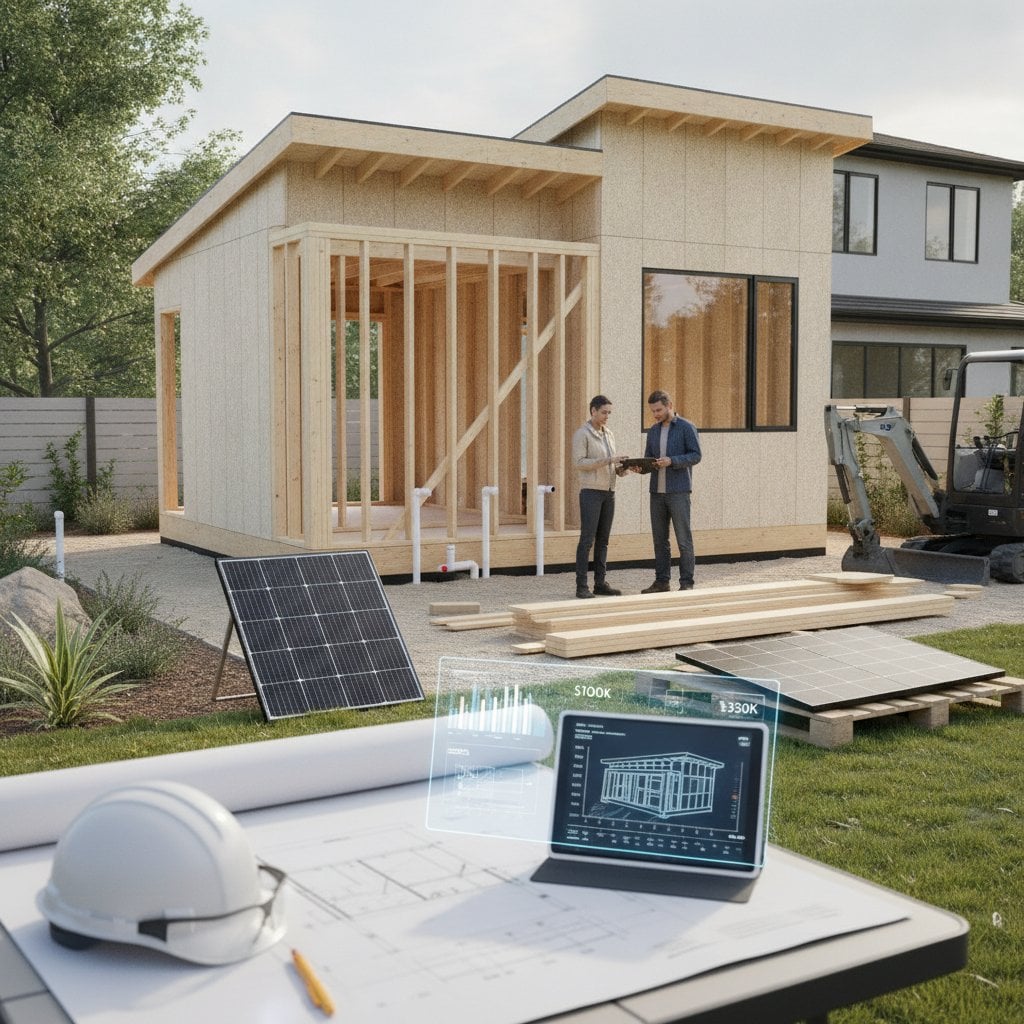
- Frame walls and roof, then apply sheathing and weather protection.
- Run plumbing, electrical, and HVAC lines for rough-in approval.
- Add insulation and drywall, then apply primer.
- Install interior finishes, fixtures, and trim.
- Complete exterior siding, doors, windows, and drainage grading.
- Schedule final inspection and obtain the certificate of occupancy.
Safety Practices
Shut off utilities before making connections. Wear gloves, eye protection, and hearing protection during cutting or drilling. Secure ladders on stable surfaces and keep a fire extinguisher nearby during electrical or gas work.
Quality Checks and Corrections
Verify foundation level before framing to prevent uneven floors. Pressure-test plumbing lines before drywall installation to catch leaks. Use a circuit tester to confirm proper grounding. Seal window and door gaps with foam or caulk to eliminate drafts.
Site Cleanup
Separate wood, metal, and concrete debris for recycling. Route paints, solvents, and adhesives to hazardous-waste facilities. Sweep and wash surfaces before flooring or paint application.
Ongoing Care
Inspect the structure yearly for foundation cracks, roof wear, and plumbing issues. Replace sealants as needed. Roofing and siding materials typically last 20 to 30 years with routine maintenance.
When Professional Help Is Essential
Contact a licensed contractor for structural damage, foundation settling, major plumbing or electrical faults, or permit complications. Professional work ranges from $60 to $150 per square foot. Confirm the contractor holds a valid license and insurance, supplies a written itemized estimate, provides recent ADU references, and offers material and labor warranties.
Planning Recommendations
Coordinate utilities early to avoid later changes. Specify standard window and door sizes. Keep the design simple to limit labor hours. Schedule inspections promptly and track weekly expenses to stay on budget. These steps produce a comfortable, code-compliant space that delivers lasting property value.