Current Prefab ADU Costs and Permits for 2026 Buyers
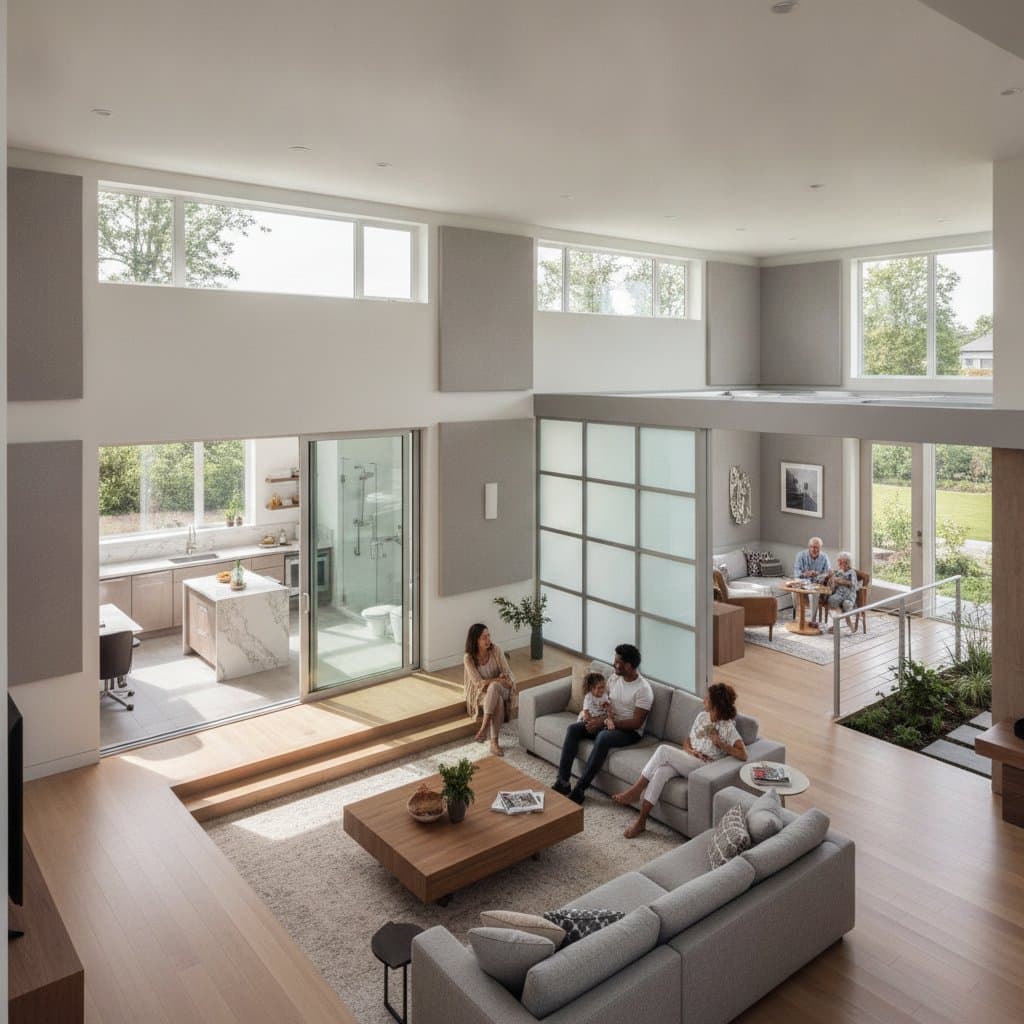
Prefab accessory dwelling units have become a popular choice for homeowners seeking flexible living spaces, rental income, or multi generational housing. Demand continues to grow, which makes it important to understand actual costs, permit requirements, and construction options before moving forward.
This guide covers prefab ADU pricing, the permitting process, and key planning considerations. Readers will find details on price ranges, installation steps, and guidance on when to work with a professional builder.
Understanding Prefab ADU Costs
Prefab ADU pricing covers the structure, delivery, site preparation, permits, and utility connections. Breaking down each expense category supports accurate budgeting.
Structure and Materials
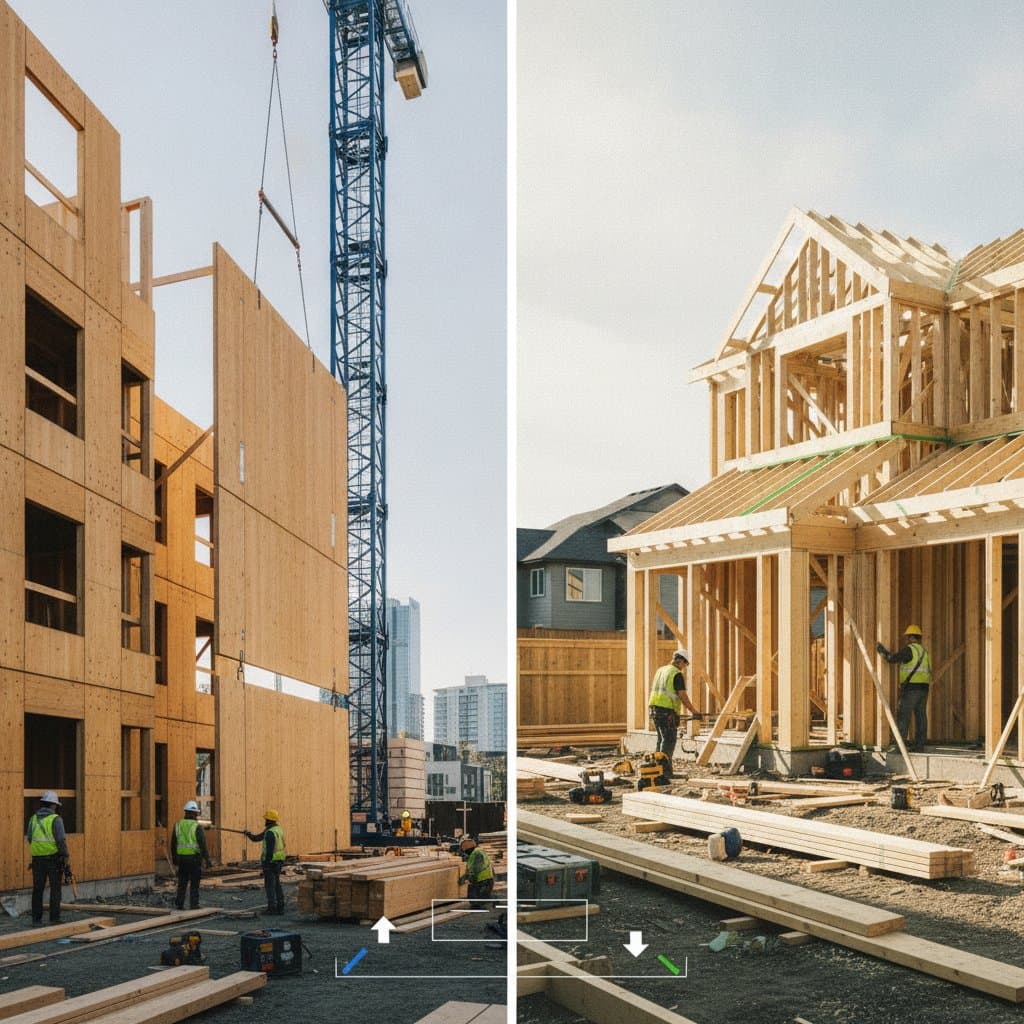
The prefabricated structure typically represents 60 to 70 percent of the total project cost. Factory built modules allow faster assembly than site built construction.
- Small studio units of 350 to 500 square feet range from 150000 to 200000 dollars.
- One bedroom units of 500 to 700 square feet range from 200000 to 280000 dollars.
- Two bedroom units of 700 to 1000 square feet range from 280000 to 380000 dollars.
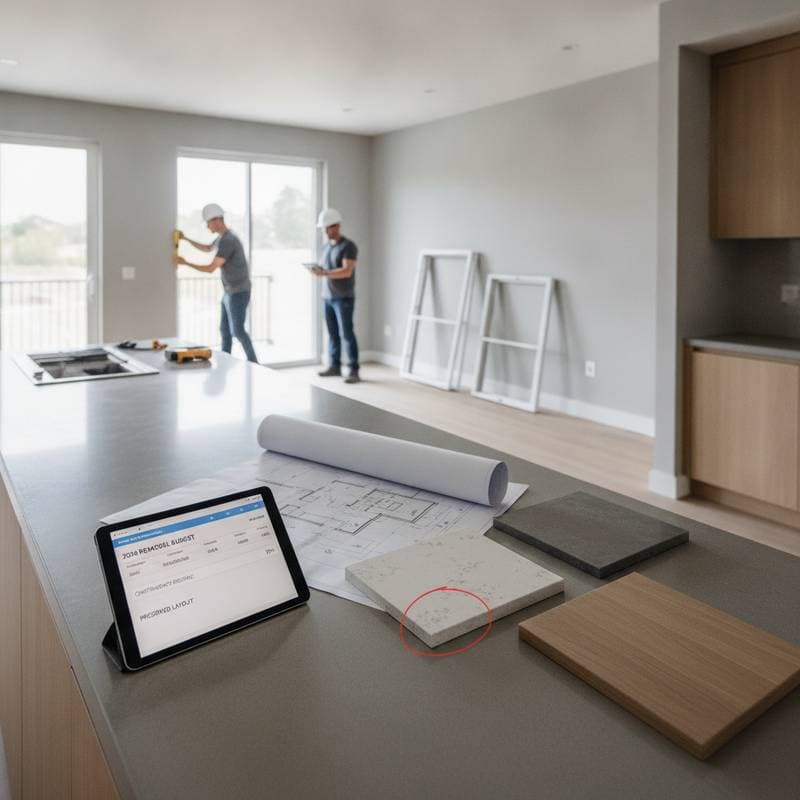
Modern units rely on insulated wall panels, steel framing, or engineered wood. These choices improve energy performance and shorten on site work. Upgraded finishes such as hardwood flooring or stone countertops add 10 to 20 percent to the base price.
Site Preparation and Foundation
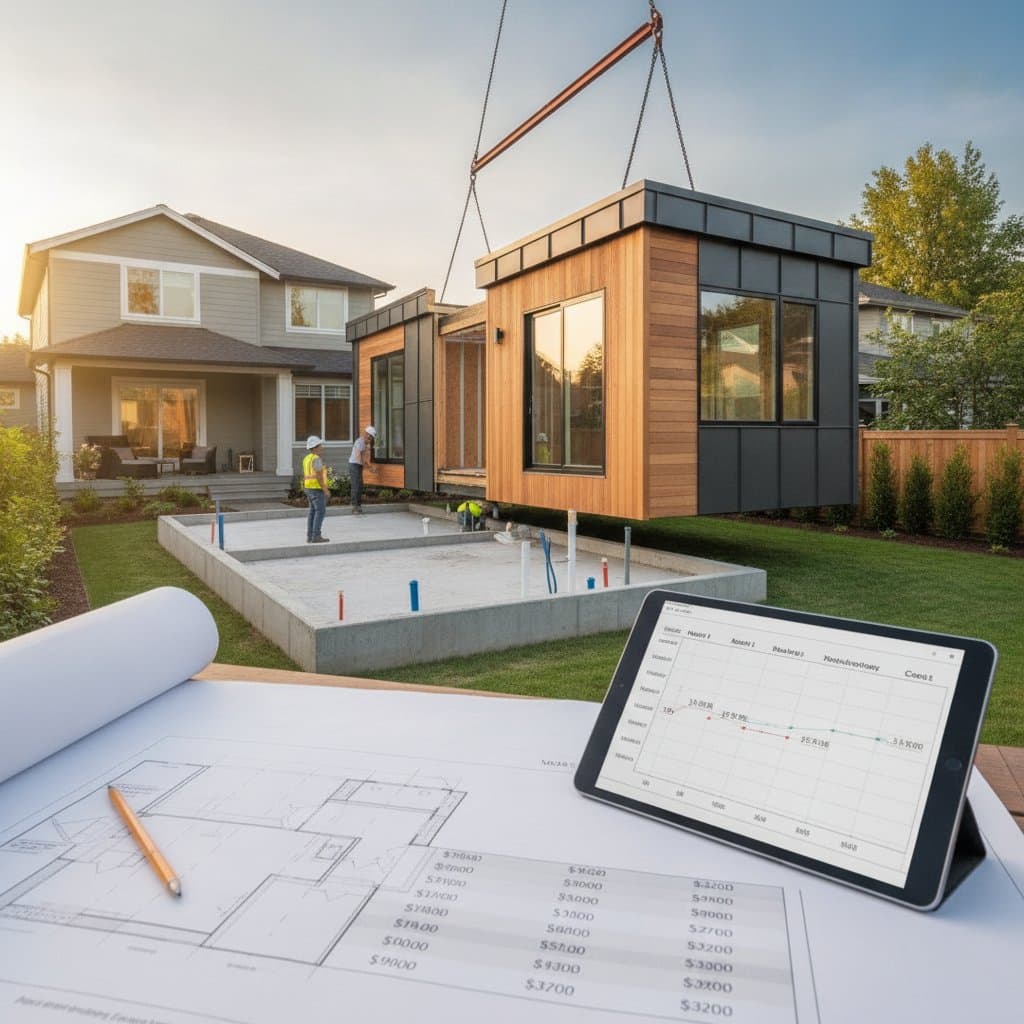
The building site requires grading and a foundation before the unit arrives. Most projects use a concrete slab or pier system.
Average foundation costs fall between 15000 and 35000 dollars depending on soil conditions and site access. Utility trenching and connections add another 10000 to 25000 dollars. Sloped or narrow lots may need retaining walls or longer utility runs, which increase expenses. Local codes determine whether an existing footing can support a detached ADU or whether a new foundation is required.
Delivery and Installation
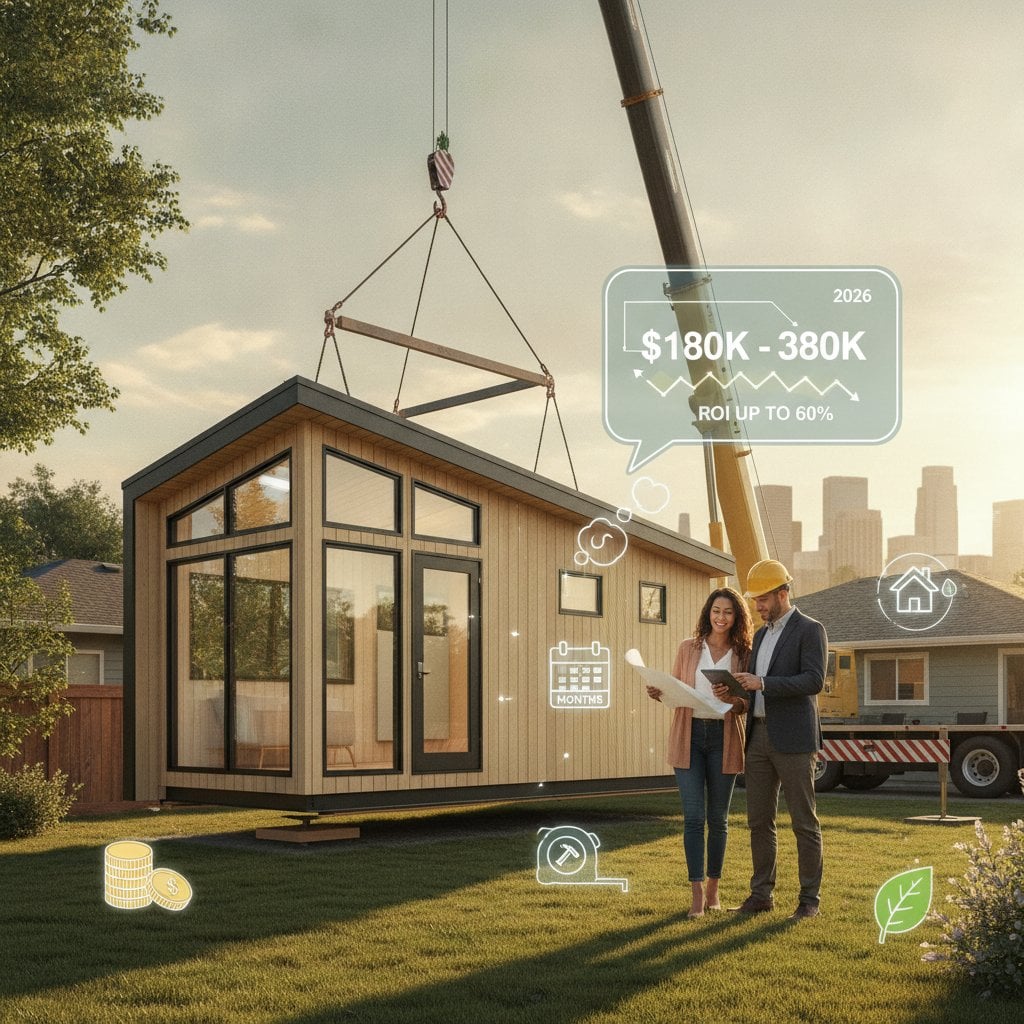
Units arrive in sections and are placed by crane. Delivery and installation typically cost between 8000 and 25000 dollars. Urban sites with limited access or overhead obstructions may require traffic control or special equipment permits, raising the total.
Permitting, Design, and Fees
Permit fees cover planning review, building permits, utility connections, and impact charges. Combined costs usually total 8000 to 20000 dollars. Some municipalities provide expedited review for standard ADU plans, which shortens wait times and lowers administrative expenses.
Return on Investment and Value
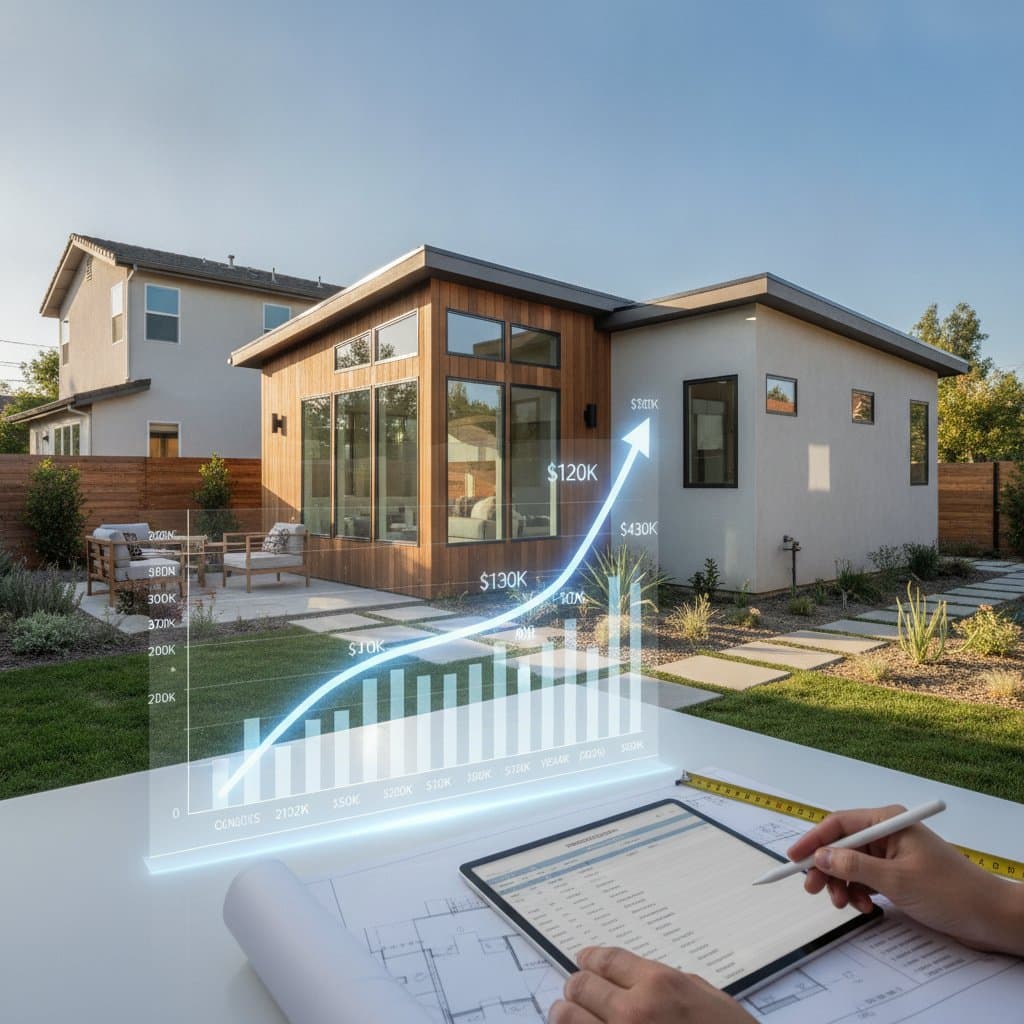
Properties with permitted ADUs often gain 20 to 30 percent in market value. Rental income can recover construction costs within several years in high demand areas. Energy efficient designs also lower ongoing utility bills and add to long term savings.
Navigating the Permitting Process
Prefab construction reduces some building steps but does not remove local review requirements. The following sequence outlines the typical path.
- Verify zoning rules for lot size, height limits, and setbacks.
- Confirm that existing sewer, water, and electrical systems can support an additional dwelling.
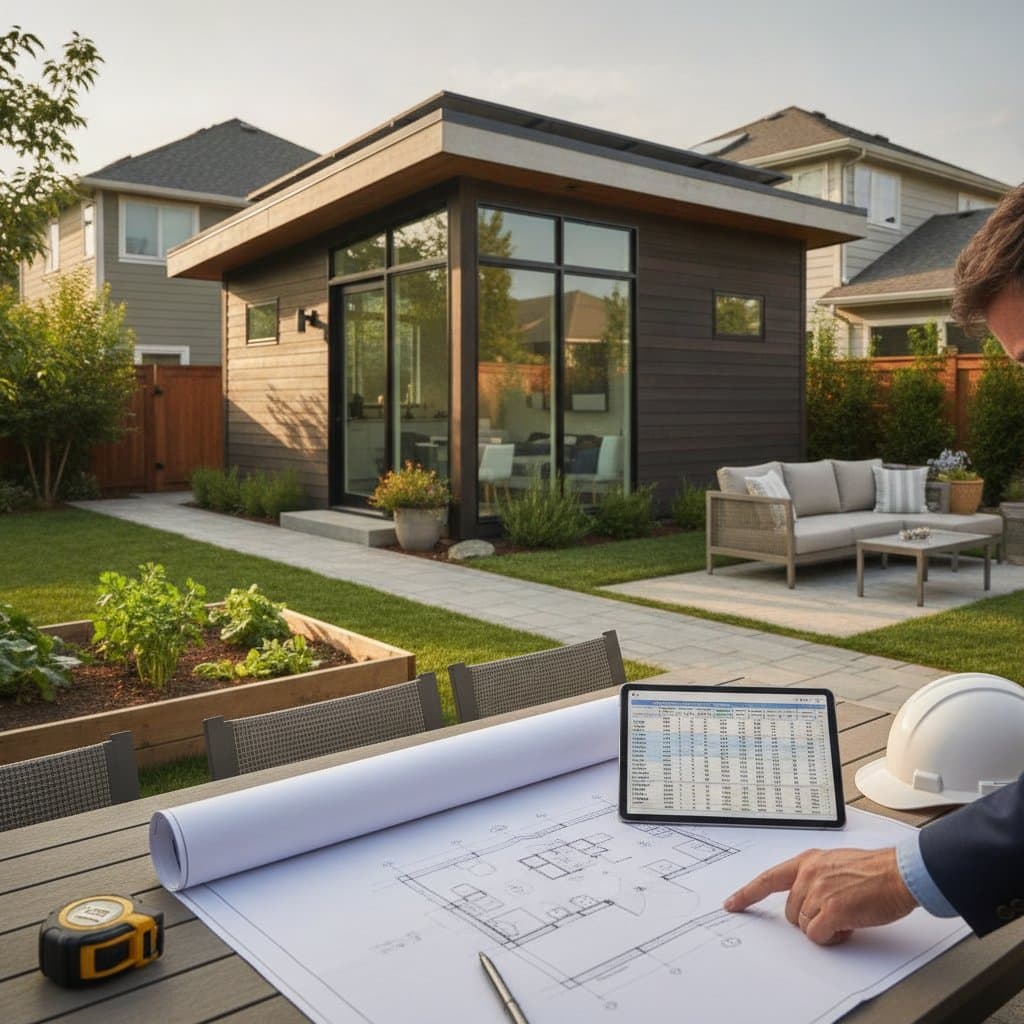
- Submit stamped structural drawings, a site plan, foundation details, and utility diagrams.
- Address fire separation, egress windows, and any required sprinkler or access pathway rules.
- Complete inspections of foundation work, utilities, and final installation to obtain a certificate of occupancy.
Money Saving Tips
Careful planning reduces overall expense while protecting quality.
- Select a standard manufacturer model instead of a custom design.
- Place the unit near existing utilities to limit trenching.
- Choose durable mid range finishes to control material costs.
- Bundle permit processing with the construction contract when possible.
- Compare home equity loans, ADU specific financing, and construction loans for favorable terms.
Annual inspections of roofing, siding, gutters, and HVAC systems help maintain value over time.
Common Questions About Prefab ADUs
Factory construction takes 8 to 12 weeks, followed by 3 to 6 months of site work and installation. Eligibility depends on local zoning rules for lot size and setbacks. Properly permitted units contribute to property value and can produce steady rental income. Routine maintenance includes yearly checks of roofing, siding, seals, filters, and drainage.
Next Steps for Homeowners
Confirm zoning compliance first, then collect bids from at least three manufacturers with established records. Review warranty terms and compare total project costs rather than price per square foot alone.