Compare Granny Pod and ADU Costs for 2026 Projects
Quick Cost Overview
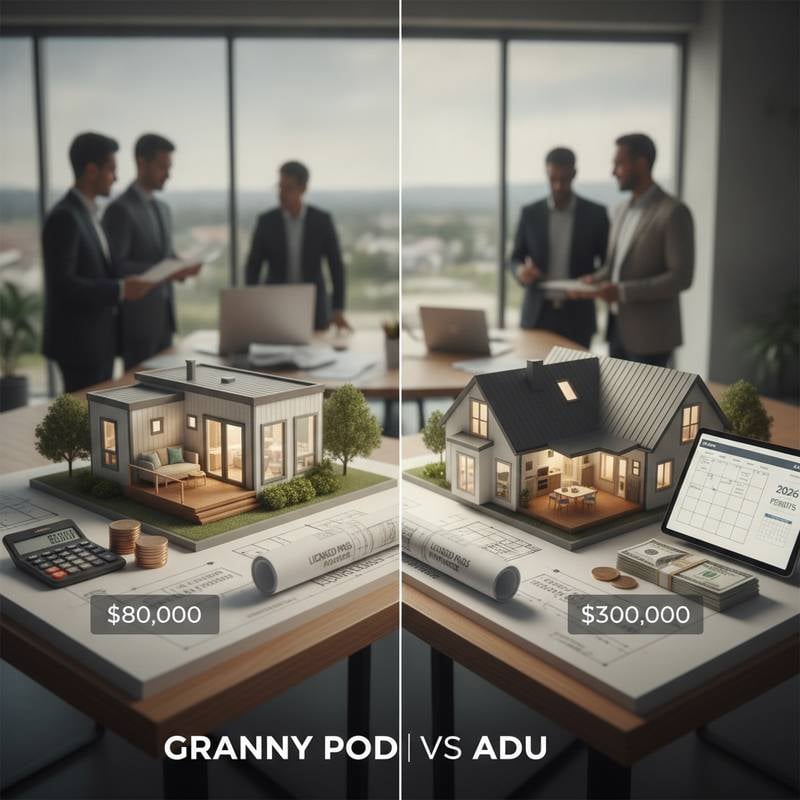
Building a granny pod or accessory dwelling unit provides extra living space for family members or rental income. A granny pod typically costs less to construct yet offers fewer layout options. An ADU requires a larger investment because of its size, permit requirements, and utility connections. Total project costs range from 80000 dollars to 300000 dollars based on materials, site conditions, and local regulations. Construction timelines span two to six months. Both options need licensed contractors to handle structural, electrical, and plumbing tasks.
Define Project Goals
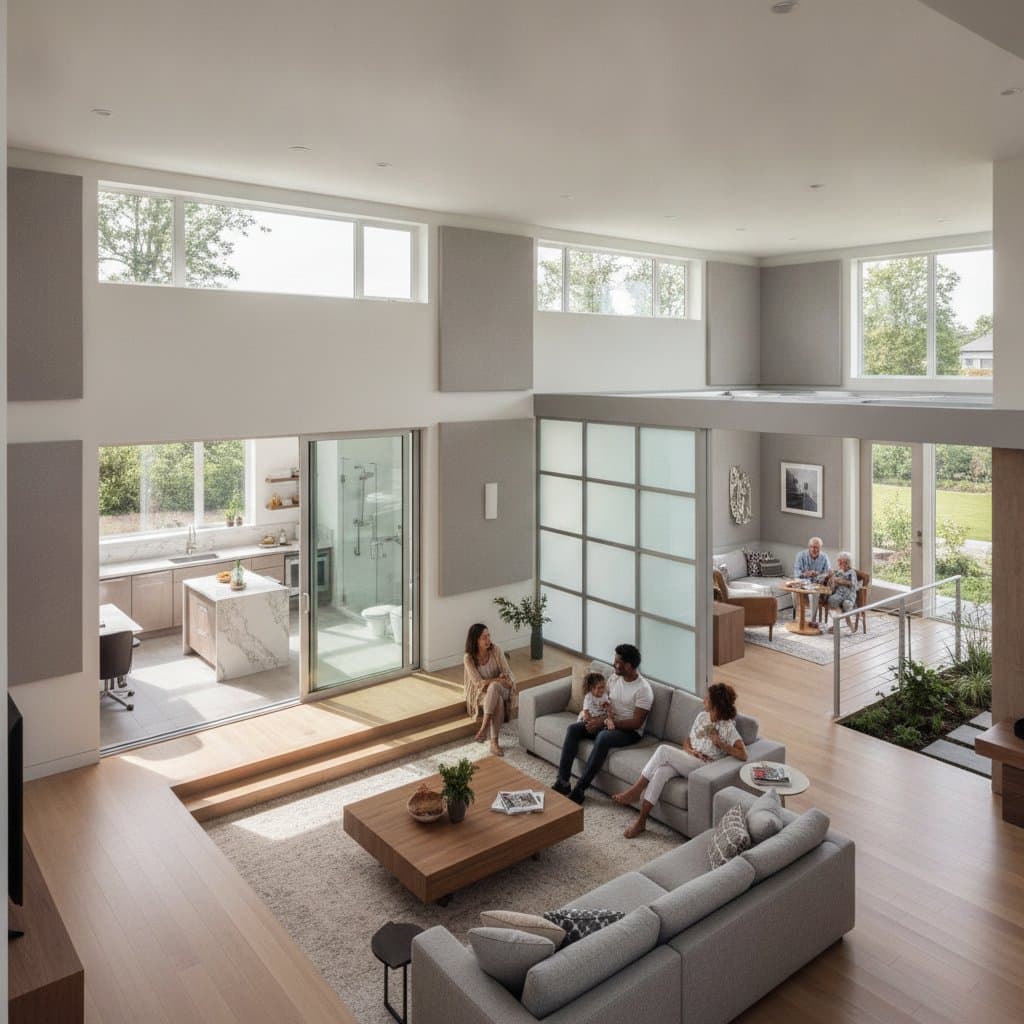
Decide whether the new space will serve aging parents, guests, or rental tenants. A granny pod functions as a compact prefabricated unit suited for one or two occupants. An ADU operates as a complete secondary dwelling that includes a kitchen, bath, and living areas. Confirm that the chosen design complies with local occupancy limits and zoning rules before moving forward.
Assess the Building Site
Mark the intended build area with stakes and string to establish clear boundaries. Maintain required setbacks of at least ten feet from property lines. Evaluate soil drainage patterns and confirm adequate access for construction equipment. The finished site must direct water away from the foundation and satisfy all setback requirements.
Establish a Realistic Budget
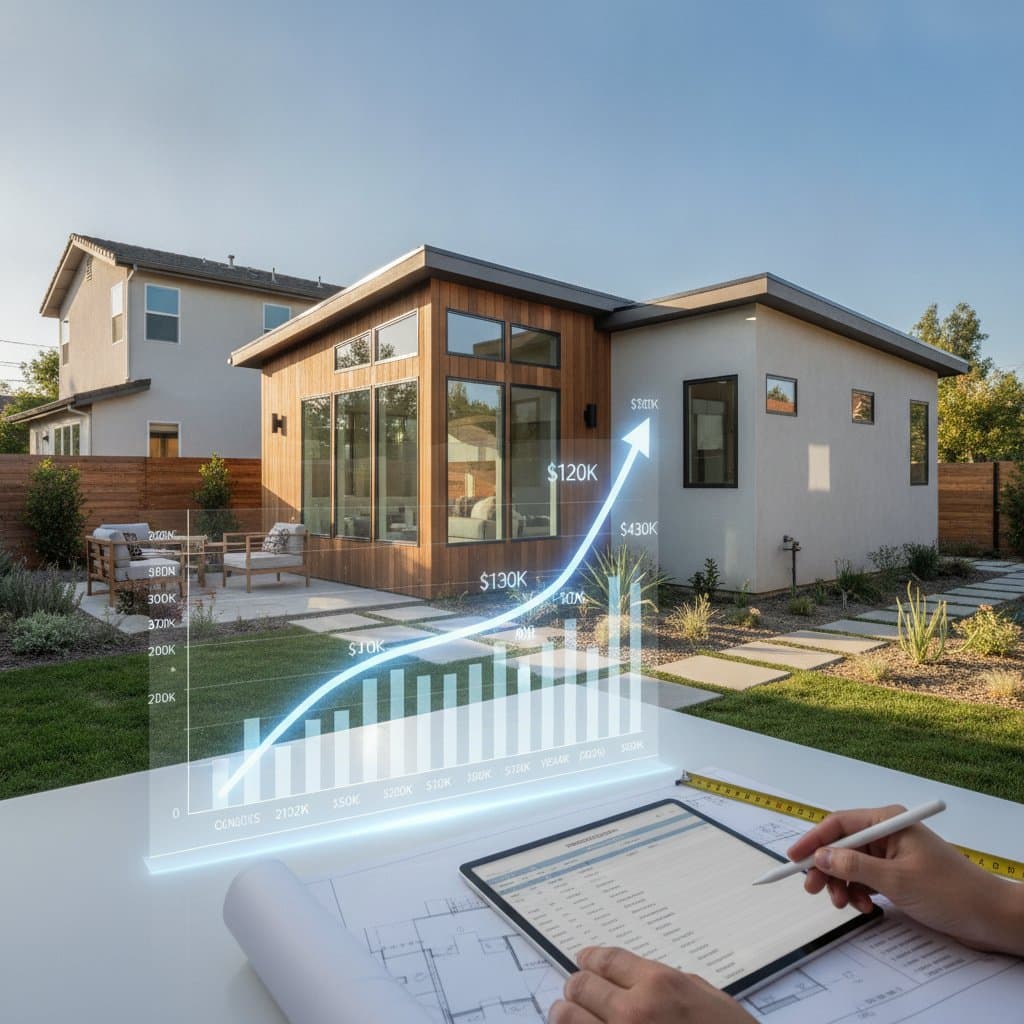
Base cost estimates on square footage and desired finish level. Granny pods generally range from 100 dollars to 250 dollars per square foot. ADUs typically fall between 200 dollars and 400 dollars per square foot. Factor in permit fees, utility connections, foundation work, and interior finishes. Add a contingency of 10 to 15 percent to cover unexpected expenses.
Select Construction Method
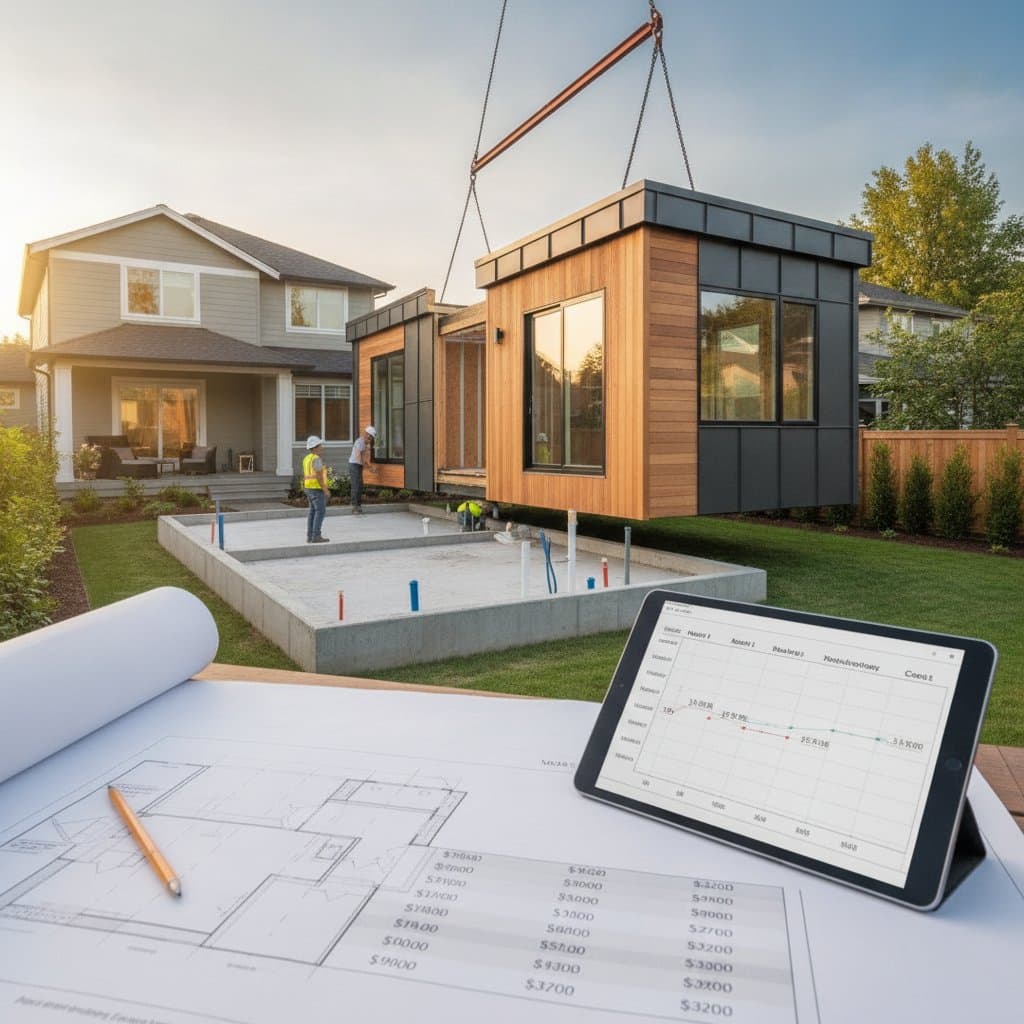
Choose between prefabricated and site-built approaches. Prefabricated granny pods arrive in sections for on-site assembly and lower labor expenses. Stick-built ADUs allow full customization of layout but involve higher labor costs. Compare delivery schedules and foundation needs before ordering materials.
Prepare the Foundation
Select a concrete slab, crawl space, or pier system according to soil conditions and local frost depth. Engage a licensed foundation contractor to complete excavation and concrete placement. Verify that the finished foundation remains level within one eighth of an inch across all corners.
Frame the Structure
Construct walls and roof with standard framing lumber. Install sheathing, house wrap, and roofing before beginning interior work. Confirm that all walls stand plumb and square prior to securing roof trusses.
Install Utilities
Engage licensed professionals for every electrical, plumbing, and HVAC connection. Electrical tie-ins must satisfy code requirements for load capacity and breaker sizing. Water and sewer lines often require trenching followed by inspection. Obtain inspection approval before closing walls or covering trenches.
Complete Interior Finishes
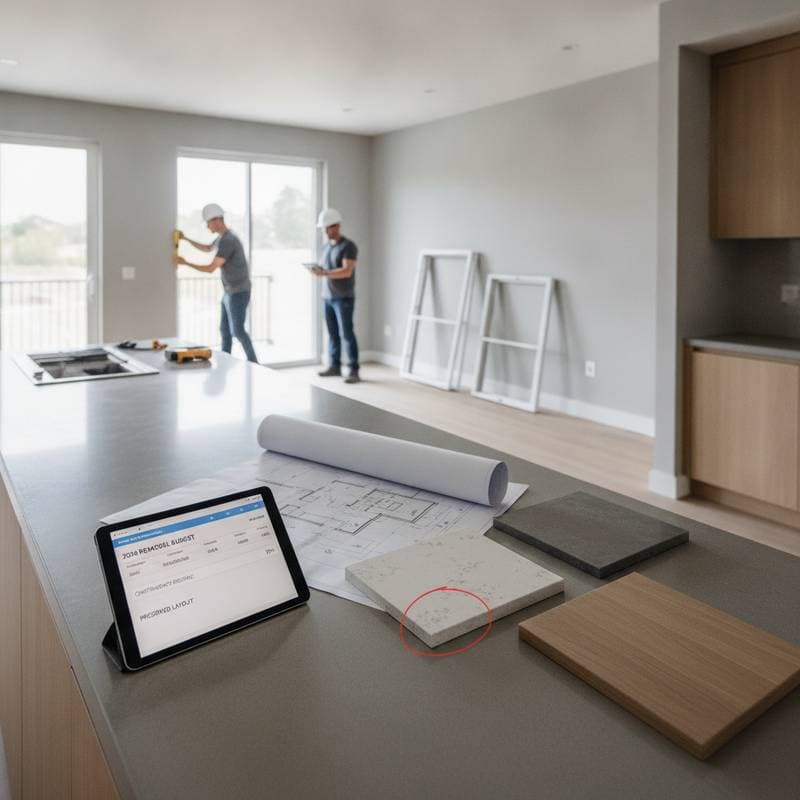
Install insulation, drywall, flooring, and fixtures in sequence. Apply paint and trim to achieve a clean final appearance. Verify smooth wall surfaces and functional outlets before placing furniture.
Address Common Issues
Check foundation level and floor joist alignment to correct uneven floors. Confirm that gutters and downspouts direct water away from the foundation to prevent moisture problems. Contact a licensed electrician if circuits trip frequently. Grade soil outward at least six inches over ten feet to improve drainage.
Engage Licensed Professionals
Hire qualified contractors when structural framing or foundation issues arise. Major utility extensions or relocations also require professional expertise. Permits and inspections remain mandatory for occupancy approval. General contractor rates range from 100 dollars to 200 dollars per square foot. Electricians charge 85 dollars to 150 dollars per hour. Plumbers charge 80 dollars to 140 dollars per hour. Obtain at least three written estimates and verify licenses, insurance, and references before signing any contract.
Final Planning Steps
Selecting between a granny pod and an ADU hinges on budget, available space, and intended use. A granny pod satisfies basic living requirements at a lower cost. An ADU delivers full independence and added long-term property value. Careful planning combined with licensed professional oversight produces a safe and durable addition that meets all applicable codes.