Granny Flat Costs and ROI: What to Expect in 2026
Building a granny flat expands property functionality. It can create rental income or provide independent space for family members. This guide outlines budgeting expectations and return on investment considerations.
A granny flat, also known as an accessory dwelling unit or ADU, offers practicality and flexibility. Housing demand continues to rise along with land values. Homeowners increasingly explore this construction option to add livable space and long-term value.
Understanding the Basics
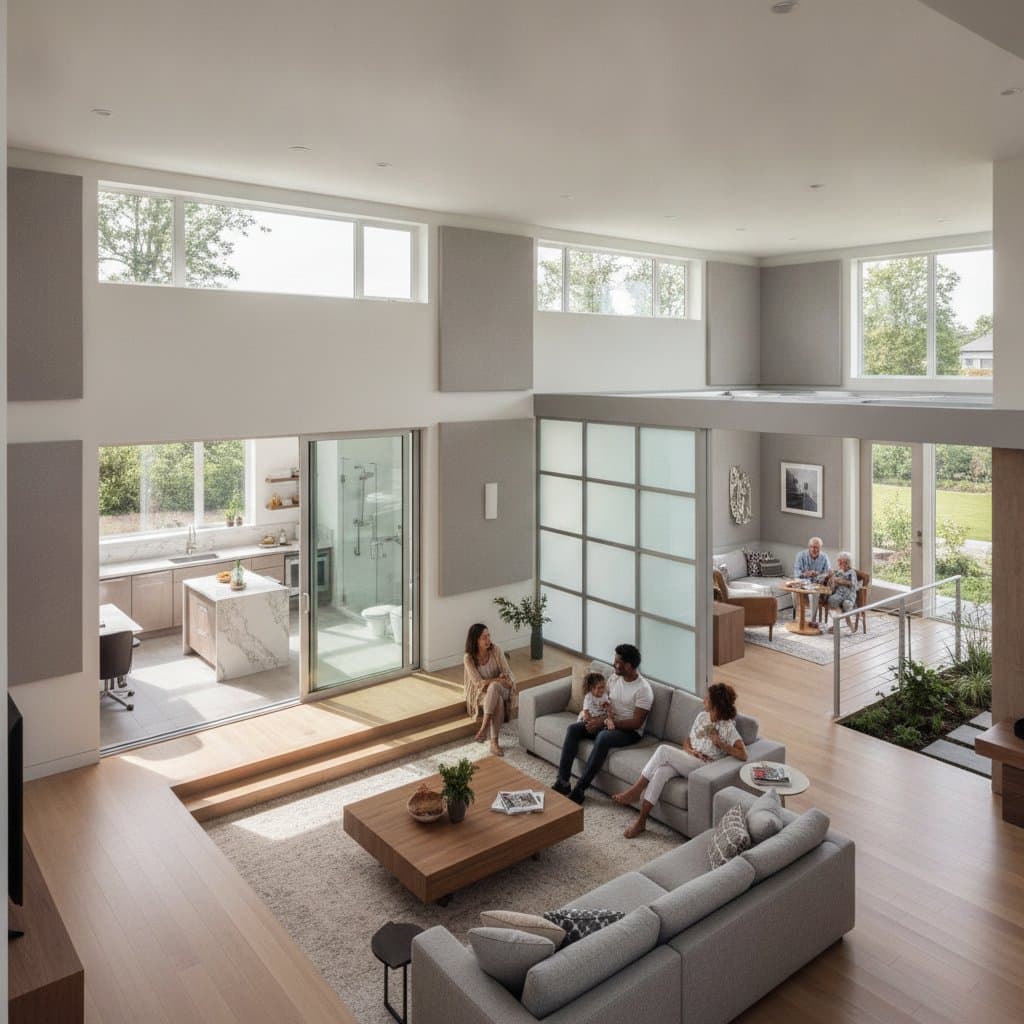
A granny flat functions as a self-contained living space on the same lot as a primary home. It may be attached or detached based on property layout and local zoning rules. Size, materials, and style choices influence both initial cost and future value.
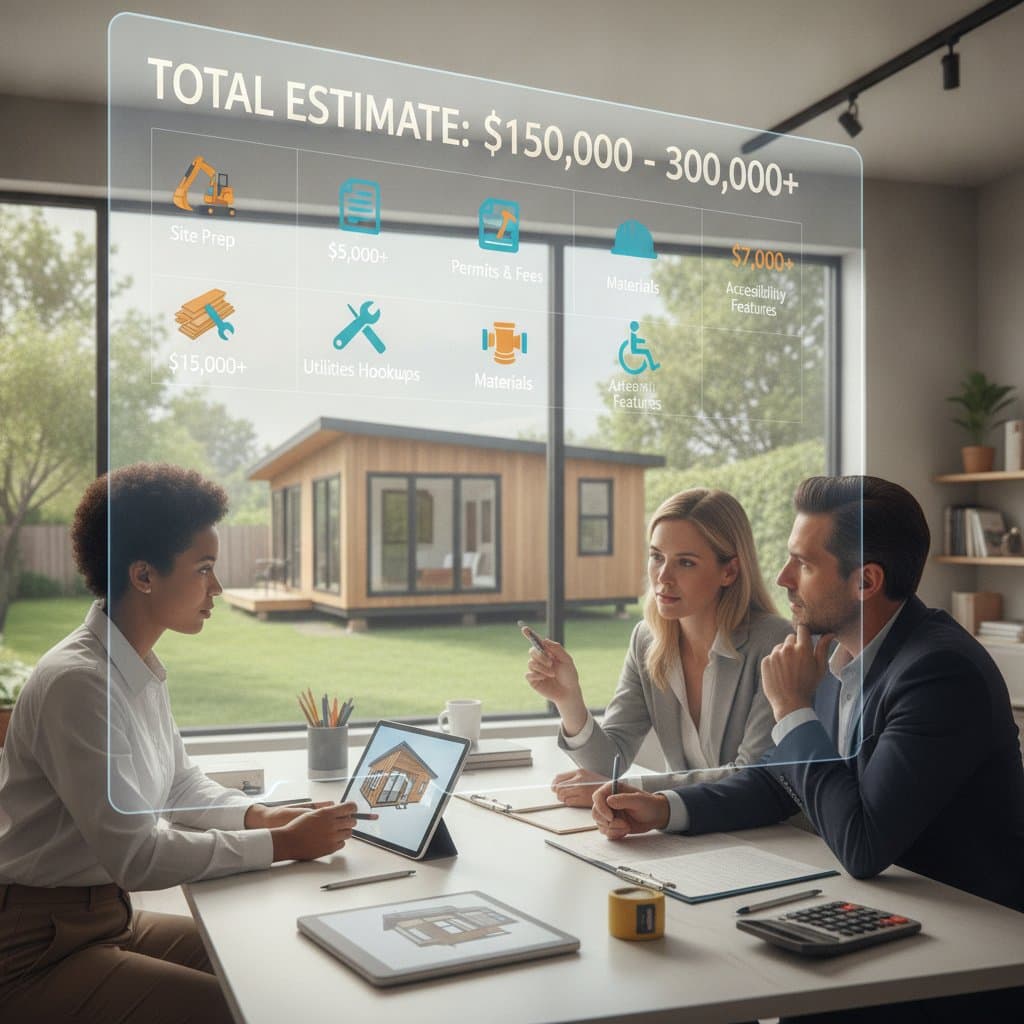
Project costs vary by design and finishes. Most fall within established ranges after land preparation, permits, and labor are included. Return on investment depends on space usage, local rental rates, and property market trends.
Cost Breakdown
Every project presents unique conditions. Understanding cost categories supports more accurate budgeting.
Site Preparation and Permits
Site clearing and preparation occur before construction. Grading, utility connections, and permit fees contribute substantially to the total budget. This stage often requires a visible share of overall funds.
Proper preparation prevents future drainage and foundation issues. Obtain a detailed site evaluation before finalizing the design.
Design and Planning
Architectural plans, engineering reviews, and city approvals add expense. A complete plan reduces change orders and supports budget adherence.
Thorough planning streamlines approvals and avoids mid-project delays. Engage design professionals familiar with local ADU standards.
Construction and Materials
The structure itself forms the largest expense category. Framing, roofing, siding, insulation, and finishes determine appearance and energy performance.
Quality materials reduce maintenance needs and improve comfort. Select siding and roofing that match the main home for visual cohesion.
Interior Finishes
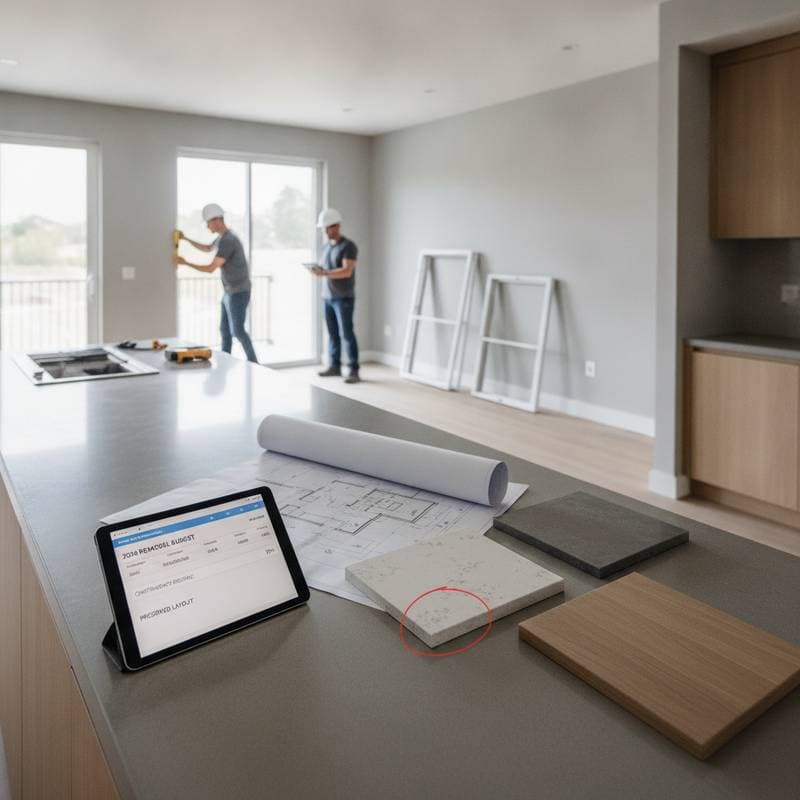
Flooring, cabinetry, lighting, and appliances establish the livable quality of the unit. Prices vary widely according to style and durability levels.
Durable finishes support longer service life and higher rental rates. Choose neutral colors and simple layouts that appeal to a broad tenant range.
Utilities and Systems
Plumbing, electrical, and HVAC systems must satisfy code requirements and operate efficiently. Connections to existing utilities may require upgrades to the primary home.
Efficient systems reduce long-term operating costs. Incorporate energy-efficient fixtures and LED lighting to lower monthly expenses.
Landscaping and Exterior Details
Pathways, patios, and planting beds improve curb appeal. These elements integrate the unit with the overall property.
A finished exterior increases property value and creates a welcoming setting. Select low-maintenance plants and materials suited to the local climate.
Factors That Influence Cost
Several variables affect total investment.
- Size: Larger units cost more yet may deliver stronger rental returns.
- Location: Labor and permit costs differ by region.
- Design complexity: Simple shapes cost less than multi-level or custom layouts.
- Material quality: Premium finishes raise costs but can attract higher rents.
- Accessibility features: Ramps, wide doors, and step-free showers add convenience at additional expense.
Estimating ROI
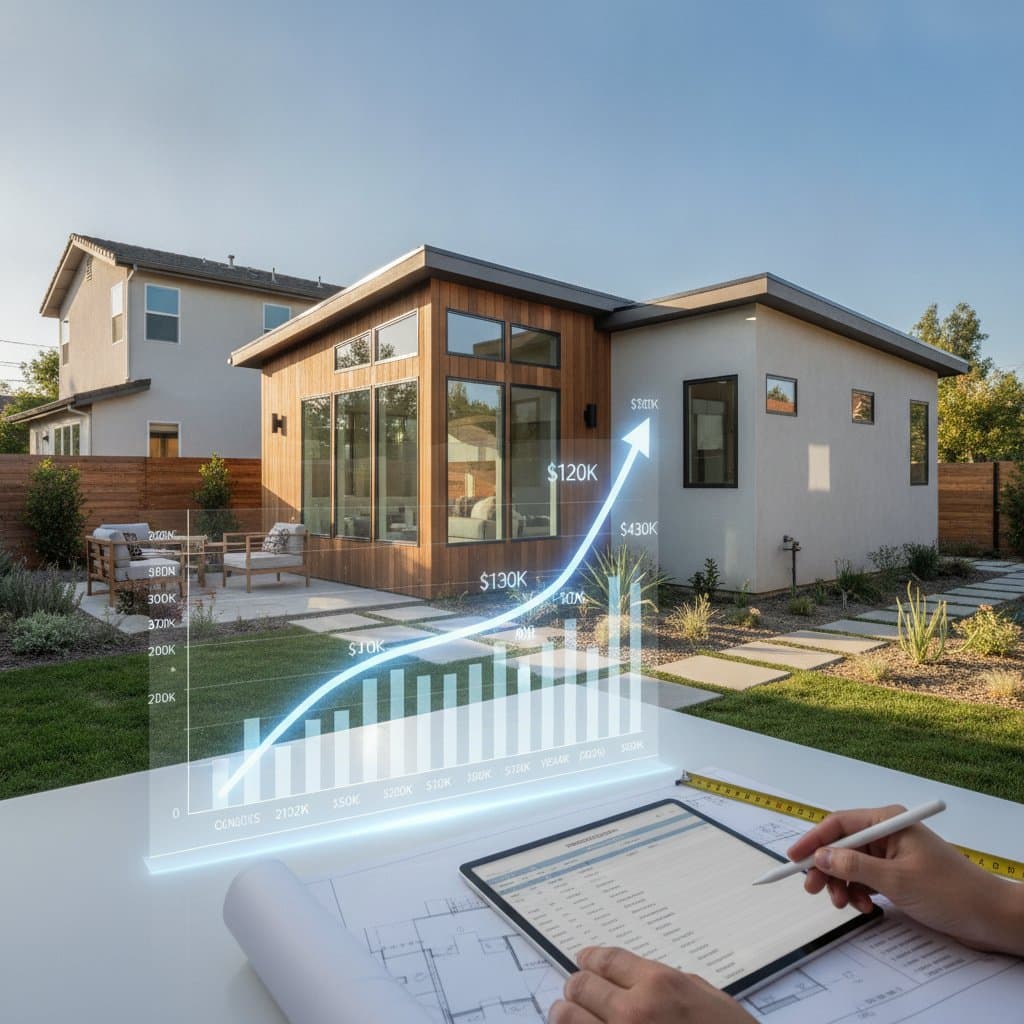
Return on investment calculation compares total project cost against gains from rent or property appreciation. Many homeowners find that an ADU recovers its cost within several years through consistent rental income or increased resale value.
Monthly rent often offsets construction financing or provides steady income. Homes with legal ADUs attract more buyers and command higher prices. When the unit houses relatives, savings versus market rent contribute to effective return.
ROI improves when the unit stays occupied and well maintained. Property taxes and insurance may increase slightly with added living space.
Practical Considerations
Short-term and long-term factors require evaluation before building.
- Maintenance: Choose materials that resist weathering and require minimal upkeep.
- Energy efficiency: Better insulation and efficient windows lower utility costs over time.
- Local regulations: Confirm zoning, setback, and parking requirements before finalizing plans.
- Construction timeframe: Weather, permitting, and contractor schedules affect project length.
Lots with suitable access and utility capacity incur lower costs than constrained sites. A contractor experienced with ADUs helps anticipate challenges that could cause delays.
Comparing Build Types
Different construction methods affect cost and performance.
- Stick-built: Traditional on-site construction offers full customization at higher labor costs.
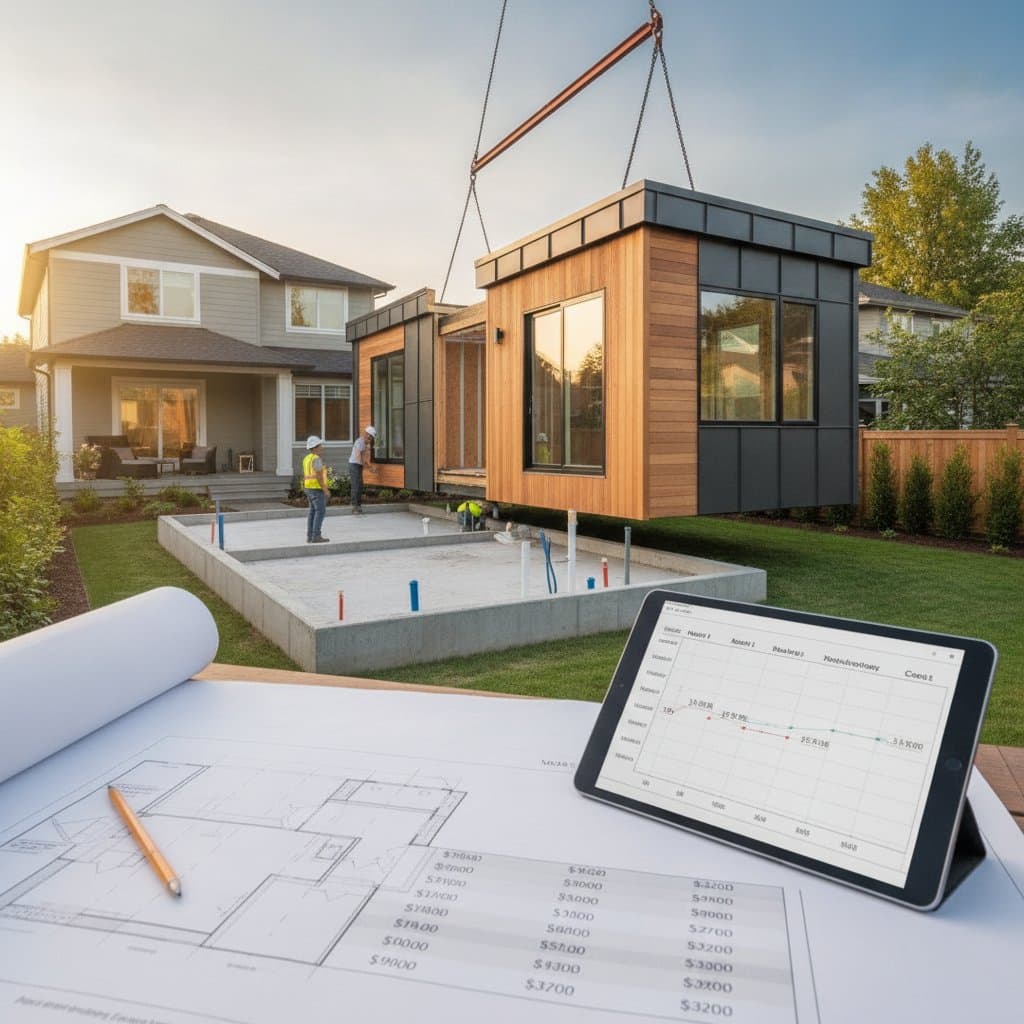
- Prefab or modular: Factory-built units shorten build time and reduce waste, often saving money.
- Garage conversion: Repurposing existing structures provides the least expensive route when local codes allow.
Each option presents trade-offs in flexibility, appearance, and long-term durability.
Managing the Process
Good planning and professional guidance improve outcomes.
- Start with a feasibility study to confirm unit placement and local requirements.
- Establish a clear budget that includes a contingency fund for surprises.
- Select experienced professionals who understand compact design and code requirements.
- Track progress through regular site visits and communication to prevent costly mistakes.
Evaluating Your Options
A well-built granny flat serves multiple purposes over its lifespan. It can house relatives now, generate rental income later, or function as a guest retreat. Over time it often adds flexibility that few other home improvements provide.