Realistic ADU and Granny Flat Construction Costs in 2026
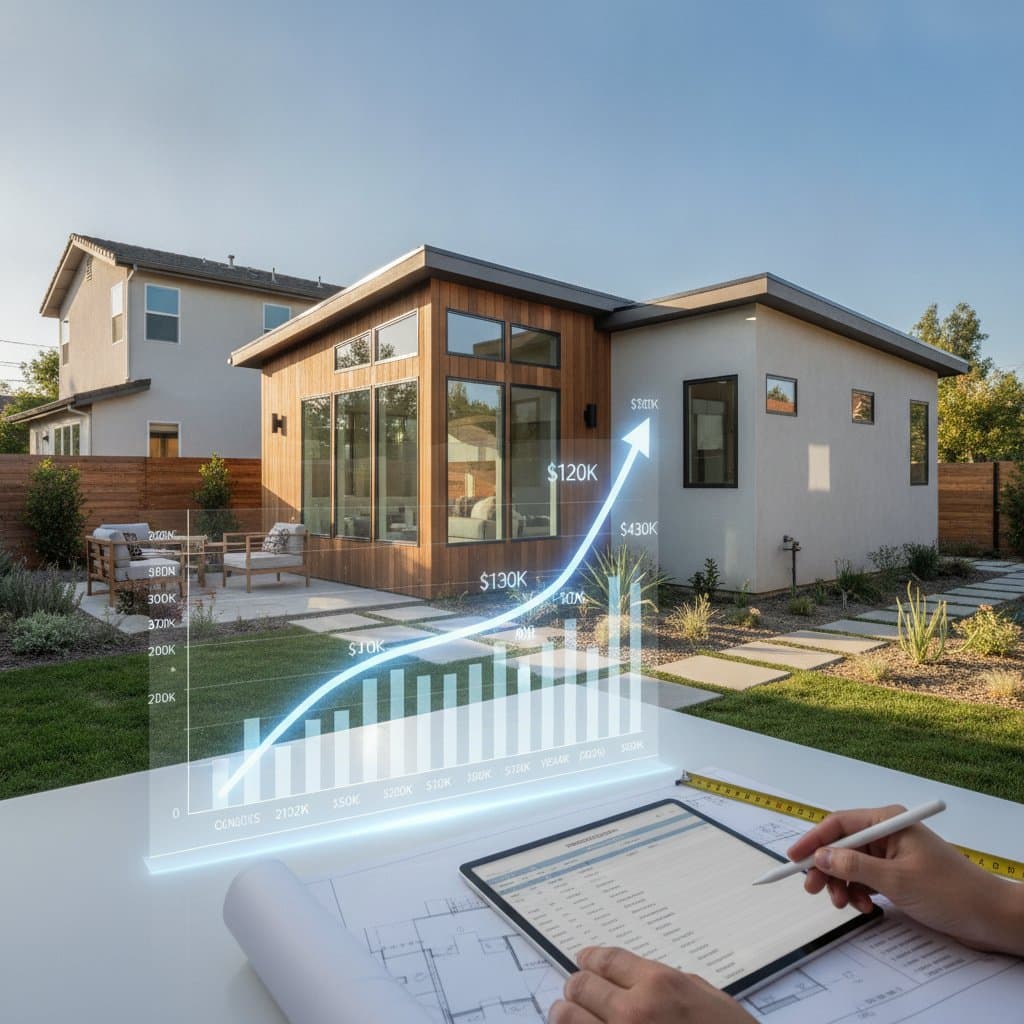
Building an accessory dwelling unit adds value and flexibility to a property. Homeowners who understand actual expenses can plan projects that stay on budget and deliver lasting results. This guide outlines the main cost drivers, typical price ranges by type, and practical steps to control spending.
What an ADU Includes
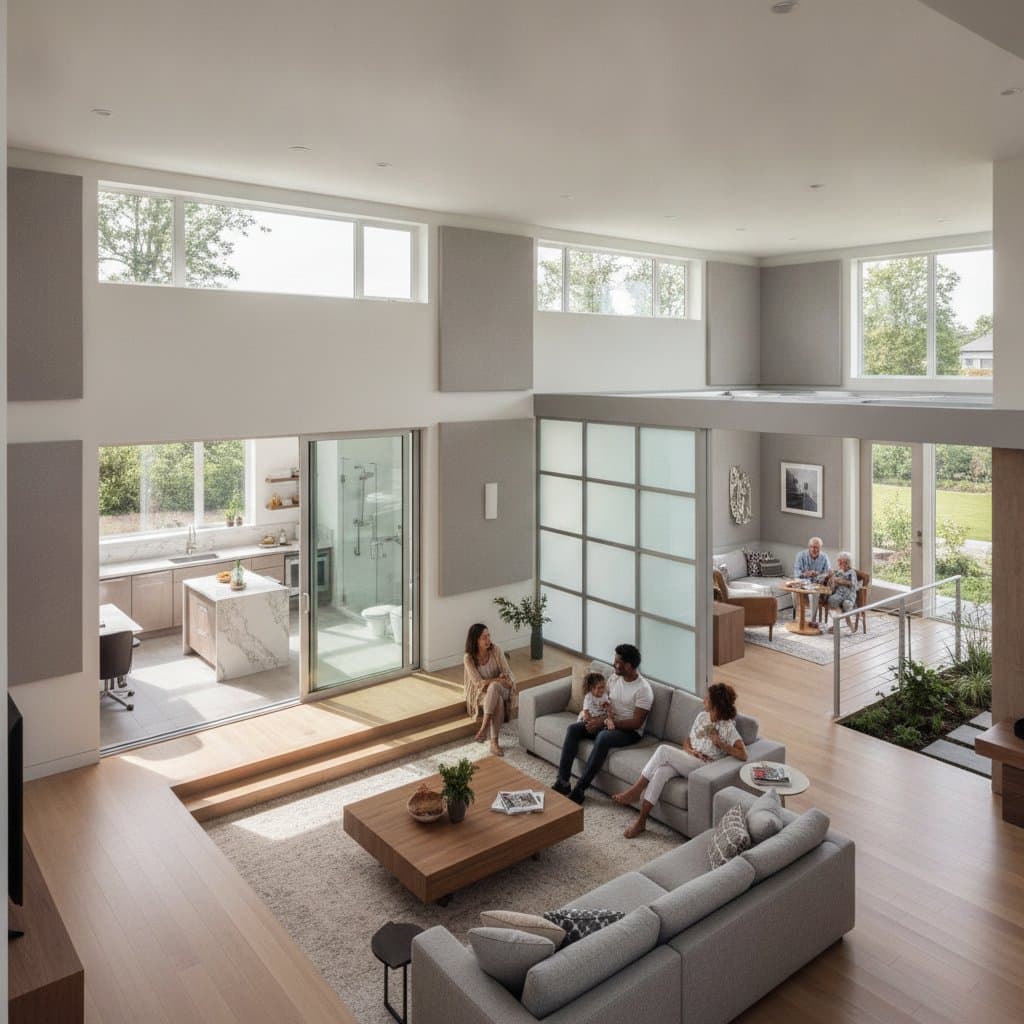
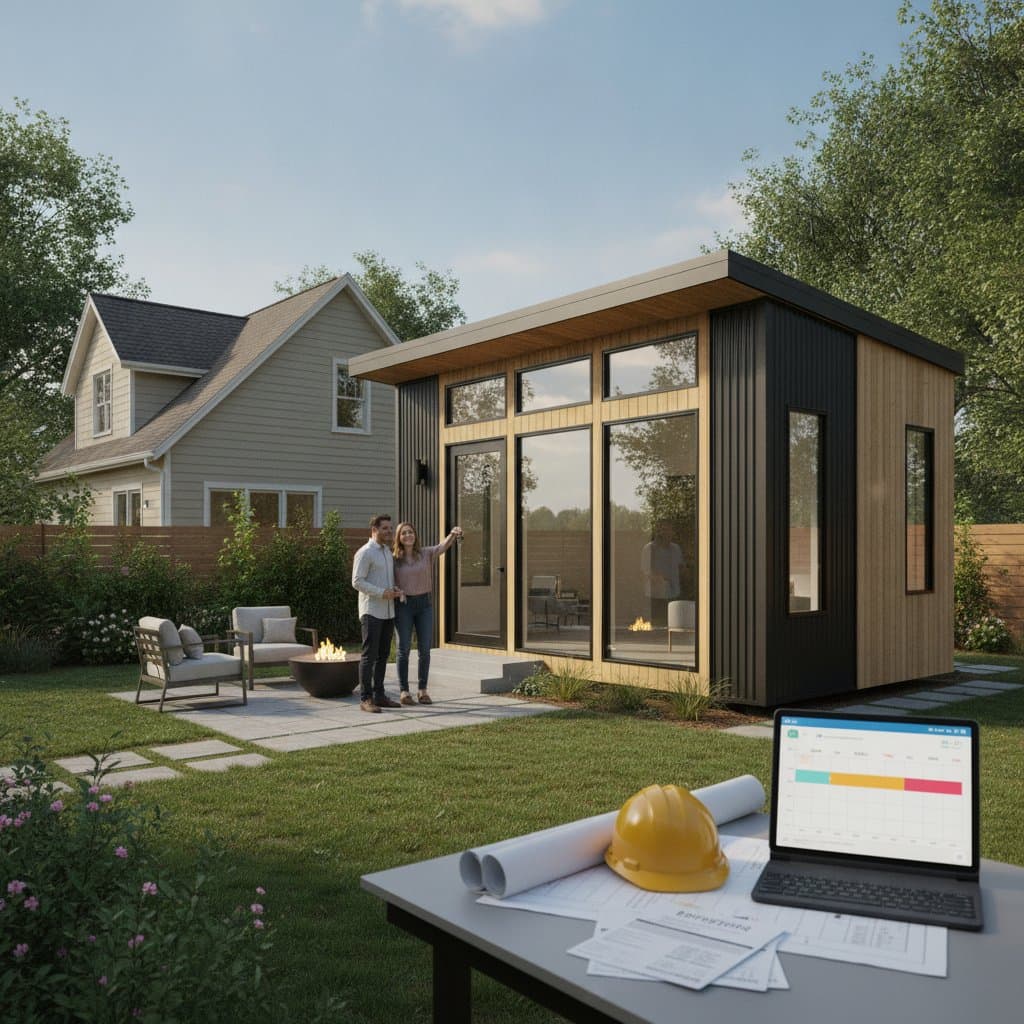
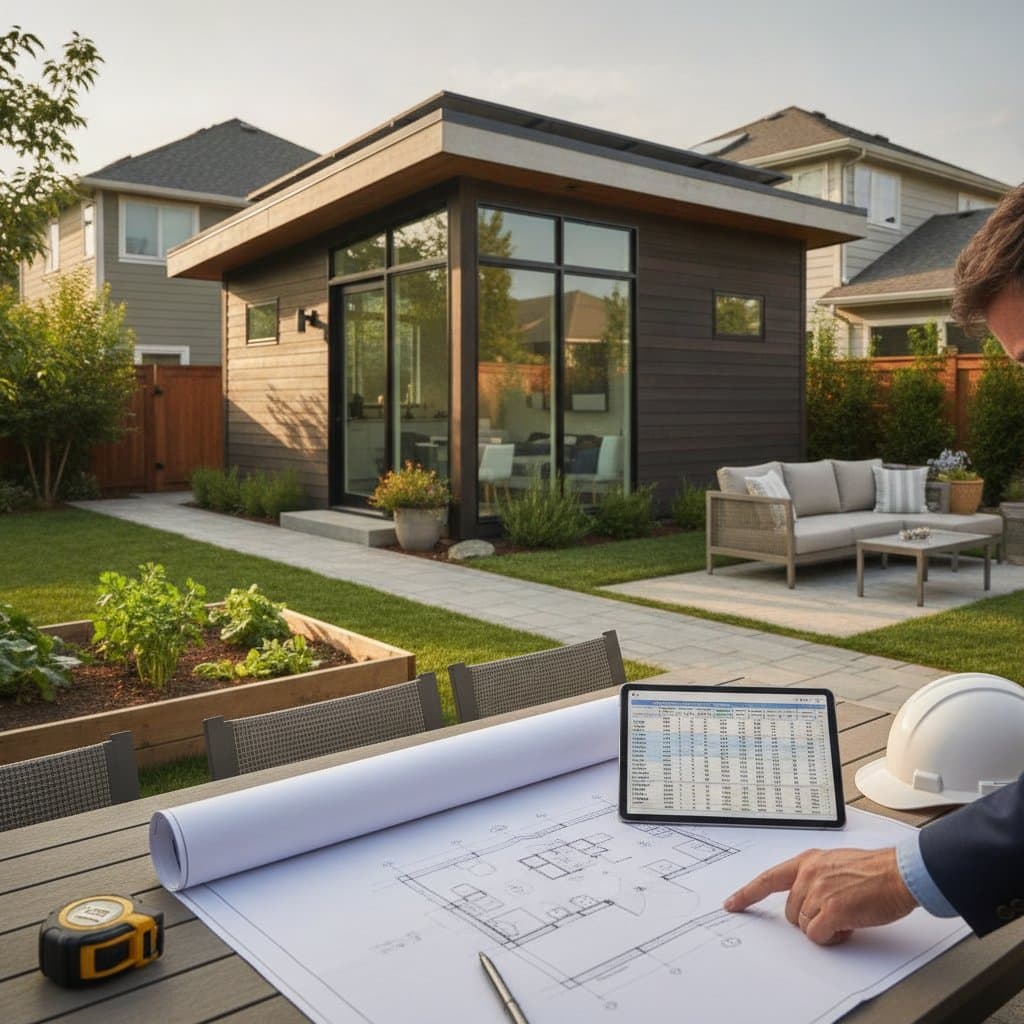
An accessory dwelling unit functions as a complete living space on the same lot as the primary residence. It may attach to the main house, sit above a garage, or stand alone as a detached structure. Each configuration requires different work for foundations, utility connections, and interior finishes.
How Builders Calculate Costs
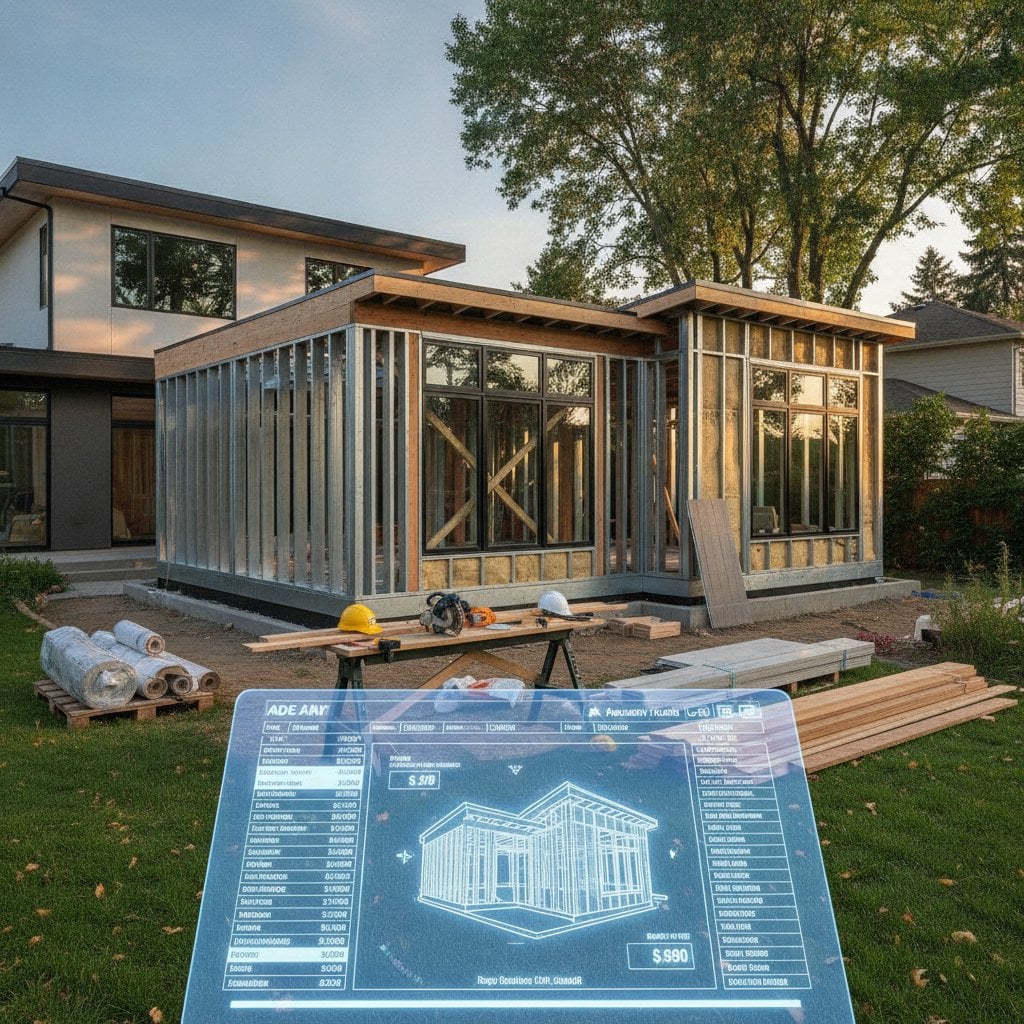
Contractors base ADU pricing on square footage, yet the per-square-foot figure covers only part of the total. Accurate estimates list every included item so owners can compare bids directly. The main cost components are site preparation, foundation and framing, mechanical systems, interior finishes, exterior materials, and permit fees.
Average Cost Ranges by Type
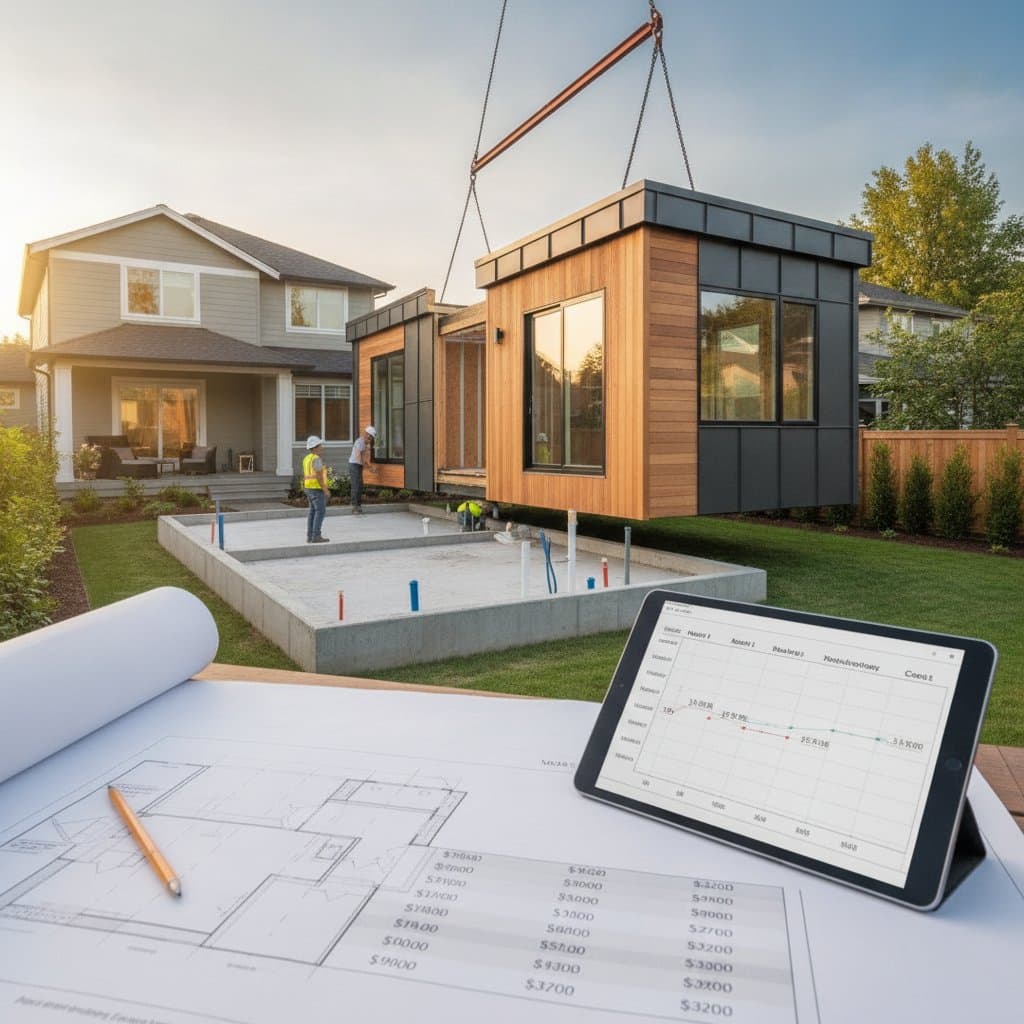
Garage conversions usually cost the least because the foundation and walls already exist. Attached units share walls with the main home and can reduce some expenses while requiring careful utility integration. Detached new builds carry the highest total cost since every element must be constructed from the ground up.
Design Decisions That Change the Price
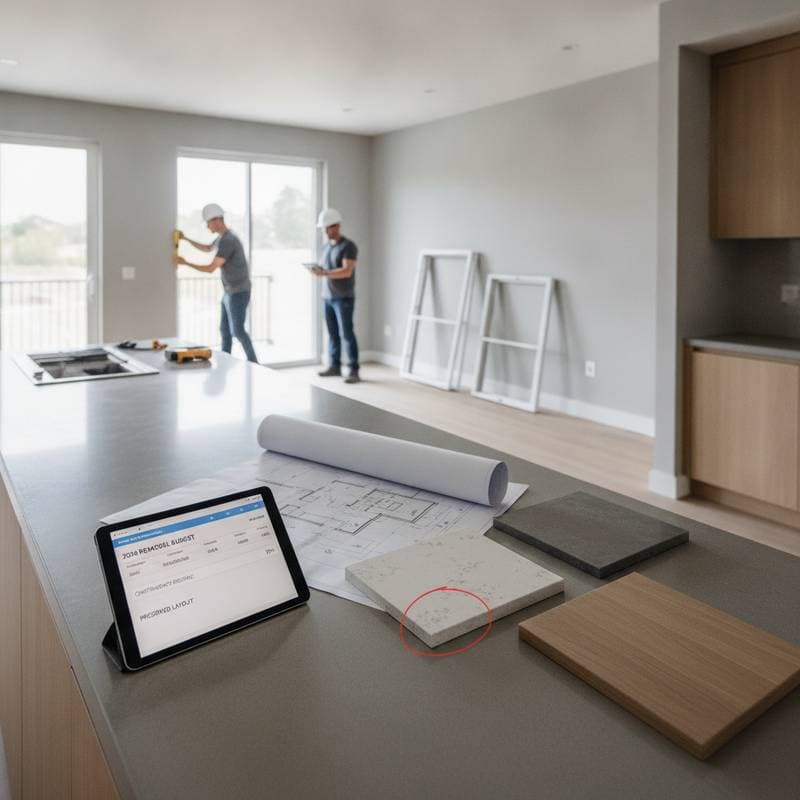
Size and layout directly affect the budget. A compact studio requires fewer bathrooms and simpler mechanical runs than a two-bedroom unit. Standard materials such as vinyl flooring and laminate counters keep expenses lower, while hardwood, tile, and stone surfaces increase them. Simple roof forms cost less to frame than complex lines with dormers or vaulted ceilings. Energy-efficient windows raise the initial outlay but lower ongoing utility bills. Extending water, sewer, and electrical lines often produces the largest variable expense on sites with difficult access.
Site and Regional Influences
Local permit rules, labor rates, and soil conditions shape final numbers. Urban lots may demand higher fees, while sloped terrain increases foundation work. Properties in high-rainfall areas need extra weatherproofing, and hot climates benefit from reflective roofing and insulated siding.
Steps to Control Spending
Owners who simplify the footprint to a rectangle reduce framing labor. Mid-range durable materials deliver strong performance without premium pricing. Bundling design and construction under one firm shortens the timeline. Clearing the site and confirming utility locations before work begins prevents change orders. A ten-percent contingency covers minor adjustments that arise during construction.
When to Hire Professionals
Licensed contractors handle structural, plumbing, and electrical work to code and coordinate inspections. Owners may complete non-structural tasks such as painting or landscaping themselves, yet most projects move faster and with fewer errors when professionals manage the full scope.
Long-Term Performance
Quality insulation, efficient windows, and low-maintenance siding reduce operating costs over time. A well-built ADU increases property value and provides flexible space for family or rental income. Finishes that clean and repair easily keep the unit attractive for years.
Next Steps for Your Project
Start with a clear budget that reflects site conditions and finish level. Consult a builder experienced in small residential structures to review options and refine the scope before permits are pulled.