2026 ADU Costs: Ranges for Backyard Cottages
Quick Answer Box
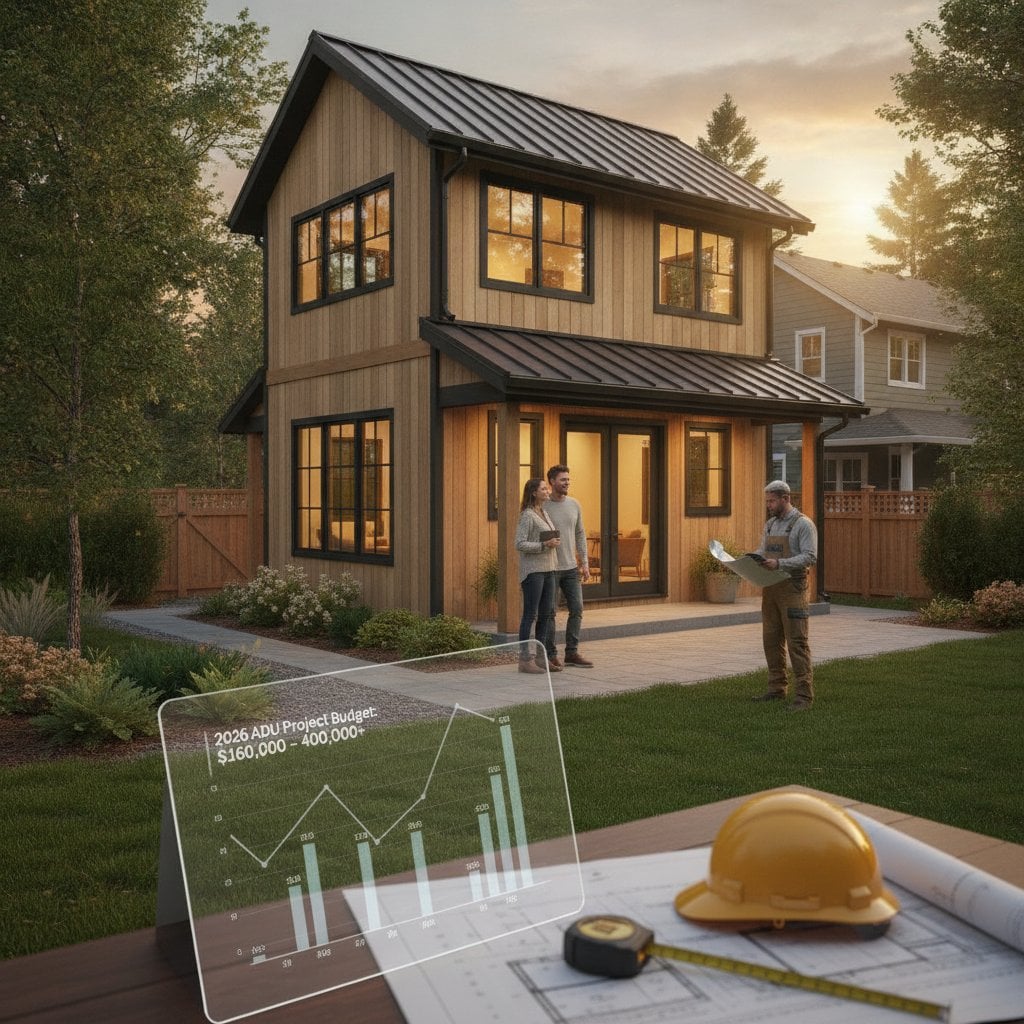
An accessory dwelling unit, also known as an ADU or backyard cottage, ranges in cost from 160000 dollars to 400000 dollars. The final price depends on size, design complexity, and site conditions. A prefabricated unit requires three to four months for completion. A custom build extends the timeline to six to nine months. The project carries an advanced difficulty rating because of permitting requirements, foundation work, and utility connections. Homeowners may manage planning and finishing tasks, yet licensed professionals must complete all structural, electrical, plumbing, and gas work. Safety concerns include excavation hazards, electrical shock risks, and trench stability issues. Urban locations typically increase expenses while rural sites often reduce them.
Step-by-Step Construction Process
1. Establish a Realistic Design and Budget
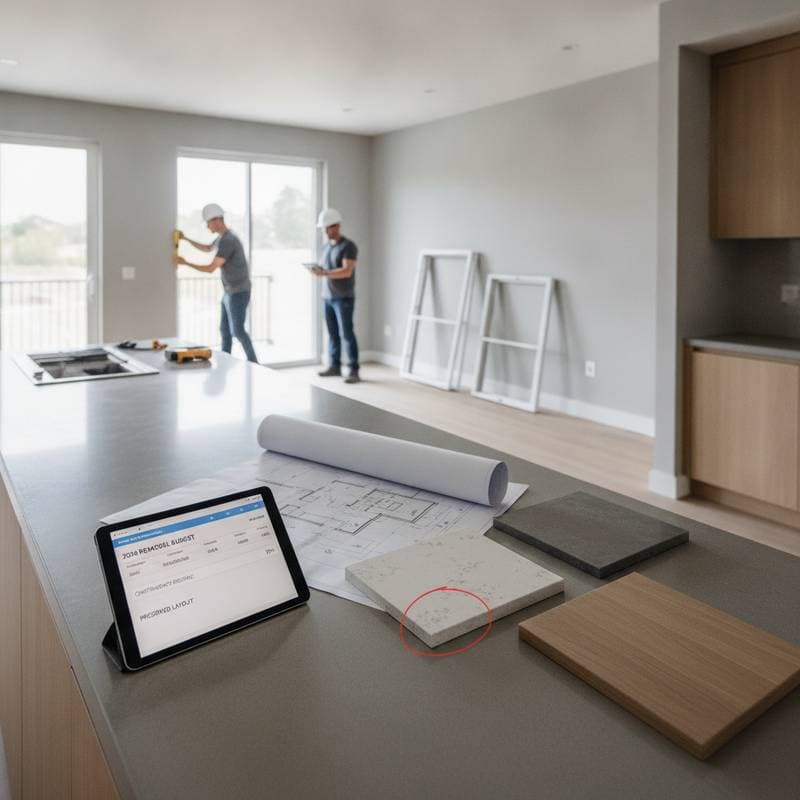
Select the ADU configuration that matches property constraints and financial limits. Options include a detached unit with independent foundation and utilities, an attached addition sharing one wall with the primary residence, or a garage conversion that avoids new foundation expenses. Review local zoning rules for maximum square footage and required setbacks. Build a budget that covers design fees, permit costs, labor, materials, and a 10 to 15 percent contingency reserve.
Success occurs when the chosen design satisfies code requirements and the budget accounts for every identified expense.
2. Obtain Permits and Official Approvals
Submit complete drawings to the local building department. Required documents include site plans, utility layouts, and structural calculations. Pay all review fees and address any requested revisions promptly. Construction may begin only after written approval arrives.
Success is confirmed by approved plans, paid fees, and a scheduled inspection sequence.
3. Prepare the Building Site
Stake the exact footprint with string lines. Clear vegetation and debris. Level the ground surface and install required erosion controls. Verify underground utilities before any excavation begins. For new foundations, arrange equipment rental or contractor services. Garage conversions require slab inspection for cracks or moisture damage.
Success is achieved when the site is clear, level, and ready for foundation work.
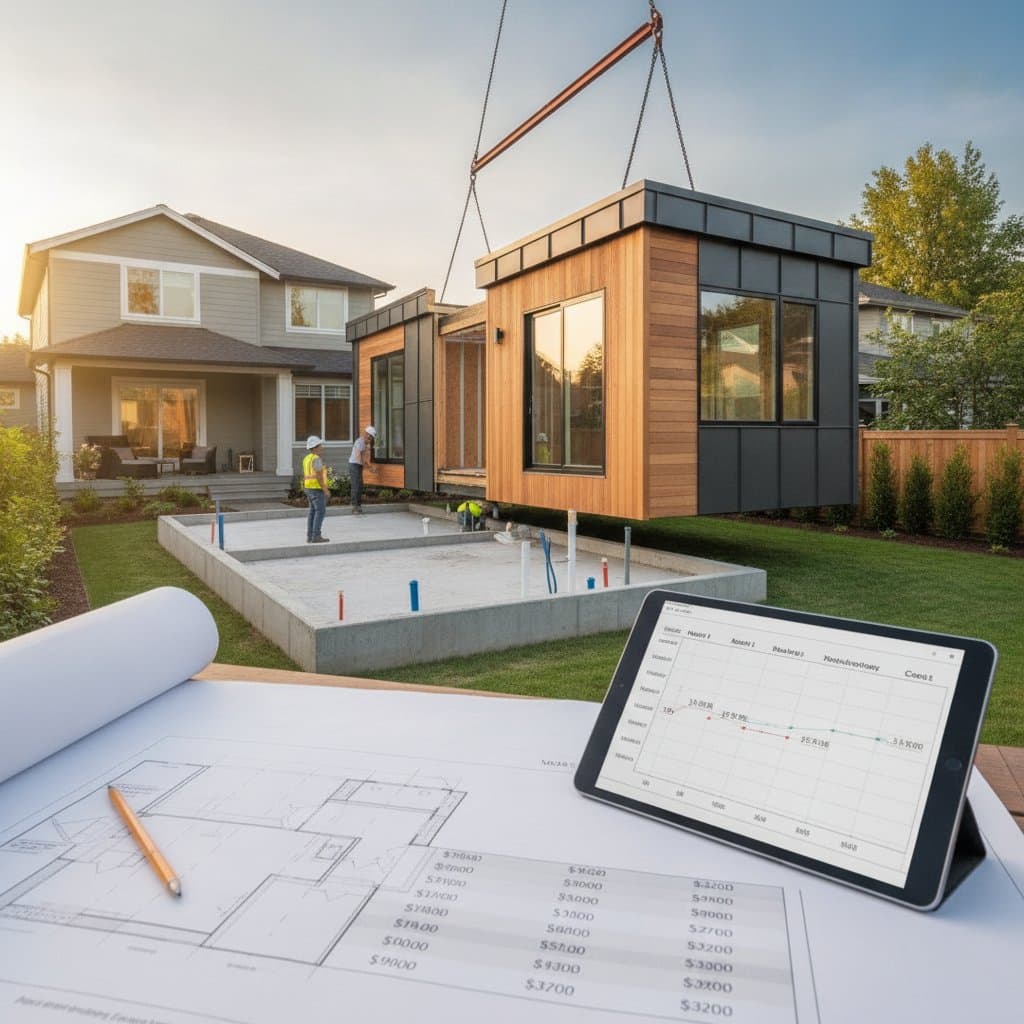
4. Install the Foundation
Choose the foundation type suited to site conditions. Slab-on-grade suits flat lots in mild climates. Crawl spaces provide access for future plumbing and wiring. Pier foundations work well on sloped terrain. Engage a licensed concrete contractor when formwork or reinforcement experience is limited.
Success requires a level, square foundation that passes inspection before framing starts.
5. Complete Structural Framing
Install floor joists, wall studs, and roof trusses according to approved plans. Apply pressure-treated lumber wherever wood contacts concrete. Secure all members with code-approved hardware. Maintain stable ladders and avoid solo work on elevated surfaces.
Success is verified when walls stand plumb, corners remain square, and framing passes inspection.
6. Run Utilities
Licensed specialists must perform this work. Electricians install a subpanel along with outlets and lighting that meet local code. Plumbers connect supply and drain lines with proper venting. HVAC technicians size heating and cooling equipment to the ADU square footage. Circuits remain de-energized during installation.
Success follows pressure testing, inspection approval, and readiness for drywall.
7. Enclose and Insulate the Structure
Apply exterior sheathing, house wrap, windows, and doors. Seal all gaps with appropriate caulk or foam. Install wall and ceiling insulation rated between R-13 and R-21 according to climate zone.
Success produces a weather-tight, energy-efficient enclosure.
8. Complete Interior Finishes
Hang drywall, tape joints, and apply paint. Install flooring, cabinets, and trim. Use moisture-resistant drywall in wet areas. Select durable surfaces for rental units.
Success is reached when all surfaces are smooth, joints are tight, and finishes are ready for final inspection.
9. Connect Systems to Main Utilities
Licensed professionals tie electrical, water, sewer, and gas lines to existing service. All connections undergo final testing and inspection.
Success is confirmed when every utility operates safely and receives approval.
10. Finish Site Work and Landscaping
Regrade soil to direct water away from the foundation. Add pathways, lighting, and plantings. Seal exterior surfaces to prevent water accumulation.
Success produces proper drainage and visual integration with the main property.
Quality Assurance and Common Issues
Foundation cracks often result from inadequate drainage or missing reinforcement. Seal minor cracks with hydraulic cement after correcting grading. Moisture stains near windows or slabs indicate flashing or sealant failure. Frequent breaker trips require load verification by an electrician. Slow drains point to incorrect slope or venting problems.
Maintain complete inspection records with property files for future reference.
Situations Requiring Licensed Professionals
Structural modifications, main panel connections, sewer taps, gas line installation, and foundation drainage problems demand professional attention. Typical hourly rates range from 75 dollars to 160 dollars for electricians and plumbers. Architectural services cost between 4000 dollars and 12000 dollars. General contractors charge 15 to 25 percent of total project cost. Verify licenses, insurance, and references before signing any agreement.
Sample Cost Breakdown
| Category | Low Estimate | High Estimate |
|---|---|---|
| Design and permits | 8000 | 20000 |
| Site work and foundation | 20000 | 50000 |
| Framing and structure | 40000 | 80000 |
| Electrical, plumbing, HVAC | 25000 | 55000 |
| Interior finishes | 25000 | 60000 |
| Landscaping and exterior | 5000 | 15000 |
| Total | 123000 | 280000 |
Practical Planning Recommendations
Secure financing and permits before site work begins. Favor simple designs that limit corners and roof changes. Purchase bulk materials to reduce waste. Stack plumbing fixtures to shorten pipe runs. Conduct walk-through inspections after each major phase.
Starting an ADU Project
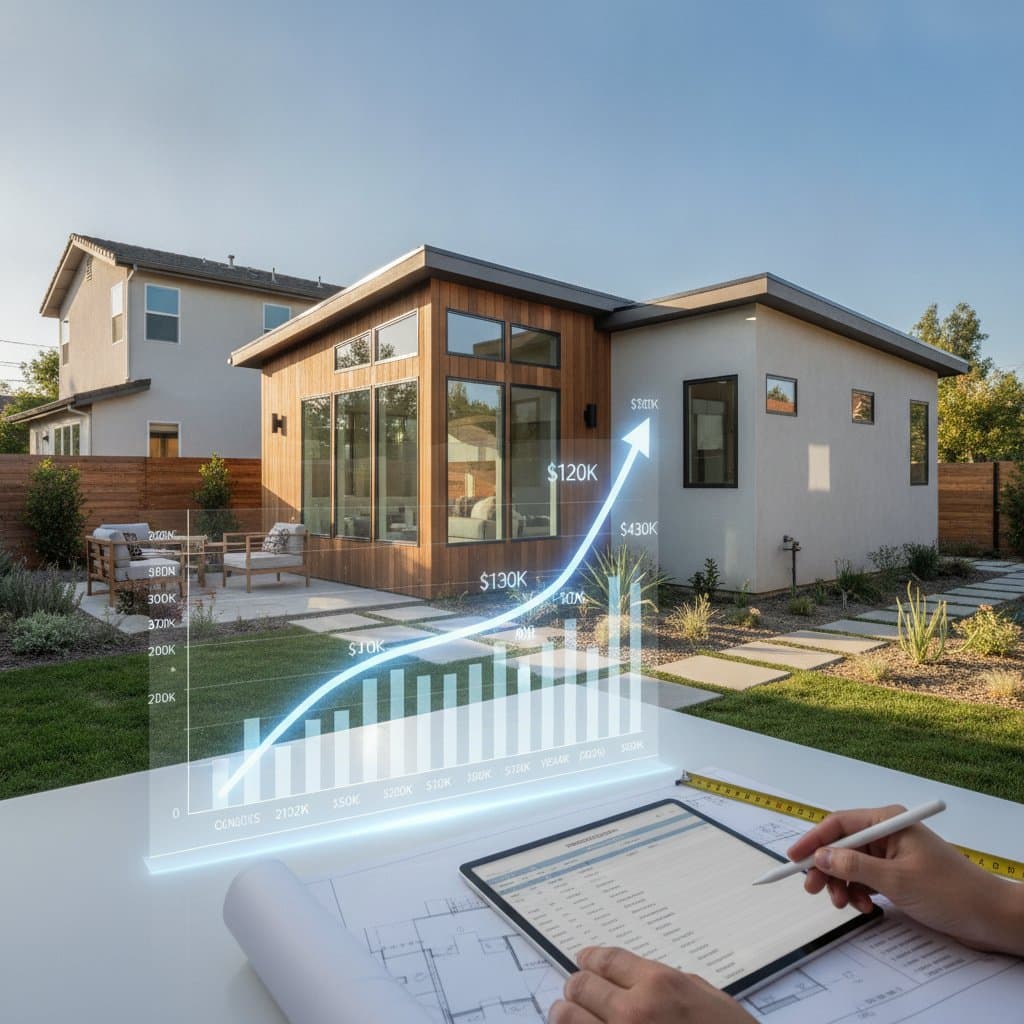
An ADU delivers rental income, multigenerational housing, or added resale value when planned with precision. Confirm zoning allowances and utility capacity first. Collect detailed bids from licensed contractors and compare scope, inclusions, and exclusions. Structured execution combined with code compliance produces a durable addition that meets needs for many years.