2026 Prefab ADU Costs and Permit Requirements Explained
Adding a prefab accessory dwelling unit expands living space and rental income without a full home addition. These units arrive partially or fully assembled, which shortens build time and reduces on-site labor. Total expenses depend on size, finishes, site conditions, and local rules. Clear knowledge of costs and permits supports accurate budgeting and timely completion.
Quick Cost Summary
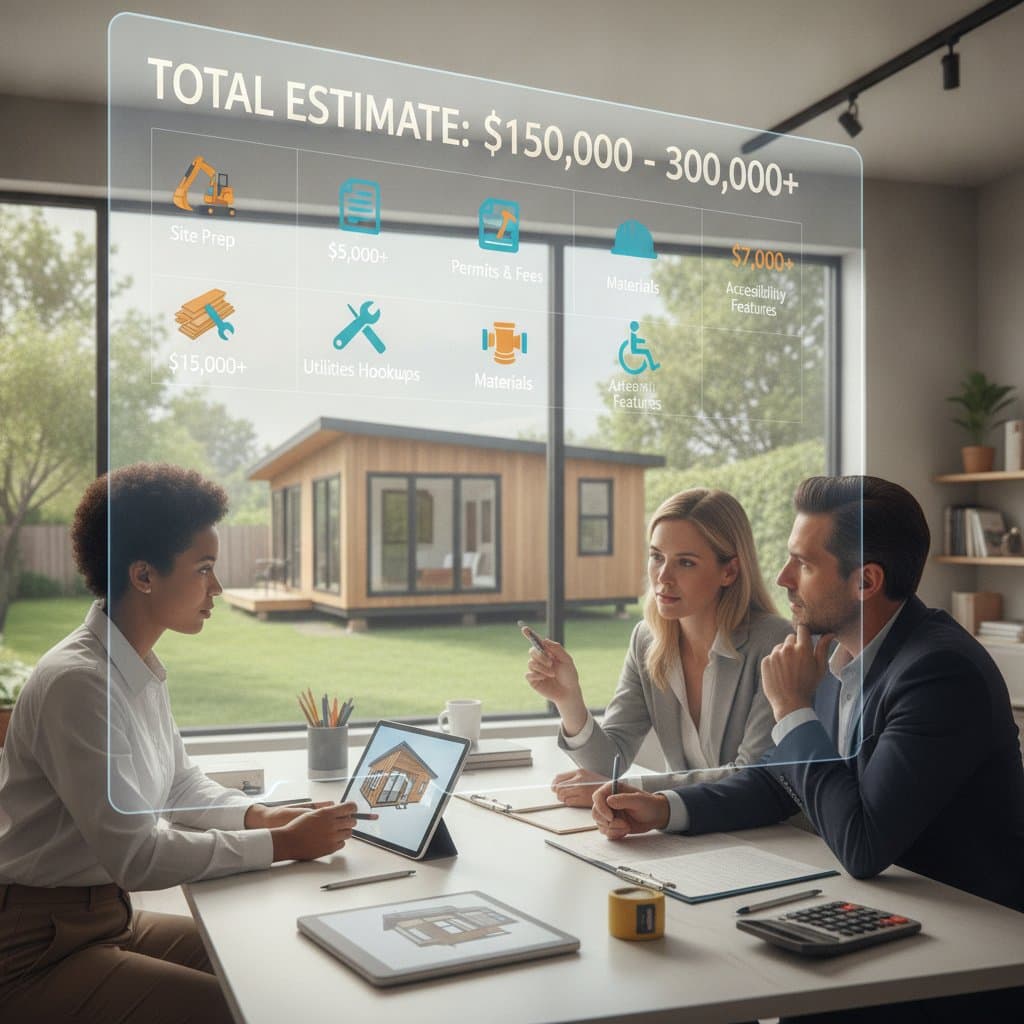
Prefab ADUs range from $140,000 to $320,000 for complete installation. The average reaches about $225,000 and covers design, fabrication, delivery, foundation work, setup, and permits.
Major cost drivers include unit size and layout, site preparation needs, finish customization, local labor rates, permit fees, and factory-to-site transport distance.
Prefab units typically cost 15 to 25 percent less than stick-built versions because factory conditions control quality and reduce labor hours. Site work and permitting still influence the final figure.
Key Insights
- Permit reviews often require several weeks even when fabrication moves quickly.
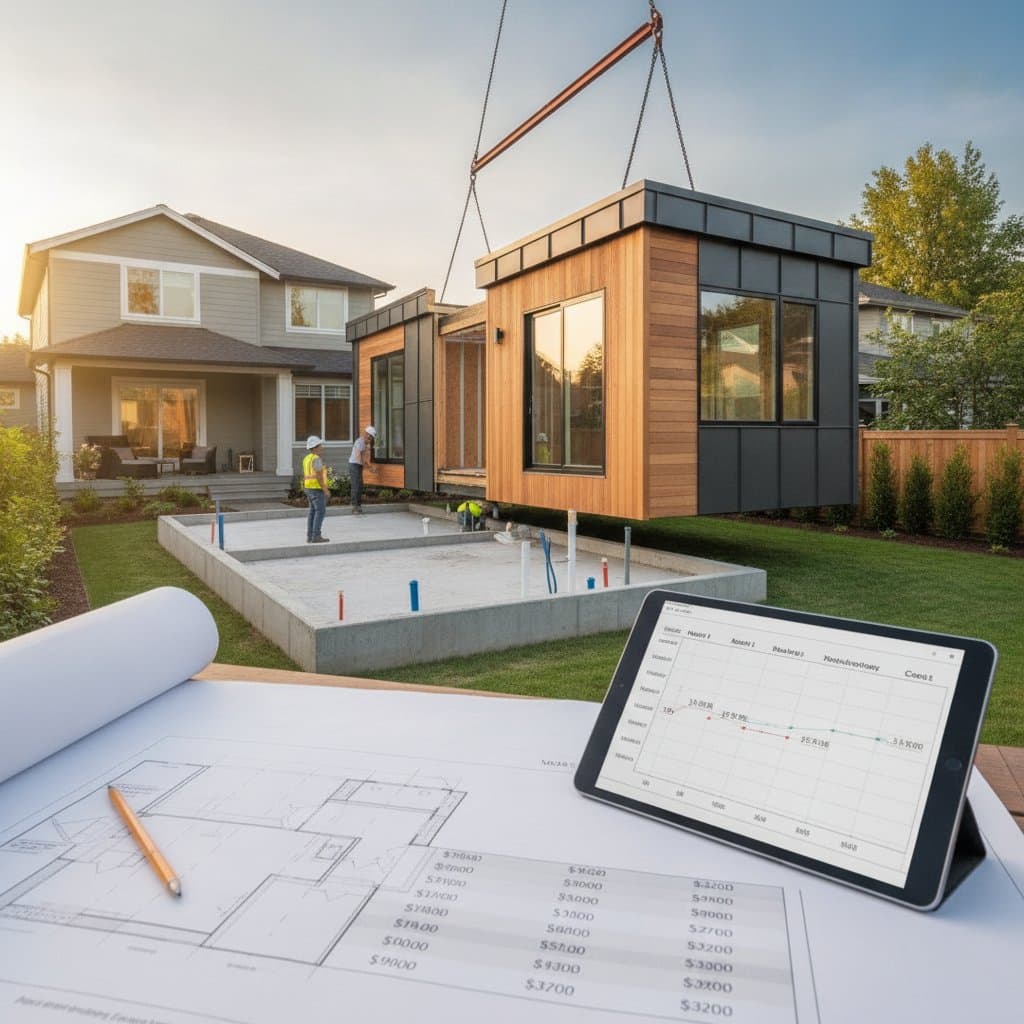
- Delivery and crane services add $5,000 to $15,000.
- Units under 400 square feet cost less yet limit layout options.
- High-end finishes or larger sizes can exceed $350,000.
- Many cities now offer streamlined ADU permit paths.
Cost by Size or Type
Prefab ADUs appear as studios, one-bedroom, or two-bedroom models. Cost per square foot falls between $350 and $600 based on materials and complexity.
| ADU Type | Typical Size (sq. ft.) | Average Cost Range |
|---|---|---|
| Studio | 250 - 400 | $120,000 - $175,000 |
| One-Bedroom | 400 - 650 | $160,000 - $250,000 |
| Two-Bedroom | 650 - 1,000 | $230,000 - $320,000 |
Smaller units usually rest on slab foundations with short utility runs. Larger units may need electrical panel upgrades, longer sewer lines, and heavier foundations. Manufacturers supply the unit and basic design, while local crews complete foundations, utilities, and final connections.
Contractor Costs and Professional versus Owner-Build
Licensed professionals remain essential for installation and site work. Labor accounts for 25 to 40 percent of the total budget.
Hiring a Contractor
A general contractor coordinates code compliance across delivery, foundation, and inspections. Contractors handle excavation, utility trenching, crane logistics, and permit filings. Labor costs range from $40,000 to $90,000 depending on site complexity.
Owner-Build Options
Homeowners who manage site work or interior finishes may save $10,000 to $25,000. Tasks that require licensed trades include plumbing, electrical, and structural work. Owner-builder permits are available in some jurisdictions; confirm rules with the local building department and the manufacturer before starting.
Additional Cost Factors
Site Conditions
Sloped lots, poor soil, or tight access increase foundation and delivery expenses. Retaining walls or special crane setups may become necessary.
Utility Connections
Runs longer than 30 feet for water, sewer, or power add several thousand dollars. Rural sites or older neighborhoods sometimes require main panel upgrades or septic improvements.
Design Complexity
Standard models keep costs lower. Each custom change raises material and engineering fees.
Permit and Impact Fees
Fees range from $2,000 to $15,000. Some cities reduce or waive fees for smaller units. Verify current amounts with the local planning office before finalizing the budget.
Permit Requirements
Even factory-built units need permits and inspections. Most jurisdictions follow a standard sequence.
Typical Permits Needed
- Building permit for structure and foundation.
- Electrical, plumbing, and mechanical permits for utility ties.
- Zoning review for setbacks, height, and lot coverage.
- Grading permit when earthwork or drainage changes occur.
Zoning and Setback Rules
One ADU is allowed per primary residence in most areas. Detached units must meet height limits and distance requirements from property lines.
Inspection Process
Inspectors check foundation, utility connections, and anchoring on site. Factory certification satisfies part of the review, yet local verification still occurs.
Ways to Reduce Expenses
- Select a standard model instead of custom options.
- Complete site clearing and grading before delivery.
- Combine permit applications where allowed.
- Choose durable mid-grade finishes.
- Choose a manufacturer within a shorter transport radius.
State or municipal ADU grants and low-interest loans can further offset initial costs.
Return on Investment
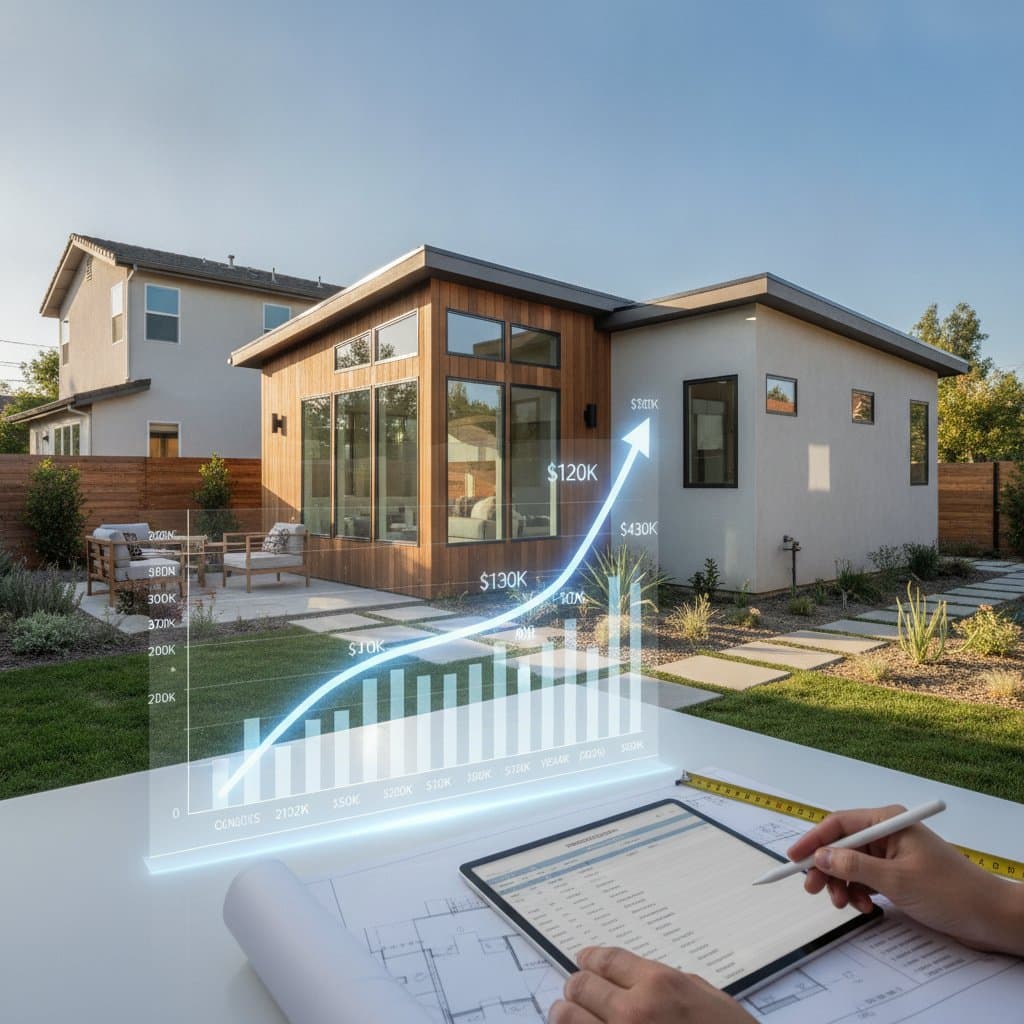
Annual rental yields often reach 5 to 10 percent of construction cost. Property value may rise 15 to 30 percent when the unit includes a private entrance, full kitchen, and separate metering.
Strong returns follow careful control of site expenses, avoidance of excess customization, and full compliance with rental regulations.
When Owner-Build Makes Sense
Flat lots with easy utility access and prior project experience favor owner-build approaches. Owners can manage finish work, landscaping, or painting. Complex grading, new utility runs, or strict local codes favor professional installation to avoid later corrections.
Cost Methodology
Figures represent averages drawn from manufacturer data, contractor bids, and regional homeowner reports. They cover fabrication and site work but exclude land purchase. Always confirm local permit and utility costs directly.
FAQs
How much does a prefab ADU cost?
Most units fall between $140,000 and $320,000, averaging $225,000 with permits and installation.
Do I need a permit for a prefab ADU?
Yes. Building, electrical, plumbing, and zoning permits are required.
Can I live in the ADU while renting the main house?
Many cities require owner occupancy of either the primary residence or the ADU.
How long does installation take?
Factory work takes several weeks; on-site work usually requires one to two months once the site is ready.
Are prefab ADUs cheaper than traditional builds?
They cost 15 to 25 percent less because of reduced on-site labor and controlled factory conditions.
What foundation does a prefab ADU need?
Most rest on concrete slab or pier foundations.
Can I finance a prefab ADU?
Home equity loans, construction loans, and specialized ADU programs are common options.
Do prefab ADUs increase property taxes?
Taxes rise only on the added value of the new unit.
Protecting Your ADU Over Time
Annual inspections of roofing, siding, and seals prevent moisture issues. Keep installation records, permits, and warranty documents accessible. Follow the manufacturer maintenance schedule for utilities and finishes to preserve efficiency and comfort.