2026 Prefab ADU Cost Breakdown for Backyard Rentals
Prefab accessory dwelling units offer a direct route to added living space or rental income on single family lots. This guide presents current price ranges, project timelines, and the main variables that shape total expense.
Quick Overview
Readers will find a complete accounting of materials, labor, permits, and installation steps. The information supports accurate budgeting and helps determine when professional help adds the most value.
Cost and Time Estimates
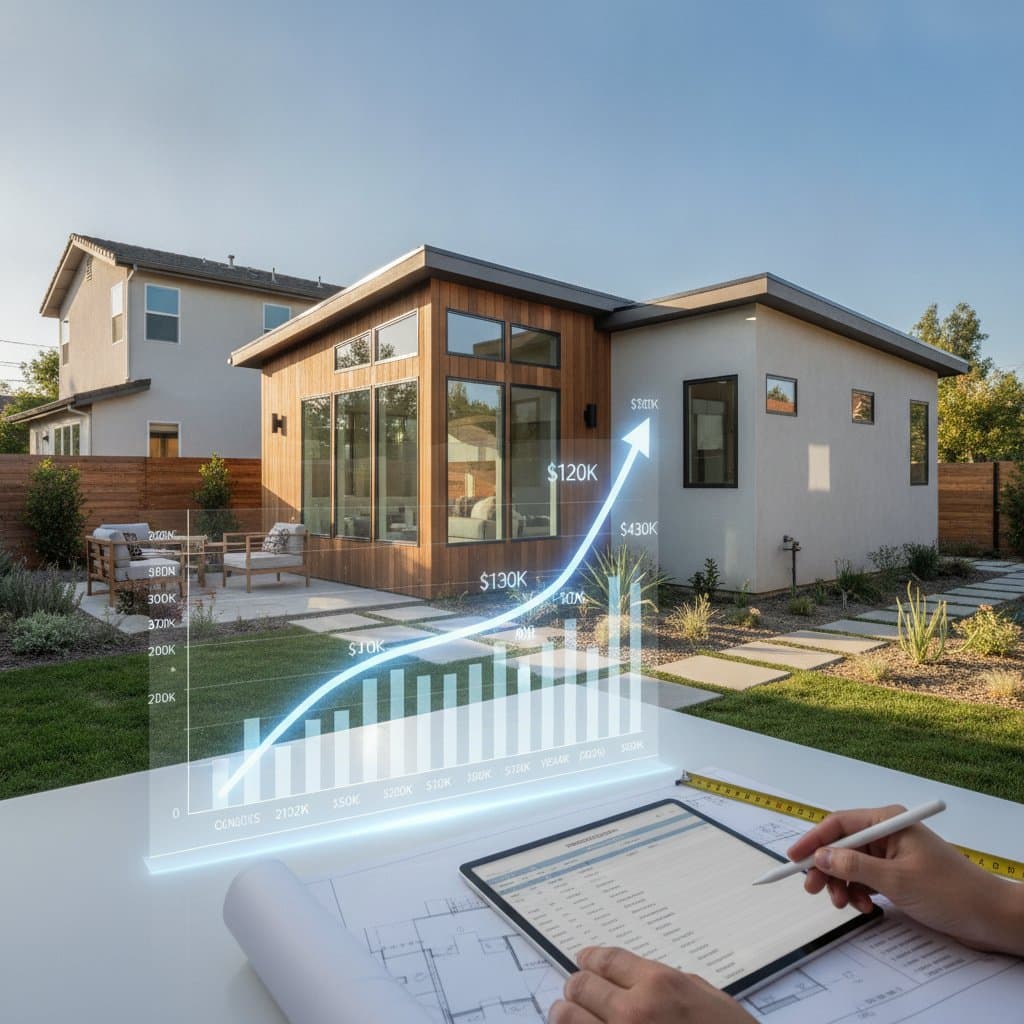
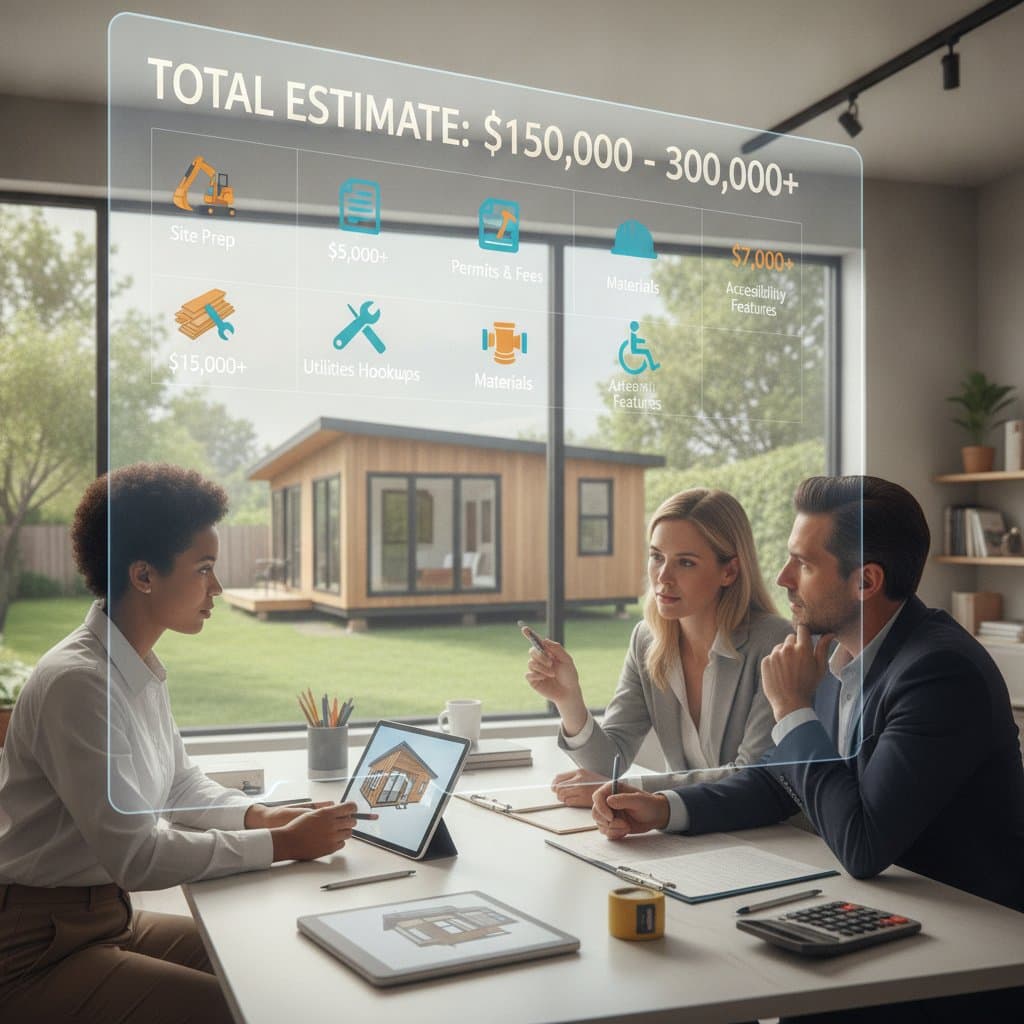
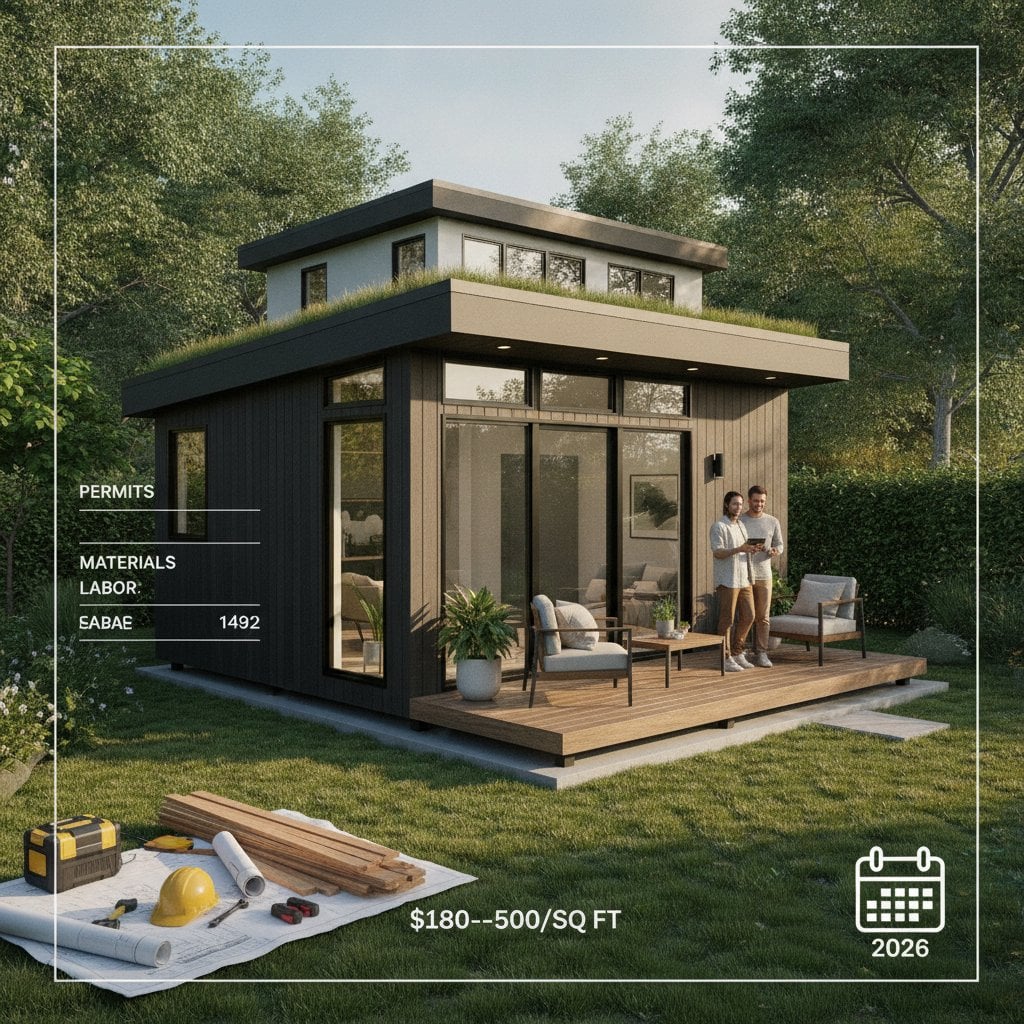
Prefab ADUs range from $180 to $500 per square foot. A basic 400 square foot studio typically totals $80,000 to $120,000. A finished two bedroom unit can reach $250,000 or higher.
Cost breakdown:
- Prefab unit shell: $70,000 to $200,000
- Site preparation and foundation: $10,000 to $40,000
- Utility hookups: $5,000 to $25,000
- Permits and design fees: $5,000 to $15,000
- Delivery and installation: $10,000 to $30,000
- Landscaping, decking, and extras: $3,000 to $10,000
Timeline:
- Prefab manufacturing: 4 to 12 weeks
- Site preparation and foundation: 2 to 4 weeks
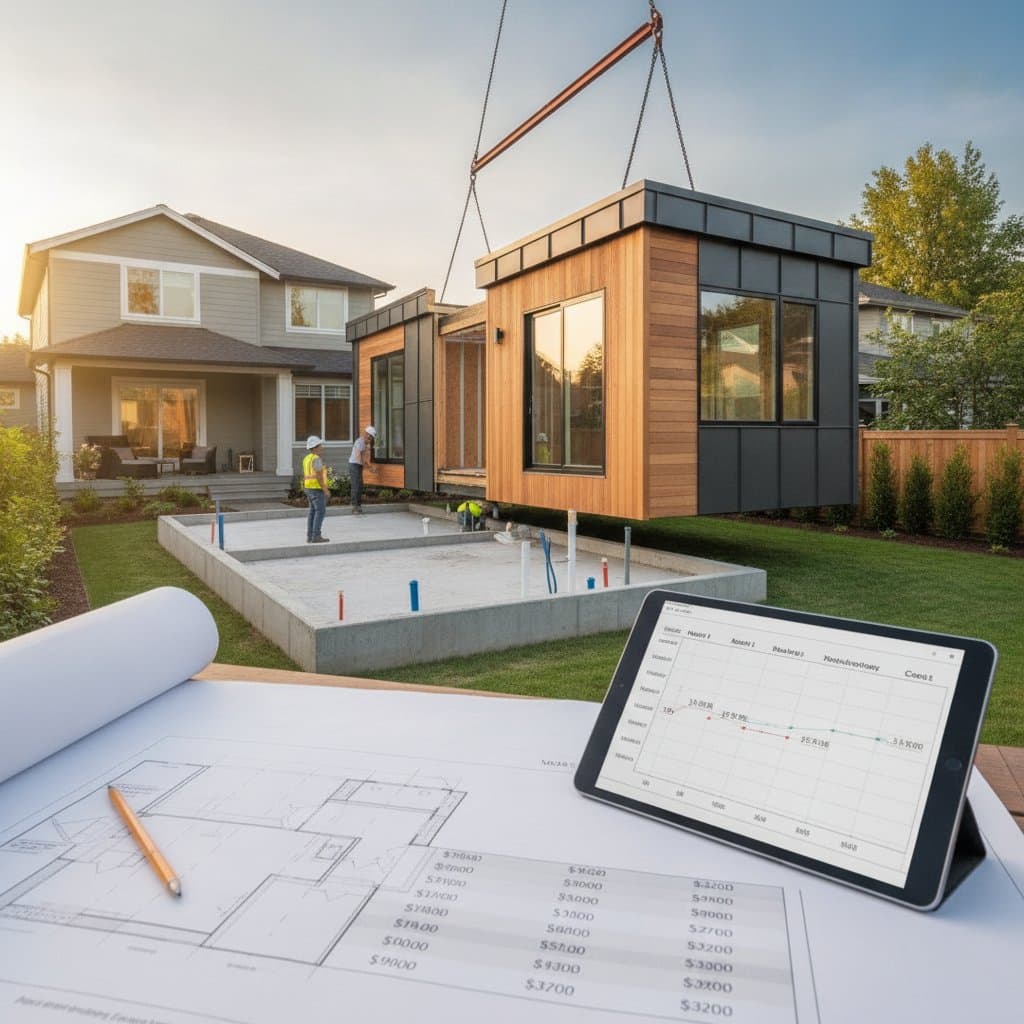
- Delivery and installation: 1 to 2 weeks
- Final connections and inspections: 1 to 3 weeks
A licensed contractor finishes most projects in roughly three months. Owner managed work often extends longer because of permit scheduling and inspection intervals.
Difficulty rating: Moderate to Advanced. Factory built modules reduce framing time, yet utility connections, grading, and code compliance still require technical skill.
DIY versus Professional Guidance
DIY remains feasible when the lot is already level and the owner holds basic construction experience. The manufacturer must supply clear installation instructions and ongoing support. Small studio models suit partial owner involvement best.
Professional installation becomes necessary for grading, trenching, or concrete work. Electrical and plumbing ties to the main house usually require licensed trades. Many jurisdictions mandate certified contractors for final inspections.
Cost comparison:
- Partial DIY install: $80,000 to $150,000
- Full professional build: $150,000 to $250,000
Contractor involvement often shortens approval times and lowers rework risk, which can offset added labor charges.
Step by Step Installation Process
1. Assess Your Property
- Measure setbacks and confirm zoning limits on size and parking.
- Produce a site plan that satisfies local code.
Success check: The plan receives preliminary staff approval.
2. Choose a Prefab Model
- Compare floor plans, insulation values, and finish levels.
- Match energy features to rental market expectations.
Success check: The model satisfies both space needs and projected income.
3. Obtain Permits and Approvals
- Submit drawings, specifications, and engineering calculations.
- Pay fees and complete any required reviews.
Success check: Written permit issuance precedes any site work.
4. Prepare the Site
- Clear vegetation and establish proper drainage grades.
- Install slab or pier foundations to manufacturer tolerances.
Success check: The foundation passes inspection and measures level within one inch.
5. Complete Utility Connections
- Extend water, sewer, electrical, and gas lines.
- Engage licensed trades for final terminations.
Success check: All lines pass pressure and electrical tests.
6. Deliver and Install the Prefab Unit
- Coordinate truck or crane delivery with the manufacturer.
- Secure modules to the foundation and seal all joints.
Success check: The structure is weather tight and square.
7. Final Finishes and Inspections
- Install appliances, HVAC, and interior fixtures.
- Schedule the final building inspection.
Success check: Certificate of occupancy is issued.
Safety Requirements
Wear eye protection, gloves, and sturdy boots on site. Shut off main utilities before making connections. Stabilize all ladders on firm ground. Verify local fire separation rules between the primary residence and the new unit.
Common Issues and Quality Checks
Uneven foundations require shimming before module placement. Seal roof and wall joints immediately if moisture appears. Confirm sewer slope at tie in points. Verify breaker capacity before adding new circuits.
Quality checks include smooth door and window operation, continuous roof and siding coverage, and passing plumbing and electrical tests.
Site Cleanup
Remove packaging, scrap materials, and excess soil before final inspection. Recycle concrete, metal, and lumber where facilities exist. Place unsuitable fill at approved disposal sites. Regrade surrounding soil to direct water away from the new foundation.
Maintenance and Lifespan
Well built prefab ADUs last 40 to 60 years with routine care. Inspect roofs, caulking, and window seals each year. Plan roof replacement at 20 to 25 years and exterior repainting at 8 to 10 year intervals. Change HVAC filters and service plumbing fixtures on a regular schedule.
When Professional Help Is Required
Call a licensed contractor for steep slopes, poor drainage, or utility trenching under existing pavement. Structural or electrical inspection failures also warrant expert review.
Professional cost ranges:
- General contractor oversight: $80,000 to $200,000
- Electrical and plumbing trades: $5,000 to $20,000
- Site preparation and grading: $10,000 to $30,000
Contractor checklist:
- Confirm current state license and insurance coverage.
- Request itemized bids and written schedules.
- Verify warranty terms for both labor and materials.
- Confirm prior experience with prefab systems.
FAQ
How long does a prefab ADU take to install? Most projects reach completion in 8 to 12 weeks after permit approval.
Do I need a separate address for a backyard ADU? Many jurisdictions assign one for utility billing and emergency response. Confirm requirements with the local building department.
Can I finance a prefab ADU? Financing options include home equity loans, construction loans, and specialized ADU programs offered by certain lenders.
Budgeting for Long Term Value
A prefab ADU supplies steady rental income or expanded living space when costs and timelines are understood in advance. Accurate planning supports confident decisions from permitting through final occupancy.