How Prefabrication Addresses Labor Shortages in Construction
Project Overview
This guide compares prefabricated and traditional construction approaches for managing skilled labor shortages projected through 2026. It details impacts on workforce requirements, overall expenses, and project schedules to support informed decisions for upcoming builds.
The Skilled Labor Shortage in Construction
The construction sector continues to experience a sustained deficit of qualified tradespeople. Entry into carpentry, electrical, plumbing, and masonry fields has declined even as demand for housing and commercial projects rises. This shortfall extends timelines and elevates expenses. Builders now adopt prefabrication to maintain progress despite limited on-site crews.
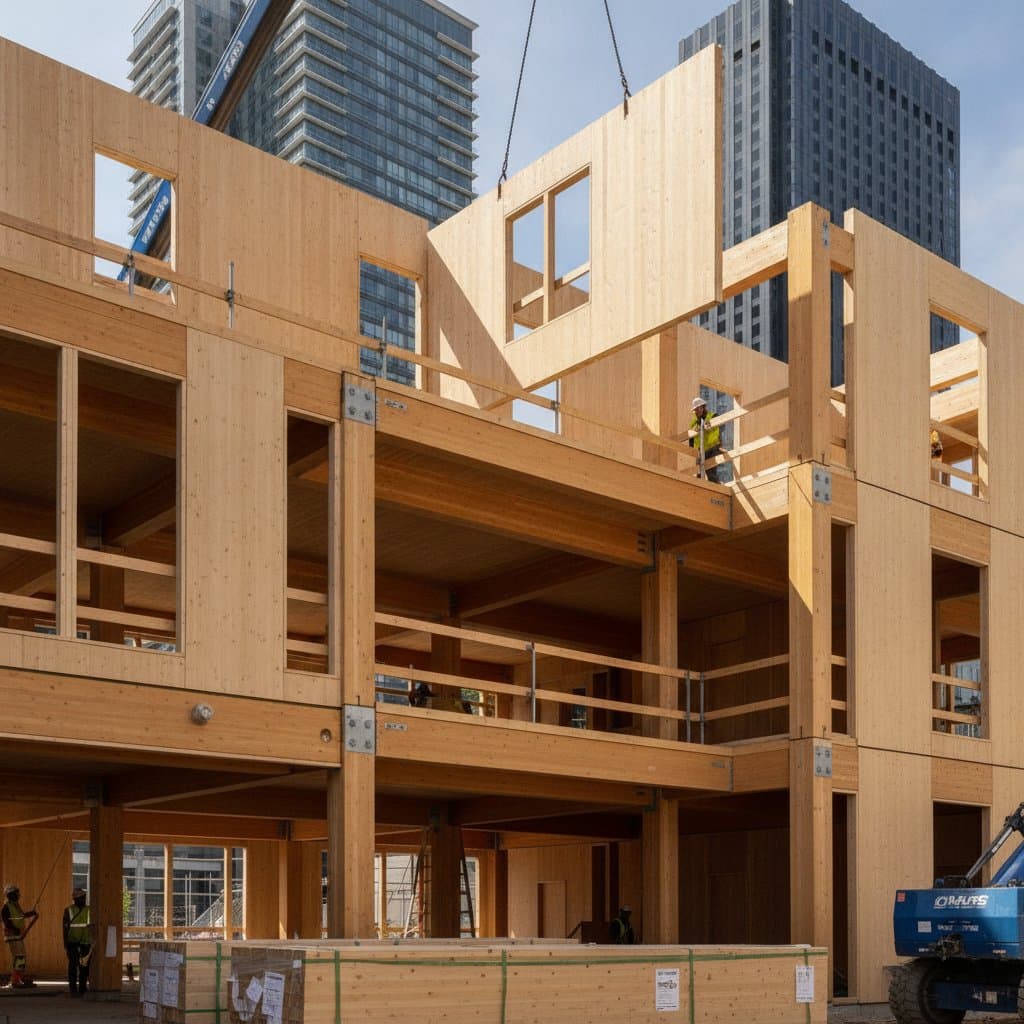
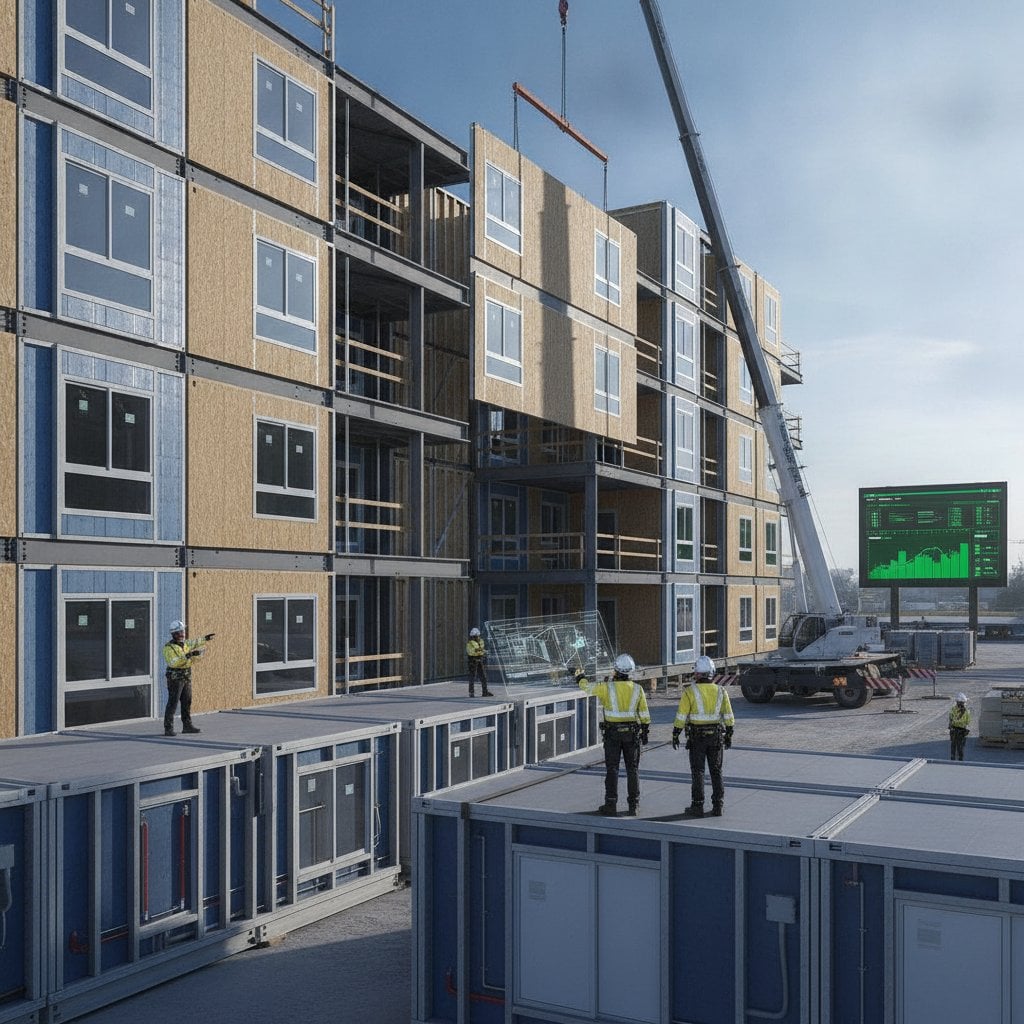
Prefabrication shifts substantial work to a factory setting. Components are produced under controlled conditions before transport and installation at the site. The method lowers on-site staffing needs and compresses field duration, which helps counter workforce constraints.
Cost and Schedule Comparisons
Prefabricated Construction
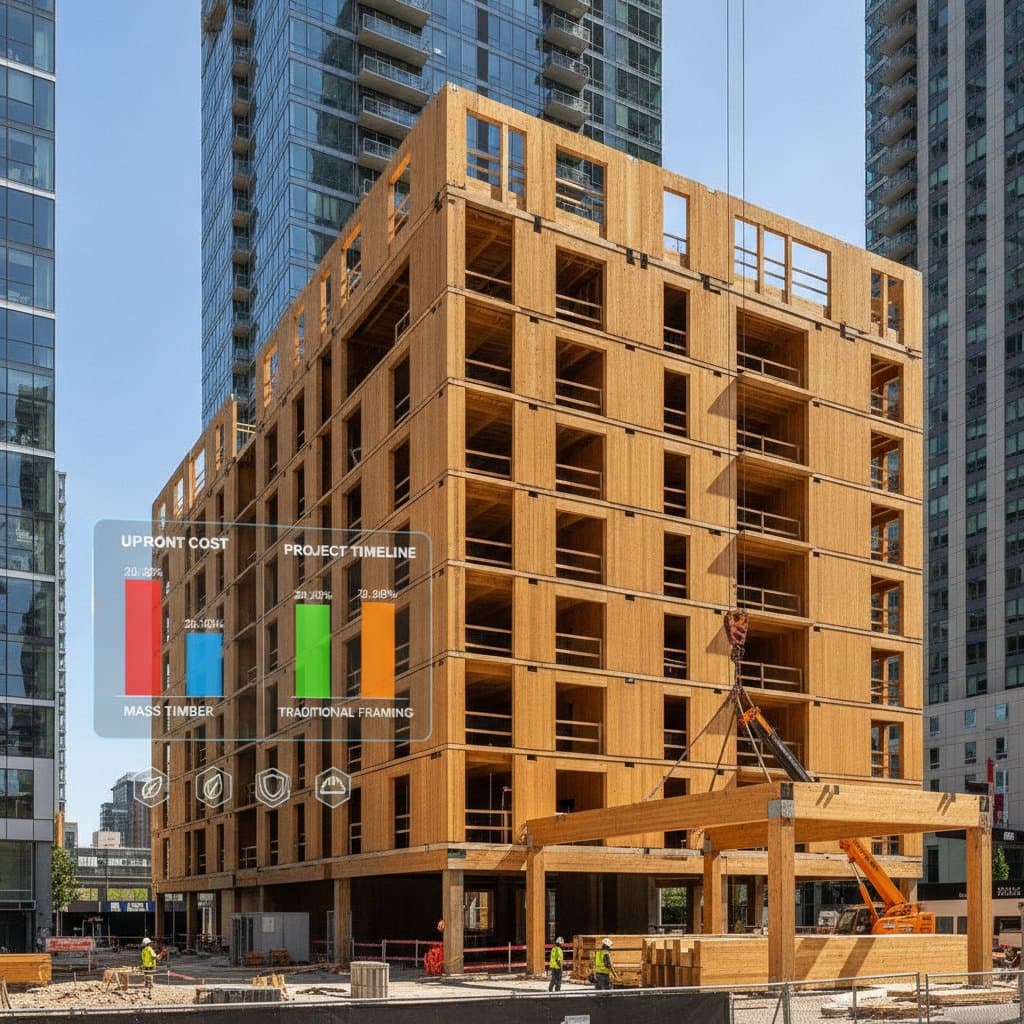
- Typical costs fall 5 to 20 percent below traditional methods after transport and installation.
- Key variables include design complexity, factory distance, site access, and permit requirements.
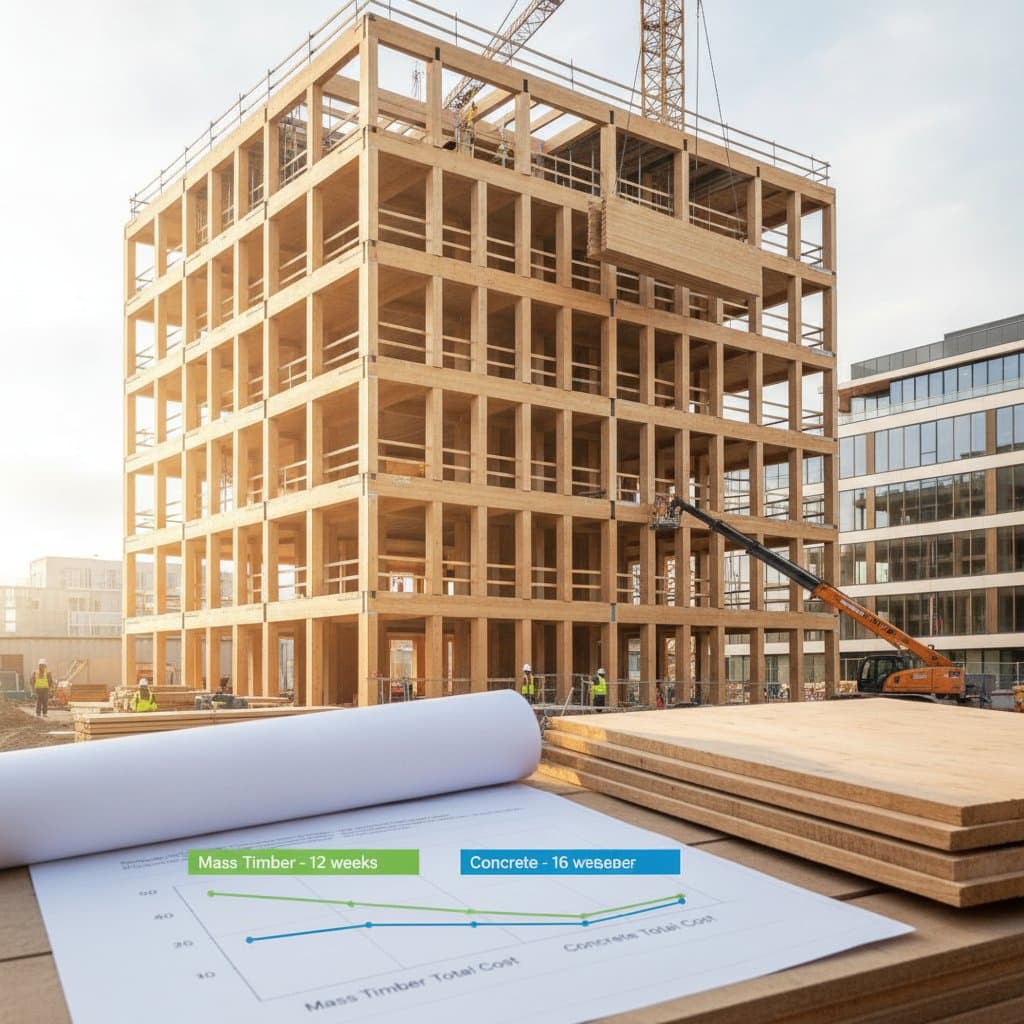
- Overall timelines shorten by 25 to 50 percent through parallel factory and site work.
- Difficulty level remains moderate due to reduced field coordination.
Traditional Construction
- Labor expenses rise from extended durations and weather interruptions.
- Primary variables include regional wage levels, trade availability, and material timing.
- Schedules depend on crew size and conditions, increasing vulnerability to supply changes.
- Difficulty level is advanced and demands complete trade oversight.
Professional Requirements and Options
Large projects require licensed oversight regardless of method. Small accessory structures may allow owner assembly with basic skills and rented equipment. Electrical, plumbing, and foundation elements must comply with local codes. Professional teams manage shipping, staging, and connections to avoid errors. Prefabricated installation often uses fixed per-module pricing, while traditional work follows hourly or bid rates.
Prefabrication Process Steps
- Finalize design details and secure permits plus zoning approval.
- Complete factory production of panels and modules with quality verification.
- Prepare the foundation, utilities, and delivery access.
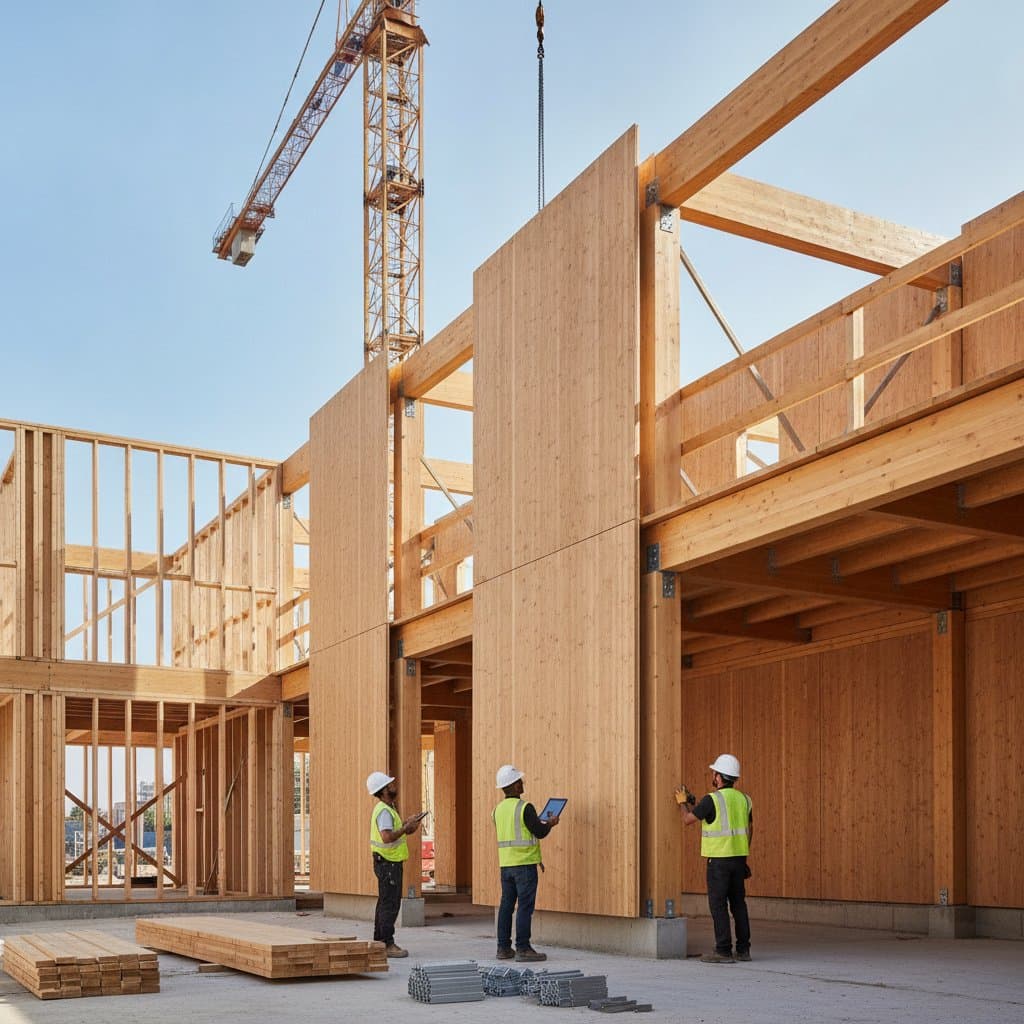
- Transport components and coordinate crane offloading.
- Position modules, secure connections, and link mechanical systems.
- Finish surfaces and obtain final inspection approval.
Safety and Quality Practices
De-energize circuits before module connections. Use certified rigging for all heavy lifts. Require hard hats, gloves, eye protection, and steel-toe boots on site. Postpone crane work during high winds. Verify module alignment with laser levels and test all systems before interior finishes. Address leaks by resealing joints and checking flashing.
Waste Reduction and Ongoing Care
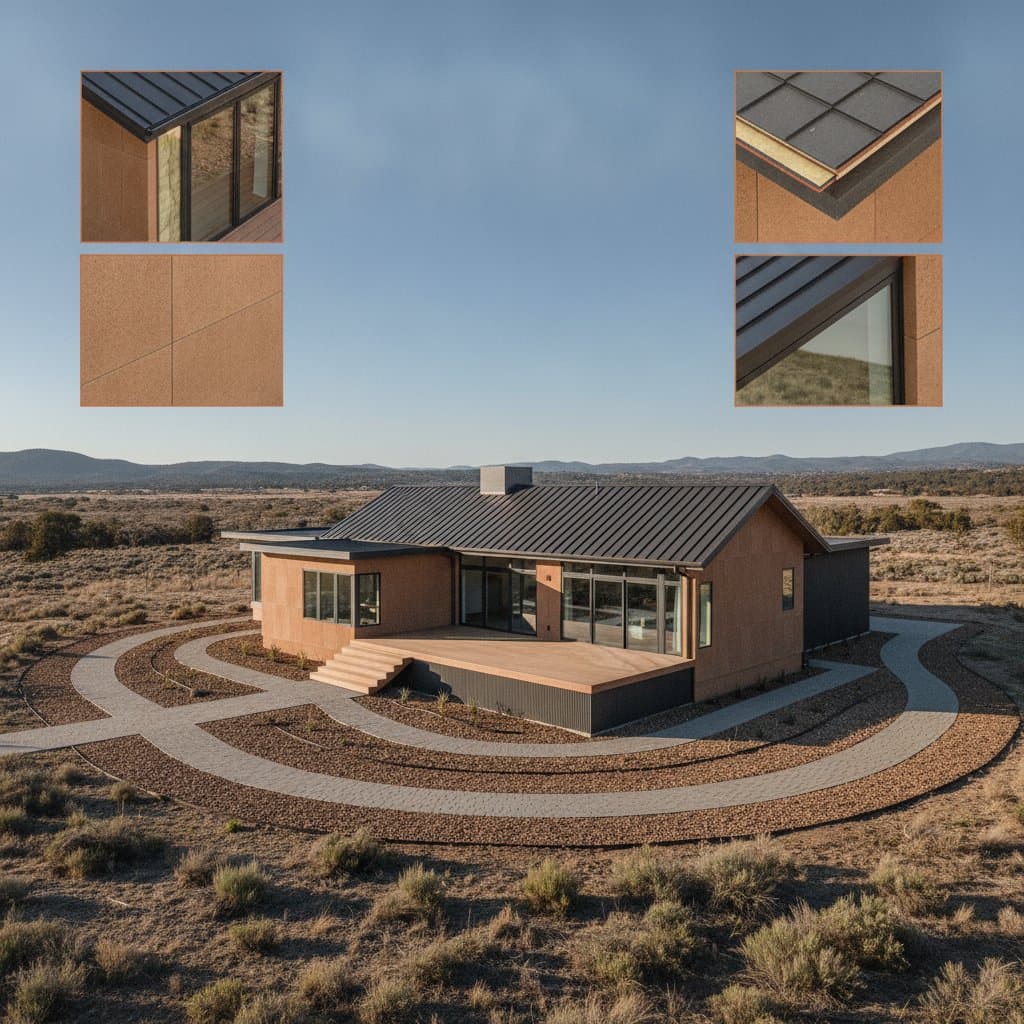
Factory methods generate less debris than site-built projects. Recycle wood, metal, and packaging on site. Follow local rules for adhesive and sealant disposal. Inspect roof joints and seals twice yearly. Maintain drainage to protect foundations. Steel or wood frames typically last 50 years or longer with routine upkeep.
When Professional Support Is Essential
Engage contractors for projects beyond single-family scale or those involving complex systems. Confirm licenses, modular experience, and itemized bids before signing. Request references and warranty details covering both factory and field work.
Labor and Flexibility Tradeoffs
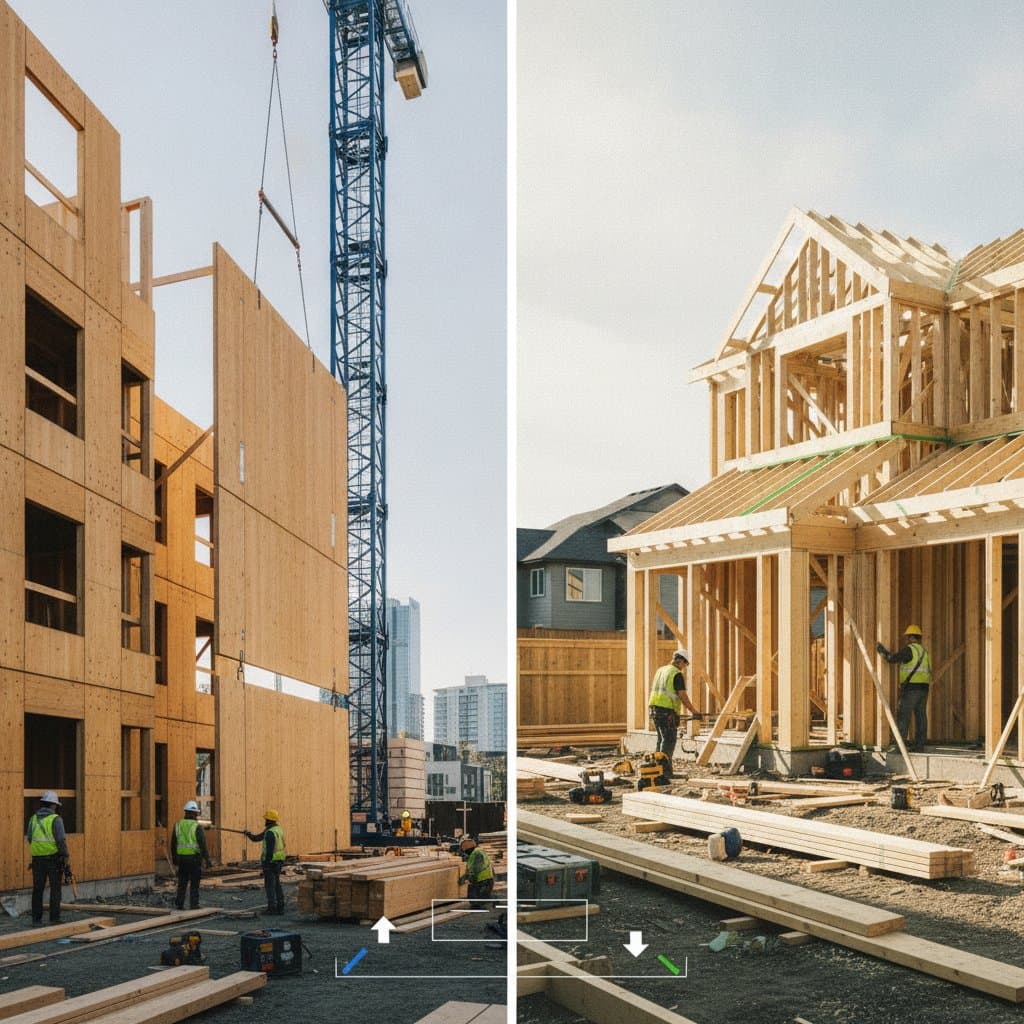
Prefabrication concentrates skilled tasks in a factory, allowing fewer technicians to deliver consistent output while shortening site exposure. Traditional methods retain advantages for custom details but require steady trade availability. Hybrid approaches that combine factory wall panels with selective site framing now appear frequently. Early coordination among design, manufacturing, and field teams prevents delays and supports quality outcomes.
Workforce and Productivity Gains
Adoption of prefabrication stabilizes schedules in regions with acute labor gaps. It creates technician roles in controlled environments while preserving demand for traditional craftsmanship on customized work. Builders gain predictable timelines and cost control. Owners benefit from reduced weather risk and faster occupancy.