Mass Timber Costs and Codes: What to Expect in 2026
Mass timber construction combines strength, sustainability, and speed in ways that appeal to many builders. Project planners benefit from tracking shifts in material prices and building regulations. This overview covers key cost drivers, expected code adjustments, and practical steps for successful execution.
Cost Ranges and Influencing Factors
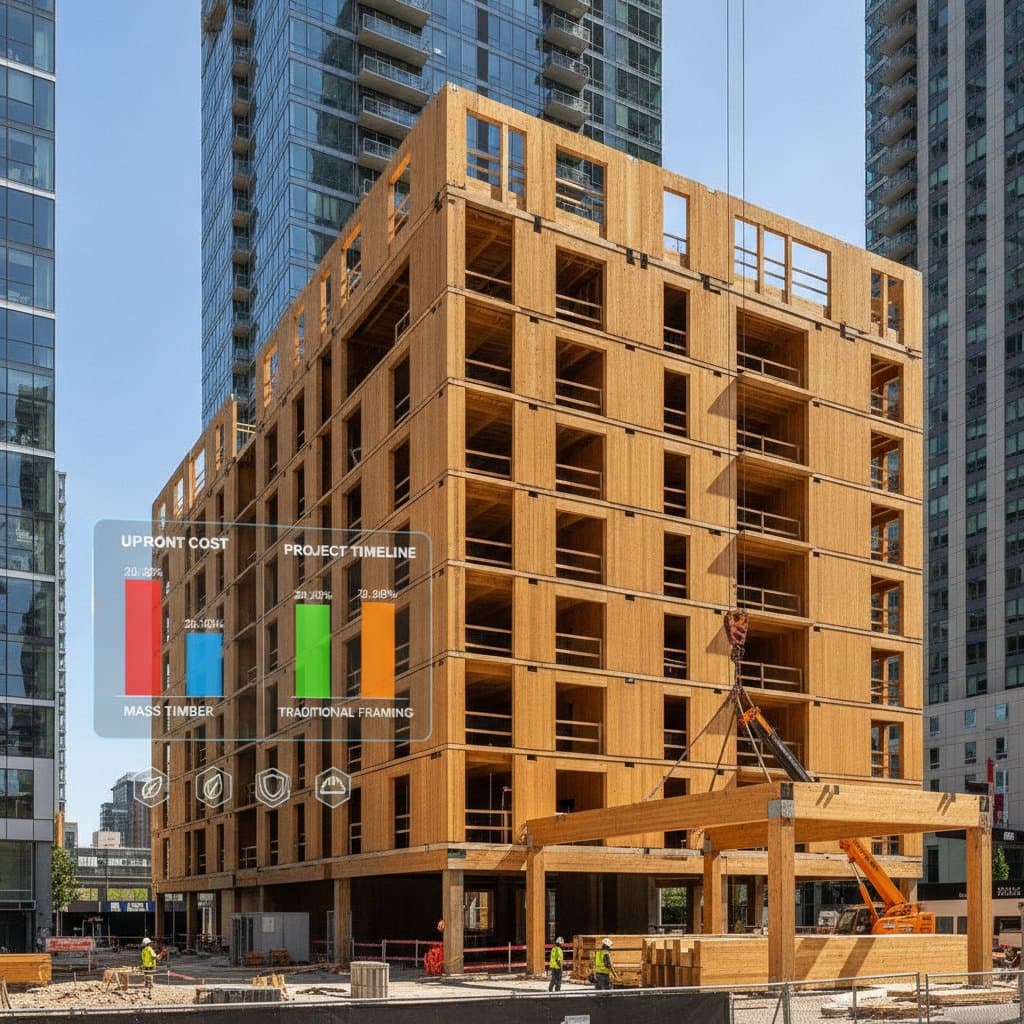
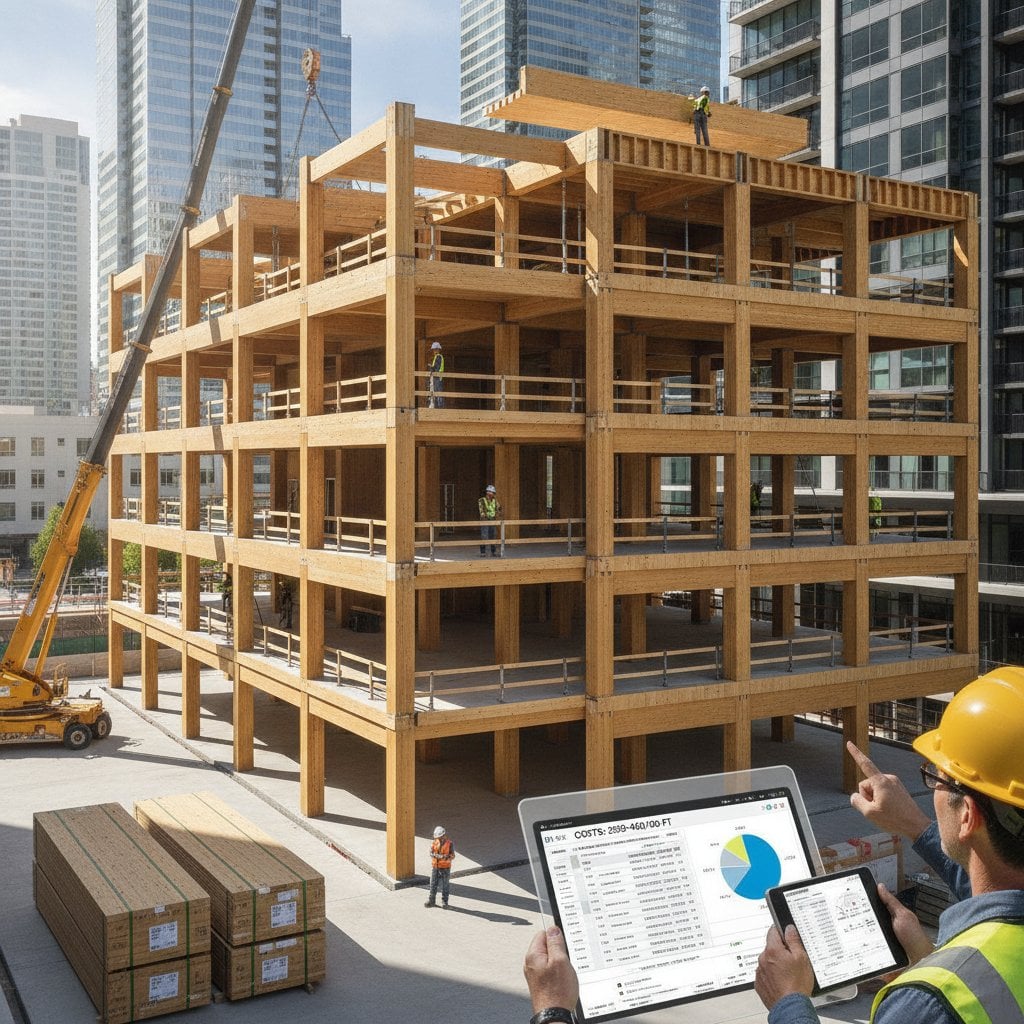
Mass timber projects typically cost between 250 and 600 dollars per square foot. The final figure depends on building height, design complexity, and material selection. Smaller commercial structures often land at the lower end of the range, while taller or more intricate designs push costs higher due to added fabrication and fire protection needs.
Several elements shape the total expense. Material choices such as cross-laminated timber, glued laminated timber, or nail-laminated timber carry distinct production prices. Labor rates rise when crews possess specialized timber assembly experience. Engineering reviews and connection details increase professional service fees. Permit costs fluctuate according to local jurisdiction and project size.
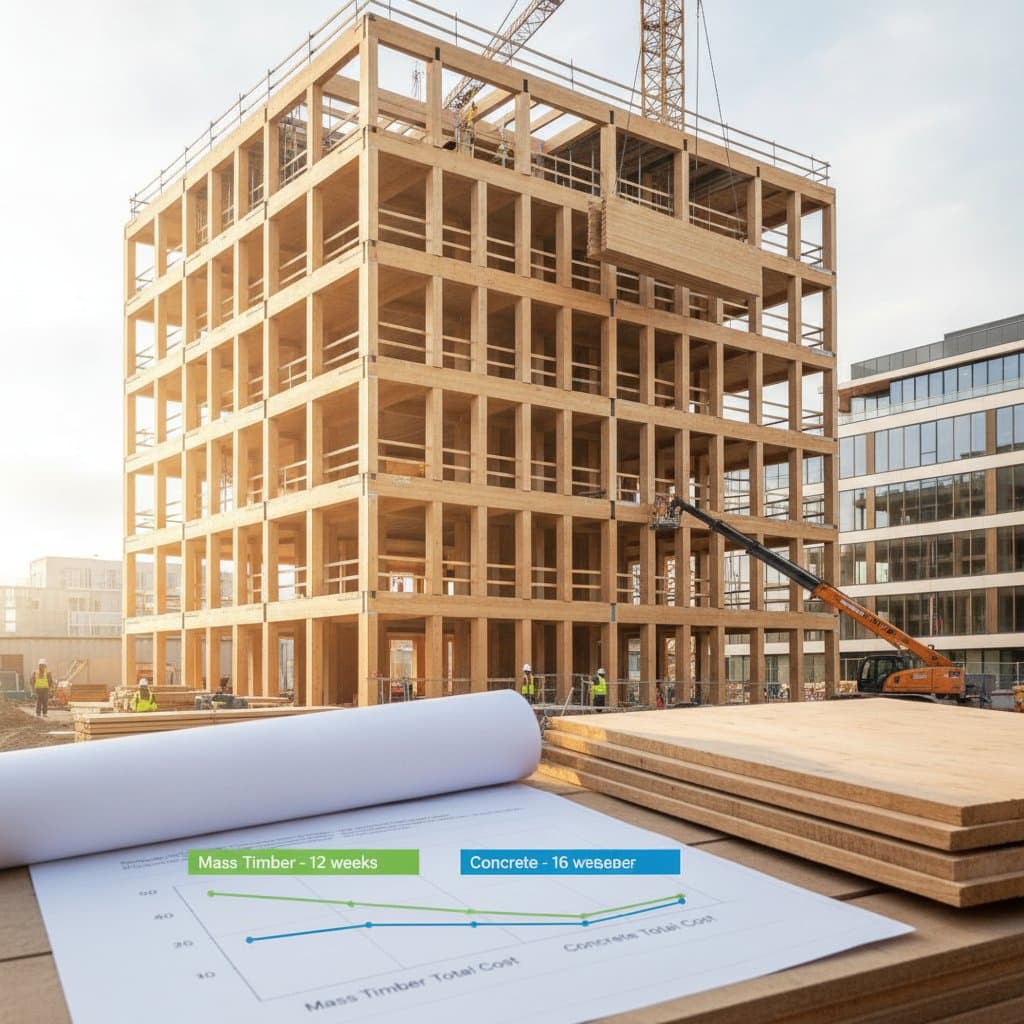
Design through fabrication usually requires 6 to 12 months. On-site construction proceeds 20 to 40 percent faster than comparable steel or concrete work. The process demands advanced engineering and certified installation teams.
Professional Requirements and Limitations
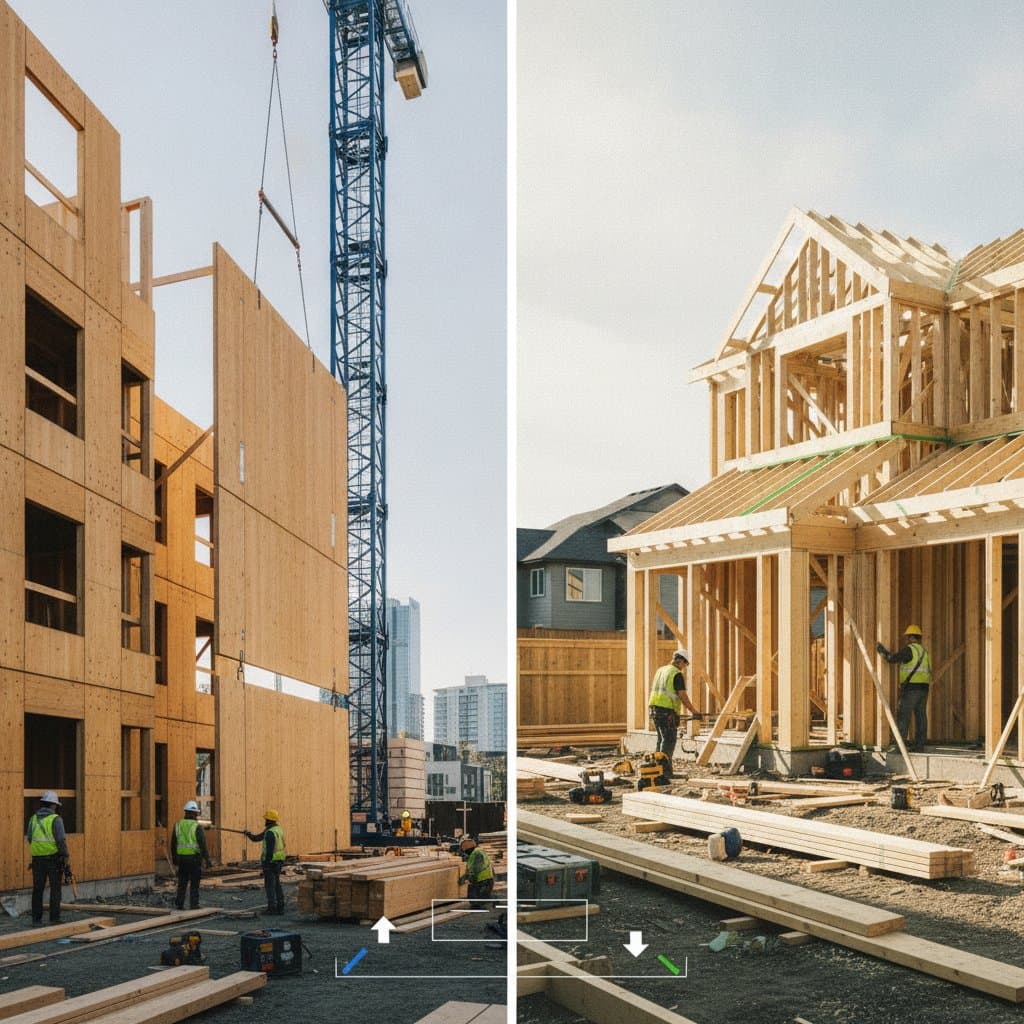
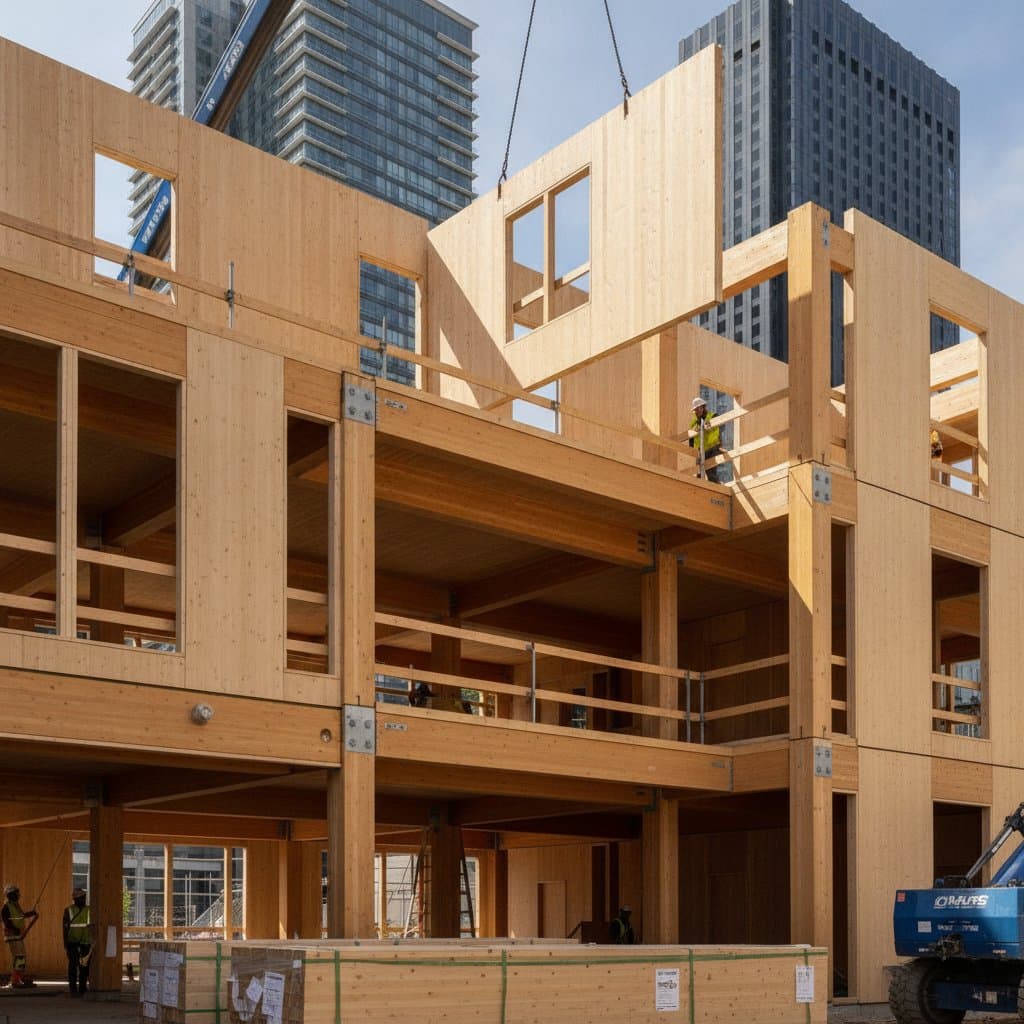
Mass timber work exceeds typical do-it-yourself scope. Panels and connections must satisfy rigorous structural and fire-resistance criteria. Fabrication occurs off site, and field placement relies on cranes plus engineered hardware handled by qualified crews.
Non-structural decorative elements or post-completion finish work represent the only suitable homeowner tasks. All load-bearing components, multi-story buildings, and structural modifications require licensed professionals. Design and installation services generally add 10 to 20 percent to overall project budgets while securing safety and code compliance.
Project Execution Sequence
- Evaluate site conditions and zoning restrictions to confirm local acceptance of mass timber systems.
- Engage an architect and structural engineer with documented experience in cross-laminated or glued laminated timber.
- Submit detailed plans that illustrate load paths, fire ratings, and connection specifications for approval.
- Coordinate panel orders with a certified manufacturer while verifying species, grade, and adhesive compliance.
- Complete foundation work and verify anchor alignment with supplier drawings.
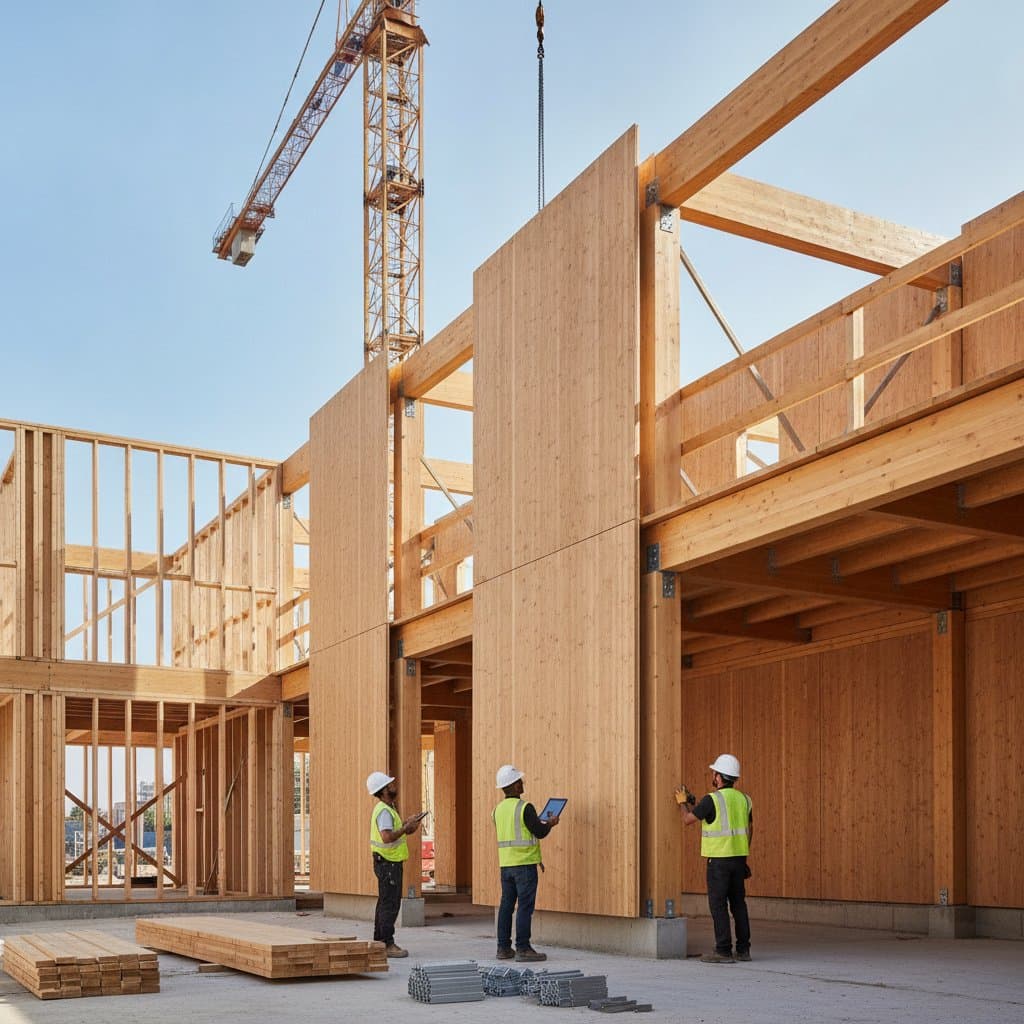
- Position panels using rated lifting equipment and secure connections to specified torque values.
- Apply edge sealants, fireproofing layers, and acoustic treatments before final inspection.
Each stage includes verification points such as code official sign-off on allowable heights and stamped drawings from the local authority.
Site Safety and Hazard Prevention
Structural modifications to load-bearing panels require prior engineering approval. Only rated slings and designated lift points may be used during placement. All personnel must wear hard hats, gloves, steel-toe boots, and high-visibility clothing.
Common Issues and Corrections
Check panel moisture content before installation and store materials under cover to avoid warping. Re-torque bolts after initial settlement to maintain connection integrity. Confirm foundation level before assembly to prevent uneven floor surfaces. Inspect every joint for tight fit and absence of gaps or delamination.
Material Handling After Construction
Route scrap timber to approved wood recovery facilities and deliver metal fasteners to metal recyclers. Daily removal of sawdust and debris reduces slip hazards on site.
Long-Term Performance and Care
Properly maintained mass timber buildings achieve service lives of 50 to 100 years. Stable indoor humidity levels and annual leak inspections protect structural integrity. Exposed surfaces benefit from refinishing every 10 to 15 years to retain appearance and fire performance.
Situations Requiring Expert Intervention
Contact a structural engineer or qualified contractor when altering load-bearing elements, addressing moisture damage or delamination, or obtaining certified inspection documentation.
Coordination Practices That Improve Outcomes
Early involvement of code officials, close alignment between designers and fabricators, and precise scheduling of material deliveries help control both expenses and timelines. These steps support reduced carbon impact alongside accelerated construction schedules.