Why Natural Elements Enhance Return on Investment in Biophilic Design by 2026
Homeowners and developers increasingly adopt biophilic design to foster connections with nature. These approaches improve comfort, promote wellness, and elevate property values. Natural materials, organic forms, and layouts that maximize daylight represent essential investments. They strengthen resale appeal and ensure sustained occupant satisfaction. This guide details the impact of natural elements on return on investment. It highlights top-performing materials and outlines when to collaborate with professionals for optimal beauty and durability.
What This Guide Covers
- Financial and emotional benefits of biophilic design
- Essential natural materials that maximize return on investment
- Cost estimates and maintenance recommendations
- Evaluations of do-it-yourself options versus professional services
- Strategies to harmonize budget constraints, sustainability goals, and aesthetic preferences
- Expert recommendations for achieving long-term performance
Key Natural Elements That Maximize Return on Investment
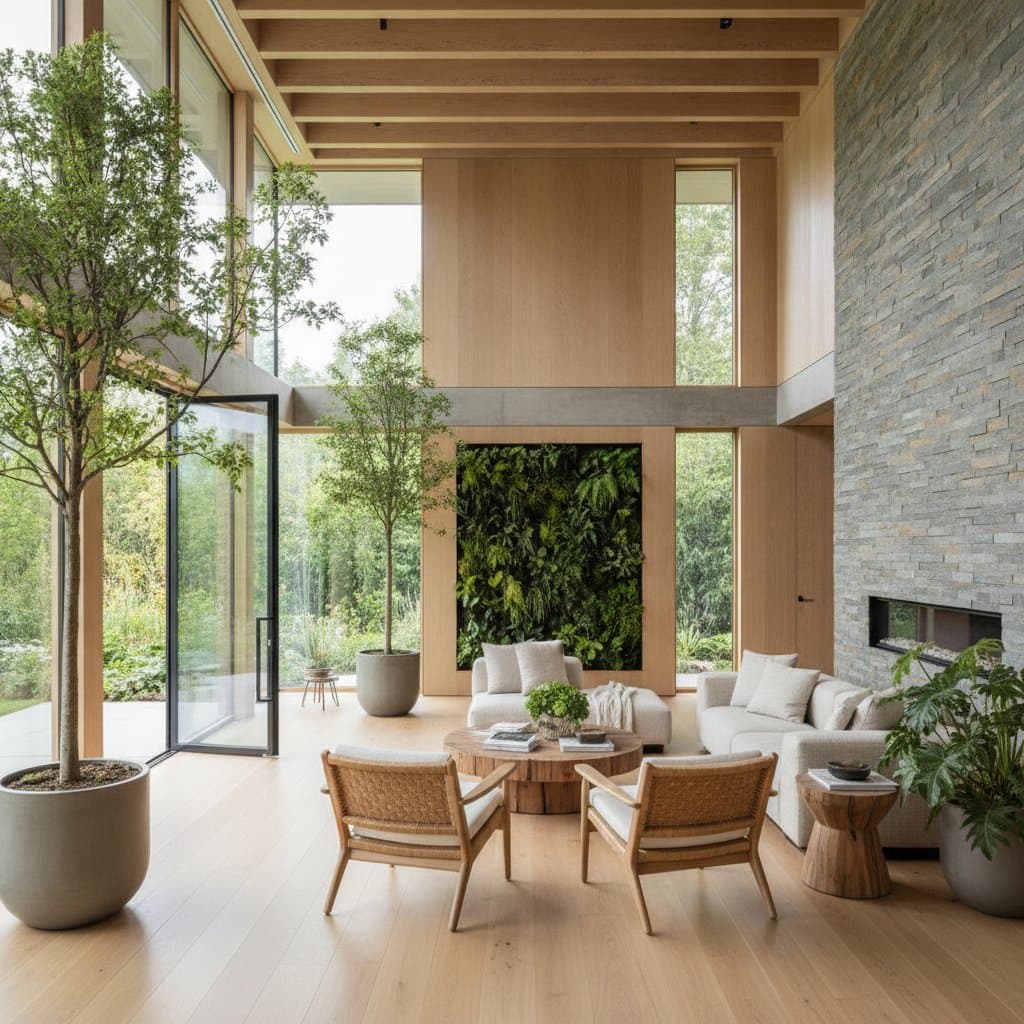
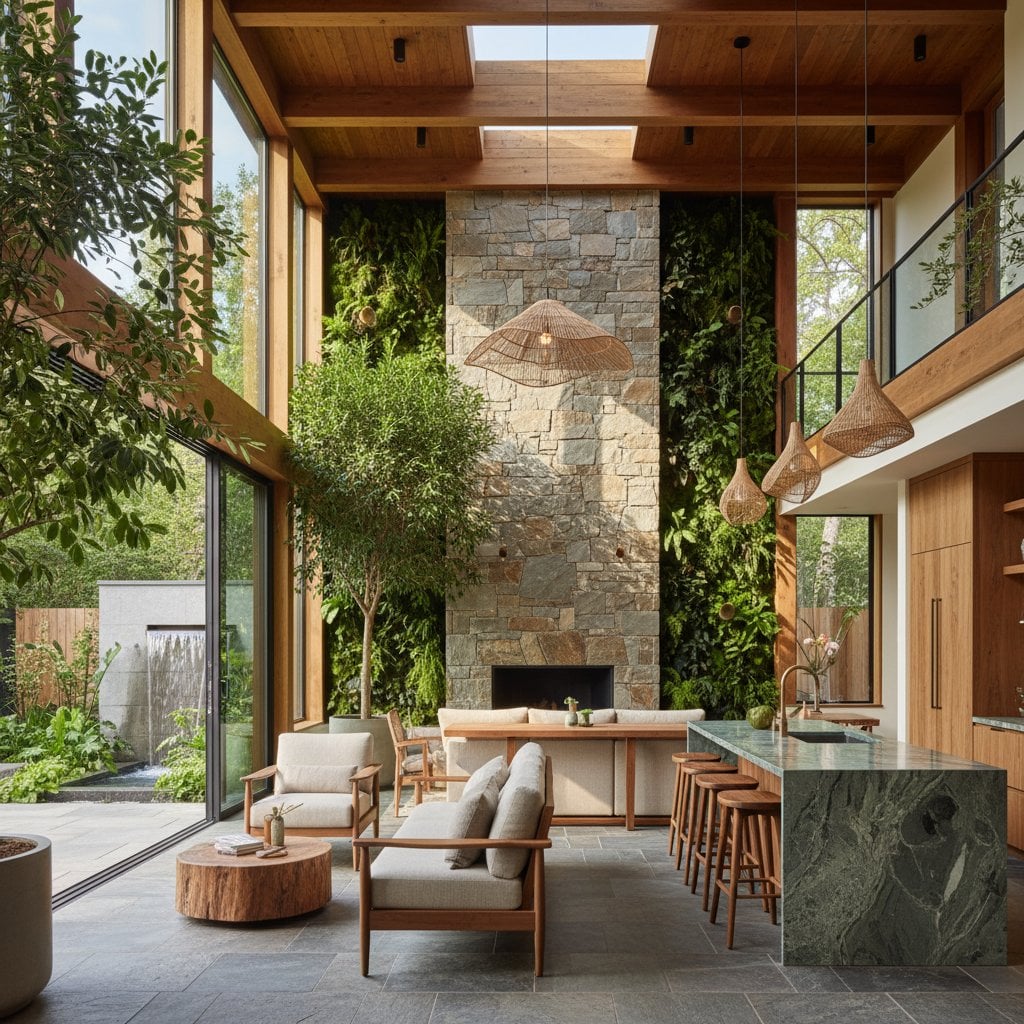
1. Wood Finishes and Structural Timber
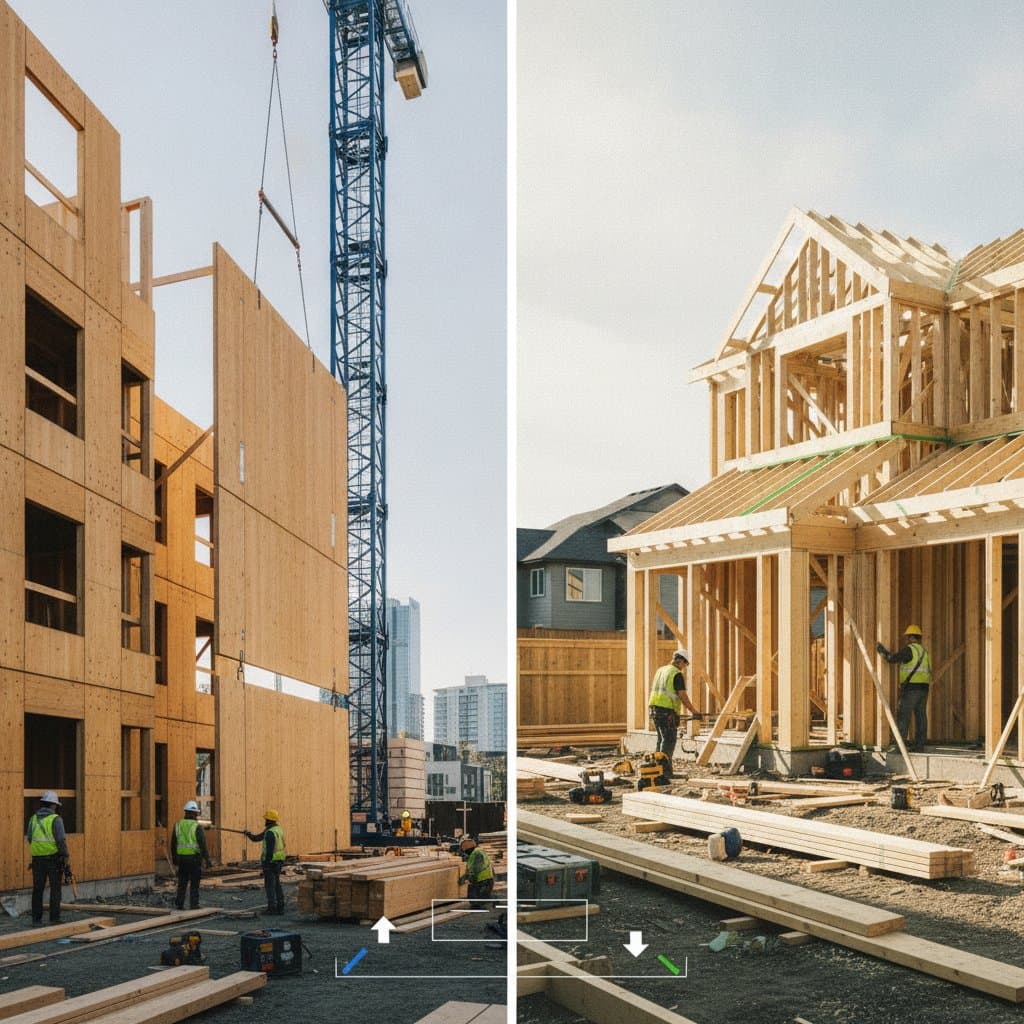
Why it matters: Natural wood imparts warmth, comfort, and rich visual texture. It enhances acoustic properties and elevates perceptions of indoor air quality. Prospective buyers view wood elements as indicators of superior craftsmanship and enduring quality.
Cost and ROI: Installed wood flooring typically ranges from $8 to $15 per square foot. Exposed beams or paneling may add $5,000 to $25,000 to a renovation project. Properties with authentic wood features consistently achieve higher resale values compared to those using synthetic substitutes.
DIY vs Pro: Experienced individuals might handle the installation of engineered wood flooring. Projects involving structural or reclaimed timber necessitate engagement of a licensed contractor. Such work demands adherence to load-bearing standards and building codes.
Maintenance: Apply periodic sealing to prolong durability and shield against humidity fluctuations. Select sustainably harvested wood species to gain environmental advantages and enhance marketability.
2. Stone and Natural Surfaces
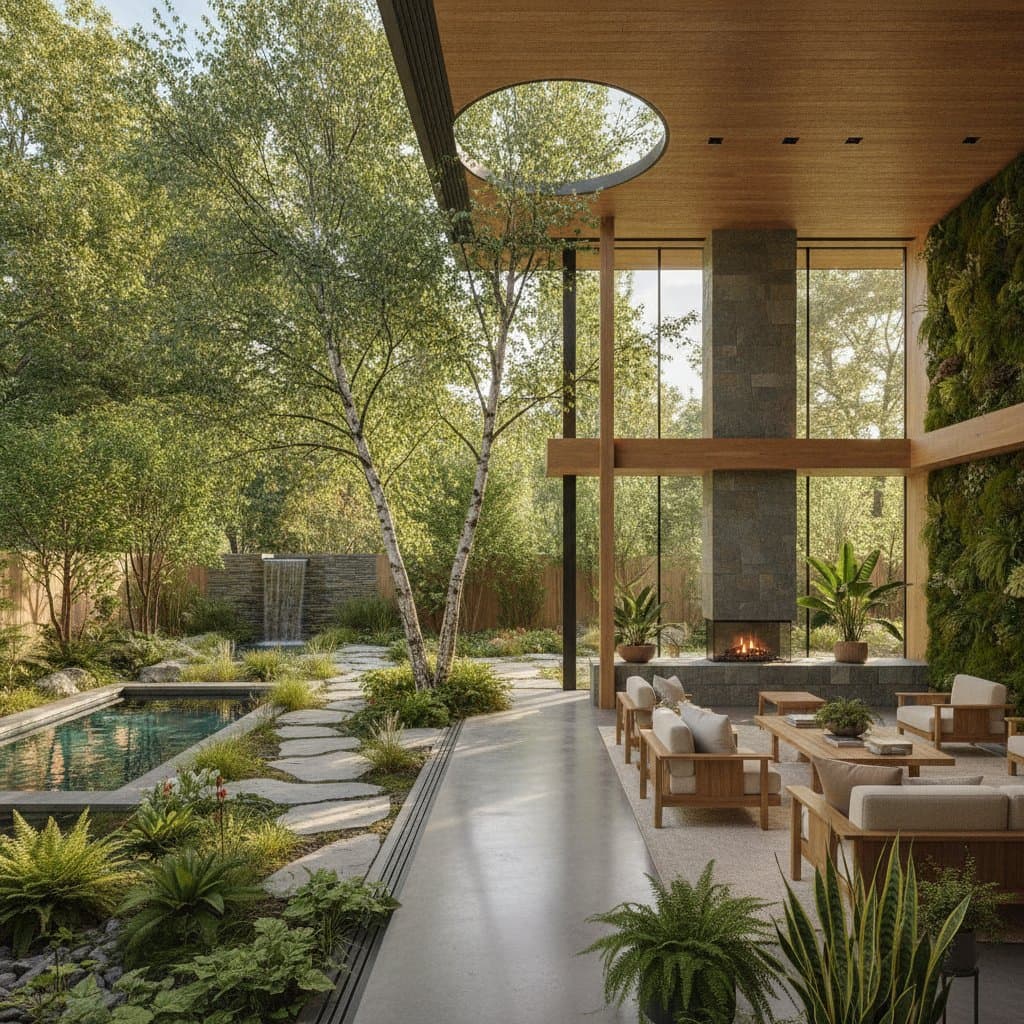
Why it matters: Stone surfaces provide timeless durability and a grounded aesthetic that evokes natural landscapes. They contribute to thermal regulation and require minimal upkeep, appealing to buyers seeking low-maintenance elegance.
Cost and ROI: Natural stone countertops or flooring costs $10 to $30 per square foot installed. Accent walls or hearths range from $3,000 to $15,000. Properties with integrated stone elements often command premiums due to their perceived luxury and longevity.
DIY vs Pro: Simple stone veneer applications suit skilled DIY enthusiasts. Complex installations, such as custom masonry or load-bearing features, require professional expertise to ensure stability and proper sealing.
Maintenance: Clean with mild solutions and reseal annually to prevent staining. Opt for locally sourced stone to reduce environmental impact and support regional economies.
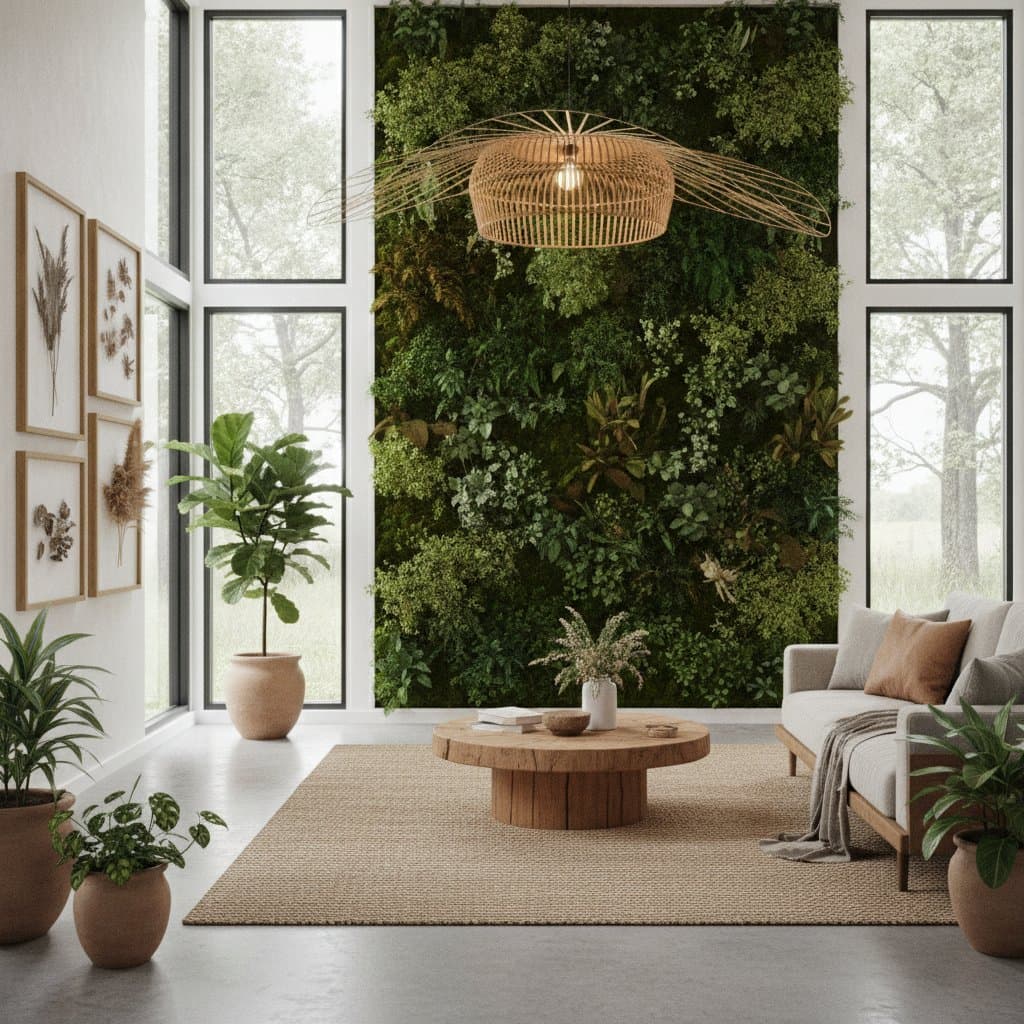
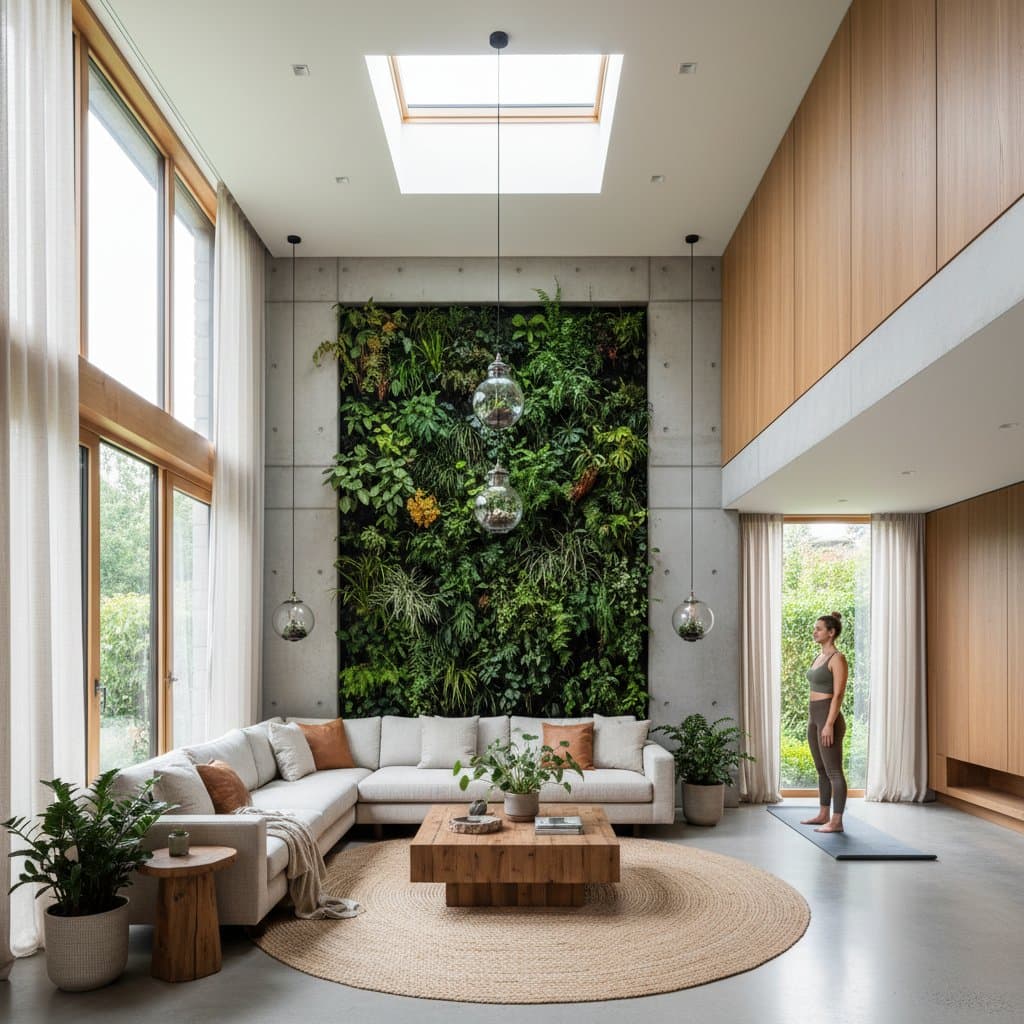
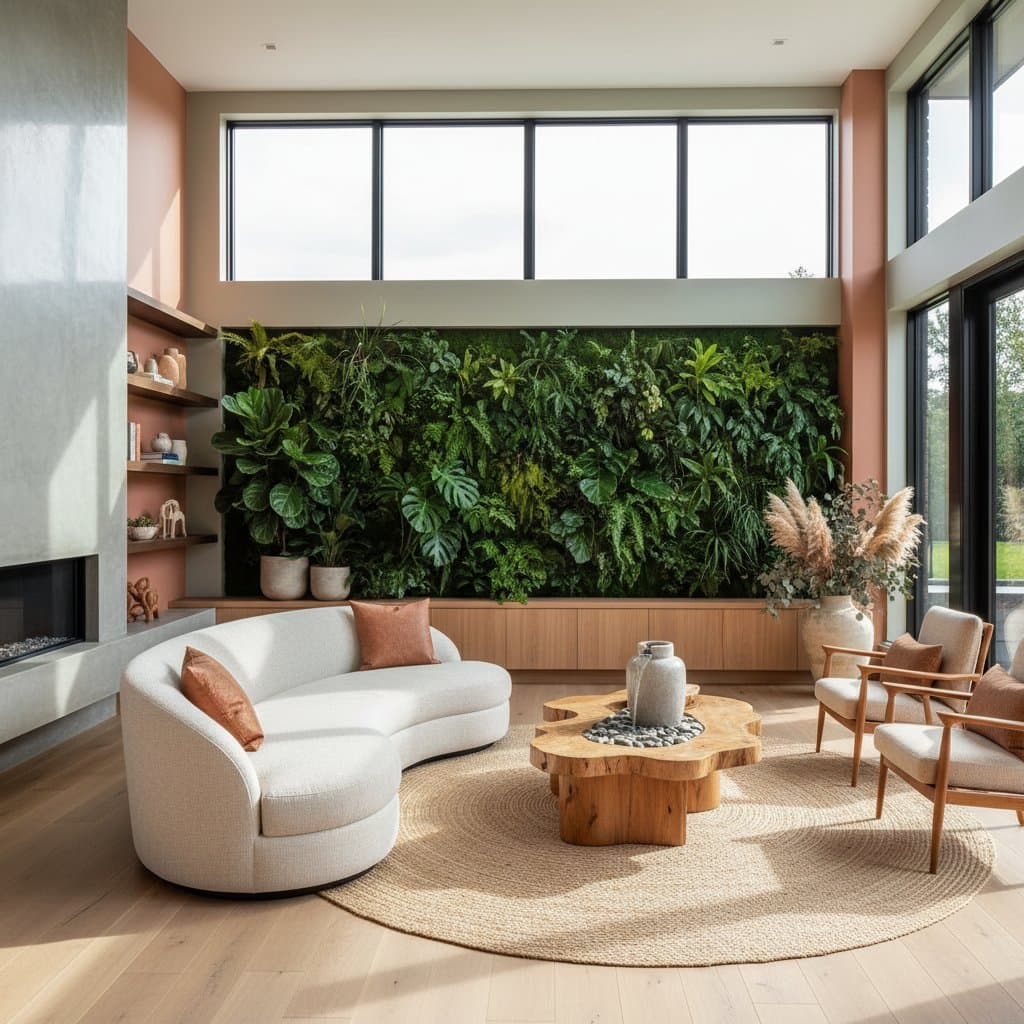
3. Indoor Greenery and Living Walls
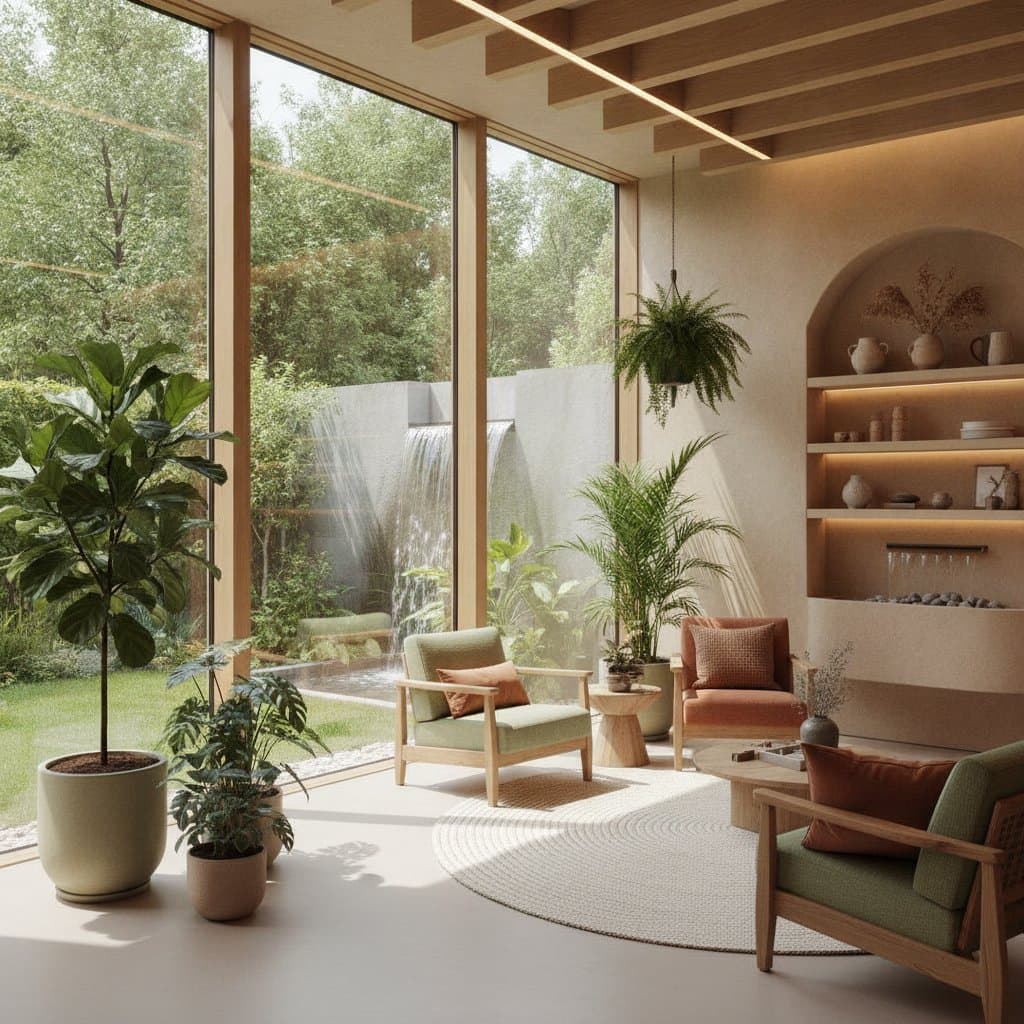
Why it matters: Visible vegetation forms the core of biophilic environments. Living walls, planters, and vertical gardens improve air quality and dampen noise levels. These features serve as compelling visual anchors that bolster occupant well-being.
Cost and ROI: Custom living wall installations range from $120 to $200 per square foot. Basic potted setups or modular kits offer economical alternatives while providing substantial comfort and visual enhancements.
DIY vs Pro: Homeowners can manage container gardens and modest vertical systems independently. Larger setups with automated irrigation or specialized lighting demand professional planning to address moisture control and safety concerns.
Maintenance: Perform routine pruning, fertilization, and irrigation assessments to sustain plant vitality. Prioritize species adapted to indoor lighting conditions to simplify ongoing care.
4. Daylight Optimization and Natural Views
Why it matters: Abundant natural light fosters vitality and spatial openness. Strategic window placements and skylights connect interiors to outdoor rhythms, reducing reliance on artificial lighting and enhancing mood.
Cost and ROI: Installing energy-efficient windows averages $300 to $1,200 per unit. Skylights or atriums may cost $2,000 to $10,000. Homes with optimized daylighting report up to 10% higher energy savings and appeal to eco-conscious buyers.
DIY vs Pro: Adding sheer curtains or reflective surfaces qualifies as a DIY task. Structural modifications like skylight installation or window expansions require professional involvement for insulation and code compliance.
Maintenance: Inspect seals yearly to maintain efficiency. Incorporate automated shading systems to manage glare and heat without compromising light benefits.
5. Water Features and Natural Soundscapes
Why it matters: Flowing water generates soothing sounds that promote relaxation and obscure disruptive noises. Indoor fountains or outdoor ponds deepen sensory engagement and strengthen ties to the natural world.
Cost and ROI: Compact tabletop fountains begin at $200. Integrated wall or garden installations span $2,000 to $10,000. Residences featuring thoughtful water elements frequently secure higher bids from discerning purchasers.
DIY vs Pro: Portable units present straightforward installation for homeowners. Fixed water features involve professional plumbing and waterproofing to avert potential leaks and structural issues.
Maintenance: Conduct frequent cleanings to inhibit algae growth. Employ energy-efficient pumps to lower long-term operational expenses.
When to Hire a Professional
Biophilic projects often require specialized knowledge for safe execution. Engage experts for tasks such as:
- Structural alterations, including beam additions or skylight integrations
- Electrical wiring or plumbing for water elements
- Irrigation and lighting setups for living walls
- Precision stone fabrication and sealing
- Compliance with permits and inspections
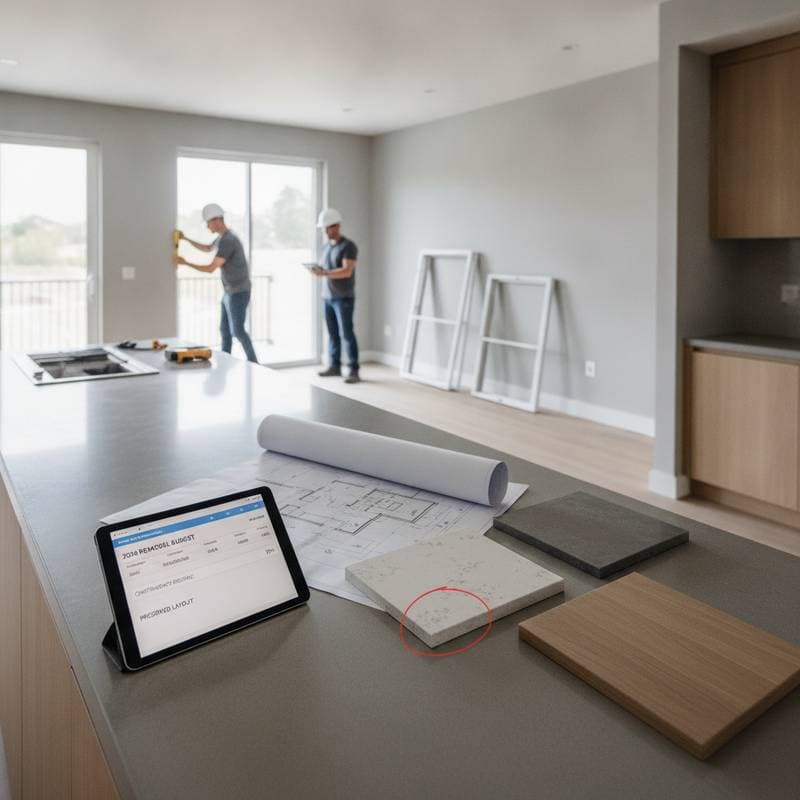
To choose a contractor, examine portfolios showcasing proficiency with natural materials. Solicit references, confirm liability insurance, and verify commitments to sustainable sourcing. Skilled professionals translate conceptual designs into robust, functional outcomes.
Common Questions About Biophilic Design
Does biophilic design cost more than traditional construction? Initial expenses for natural materials may exceed conventional options. However, reductions in energy use and increases in resale value frequently recoup these investments.
How does natural light affect indoor temperature? Well-positioned windows and skylights minimize winter heating needs. When combined with appropriate shading, they also curb summer heat accumulation.
Which plants work best indoors? Varieties such as ferns, pothos, and peace lilies flourish in low-light settings with basic attention.
Can I retrofit my existing home for biophilic appeal? Retrofitting proves feasible. Initiate with neutral paint tones, organic fabrics, or indoor plants prior to structural adjustments.
Do natural materials require special maintenance? Consistent cleaning and occasional sealing safeguard their functionality and aesthetics over many years.
Implementing Biophilic Enhancements Effectively
Incorporating natural elements elevates homes as expressions of style and fiscal prudence. Selections ranging from timber accents to light-filled pathways nurture health and amplify asset worth. Develop a detailed blueprint, allocate funds judiciously, and seek counsel from reliable specialists. Assess materials based on their aesthetic allure, durability, and ecological footprint to secure comprehensive benefits.