Biophilic Design: Enhancing Wellness in 2026 Home Remodels
Integrating Nature into Modern Living Spaces
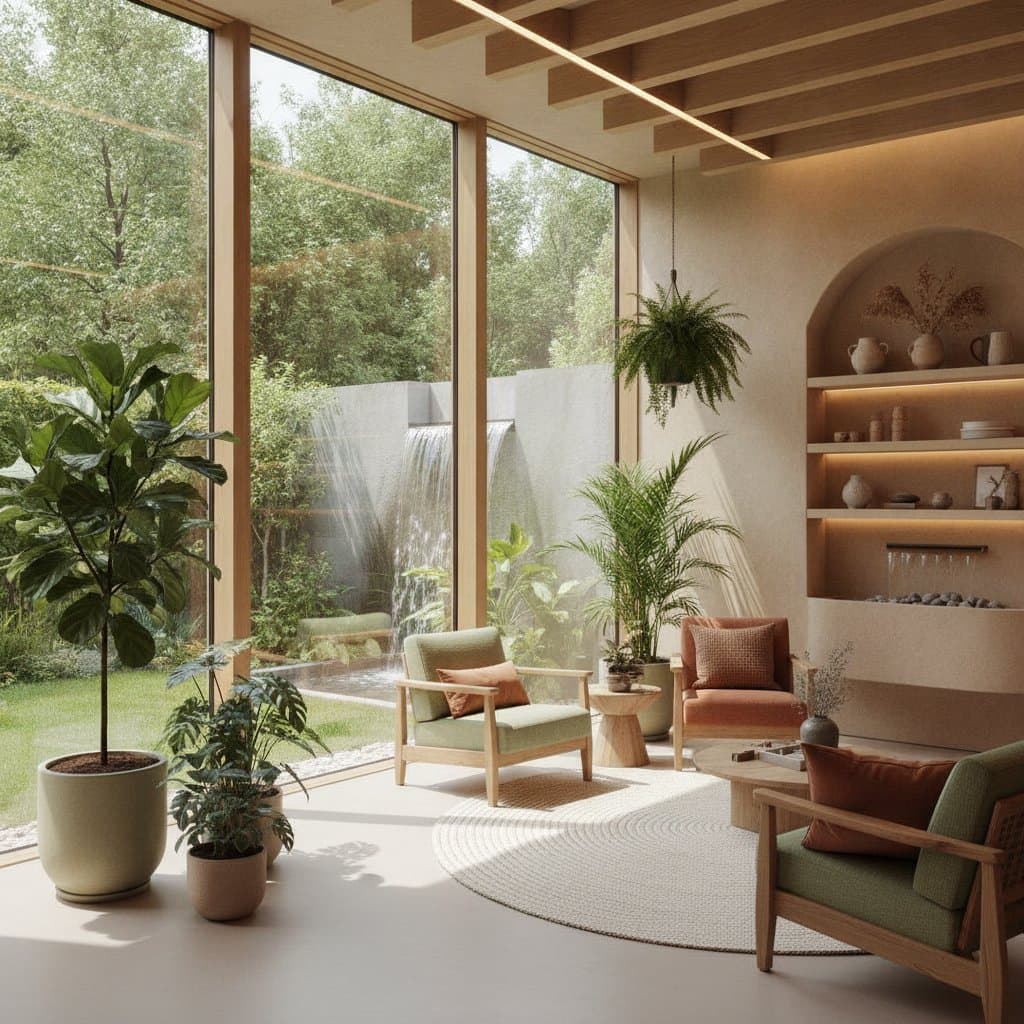
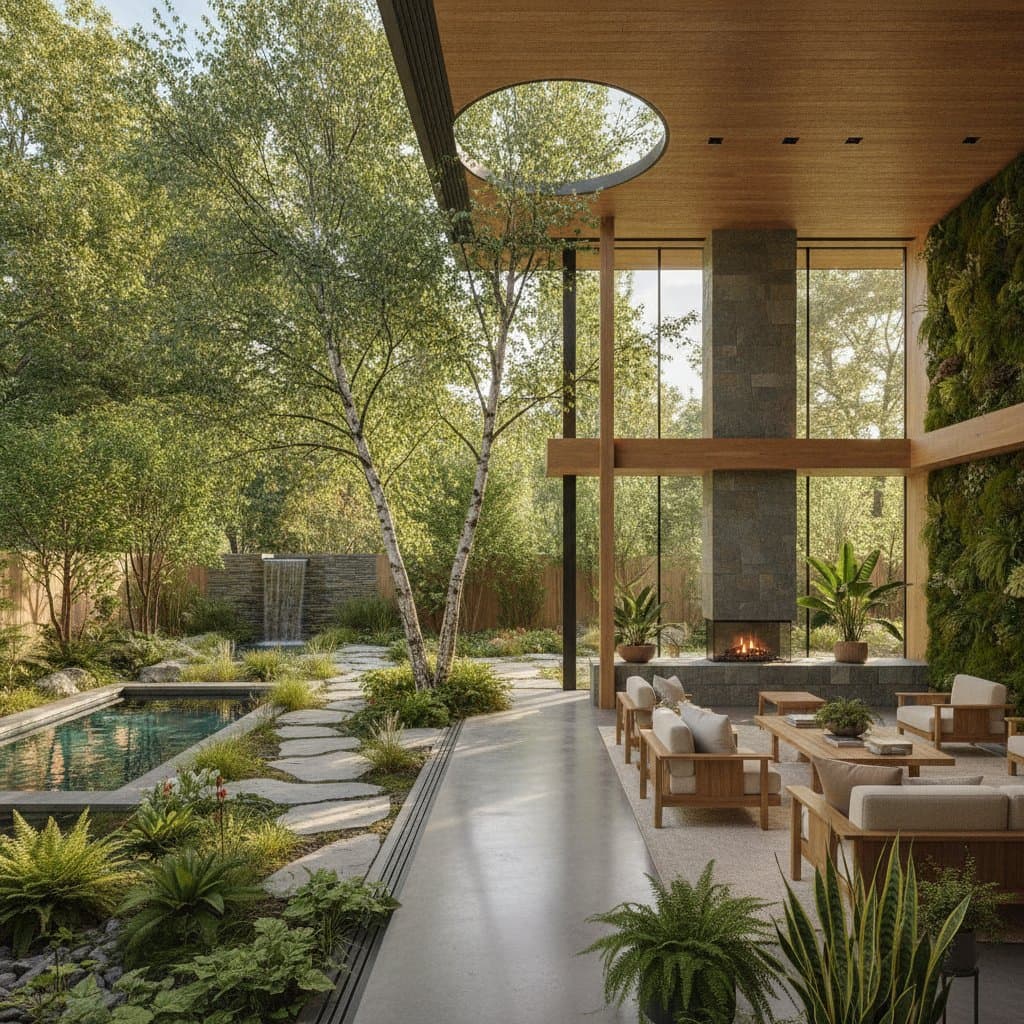
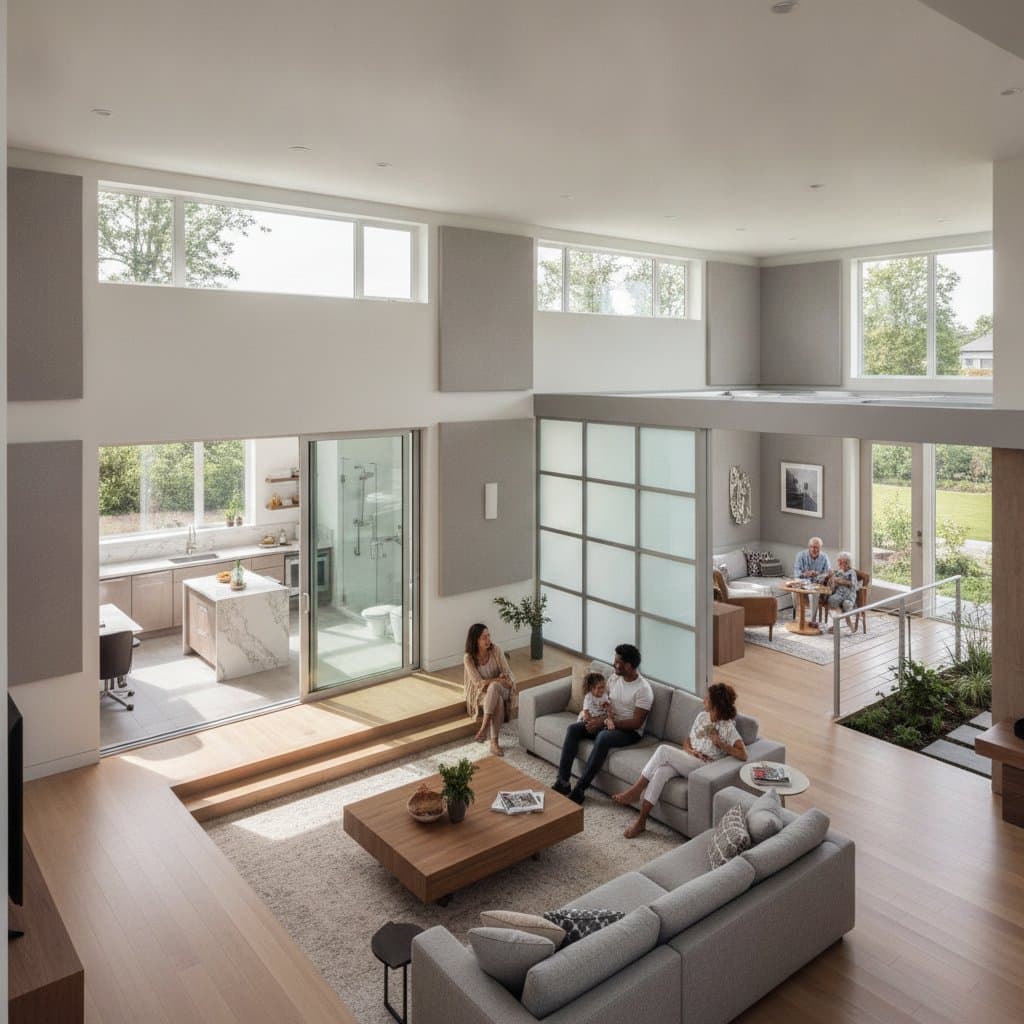
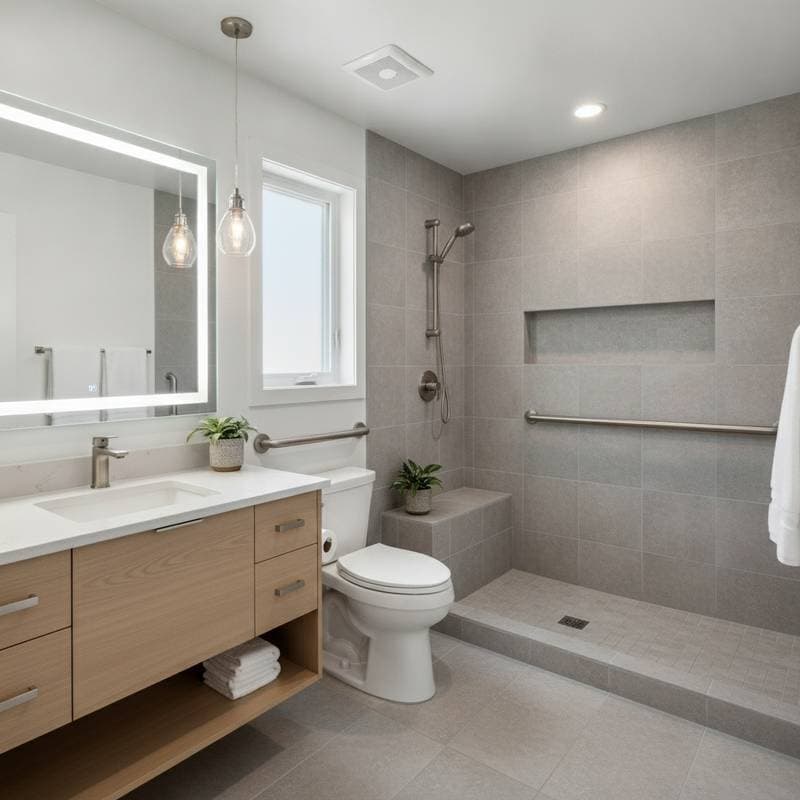
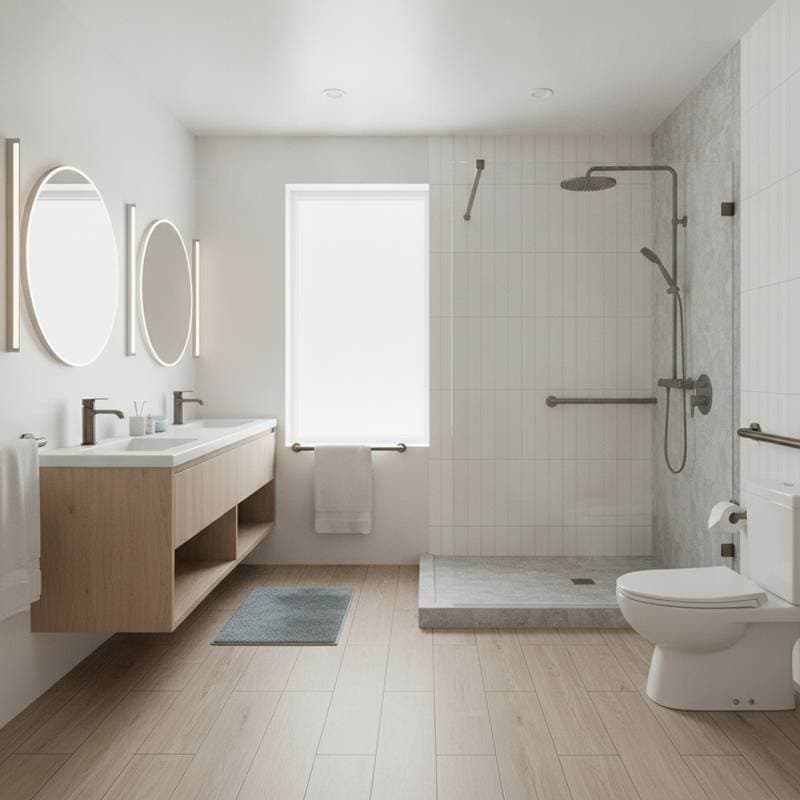
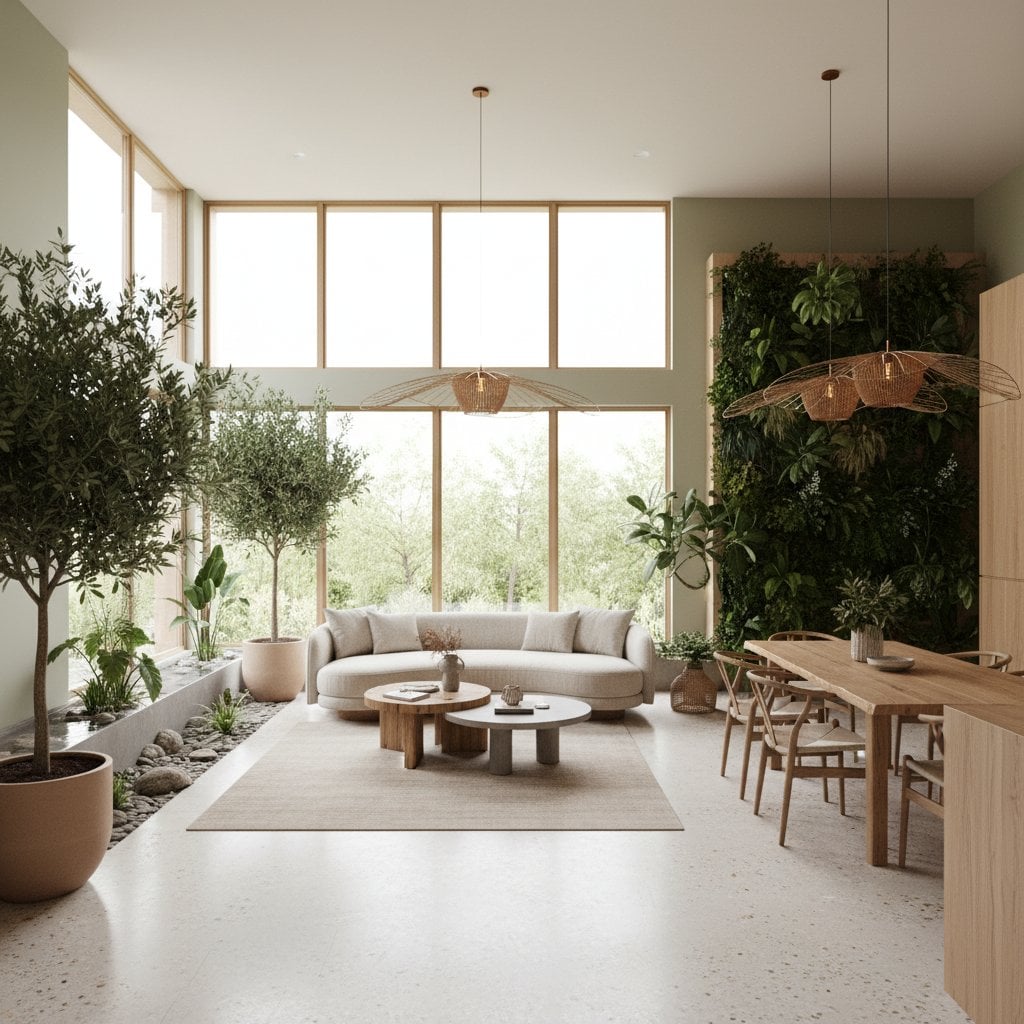
Homeowners increasingly prioritize environments that foster comfort, tranquility, and a sense of connection. Biophilic design achieves these goals by incorporating natural elements such as organic materials, abundant daylight, lush greenery, and fluid forms into interior spaces. This method redefines remodeling projects for kitchens, bathrooms, and living rooms, placing emphasis on physical health, environmental sustainability, and psychological well-being.
This comprehensive guide examines the core components of biophilic design, its contributions to overall wellness, features that enhance property value, and scenarios where professional expertise proves essential for enduring outcomes.
Health Advantages Fueling the Popularity
Incorporating natural elements within living areas promotes both physical and mental health. Studies demonstrate that exposure to natural light improves sleep patterns and stabilizes mood. Indoor plants purify the air by removing toxins, while surfaces made from wood and stone help mitigate static electricity and maintain optimal humidity. Homeowners frequently describe reduced stress levels and increased vitality in spaces updated with natural finishes and expansive layouts that mimic outdoor environments.
Beyond these basics, biophilic elements encourage physical activity through inviting designs, such as pathways lined with greenery or seating areas near water features. This holistic approach not only revitalizes daily routines but also supports long-term resilience against urban stressors.
Investment Considerations and Financial Returns
The expense of a biophilic remodel depends on the project's scope and complexity. Modest enhancements, including the introduction of potted plants, multi-layered illumination, or fabrics derived from natural fibers, generally require investments of two hundred to eight hundred dollars. More substantial endeavors, like substituting synthetic flooring with reclaimed hardwood or adding skylights to capture overhead sunlight, fall within the range of ten thousand to twenty thousand dollars.
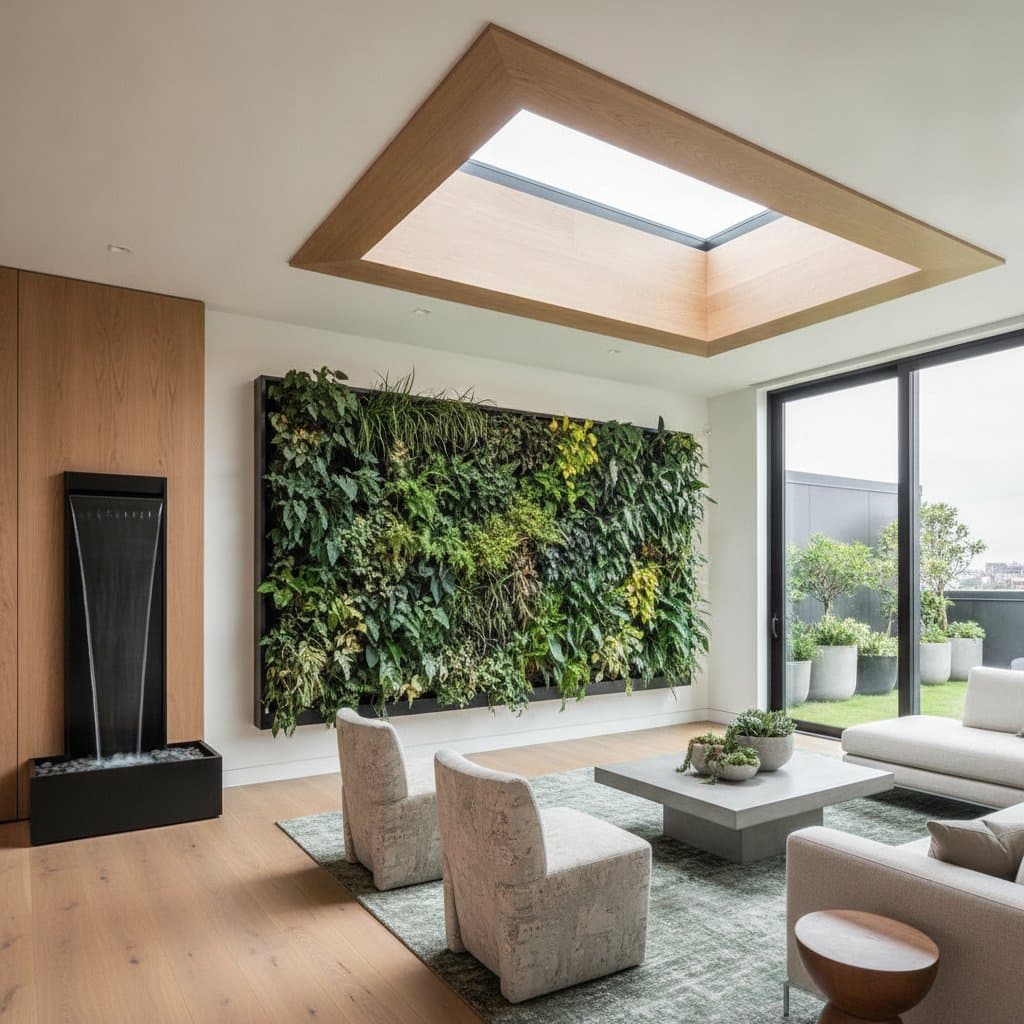
Comprehensive room transformations that integrate vertical gardens or advanced daylight optimization systems may surpass fifty thousand dollars. Properties featuring strong ties to natural surroundings often command resale values five to fifteen percent higher, as evidenced by industry analyses of market trends. These upgrades not only appeal to health-conscious buyers but also align with growing demands for sustainable living, ensuring strong returns over time.
Deciding Between Self-Directed Updates and Expert Assistance
Individuals can manage straightforward modifications, such as applying paints in neutral earth tones or positioning houseplants for visual impact. However, tasks involving the installation of skylights, cascading water elements, or intricate wooden structural details necessitate the involvement of qualified contractors. Any alterations to electrical systems or plumbing configurations require certified specialists to uphold safety standards.
Engaging a designer versed in biophilic methodologies ensures a harmonious blend of visual appeal, practical utility, and adherence to building regulations. Professionals can also recommend region-specific adaptations, such as enhanced insulation in colder climates to preserve natural warmth from wood elements.
Actionable Strategies for Creating a Nature-Inspired Interior
To achieve a seamless biophilic aesthetic, consider these targeted recommendations:
-
Optimize lighting layers. Harness daylight through large windows or reflective surfaces, then supplement with fixtures emitting warm, amber hues to sustain a soothing ambiance into the evening hours.
-
Incorporate diverse textures. Combine polished stone countertops with handwoven rugs or unrefined timber accents to create tactile interest and visual richness.
-
Select eco-friendly finishes. Opt for low-volatile organic compound paints and sealants that minimize airborne pollutants, thereby enhancing breathability and air purity.
-
Draw from natural palettes. Integrate colors reminiscent of forest greens, desert sands, and clear skies to evoke serenity and ensure cohesive transitions between indoor and outdoor views.
-
Anticipate upkeep needs. Select hardy plant species like snake plants or ferns that thrive indoors, and apply protective sealants to wood and stone to guard against humidity fluctuations.
Local environmental conditions influence these choices significantly. In regions with high moisture, prioritize ventilation systems to prevent mold on organic materials. Arid areas benefit from humidifiers to sustain the vitality of wooden elements and foliage.
Perspectives from Design Professionals
Experts in the field observe that biophilic interiors frequently emerge as the primary gathering spots within a residence. Areas providing vistas of gardens or embedding natural textures inspire moments of repose and innovative thinking. Data from homeowner feedback indicates that wellness-oriented renovations yield greater contentment compared to purely decorative overhauls, with many reporting enhanced family interactions and personal productivity.
Professionals emphasize the importance of sensory balance, ensuring that sounds like gentle water flows complement visual greenery without overwhelming the space.
Cost-Effective Methods to Implement Biophilic Elements
Achieving a biophilic transformation need not strain budgets. Here are proven tactics:
-
Source reclaimed resources. Utilize salvaged timber beams or recycled stone tiles to infuse authenticity while cutting material expenses by up to fifty percent.
-
Phase the project. Begin with a single focal area, such as refreshing a bathroom with pebble flooring or an entryway with hanging vines, then scale up based on results.
-
Invest in energy-efficient illumination. Install LED systems tuned to daylight-equivalent temperatures, which reduce electricity use by seventy-five percent compared to traditional bulbs.
-
Revitalize existing pieces. Apply natural oil finishes to wooden furniture rather than purchasing new items, preserving character while aligning with biophilic principles.
These approaches allow gradual integration, permitting homeowners to assess impacts before committing further resources.
Indicators for Engaging Professional Services
Seek professional help for any modifications affecting the building's framework, water supply lines, or power distribution. Licensed contractors guarantee compliance with safety protocols, navigate permitting processes efficiently, and procure materials from ethical, sustainable suppliers. When selecting a team, request client testimonials, examine portfolios of completed biophilic projects, and verify certifications in eco-design practices.
Early consultation prevents costly errors, such as improper skylight sealing that could lead to leaks, ensuring the final result aligns with long-term wellness objectives.
Sustaining and Evolving Your Natural Haven
A well-executed biophilic remodel adapts and matures alongside its inhabitants. Foliage expands over months, natural surfaces acquire a subtle patina from use, and sunlight patterns vary with seasonal changes. Preserve wooden elements using mild, plant-based cleaners; prune plants to encourage healthy growth; and recalibrate lighting to match evolving daily rhythms.
In the years ahead, this design philosophy not only elevates aesthetic appeal but also cultivates a profoundly restorative atmosphere, promoting sustained health benefits and a deeper harmony with the natural world.