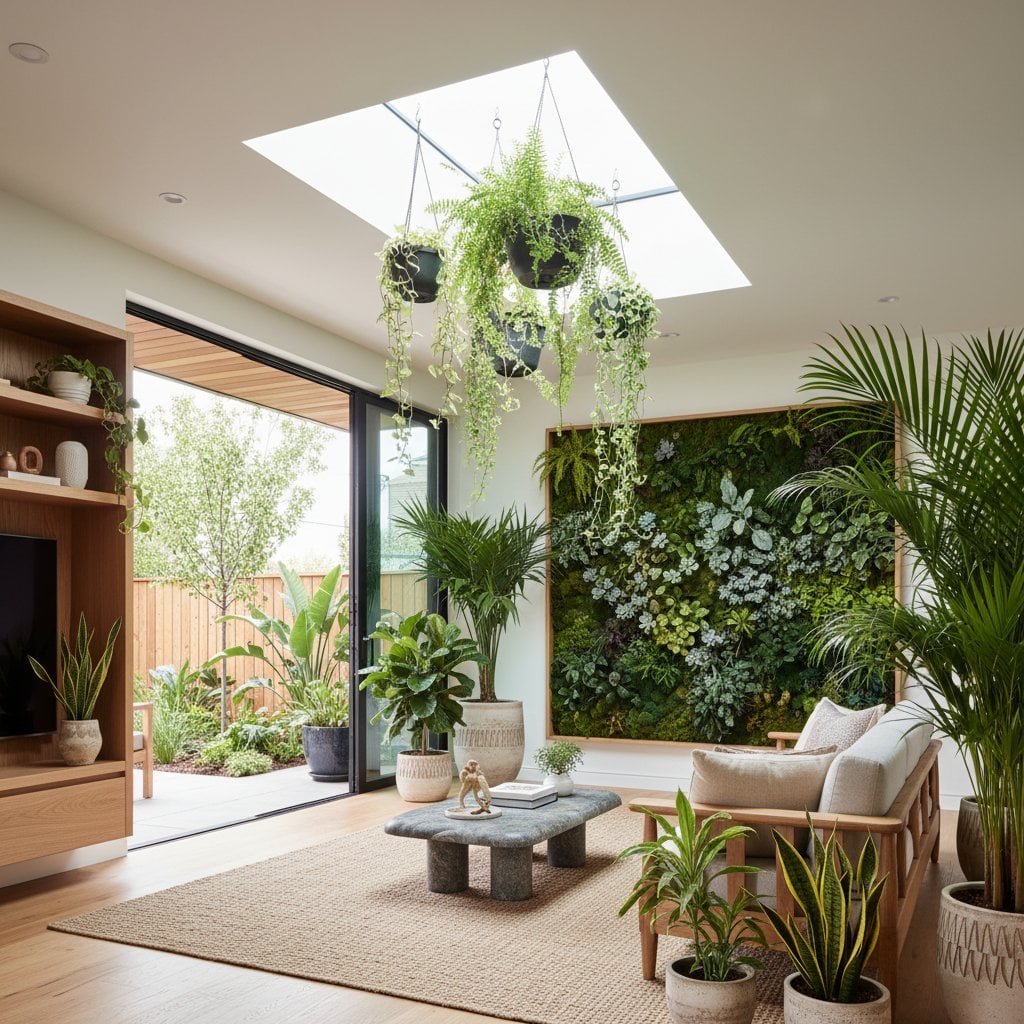
Understanding Biophilic Design
Biophilic design draws from nature to create living spaces that promote health and well-being. This approach incorporates elements like natural light, vegetation, and organic materials to mimic the outdoors indoors. Homeowners benefit from reduced stress, enhanced mood, and better air quality as a result.
Research supports these outcomes, showing that exposure to natural features improves cognitive function and sleep patterns. In a typical home, simple adjustments can yield significant results without extensive renovations. Consider starting with assessments of current light levels and greenery to identify quick wins.
Key Benefits for Home Wellness
Natural elements in home design contribute to physical and mental health. Increased daylight regulates circadian rhythms, leading to higher energy levels during the day and restful nights. Plants purify air by filtering toxins and adding humidity, which eases respiratory issues.
Visual connections to outdoors, such as views of gardens or skies, reduce anxiety and boost productivity. Sustainable materials like wood and stone provide tactile comfort and durability. Overall, these features create environments that support focus, creativity, and relaxation for all household members.
Incorporating Natural Light
Maximize daylight to elevate home ambiance and health. Position furniture near windows to capture morning sun, and use sheer curtains to diffuse harsh rays. For dim spaces, install mirrors opposite light sources to reflect illumination evenly.
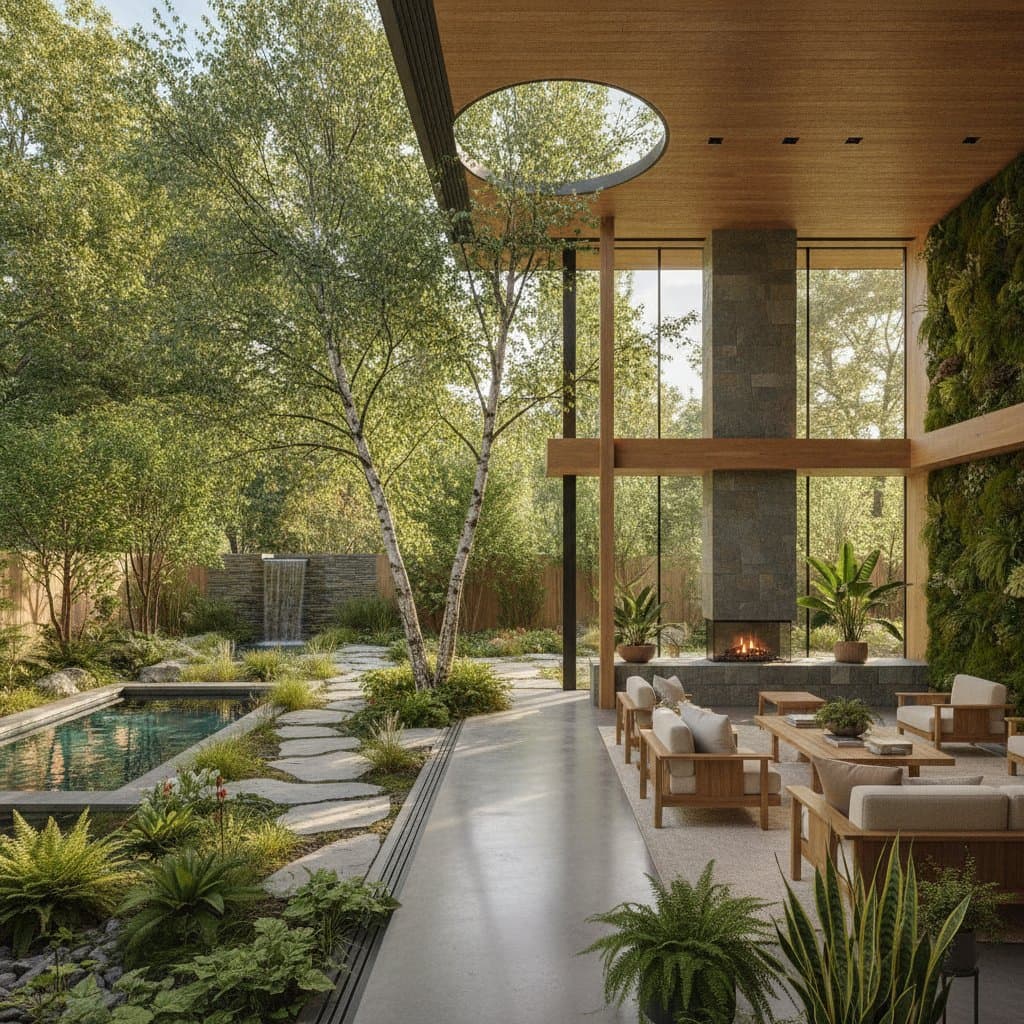
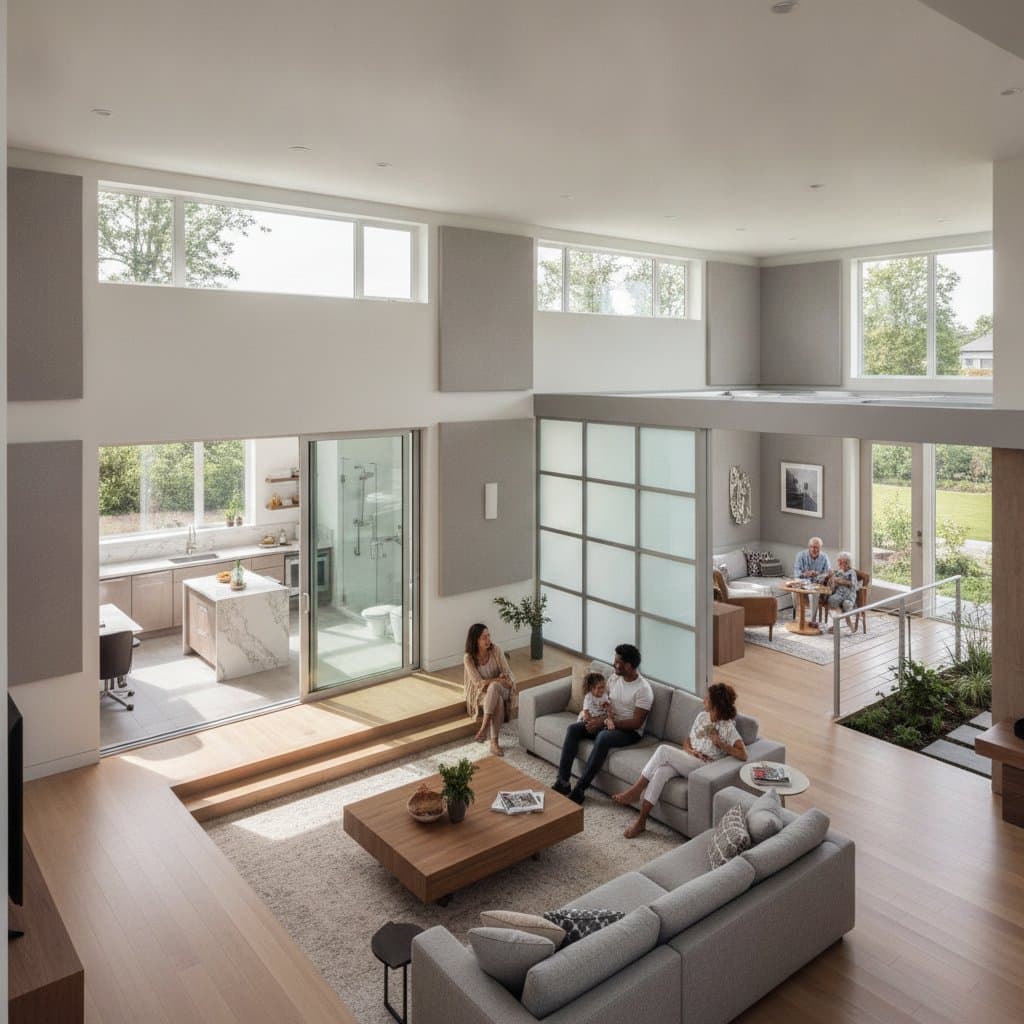
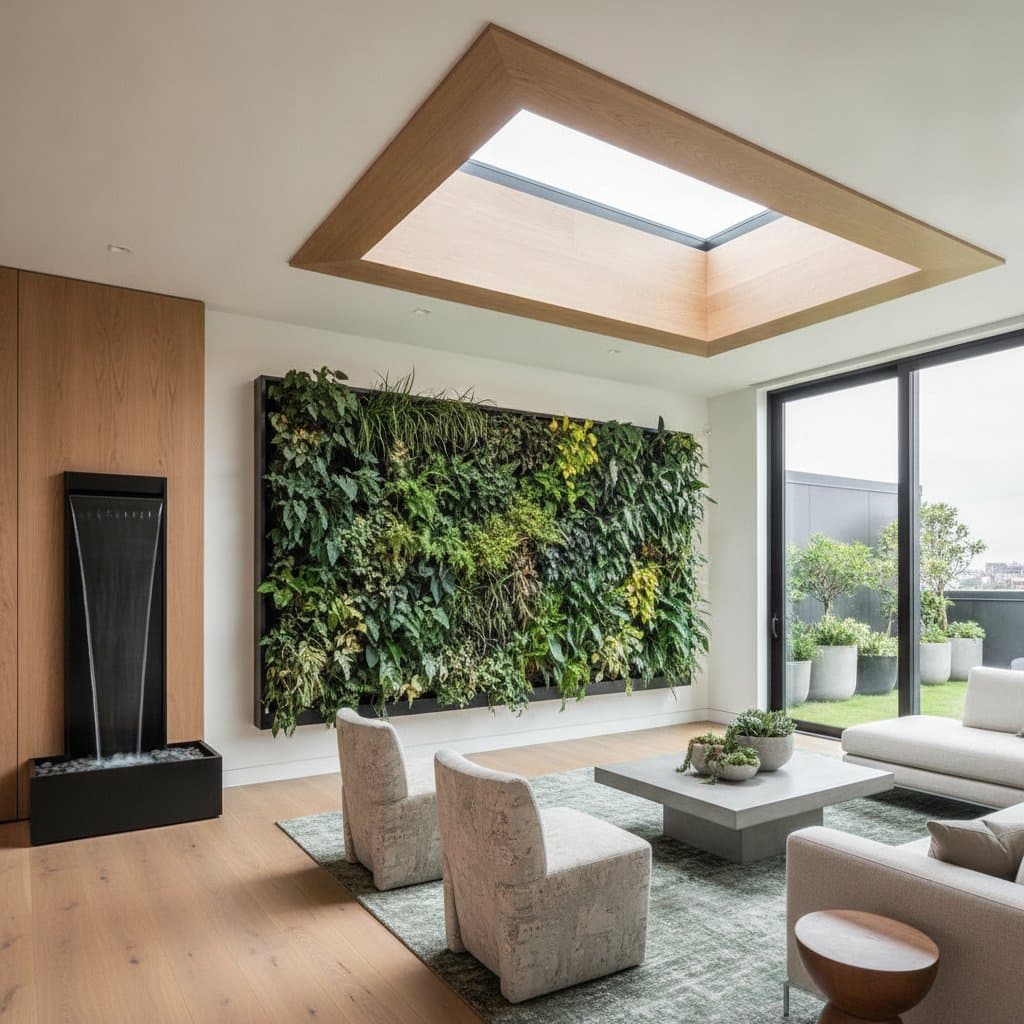
Advanced options include enlarging existing windows or adding clerestory ones high on walls. Skylights offer overhead light, ideal for central rooms like kitchens or living areas. Sliding glass doors expand indoor-outdoor flow, inviting breezes and views that enhance the sense of space.
Safety requires proper installation to avoid drafts or leaks. Select energy-efficient glass to minimize UV exposure and heat gain. Regular cleaning ensures optimal light transmission without glare.
Adding Greenery and Organic Textures
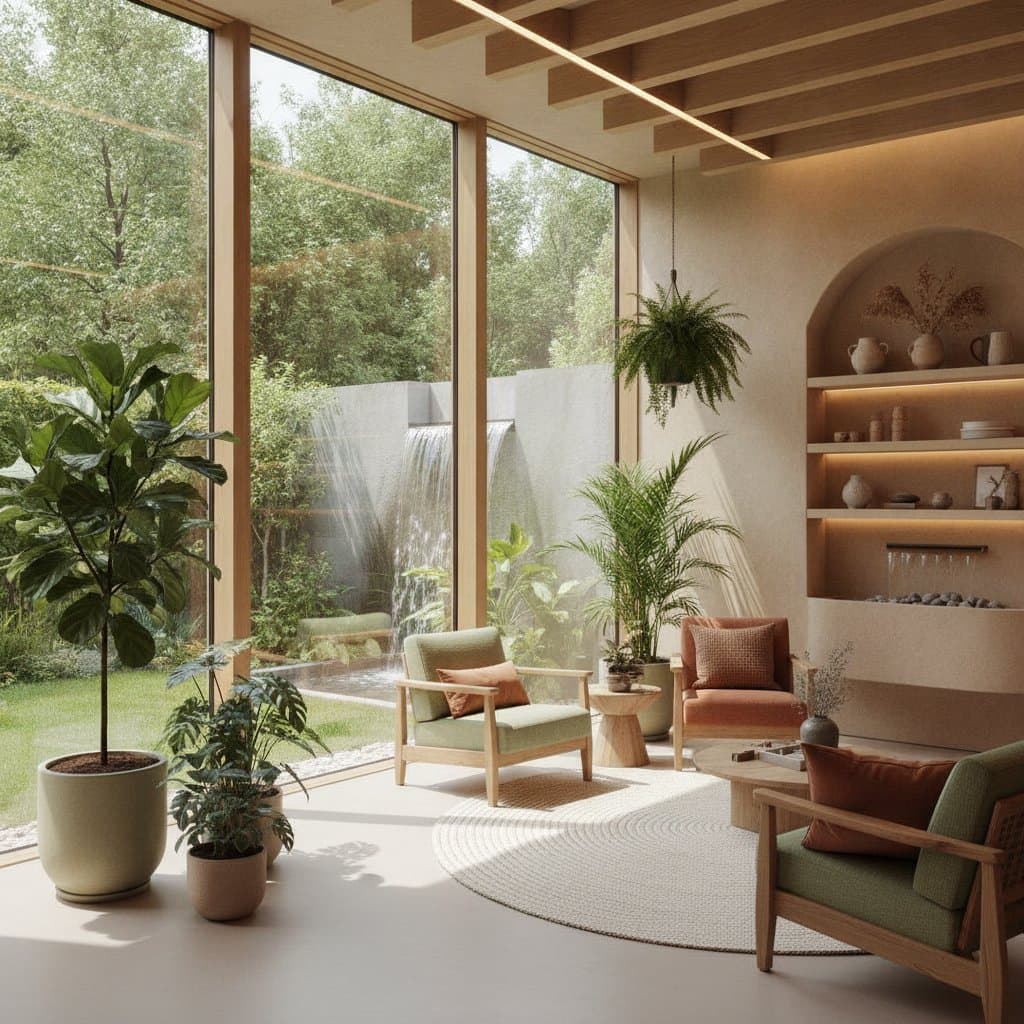
Indoor plants serve as focal points that soften hard surfaces and improve acoustics. Choose low-maintenance varieties like snake plants or pothos for beginners, placing them in corners or on shelves. Vertical gardens on walls maximize space in urban homes.
Incorporate natural textures through wood paneling, stone accents, or linen fabrics. These materials evoke earthiness and provide insulation benefits. Water features, such as tabletop fountains, add soothing sounds and humidity.
Placement matters: group plants near windows for photosynthesis, and use grow lights in low-light areas. Avoid overwatering to prevent root rot, and rotate specimens for even growth.
DIY Upgrades for Immediate Impact
Start with budget-friendly changes to test biophilic principles. Replace synthetic rugs with jute or wool for grounded warmth. Swap out fluorescent bulbs for full-spectrum LEDs that mimic sunlight.
Hang bird feeders outside windows to attract wildlife views. Add peel-and-stick wallpaper with botanical patterns for subtle nature motifs. These steps require minimal tools and can complete in a weekend.
Track progress by noting mood shifts or energy use. Such experiments build skills for more involved projects later.
Planning Larger Renovations
For transformative changes, focus on structural enhancements. Install skylights in attics or roofs to flood rooms with light, selecting models with ventilation for air circulation. Bay windows protrude to create nooks with panoramic views.
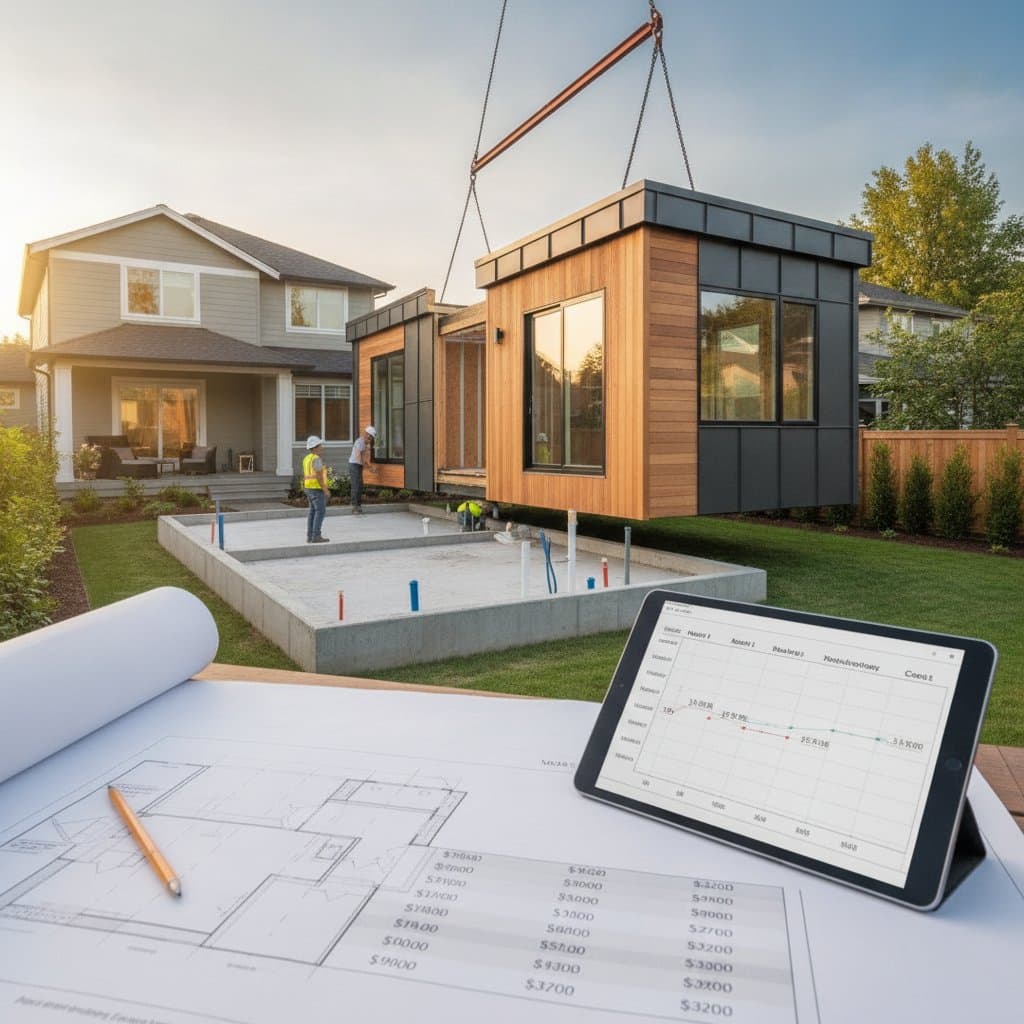
Built-in planters integrate greenery seamlessly into architecture. Eco-features like green roofs or living walls demand planning for weight and drainage. Consult blueprints to ensure compatibility with home foundations.
Permits may apply for exterior modifications. Budget for professional assessments to evaluate feasibility and long-term value.
Costs and Safety Considerations
Budget varies by project scale. Basic plant additions and bulb swaps cost under $200. Window treatments or mirrors range from $100 to $500.
Major installations carry higher expenses. Skylight fitting typically runs $1,500 to $3,000, covering labor, materials, and flashing for weatherproofing. Expanding windows or doors averages $3,000 to $8,000, influenced by size, frame type, and insulation.
Full biophilic overhauls, including new finishes and lighting, span $5,000 to $15,000. Factor in ongoing costs like plant care supplies or energy-efficient upgrades.
Prioritize safety with certified installations. Electrical work for lights or pumps requires licensed professionals to prevent hazards. Structural alterations need engineers to verify load-bearing integrity. Use non-toxic materials to safeguard indoor air quality.
Quality Checks and Troubleshooting
Common Issues
- Condensation on windows or walls: Enhance airflow with fans or vents, and evaluate dehumidifiers for humid climates.
- Wilting or yellowing plants: Review irrigation schedules and relocate to brighter spots if needed.
- Uneven lighting: Adjust mirror angles or opt for warmer bulb tones to achieve uniform distribution.
- Musty odor: Inspect around water elements for moisture traps or excess soil dampness.
Simple Fixes
Wipe seals and sills on windows weekly to curb moisture accumulation. Dust light fixtures and replace bulbs monthly for sustained clarity. Substitute faded plants immediately to deter insects or fungal growth.
When to Call a Pro
Engage certified experts for modifications involving structure, like window expansions, skylight additions, or integrated water systems. Licensed electricians handle all circuit-related tasks for illumination or circulation pumps.
- Typical Costs:
- Skylight installation: $1,500 to $3,000, encompassing labor and supplies.
- Large window or door addition: $3,000 to $8,000, based on construction and detailing.
- Interior biophilic remodel with finishes and lighting: $5,000 to $15,000.
- How to Vet a Contractor:
- Confirm valid licensing and coverage.
- Request client referrals and images of comparable work.
- Obtain detailed written bids specifying components.
- Clarify warranty details prior to commencement.
Sustaining Your Nature-Connected Space
A biophilic home nurtures daily well-being through fresher air, balanced light, and calming surroundings. Begin with modest enhancements like strategic planting and daylight optimization. Progress to ambitious features such as expansive glazing or natural integrations as needs evolve.
Regular upkeep preserves these benefits, ensuring the design remains vibrant and functional. Residents often report heightened serenity and vitality in such environments. Embrace this approach to cultivate a residence that aligns with natural rhythms.