Universal Design Costs: Aging in Place Breakdown
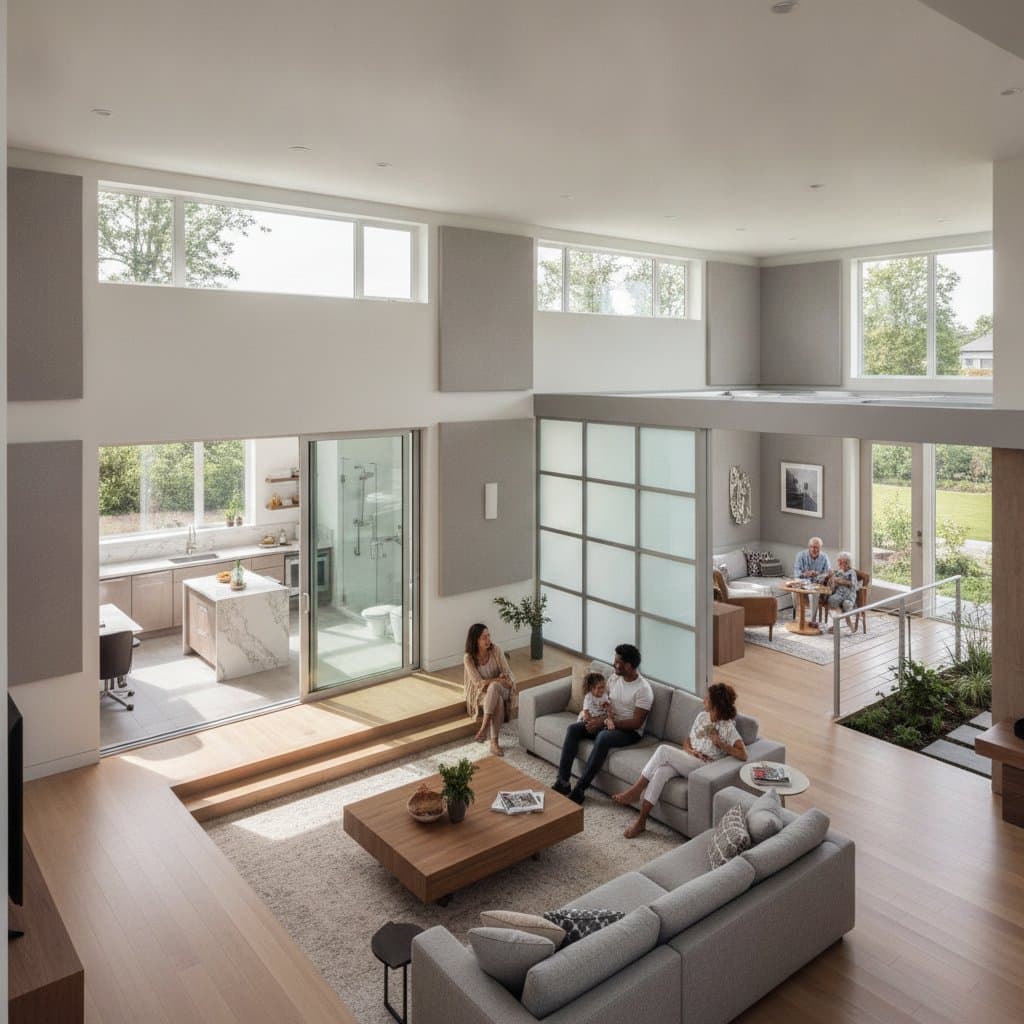
Universal design remodeling enables homeowners to maintain safety and independence throughout the aging process. This guide details the elements of universal design, associated costs, and scenarios that necessitate professional involvement for aging-in-place modifications.
Quick Overview
This article outlines anticipated expenses for universal design remodels, ranging from basic accessibility enhancements to complete home transformations. Readers gain insights into cost ranges, project timelines, material selections, and contractor hiring strategies to facilitate informed project planning.
Cost and Time Estimates
Universal design remodels exhibit significant cost variations depending on home size, current layout, and desired accessibility level.
Approximate cost ranges:
- Minor updates: $2,000 to $10,000
(grab bars, lever handles, enhanced lighting, and entry ramps) - Mid-level remodels: $15,000 to $50,000
(bathroom conversions, wider doorways, improved flooring, and kitchen adjustments) - Whole-home retrofits: $60,000 to $150,000 or more
(elevators, open-plan layouts, and major structural changes)
Timeline estimates:
- DIY small updates: 1 to 3 days
- Professional bathroom remodel: 1 to 3 weeks
- Full-home renovation: 1 to 3 months
Difficulty rating:
- Minor updates: Easy to Moderate
- Structural remodels: Advanced
Labor constitutes 40 to 60 percent of total costs. Factors such as regional labor rates, building codes, and permit fees influence the final amount.
DIY vs Professional Guidance
Certain universal design upgrades suit skilled homeowners, while others demand licensed contractors or inspectors.
DIY-friendly tasks:
- Installing grab bars and handrails with appropriate anchors
- Replacing doorknobs with lever handles
- Adjusting lighting and fixture heights
Professional-only work:
- Widening doorways or hallways
- Installing roll-in showers or walk-in tubs
- Adding stair lifts, elevators, or ramps exceeding 30 inches in height
- Modifying plumbing or electrical systems
Cost comparison:
- DIY hardware updates: $100 to $600
- Professional bathroom conversion: $10,000 to $40,000
- Full accessibility remodel with certified contractor: $80,000 or more
Engaging a Certified Aging-in-Place Specialist (CAPS) guarantees compliance with accessibility standards and successful inspections.
Step-by-Step Instructions
1. Assess Your Home
Conduct a room-by-room walkthrough to identify barriers such as narrow doors, elevated thresholds, or inadequate lighting. Employ a checklist aligned with universal design principles, focusing on accessibility, safety, and comfort. A comprehensive list of required modifications confirms readiness to proceed.
2. Plan the Remodel
Prioritize upgrades according to safety implications and available budget. Incorporate provisions for mobility aids like walkers or wheelchairs. The plan addresses both immediate requirements and future needs upon completion.
3. Obtain Permits and Estimates
Consult the local building department regarding permit necessities. Secure at least three written estimates from licensed contractors. Documentation of all permits and costs precedes project commencement.
4. Modify Entryways
Substitute steps with ramps maintaining a 1:12 slope ratio (1 inch rise per 12 inches of length). Affix handrails on both sides. Stability under load and adherence to local codes verify ramp effectiveness.
5. Upgrade Bathrooms
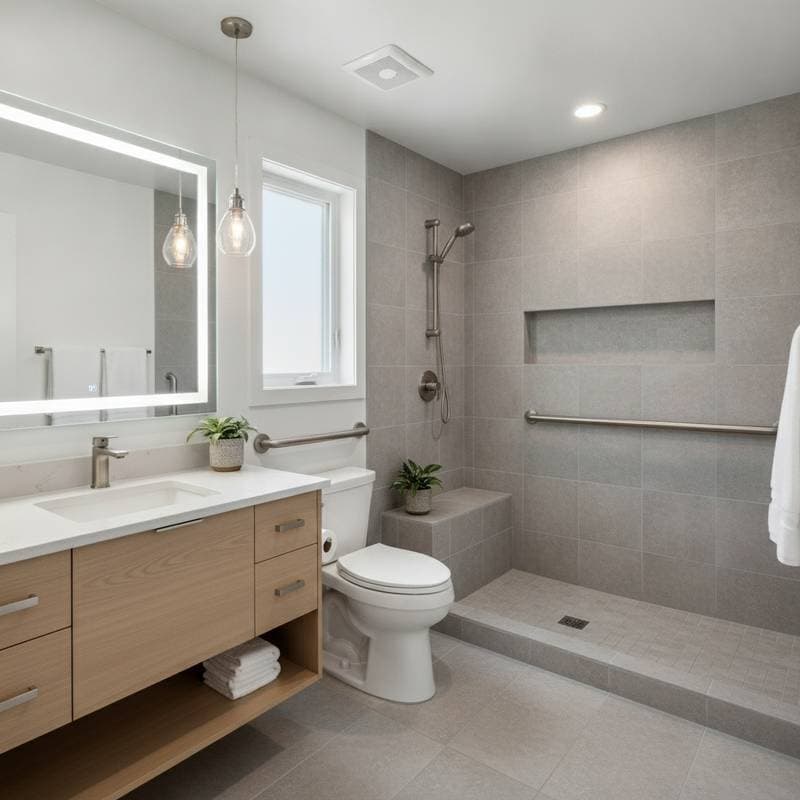
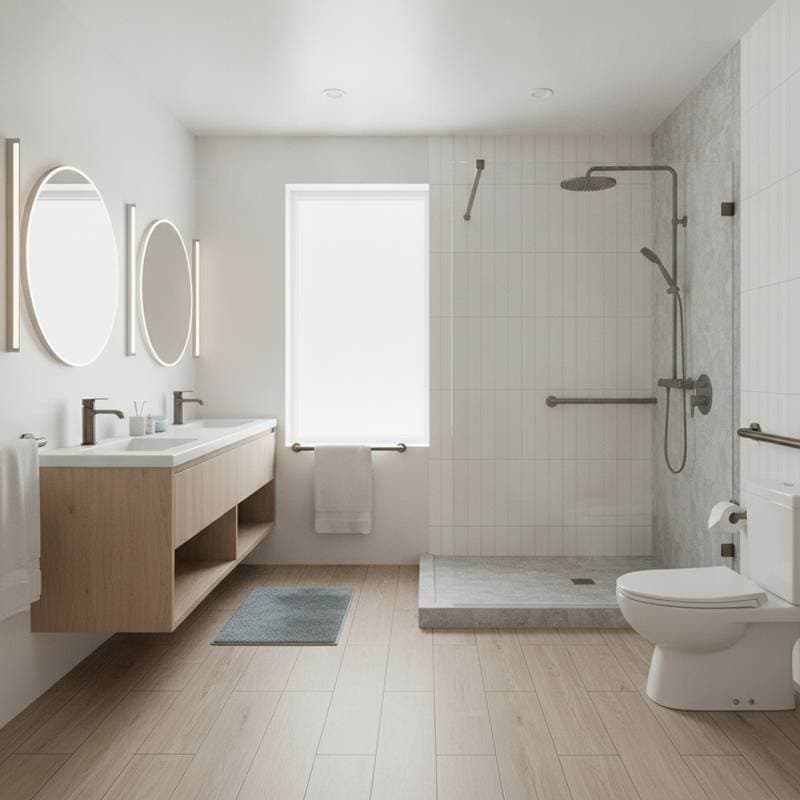
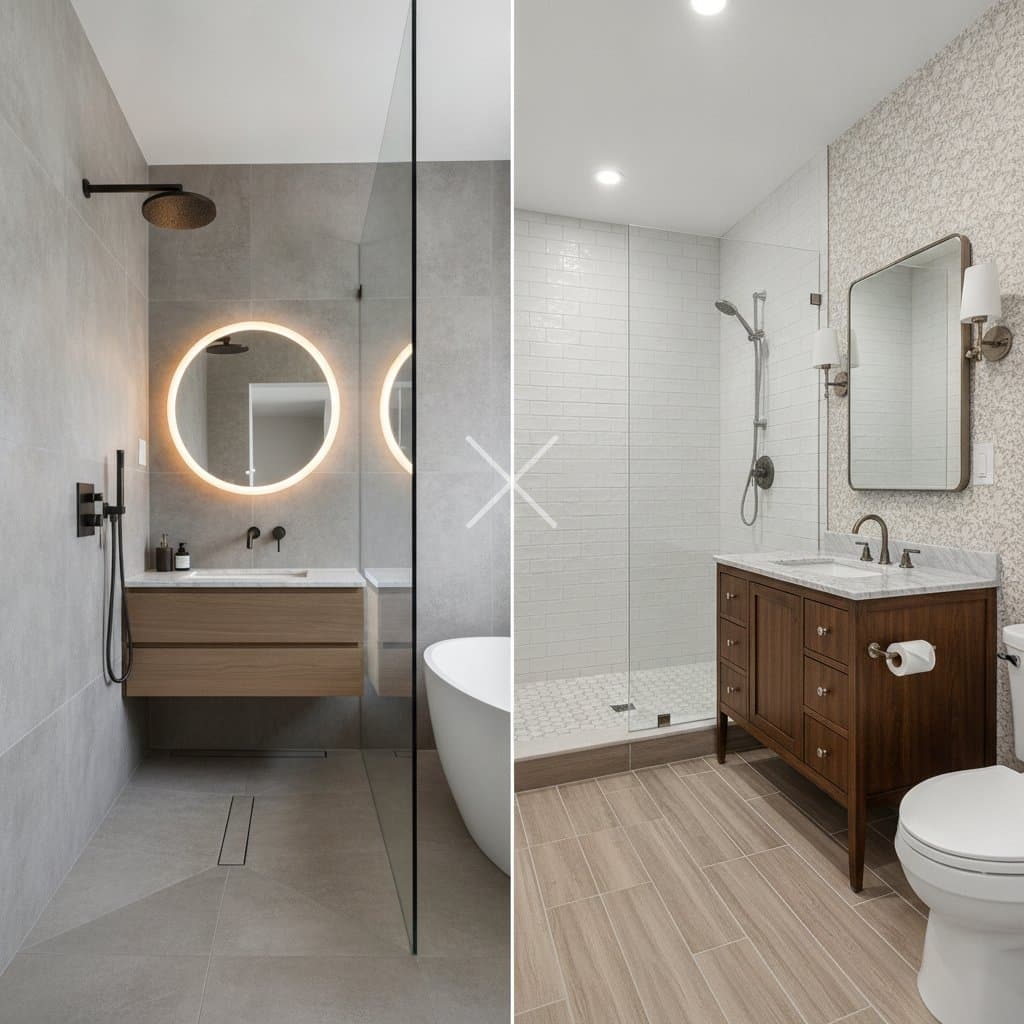
Incorporate a curbless shower featuring non-slip flooring. Position grab bars near the toilet and shower, anchored to wall studs. Accessibility from seated or standing positions, combined with fixture sturdiness, indicates successful installation.
6. Adjust Kitchen Layout
Reduce select countertop heights to 34 inches. Integrate pull-out shelves and D-shaped handles. Reachability of work areas from a seated position validates the adjustments.
7. Improve Lighting and Flooring
Install motion-sensor lighting in hallways. Swap loose rugs for slip-resistant options such as vinyl or cork. Safe, illuminated navigation throughout the home confirms improvements.
Safety Warnings and Tips
Warning: Electrical Hazard. Deactivate power at the breaker prior to altering outlets or lighting.
Caution: Fall Risk. Employ stable ladders for installing ceiling fixtures or grab bars.
Don protective gloves, non-slip shoes, and safety glasses. Maintain clear walkways free of debris during the remodeling process.
Troubleshooting and Quality Checks
Common problems and fixes:
- Uneven ramps: Verify slope measurements and reinforce support framing.
- Loose grab bars: Strengthen with suitable backing or toggle anchors.
- Water pooling in showers: Realign drain slope and verify waterproofing membrane integrity.
Quality checks:
- Doorways span at least 32 inches in width.
- Flooring transitions remain flush and smooth.
- Lighting provides sufficient brightness for nighttime reading and movement.
Cleanup and Disposal
Gather debris daily to eliminate tripping risks. Recycle metal fixtures, salvageable lumber, and cardboard materials. Follow local regulations for disposing of tiles, drywall, and treated wood. For removed toilets or bathtubs, explore recycling center options or donation possibilities.
Maintenance and Lifespan
Examine grab bars, flooring, and ramps semiannually for signs of wear or loosening. Clean non-slip surfaces using mild detergent to preserve traction. LED lighting and lever handles endure for extended periods with basic upkeep. Bathroom fixtures and flooring warrant replacement every 10 to 15 years, contingent on usage intensity.
When to Call a Professional
Engage professionals for projects involving structural alterations, plumbing rerouting, or electrical rewiring. A general contractor or CAPS-certified remodeler manages permits, inspections, and code adherence.
Professional cost ranges:
- Entry ramp installation: $3,000 to $10,000
- Roll-in shower conversion: $8,000 to $20,000
- Elevator or lift installation: $25,000 to $50,000
Contractor checklist:
- Valid license and insurance
- Written estimate and timeline
- References from prior accessibility projects
- Warranty covering labor and materials
Pro Tips for Success
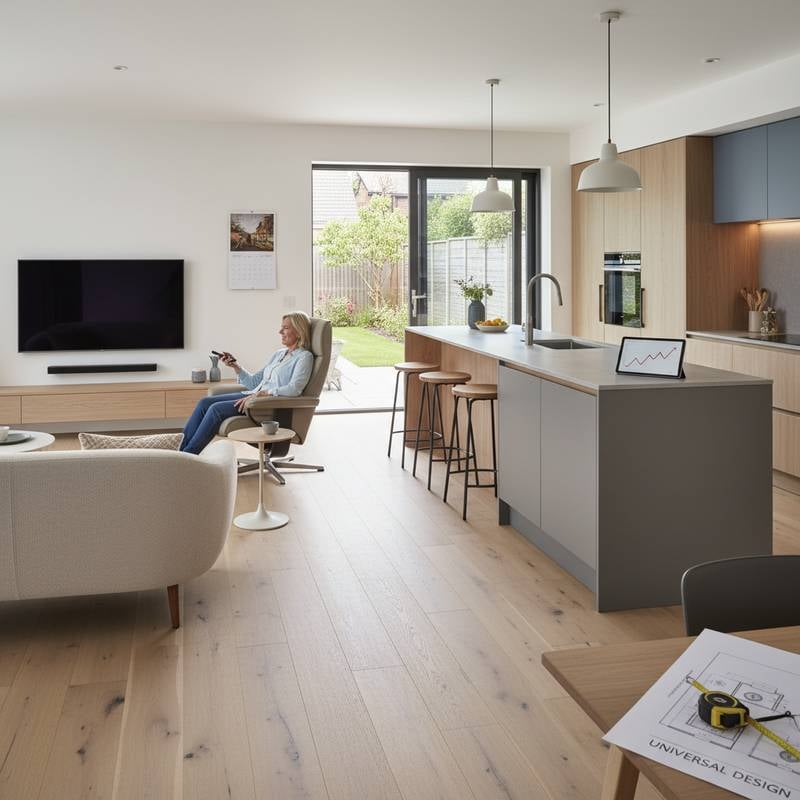
Initiate universal design upgrades proactively, prior to mobility limitations. Blend safety elements with aesthetic considerations to sustain home comfort and appeal. Opt for neutral colors, expansive hallways, and seamless surfaces compatible with diverse design preferences.
Building a Lasting, Adaptable Home
Grasping the costs and procedures involved empowers homeowners to develop residences that evolve alongside personal needs. Strategic planning, coupled with professional assistance as required, yields a safer, more efficient environment primed for long-term aging in place.