Biophilic Design Materials Deliver Strong Returns in 2026
Homeowners and building professionals turn to biophilic design because it creates healthier living spaces while producing measurable financial gains. Natural materials and patterns that echo outdoor environments improve daily comfort and support higher property values. This guide covers the materials, costs, and installation practices that produce reliable returns.
What You Will Learn
- Key biophilic materials that improve both wellness and resale value
- Cost ranges and expected returns for residential and commercial work
- Situations that require professional installation versus safe DIY projects
- Maintenance steps that protect natural materials over time
Top Biophilic Materials Increasing Property Value
1. Natural Wood Finishes
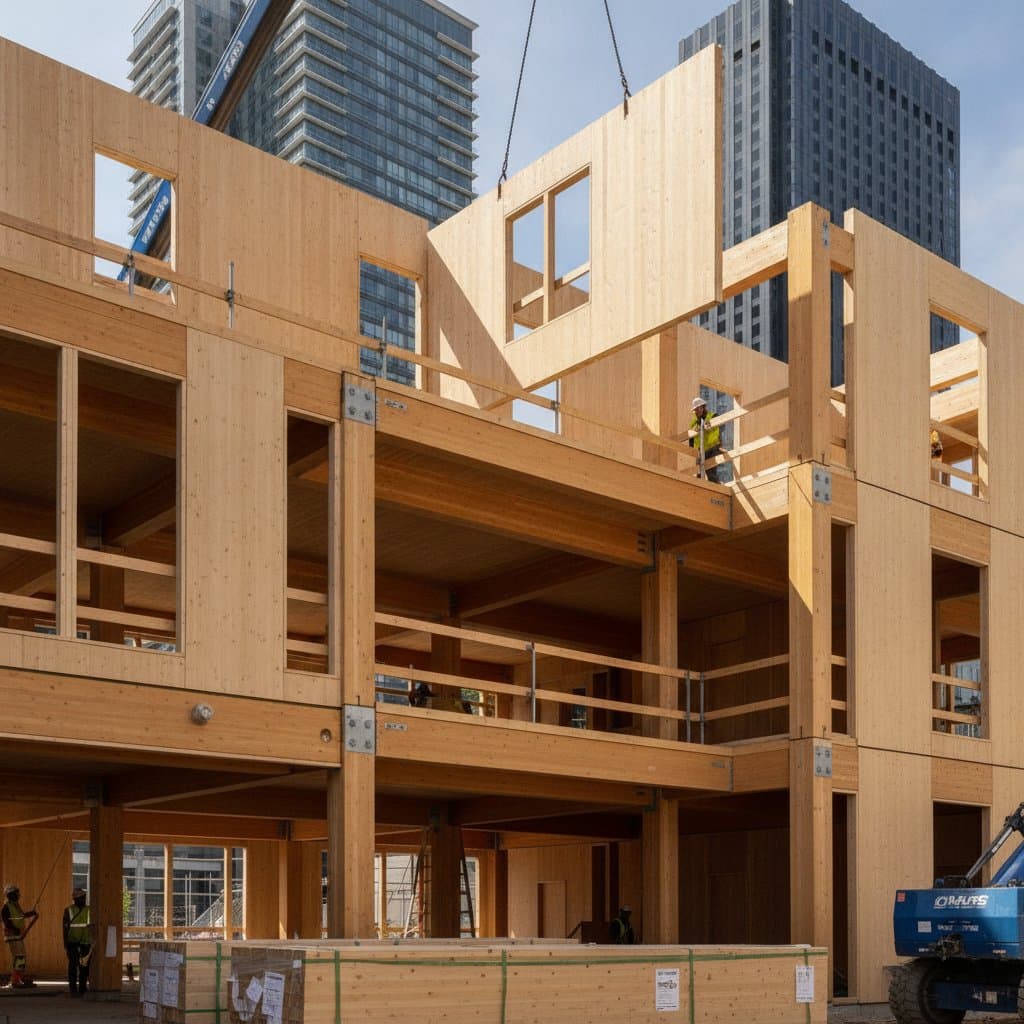
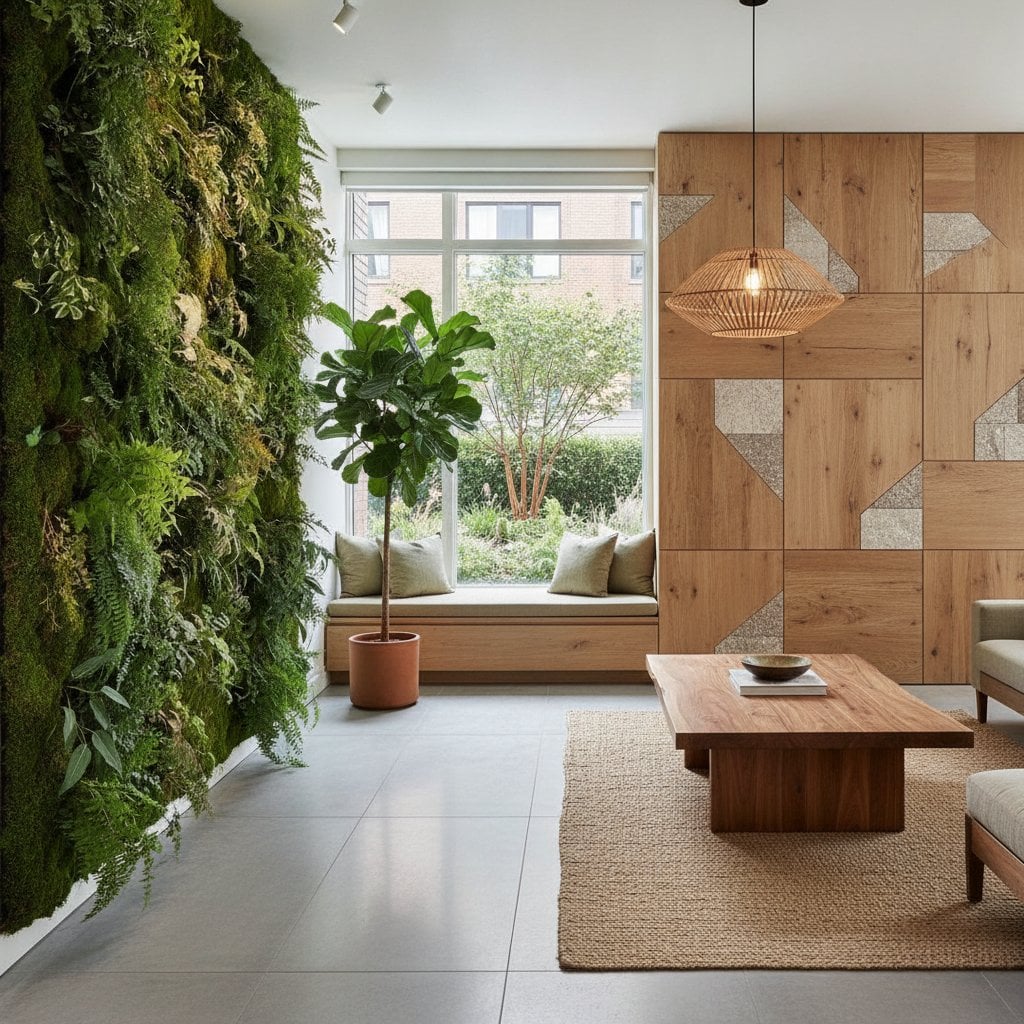
Wood creates warmth and a direct link to outdoor settings. It also moderates indoor humidity and supports better air quality through natural moisture exchange.
Expect costs of eight to twenty five dollars per square foot for flooring or paneling, depending on species and finish. Engineered hardwood offers a lower price point while retaining visual appeal. Homes that feature quality wood interiors commonly achieve a resale return of seventy to eighty percent.
Experienced homeowners can install small accent walls or reclaimed shelving. Larger structural work or custom millwork requires licensed contractors who understand moisture control.
Select wood certified by recognized forestry programs and finish it with low volatile organic compound products to maintain indoor air quality.
2. Clay, Lime, and Earthen Plasters
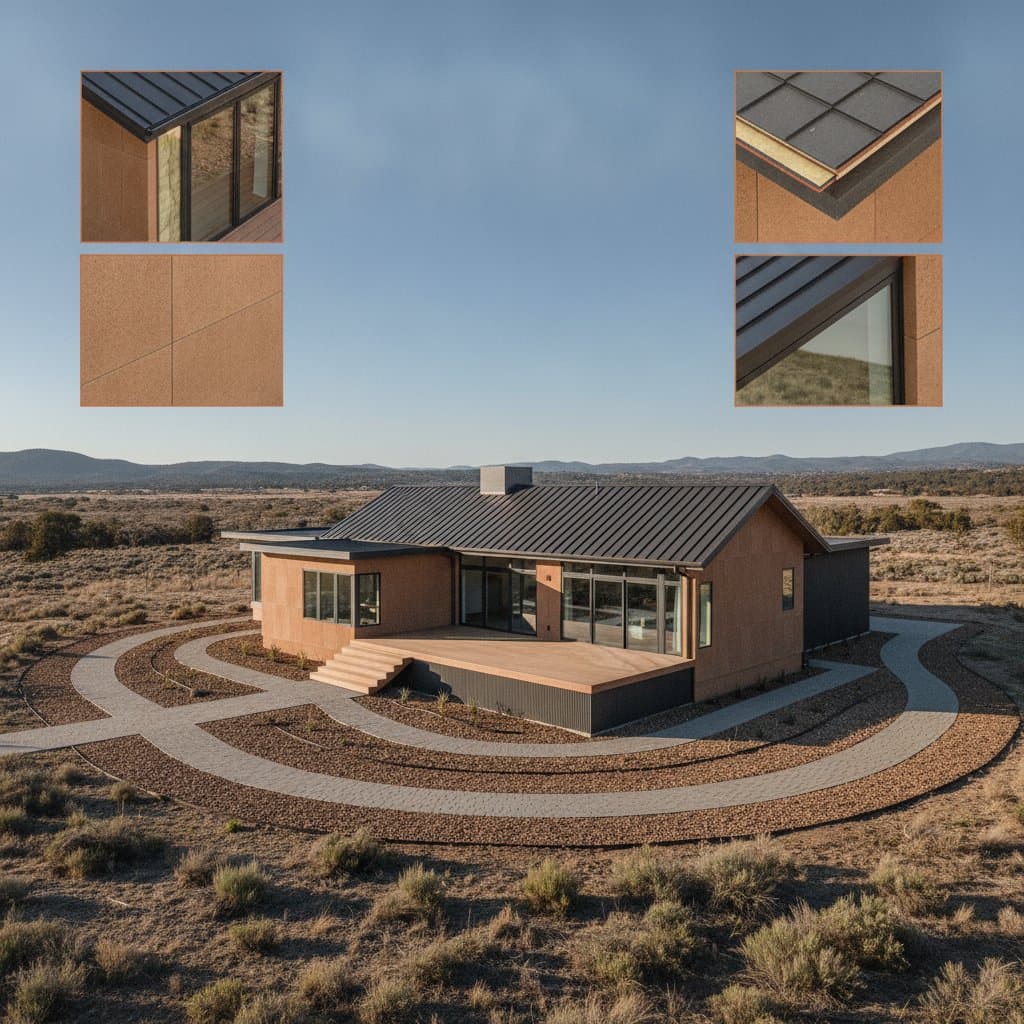
These plasters balance humidity, reduce airborne pollutants, and provide a matte texture that standard paints cannot replicate.
Professional application costs ten to twenty dollars per square foot. Although the initial expense exceeds ordinary paint, the extended lifespan and health advantages justify the outlay. Returns can reach sixty five percent when the plaster is combined with wood surfaces and increased daylight.
Homeowners may handle small accent walls, yet large areas demand trained applicators to achieve uniform texture.
Choose natural pigments that match local color palettes. Dust finished walls with a soft cloth on a regular schedule.
3. Natural Fiber Textiles
Wool, cotton, linen, and jute supply texture, absorb sound, and help regulate temperature. These elements complete the sensory connection that defines biophilic spaces.
Rugs and upholstery range from ten to fifty dollars per square foot based on weave and quality. While textiles seldom produce direct resale gains, they raise perceived comfort and luxury, which strengthens buyer interest.
Most carpet and drapery work suits homeowner installation. Custom upholstery or built in panels benefit from professional execution.
Rotate rugs periodically and use gentle vacuum settings to limit fiber wear.
Situations That Require Professional Help
Certain upgrades involve structural, moisture, or system considerations best managed by specialists. Engage a contractor when the work includes any of the following:
- Changes to load bearing walls or roof framing
- New irrigation or plumbing lines
- Integrated electrical lighting
- Warranty conditions that mandate certified installers
- Local codes that require permits or inspections
Review prior projects that show experience with natural materials. Discuss moisture strategies and finish selections that satisfy both appearance and performance goals.
Cost Control Approaches
- Reclaim wood, brick, or stone to gain character at reduced expense.
- Pair genuine stone accents with engineered surfaces in secondary areas.
- Complete upgrades in phases, beginning with kitchens and entryways.
- Source materials locally to cut transport costs.
- Maximize daylight through layout changes to lower lighting expenses.
Answers to Common Questions
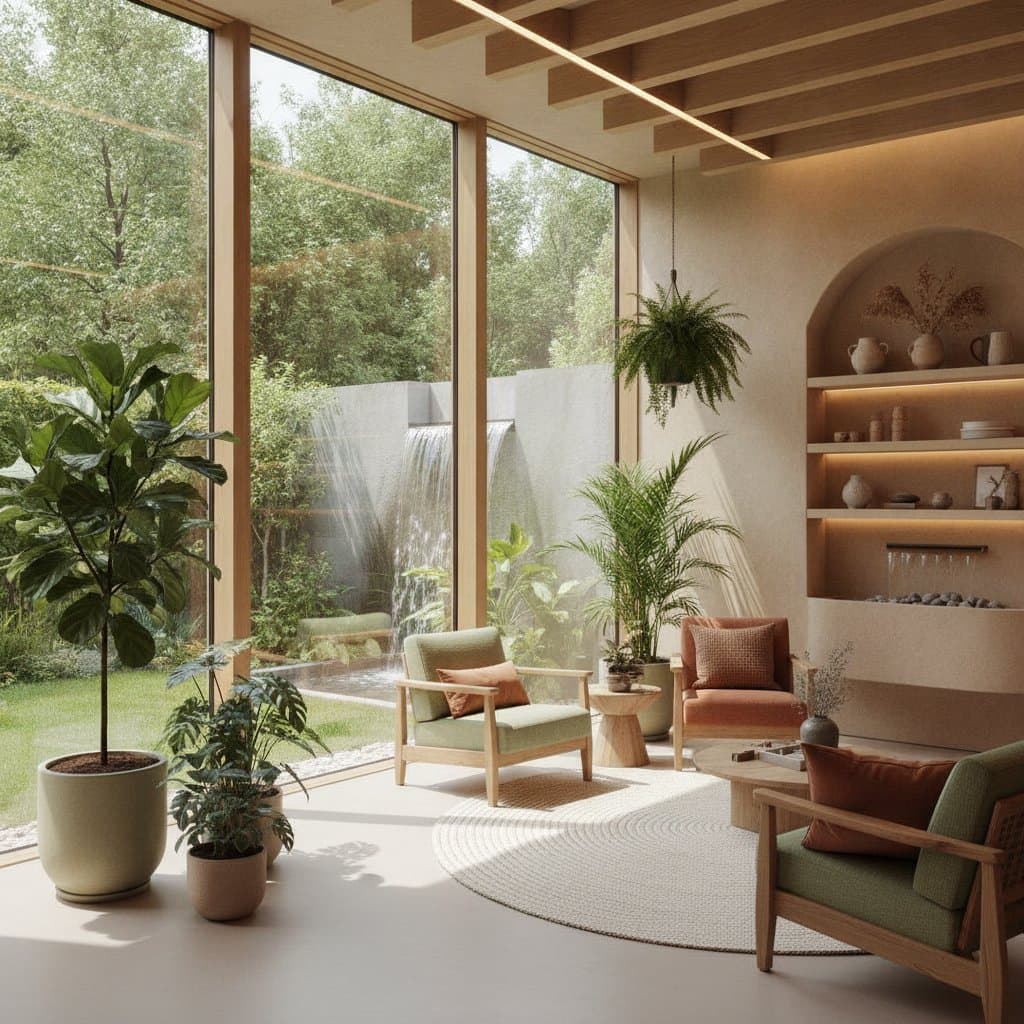
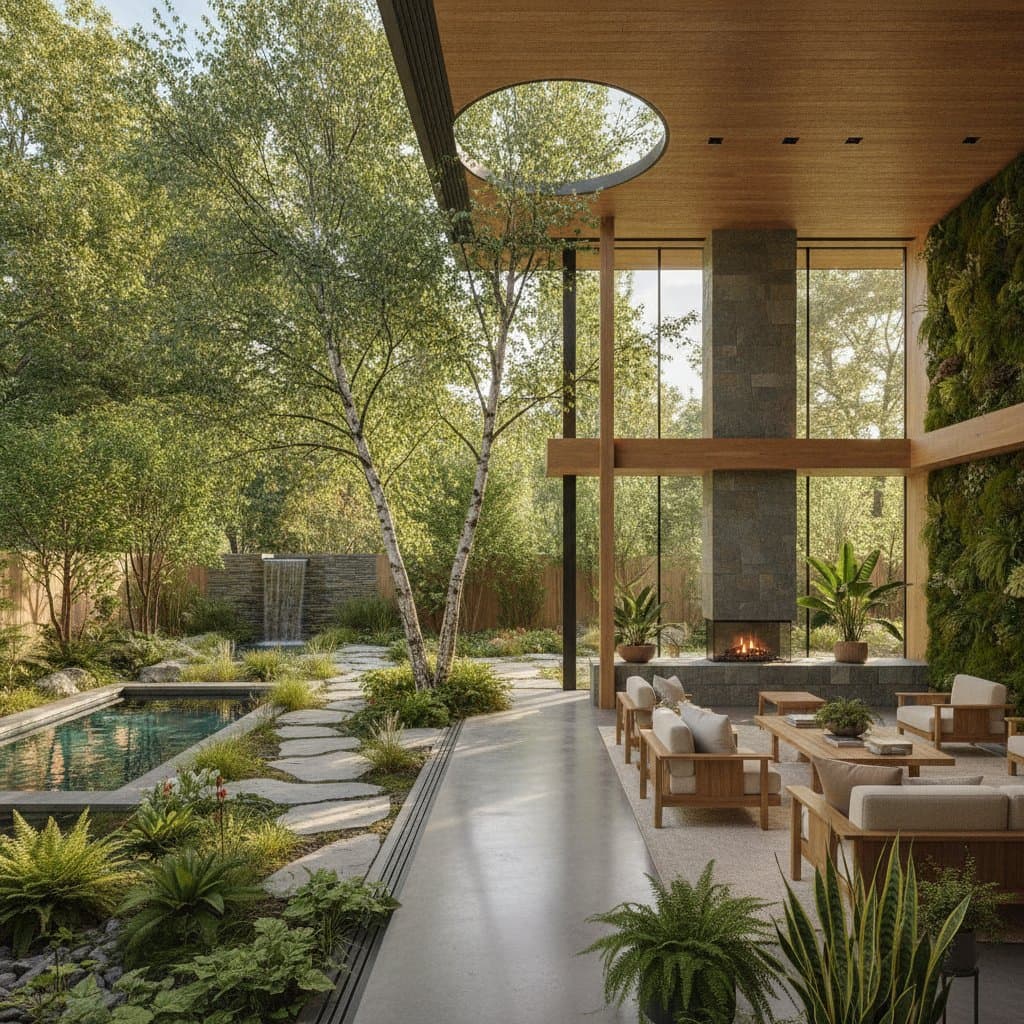
What defines a biophilic home? A biophilic home incorporates natural materials, patterns, and light to foster a connection with nature that supports comfort and wellness.
Are biophilic materials difficult to maintain? Most surfaces need only periodic cleaning and sealing. Natural oils typically replace synthetic coatings.
Do results require a large budget? Small additions such as plants or wood accents produce visible improvements in atmosphere and resale appeal.
Can existing homes receive these upgrades? Yes. Replacement of synthetic surfaces with natural options plus added daylight and greenery yields strong outcomes.
Protecting Long Term Value
Regular care preserves performance. Clean surfaces with mild, nonabrasive products. Reseal stone and wood at recommended intervals. Check living walls for irrigation function and prune plants to sustain airflow. These steps keep materials attractive and functional while supporting the fifteen percent resale premium associated with biophilic features.