Expected Costs of Aging-in-Place Remodeling
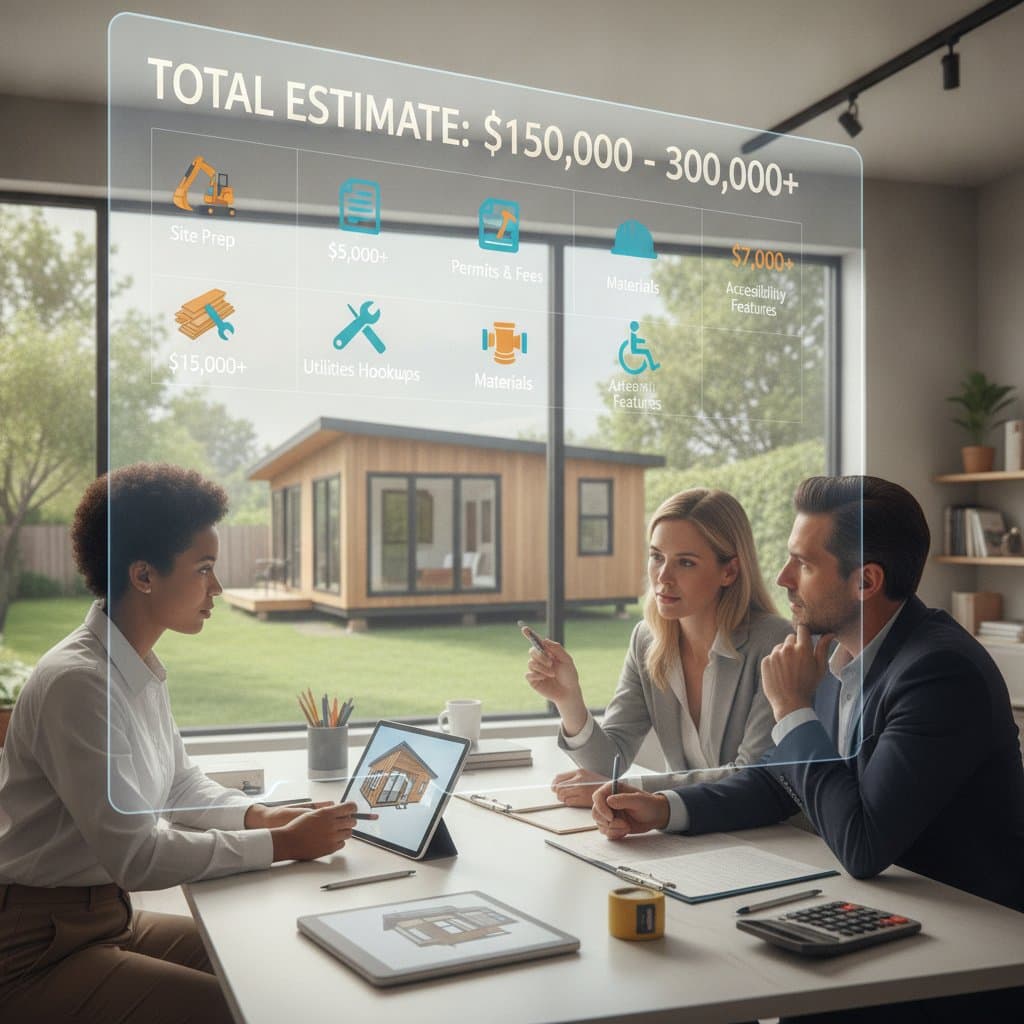
Aging-in-place remodeling helps homeowners remain in their residences comfortably and safely. This approach prioritizes accessibility, safety, and convenience while preserving visual appeal. Clear cost information supports realistic budgeting and informed decisions about project priorities.
Core Elements of Aging-in-Place Remodeling
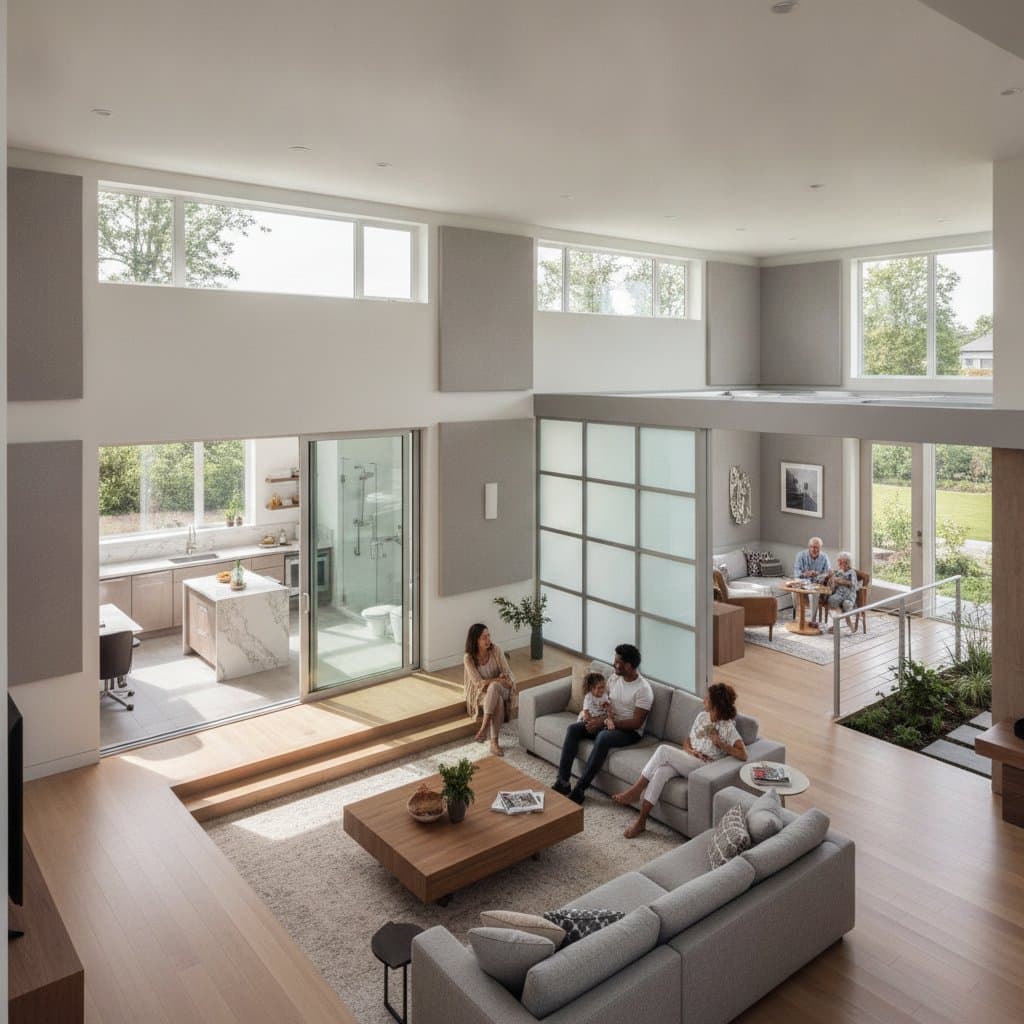
The objective is a barrier-free environment that simplifies movement and lowers fall risks. Projects range from basic additions such as grab bars to full room reconfigurations for wheelchair access.
Common features include:
- Wider doorways and hallways
- Zero-step entries
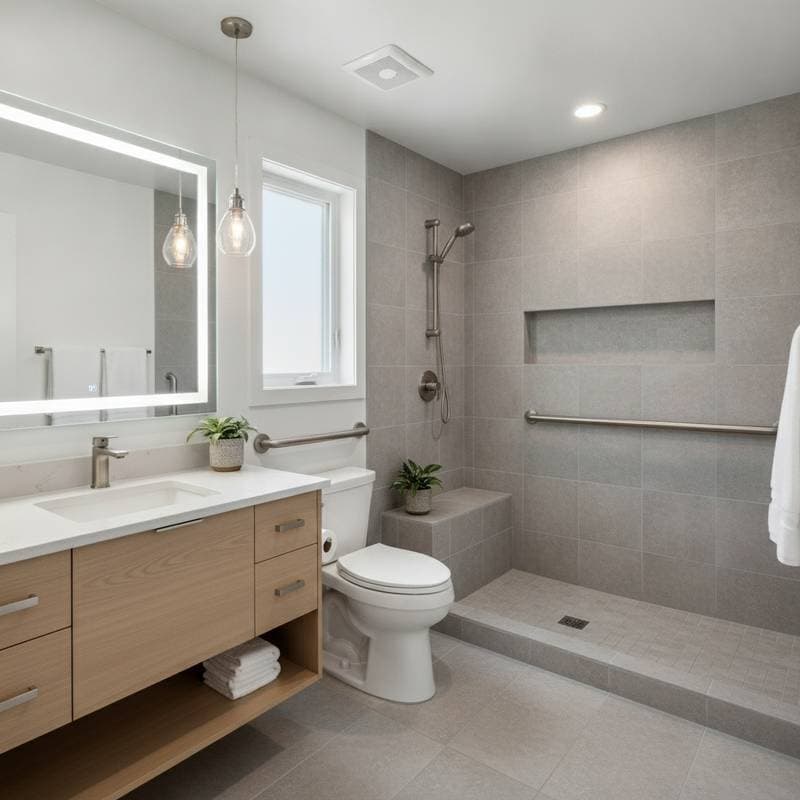
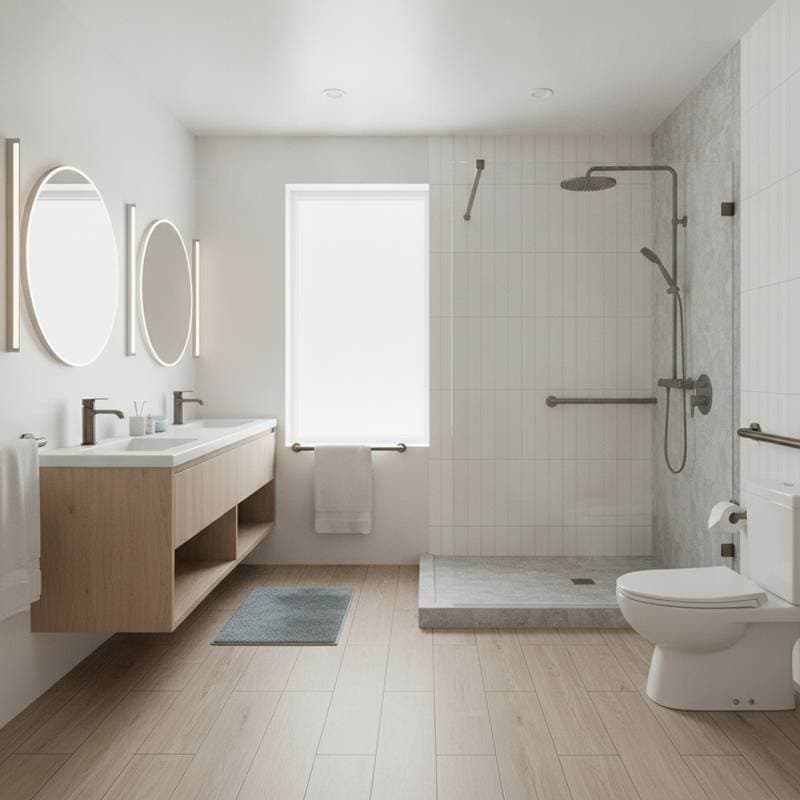
- Curbless showers with accessible bathrooms
- Lever-style door and faucet handles
- Slip-resistant flooring
- Enhanced lighting and open layouts
These elements follow universal design principles. Spaces remain usable across all ages and abilities without appearing institutional.
Influences on Project Costs
Several variables determine final expenses.
- Project scope determines whether costs stay limited to single rooms or expand across an entire home.
- Existing home layout may require structural or electrical work before new features can be installed.
- Material selections affect both price and long-term durability.
- Labor rates vary with the involvement of certified aging-in-place specialists.
- Customization options such as adjustable cabinetry increase overall investment.
Cost Ranges by Project Area
Bathroom Updates
Bathrooms receive early attention because they present the highest fall risks.
- Curbless showers with slip-resistant tile and grab bars typically range from 8000 to 15000 dollars.
- Comfort-height toilets and lever faucets add 600 to 1500 dollars.
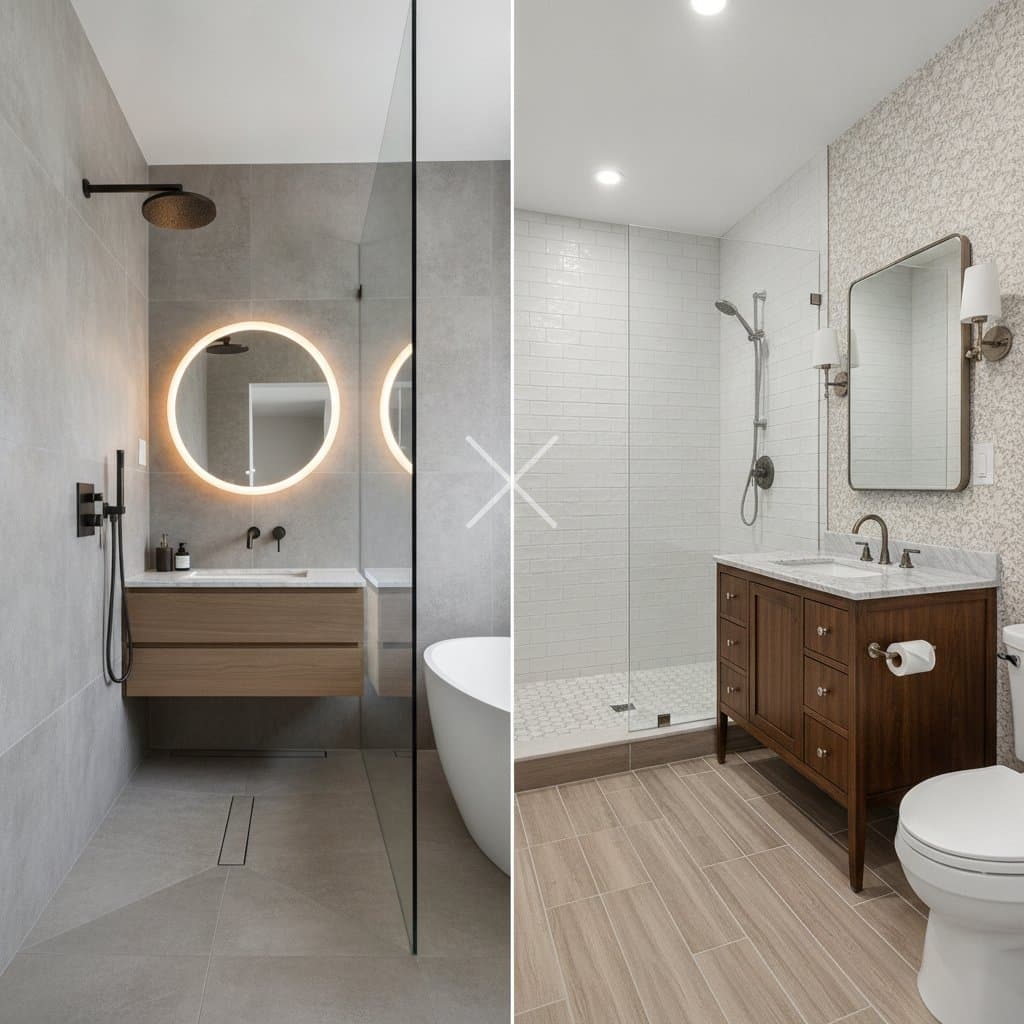
- Complete bathroom remodels with universal design features cost between 18000 and 35000 dollars.
These modifications reduce bending and obstacle navigation. Matte tile finishes limit glare while brushed nickel fixtures maintain a modern appearance.
Kitchen Adjustments
Kitchens gain from adjustable work surfaces and improved storage access.
- Lowered or multi-level countertops cost 4000 to 8000 dollars.
- Pull-out shelves, lazy Susans, and drawer dishwashers add 2000 to 5000 dollars.
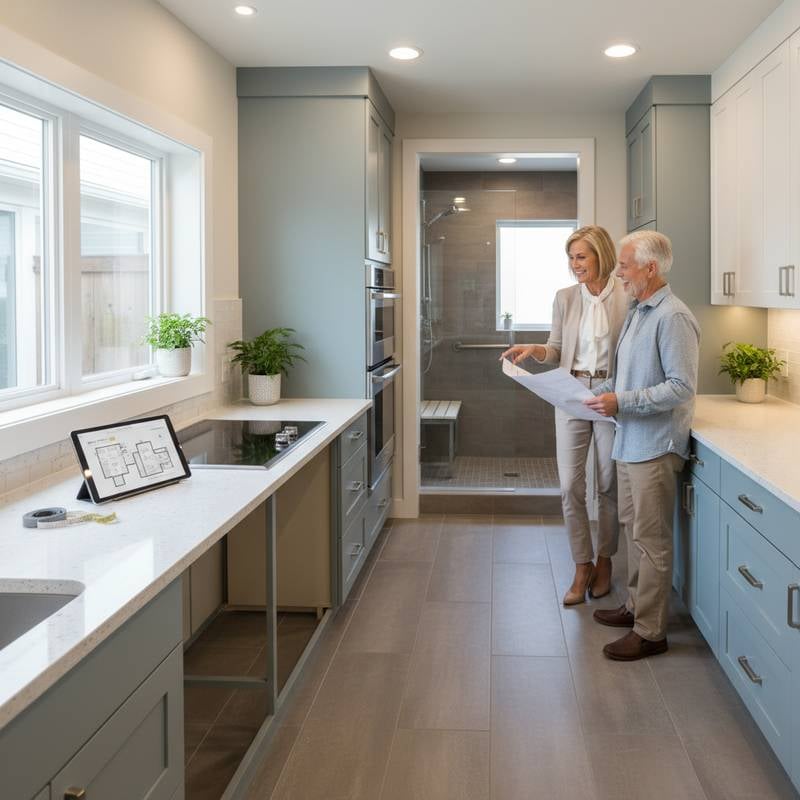
- Full accessible kitchen renovations range from 25000 to 55000 dollars.
Light cabinet colors improve visibility. Soft-close mechanisms enhance safety during daily use.
Entryway and Doorway Improvements
Safe entry and exit remain essential.
- Zero-step entries with ramps cost 3000 to 9000 dollars.
- Door widening runs 800 to 2500 dollars per opening.
- Motion-sensor lighting and covered entries add 1000 to 3000 dollars.
Ramp materials should match existing exterior finishes to preserve curb appeal.
Flooring and Lighting Changes
Safe surfaces and clear illumination support daily movement.
- Vinyl plank or low-pile carpet installation averages 4 to 8 dollars per square foot.
- Smart lighting systems with dimmers and sensors range from 1500 to 4000 dollars.
Warm, consistent lighting works well with neutral flooring tones.
Bedroom and Living Area Modifications
Open pathways and convenient storage improve livability.
- Pathway widening and lever handle installation total 2000 to 6000 dollars.
- Wheelchair turning radius adjustments cost 5000 to 12000 dollars.
Contrasting wall colors help define zones and support depth perception.
Strategic Project Planning
Phased implementation spreads expenses while maintaining design continuity. Begin with bathrooms and entries, then progress to kitchens and living spaces.
Cost management steps include combining related tasks, selecting durable mid-range materials, and engaging a Certified Aging-in-Place Specialist. Local rebates may further reduce net outlay.
Design Integration
Universal design supports both function and aesthetics. Decorative tile bands can accent curbless showers. Grab bars can serve as towel racks. Lighter walls paired with darker floors create helpful visual contrast.
Professional versus Owner-Performed Work
Simple tasks such as handle replacement or portable ramp addition suit experienced homeowners. Plumbing, electrical, and structural changes require licensed professionals to meet code and safety standards.
Long-Term Value
These renovations extend home usability and can support resale appeal. Regular inspection of grab bars, lighting levels, and flooring condition preserves performance over time.
Additional small upgrades such as smart thermostats allow continued adaptation as needs evolve.