What Multigenerational Additions Really Cost in 2026
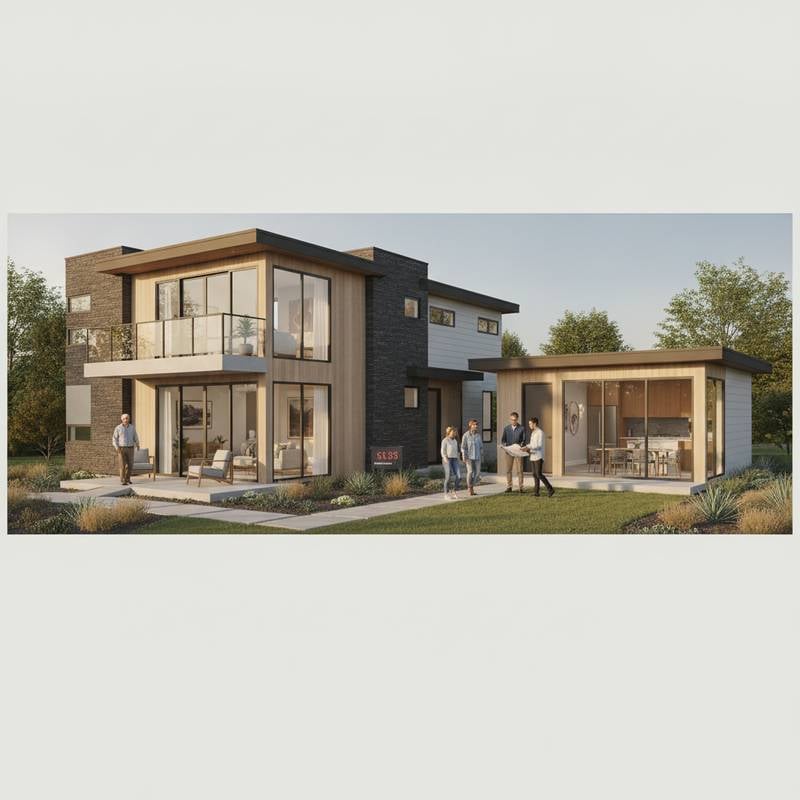
Adding a multigenerational suite creates flexible living space for aging parents, adult children, or extended guests. These additions deliver privacy and independence while maintaining close family connections. Homeowners benefit from understanding current pricing factors before beginning any project.
Average Project Costs
A typical multigenerational addition ranges from 130000 to 320000 dollars. Most homeowners invest approximately 215000 dollars. Interior conversions of existing rooms start near 80000 dollars. Detached units with complete kitchens and bathrooms often exceed 400000 dollars.
Key cost drivers include the overall size and layout, required structural modifications, plumbing and electrical upgrades, material selections, and regional labor and permit expenses. Careful planning aligns the project scope with family requirements and available funds.
Primary Cost Influences
- Addition size and configuration
- New foundations or roof connections
- Plumbing, electrical, and HVAC systems
- Material quality and finish level
- Local labor rates and permit fees
Detached ADUs cost up to 40 percent more than attached options. Converting a basement or garage reduces expenses by approximately half. Design work, permits, and utility connections typically add 10 to 20 percent to the base budget.
Labor and Contractor Expenses
Labor represents 35 to 50 percent of total project costs. Plumbing, electrical, and HVAC trades contribute the largest shares. General contractor oversight accounts for 10 to 15 percent. Framing, drywall, and finishing work represent 20 to 25 percent. Foundation and structural tasks add another 10 to 15 percent.
Licensed contractors maintain code compliance and reduce the risk of expensive corrections. Urban labor rates exceed those in suburban or rural areas. Obtain multiple bids to compare qualifications and pricing.
Cost Reduction Strategies
Homeowners can lower expenses while preserving quality and comfort.
- Convert existing interior space instead of constructing new square footage.
- Simplify layouts to minimize plumbing runs and maximize shared walls.
- Select standard door, window, and cabinet sizes to avoid custom fabrication fees.
- Coordinate trades directly when experience allows, potentially saving 10 percent or more.
- Reuse sound flooring or fixtures from other areas of the home.
- Incorporate energy efficient insulation and lighting during initial construction.
These approaches keep investments reasonable while supporting comfortable family living.
Resale Value and Long Term Benefits
Well executed additions return 50 to 80 percent of costs through increased property value. Separate entrances and kitchen facilities enhance rental potential. Accessibility features attract aging in place buyers. Energy efficient systems reduce operating expenses and appeal to environmentally conscious purchasers.
Beyond financial returns, the addition provides ongoing family flexibility. Rising housing costs make in law suites practical alternatives to external care or rental arrangements.
Zoning and Permit Requirements
Verify local zoning allowances for secondary dwellings before design work begins. Regulations may limit size, height, occupancy, parking, or utility configurations. Owner occupancy rules and short term rental restrictions also apply in many jurisdictions.
Secure written approvals and permits prior to construction. A qualified contractor or architect can navigate these requirements efficiently and prevent future complications.
Financing Approaches
Several options distribute project costs over time.
- Home equity loans or lines of credit provide competitive rates secured by existing property value.
- Cash out refinancing consolidates expenses at a fixed rate when sufficient equity exists.
- Renovation loans combine acquisition and improvement funds in one mortgage.
- Personal loans offer faster approval though at higher interest rates.
- Regional ADU grants or rebates offset costs in select markets.
Review all terms with a financial advisor before finalizing any agreement.
Construction Timeline and Practical Details
Most projects require three to six months depending on complexity and weather conditions. Permits cover structural, electrical, and plumbing work. Local rules determine whether rental use is permitted. Property tax assessments increase based on improvement value and local rates. Independent entrances, full bathrooms, and kitchenettes strengthen buyer interest. Small lot projects succeed when municipalities allow reduced setbacks or compact unit sizes.
Protecting Your Long Term Investment
Schedule regular inspections of roofing, HVAC systems, and plumbing after completion. Maintain detailed records of all service and upgrades. Verify accessibility features remain functional if older relatives occupy the space. Install energy efficient appliances and low flow fixtures to control utility expenses. Separate utility metering supports future rental use when zoning permits.
A multigenerational addition strengthens family bonds and expands property utility for years ahead.