The 2026 Universal Design Costs for Aging in Place
Quick Answer Box
Aging-in-place remodeling incorporates universal design principles to enhance home safety and usability as mobility needs evolve. Homeowners typically face project costs ranging from several thousand dollars for basic updates to more than fifty thousand dollars for comprehensive home adaptations. A standard bathroom accessibility remodel costs between ten thousand and twenty thousand dollars, whereas full-home modifications often surpass forty thousand dollars. Projects generally span one to four weeks, with moderate to advanced complexity based on the scope. Tasks involving plumbing, electrical systems, or structural alterations demand the expertise of licensed professionals.
Step-by-Step Instructions
1. Assess Your Home
Conduct a thorough walkthrough of each room to identify navigation challenges. Focus on elements such as narrow doorways, steep staircases, slippery surfaces, and inadequate illumination.
- Measure the width of doorways and hallways to ensure sufficient clearance.
- Pinpoint rooms with restricted turning radius, ideally less than five feet in diameter.
- Document locations with elevated thresholds or irregular flooring that pose trip risks.
Check: Compile a detailed written inventory of all identified problem areas prior to estimating costs.
2. Prioritize Safety Upgrades
Target the most hazardous zones first, as bathrooms and entry points frequently require immediate attention.
- Secure grab bars adjacent to toilets and within showers for reliable support.
- Install non-slip flooring options like textured vinyl or rubber mats to prevent falls.
- Swap traditional round doorknobs for lever-style handles that accommodate varied grip strengths.
Check: Verify that every safety element withstands at least 250 pounds of force through secure anchoring into wall studs.
3. Improve Lighting and Visibility
Inadequate lighting elevates the risk of accidents, so prioritize bright and uniform illumination throughout primary living spaces.
- Upgrade to LED fixtures delivering a minimum of 800 lumens to replace outdated bulbs.
- Incorporate motion-activated lights in corridors and bathrooms for hands-free operation.
- Apply high-contrast colors to walls, floors, and trim to enhance visual cues for navigation.
Check: Simulate nighttime conditions by walking through the home after dark to confirm consistent lighting coverage in all pathways.
4. Modify Entryways and Doorways
Expanding access points and eliminating barriers facilitates smoother mobility for residents and visitors alike.
- Install 36-inch-wide doors or apply offset hinges to increase existing doorway clearance.
- Fit threshold ramps at exterior entrances to create seamless transitions.
- Convert steep stairs into low-rise steps or install ramps where feasible to maintain level access.
Check: Test doorways to ensure passage for wheelchairs or walkers occurs without obstruction or contact.
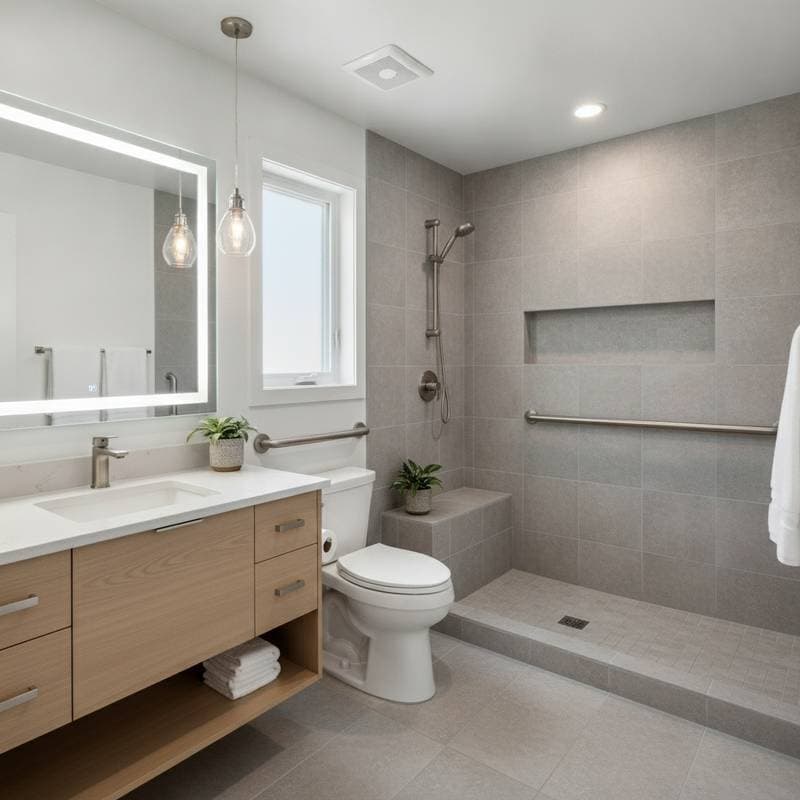
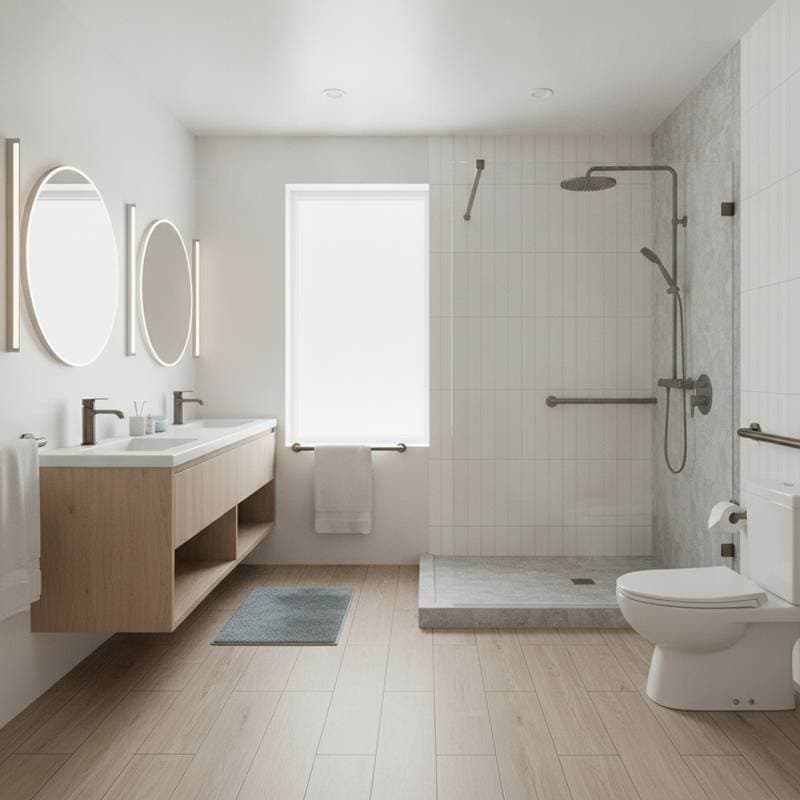
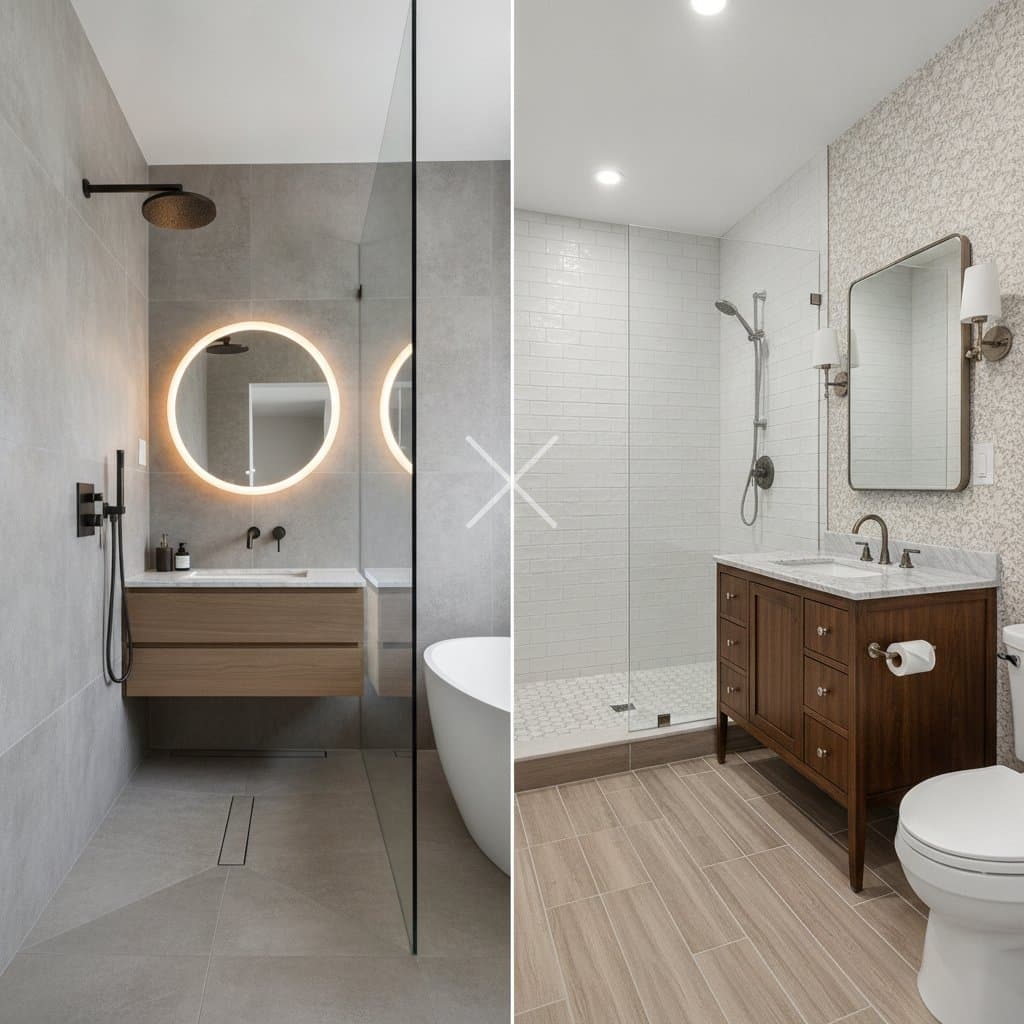
5. Remodel the Bathroom for Accessibility
Bathrooms represent both the highest expense and the critical focus for aging-in-place enhancements due to their inherent risks.
Warning: Engage licensed professionals for all plumbing and electrical modifications to comply with safety codes.
- Convert standard tubs to walk-in showers with curbs no taller than one-half inch to ease entry.
- Mount adjustable handheld showerheads on sliding bars for customizable positioning.
- Position grab bars strategically near the toilet and within the shower enclosure for stability.
- Select slip-resistant, water-sealed flooring to manage moisture without compromising traction.
Check: Confirm the ability to step into the shower area without navigating any raised ledges or barriers.
6. Update the Kitchen for Comfort and Reach
Kitchen modifications minimize physical strain and promote safer daily routines through ergonomic adjustments.
- Adjust countertop heights to 34 inches for compatibility with wheelchair use if required.
- Integrate pull-out shelves and deep drawers to bring essentials within easy arm's reach.
- Opt for lever-operated or touch-sensitive faucets to simplify operation.
- Add under-cabinet LED lighting to illuminate workspaces and reduce shadows.
Check: Evaluate that frequently used items remain accessible without the need for excessive stretching, climbing, or stooping.
7. Adjust Flooring and Transitions
Consistent, hazard-free flooring supports safe movement and accommodates mobility aids effectively.
- Transition from high-pile carpets to low-profile alternatives or durable hard surfaces like vinyl plank or laminate.
- Employ threshold reducers at junctions where flooring materials change to eliminate height differences.
- Steer clear of high-gloss finishes that may slicken under wet conditions.
Check: Traverse the entire home wearing both shoes and socks to detect any potential tripping edges or uneven spots.
8. Add Smart Home Features
Integrating technology streamlines independent living by automating routine tasks and monitoring key areas.
- Deploy voice-controlled systems for lights and thermostats to enable effortless adjustments.
- Install video doorbells to oversee arrivals securely from indoors.
- Equip appliances like stoves and water heaters with automatic shutoff mechanisms for added protection.
Check: Perform functionality tests on all smart devices to guarantee prompt and dependable responses in real-world scenarios.
Quality Checks and Troubleshooting
Common Issues:
- Loose grab bars: Reinforce installation using heavy-duty wall anchors designed for the specified load capacity.
- Uneven flooring: Insert shims beneath panels or re-lay sections to eliminate gaps and create a level surface.
- Poor lighting: Increase bulb output or install additional fixtures to achieve desired brightness levels.
- Door rubbing: Fine-tune hinge alignments or lightly plane door edges for proper clearance.
Quick Fixes:
Secure all fasteners tightly, apply caulk to seal joints, and inspect hardware for firm attachment. Halt operations immediately if plumbing develops leaks or electrical systems malfunction, and summon a licensed expert without delay.
When to Call a Pro
Engage certified contractors or accessibility specialists under these circumstances:
- Projects encompass plumbing, electrical, or structural components.
- Modifications require doorway expansions or wall removals.
- Installations involve stairlifts, ramps, or other load-bearing elements.
- Compliance with local building codes or permits proves necessary.
Typical Professional Costs:
- Bathroom remodel: Ten thousand to twenty thousand dollars, covering labor and materials.
- Kitchen updates: Fifteen thousand to thirty thousand dollars, varying by design complexity.
- Whole-home universal design retrofit: Thirty thousand to sixty thousand dollars for complete accessibility integration.
Request proof of credentials and insurance coverage. Obtain detailed written estimates and defined project timelines prior to commencing work.
FAQs
What is universal design?
Universal design develops environments usable by individuals of all ages and abilities, emphasizing safety and ease without specialized adaptations.
Do I need a permit for accessibility remodeling?
Permits apply to structural, electrical, or plumbing alterations. Consult your local building department for specific requirements.
Can I install grab bars myself?
Individuals comfortable locating wall studs and employing appropriate anchors may proceed independently. Otherwise, professional assistance ensures proper installation.
What flooring is best for aging in place?
Slip-resistant options such as vinyl or rubber provide optimal traction. Glossy tiles and thick carpets present avoidable hazards.
Making It Happen
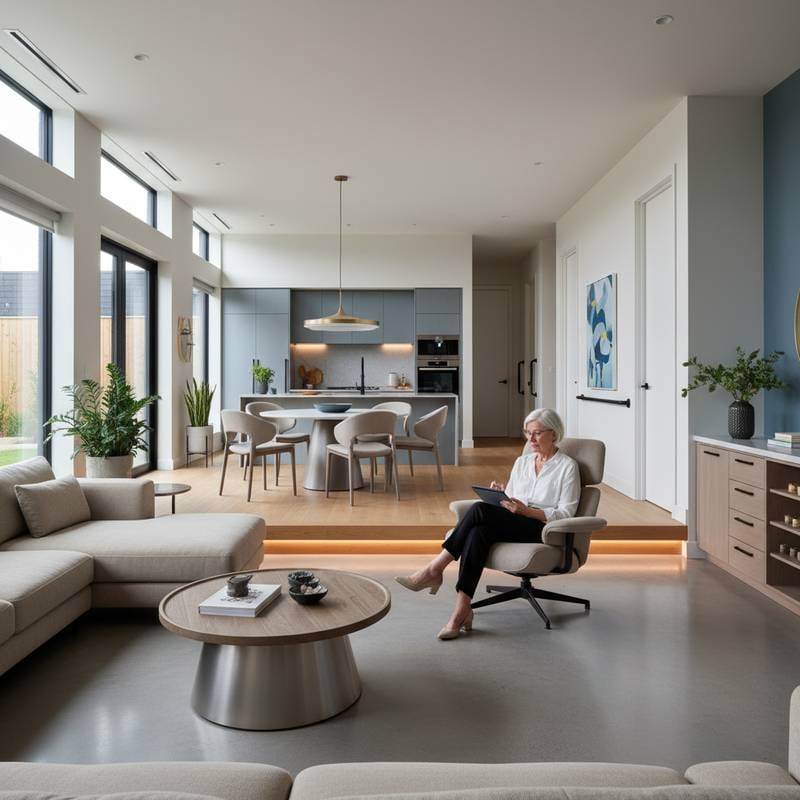
Universal design investments enable prolonged, secure residence in familiar surroundings while preserving comfort and autonomy. Initiate with high-priority elements like enhanced lighting, stable flooring, and supportive grab bars. Collaborate with professionals on extensive structural updates to satisfy regulations and safeguard home equity.