Essential Home Modifications for Senior Independence
Aging in place allows seniors to remain in their familiar surroundings while maintaining autonomy. Home modifications play a crucial role in achieving this goal by addressing common challenges associated with mobility and safety. These changes range from simple adjustments to more involved renovations, all designed to minimize risks and enhance daily living.
The benefits extend beyond immediate safety. Well-planned updates can reduce the need for institutional care, lower long-term healthcare costs, and improve overall quality of life. Families and caregivers often find that investing in these adaptations provides peace of mind and supports independent living for years to come.
Understanding the Need for Modifications
As individuals age, physical changes such as reduced balance, weaker grip strength, and slower reflexes become more pronounced. These factors increase the likelihood of accidents, particularly in homes designed for younger, more agile occupants. Falls, for instance, account for a significant portion of injuries among seniors, often occurring in predictable areas like stairs or bathrooms.
Modifications address these vulnerabilities by creating an environment that aligns with current abilities. The goal is to anticipate potential hazards and incorporate features that promote ease of movement. Planning ahead ensures that changes integrate seamlessly into existing spaces without disrupting the home's aesthetic or functionality.
Consulting with occupational therapists or aging-in-place specialists can provide personalized insights. These professionals assess individual needs and recommend tailored solutions. Early intervention prevents reactive, costly fixes later on.
Enhancing Entryways and Pathways
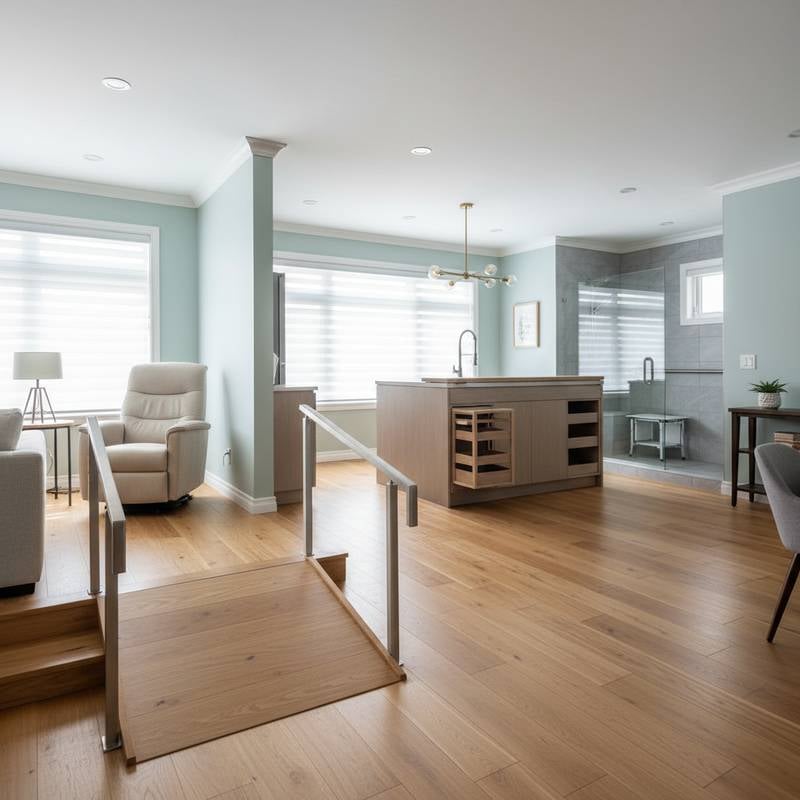
Entryways serve as the gateway to the home, and ensuring safe access is paramount. Installing a ramp replaces steps, offering a gradual incline that accommodates wheelchairs or walkers. Ramps should feature non-slip surfaces and handrails on both sides for added stability.
Widen doorways to at least 32 inches to allow unobstructed passage for mobility aids. Thresholds pose tripping hazards, so remove or bevel them to create smooth transitions. Automatic door openers provide hands-free entry, especially useful for those carrying items or using assistive devices.
Clear pathways inside by rearranging furniture to eliminate clutter. Hallways benefit from increased lighting and contrasting colors on edges to improve visibility. These adjustments facilitate confident navigation throughout the day and night.
Bathroom Safety Upgrades
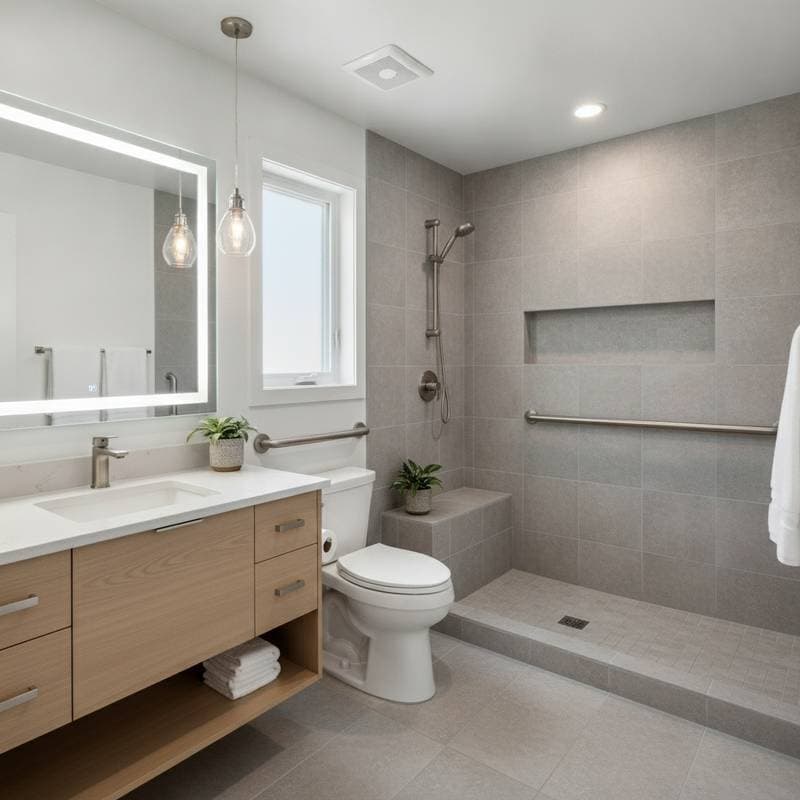
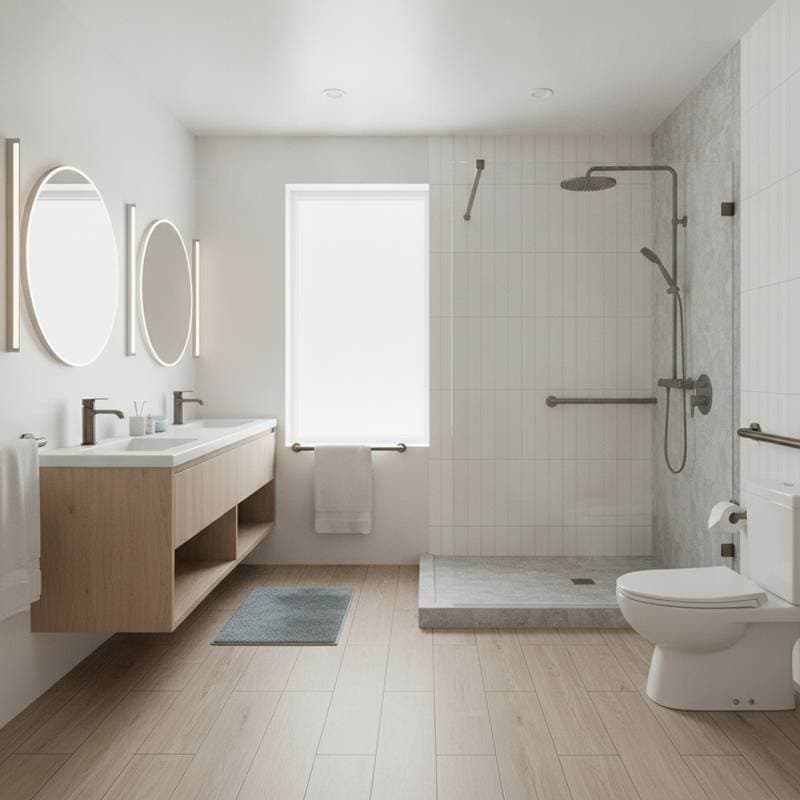
Bathrooms present high-risk areas due to slippery surfaces and confined spaces. Grab bars installed near toilets and showers offer essential support during transfers. Position them at waist height for optimal leverage, securing them into wall studs for durability.
Convert traditional tubs to walk-in showers with low or no curbs. Fold-down seats and handheld showerheads enable seated bathing, reducing strain and fall risks. Non-slip mats and textured flooring further enhance traction.
Lever-style faucets replace twist handles, easing operation for arthritic hands. Raised toilet seats or bidets add comfort and hygiene without requiring full replacements. These features transform the bathroom into a secure, user-friendly space.
Kitchen Adaptations for Ease of Use
Kitchens demand frequent interaction, making ergonomic design vital. Lower countertops or install pull-out sections to accommodate seated preparation. Adjustable-height islands allow flexibility for standing or sitting tasks.
Reorganize storage with pull-out shelves and lazy Susans to minimize bending and reaching. Place frequently used items at waist level to avoid overhead straining. Soft-close cabinets prevent slamming and finger injuries.
Appliance modifications include front-loading washers and dryers at accessible heights. Lever handles on refrigerators and ovens simplify access. These changes streamline cooking and cleaning, preserving nutritional independence.
Lighting and Visibility Improvements
Adequate lighting reduces accidents by illuminating potential obstacles. Install motion-sensor lights in hallways, stairways, and exterior areas to activate automatically. Layered lighting combines overhead fixtures with task-specific lamps for versatile illumination.
Switch to LED bulbs for energy efficiency and longevity. Dimmable options allow customization based on time of day or activity. Night lights with ground-level glow guide safe movement during low-visibility periods.
Contrast plays a key role in visibility. Use dark switch plates against light walls and vice versa. Floor coverings with defined edges help delineate steps and transitions. These subtle enhancements significantly boost orientation and confidence.
Smart Technology Integration
Technology offers innovative solutions for monitoring and assistance. Voice-activated systems control lights, thermostats, and locks without physical effort. Smart sensors detect falls and alert caregivers or emergency services promptly.
Automated medication dispensers ensure timely doses, reducing forgetfulness risks. Video doorbells provide security without requiring quick responses to the door. These tools integrate discreetly, enhancing safety while respecting privacy.
Choose user-friendly interfaces with large buttons and clear audio feedback. Professional installation ensures compatibility with existing home systems. Such integrations future-proof the home against advancing needs.
Cost Considerations and Planning
Budgeting for modifications varies by scope and materials. Simple additions like grab bars cost under 200 dollars each, while full bathroom remodels range from 5,000 to 15,000 dollars. Ramps and widening projects fall between 1,000 and 5,000 dollars depending on length and site preparation.
DIY options suit basic tasks such as installing non-slip strips or adjusting shelves. Gather tools and follow manufacturer guidelines for secure results. For structural changes, hire licensed contractors experienced in accessibility standards.
Explore funding sources including grants, tax credits, or veteran benefits. Local aging agencies often provide resources and referrals. Prioritize high-impact areas to maximize value within financial constraints.
Professional Guidance and Maintenance
Engage experts early to align modifications with universal design principles. These standards ensure adaptability for all ages and abilities. Architects specializing in aging-in-place can draft plans that blend form and function.
Regular maintenance preserves the longevity of upgrades. Inspect grab bars quarterly for tightness and clean non-slip surfaces to maintain grip. Update smart devices with software patches for optimal performance.
Annual professional assessments identify emerging needs. Adjust as mobility evolves to sustain independence. This proactive approach keeps the home a supportive environment over time.
Realizing the Rewards of Adapted Living
Implementing these modifications fosters a sense of security and empowerment. Seniors gain confidence in performing daily routines, strengthening emotional well-being. Family dynamics improve as concerns about safety diminish.
Long-term, these investments yield substantial returns through avoided medical expenses and preserved home equity. Communities benefit from reduced strain on healthcare systems. Ultimately, adapted homes enable vibrant, self-directed lives well into later years.