Real Costs of Accessible Remodels in 2026
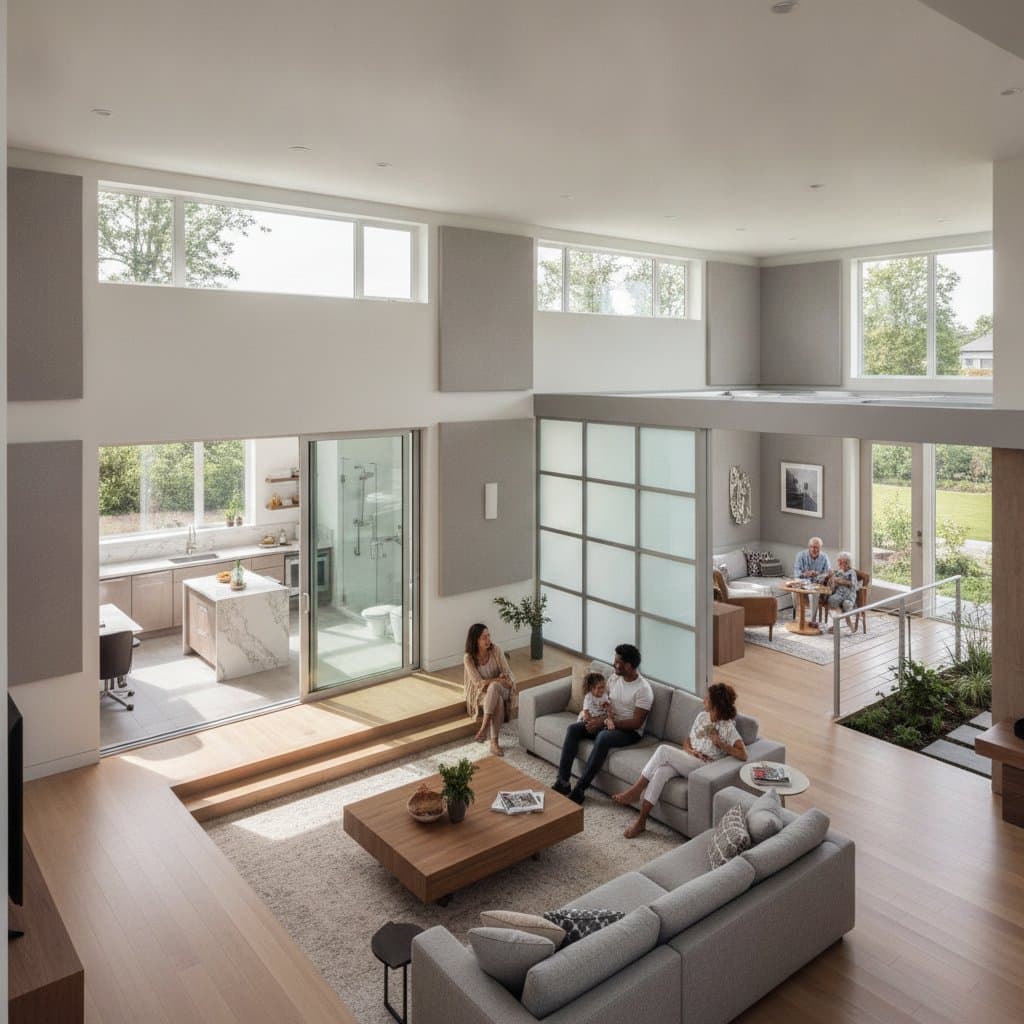
Universal design remodels enhance home accessibility for all ages and abilities, ensuring spaces remain functional throughout life changes. These upgrades address barriers in daily living, from mobility challenges to aging in place. In 2026, costs reflect advanced materials, labor rates, and regulatory updates, yet strategic planning yields long-term value.
Homeowners increasingly prioritize these modifications amid rising life expectancies and inclusive living trends. This guide details pricing, essential elements, and practical strategies to balance budgets with quality. Understanding these aspects empowers informed decisions for durable, welcoming homes.
Understanding Universal Design Principles
Universal design focuses on creating environments usable by everyone, regardless of ability. Core principles include equitable use, flexibility, and simple operation. For remodels, this translates to features like wide doorways and lever handles that benefit all residents.
In 2026, standards evolve with technology integration, such as smart controls for lighting and climate. These principles not only comply with accessibility codes but also boost property appeal. Early adoption prevents costly retrofits later.
Professionals recommend starting with a home assessment to identify needs. This step reveals opportunities for seamless integration, avoiding piecemeal changes. Resulting spaces feel intuitive and supportive.
Essential Areas for Accessible Upgrades
Kitchens demand attention for safe, efficient layouts. Install lower counters with adjustable heights and pull-out shelves for reachability. Non-slip flooring and touchless faucets minimize hazards and effort.
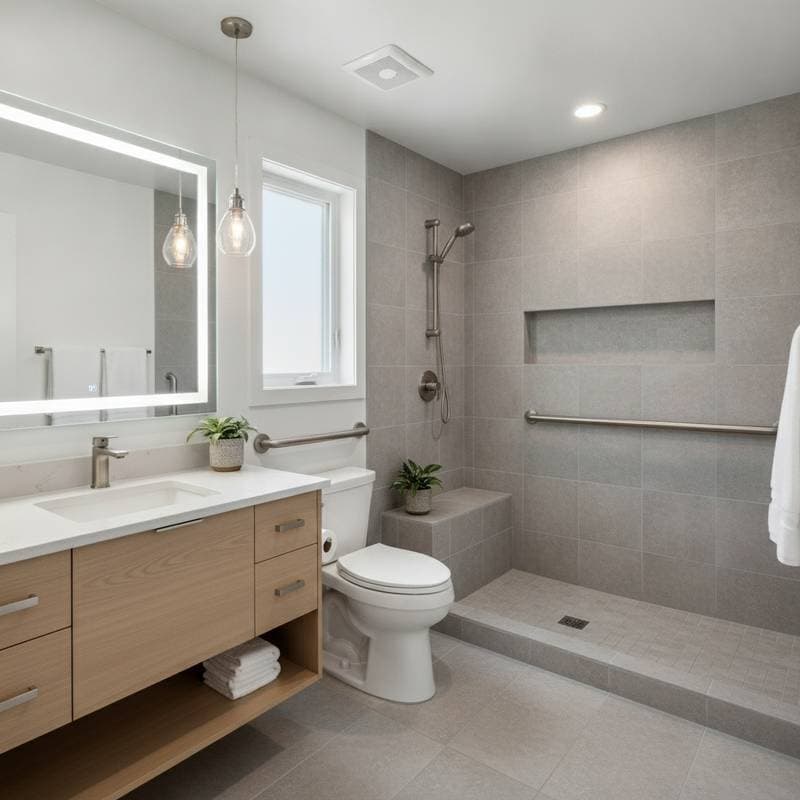
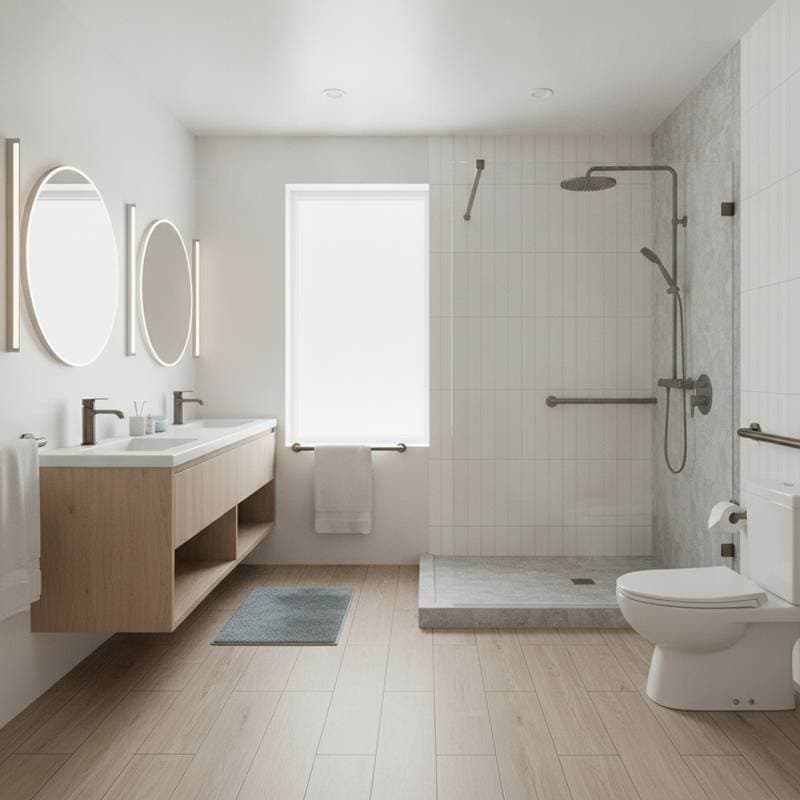
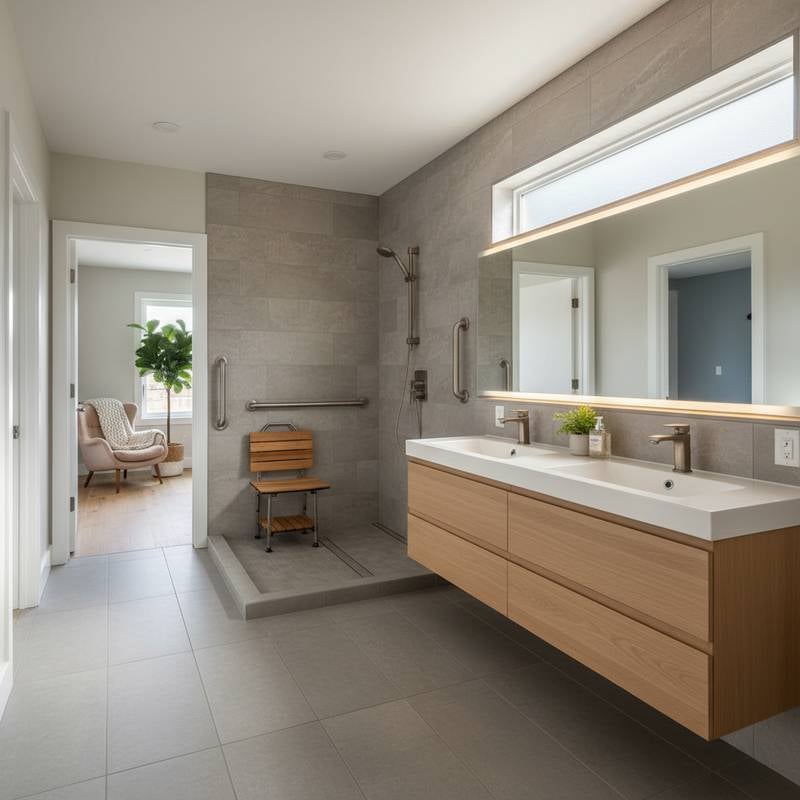
Bathrooms require grab bars, curbless showers, and raised toilets for stability. Heated floors add comfort, while motion-sensor lighting ensures visibility. These elements reduce fall risks, a primary concern for older adults.
Entryways and hallways benefit from zero-threshold doors and ramped approaches. Hallway widening to 36 inches accommodates wheelchairs. Smart locks and keyless entry streamline access.
Outdoor spaces include level pathways and handrails on stairs. Sensor-activated gates enhance security without complexity. Each area contributes to a cohesive, navigable home.
Detailed Cost Breakdown for 2026
Budgeting begins with average project expenses, adjusted for location and scope. A full kitchen remodel ranges from $25,000 to $60,000, depending on custom cabinetry and appliances. Basic accessibility additions, like hardware swaps, cost $2,000 to $5,000.
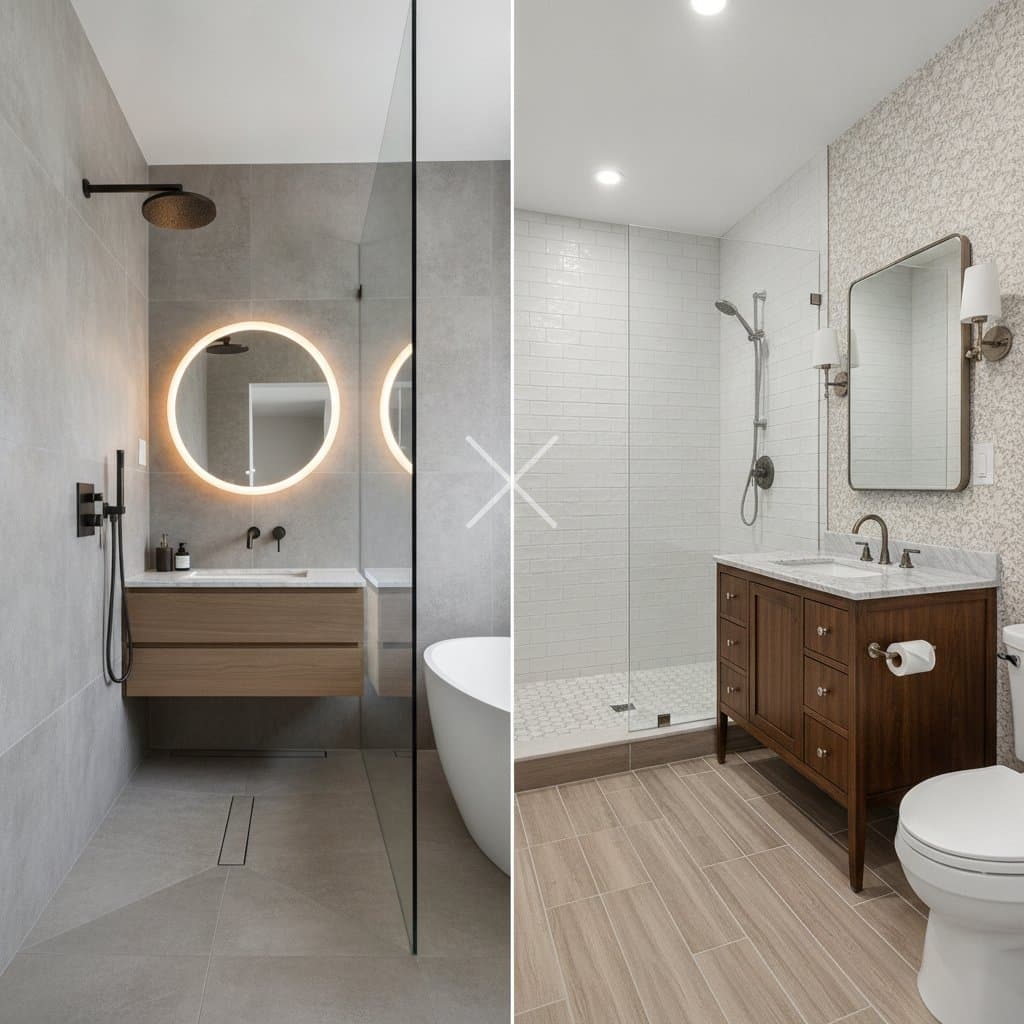
Bathroom overhauls average $15,000 to $40,000, with premium waterproofing and fixtures pushing higher. Simple grab bar installations start at $500 per unit, including reinforcement. Whole-home audits by specialists run $300 to $800.
Entry modifications, such as door replacements, fall between $1,500 and $4,000 per opening. Ramp construction for exteriors costs $2,000 to $10,000, based on length and materials. Technology integrations, like voice-activated systems, add $1,000 to $3,000.
Labor constitutes 40 to 60 percent of totals, with material costs rising due to sustainable sourcing. Permits and inspections add 5 to 10 percent. These figures account for 2026 inflation and supply chain stabilization.
Factors Influencing Remodel Expenses
Location drives variations; urban areas incur higher labor and permitting fees than rural settings. Material choices matter: durable composites outperform basic options in longevity and upkeep.
Project scale affects pricing; phased implementations spread costs over time. Hiring certified contractors ensures compliance, though premiums apply for expertise in universal design.
Economic trends, including material shortages, influence 2026 rates. Energy-efficient features qualify for rebates, offsetting expenses. Custom versus stock elements also sway budgets significantly.
Unexpected discoveries, like structural issues, can increase costs by 20 percent. Thorough planning mitigates surprises through detailed blueprints and contingency funds.
Strategies for Budget-Friendly Planning
Conduct a professional evaluation to prioritize high-impact changes. Focus on multi-use features that serve current and future needs, maximizing return on investment.
Explore financing options, including home equity loans or grants for accessibility. DIY elements, such as painting or minor hardware, suit skilled homeowners but require safety adherence.
Source materials from reliable suppliers to avoid markups. Collaborate with designers experienced in inclusive spaces for efficient layouts. Track expenses with spreadsheets for transparency.
- Assess current home layout for barriers.
- Set a realistic budget with 15 percent buffer.
- Obtain multiple contractor quotes.
- Review local incentives and codes.
- Schedule work in off-peak seasons for savings.
These steps streamline the process and align outcomes with financial goals.
Achieving Lasting Value Through Accessibility
Investing in 2026 remodels elevates home functionality and marketability. Properties with universal features sell faster and at premiums of 5 to 10 percent. Enhanced safety and comfort improve quality of life for occupants.
Long-term savings emerge from reduced maintenance and energy use. Families gain peace of mind knowing spaces adapt to evolving needs. Professional guidance ensures projects meet rigorous standards.
Start planning today to transform your home into an inclusive haven. These upgrades create environments that welcome everyone, fostering independence and joy.