Universal Design Principles for Safer Aging at Home
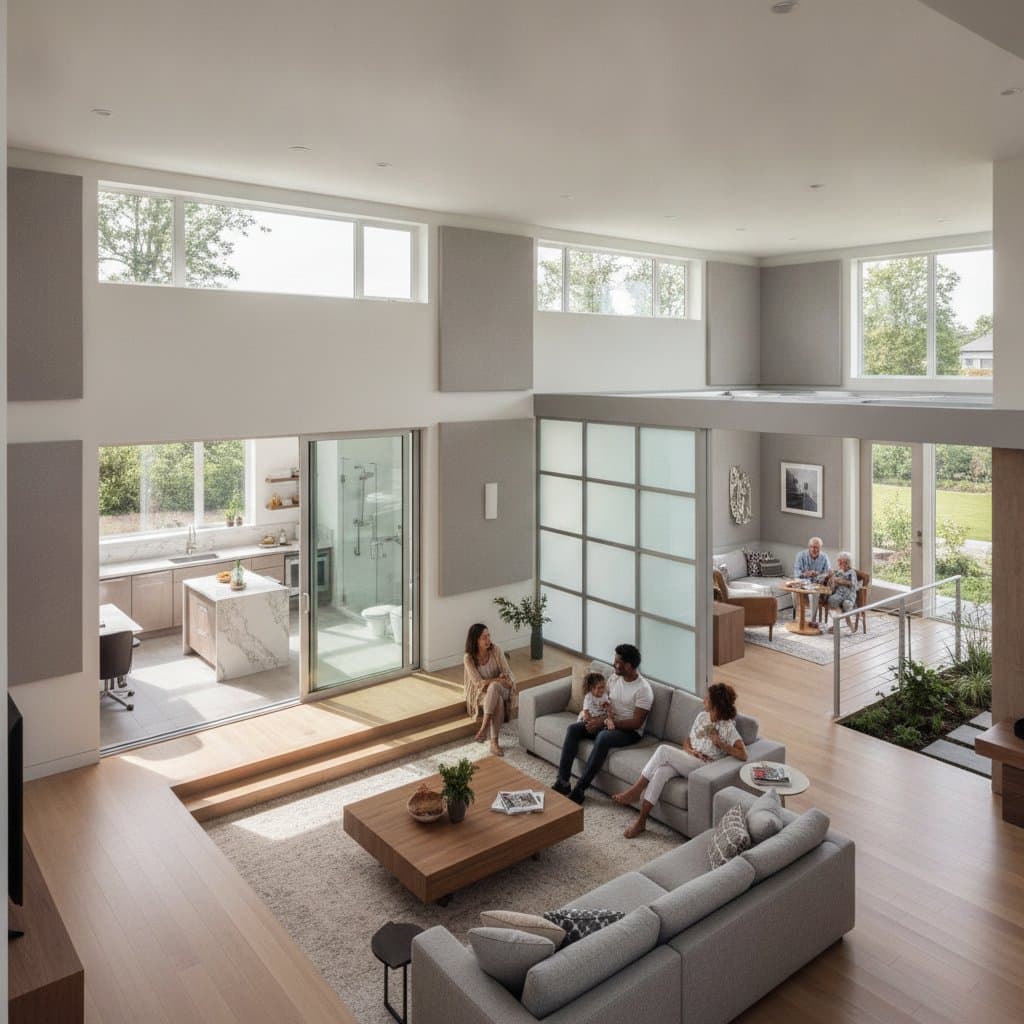
Universal design integrates accessibility into everyday living spaces, allowing individuals of all ages and abilities to navigate homes without barriers. These features focus on preventing falls by eliminating hazards like steep steps, narrow passages, and slippery surfaces. Implementing them early ensures long-term safety and comfort.
Overview of Key Benefits
Universal design upgrades reduce injury risks, enhance mobility, and maintain aesthetic appeal. Homeowners gain independence, while property values increase due to improved functionality. This approach supports aging in place, avoiding the need for relocation later in life.
Estimating Costs and Timelines
Universal design modifications range from simple additions to comprehensive renovations, with total expenses typically falling between $5,000 and $50,000. Factors influencing costs include the home's size, material quality, and extent of structural alterations. Local regulations may require permits, adding to both time and expense.
Primary cost considerations:
- Home dimensions and rooms targeted for changes
- Selection of durable, low-maintenance materials
- Necessity of structural adjustments, such as cabinet height reductions or doorway expansions
- Regional labor costs and compliance with building codes
Project timelines:
- Minor DIY adjustments: 1 to 2 weeks
- Extensive professional overhauls: 4 to 12 weeks
Most projects rate as moderate to advanced in difficulty. Simple installations suit capable homeowners, but complex work demands certified professionals to guarantee compliance and durability.
Choosing Between DIY and Professional Approaches
Homeowners with basic skills can handle certain enhancements independently, saving on labor fees. However, tasks involving load-bearing elements or code adherence require expert intervention to prevent safety issues.
Suitable for DIY:
- Fitting lever-style door handles for easier grip
- Placing non-slip mats on high-traffic floors
- Swapping traditional knobs for D-shaped drawer pulls
- Enhancing illumination with accessible switch placements
Best handled by professionals:
- Expanding doorways or corridors to accommodate wheelchairs
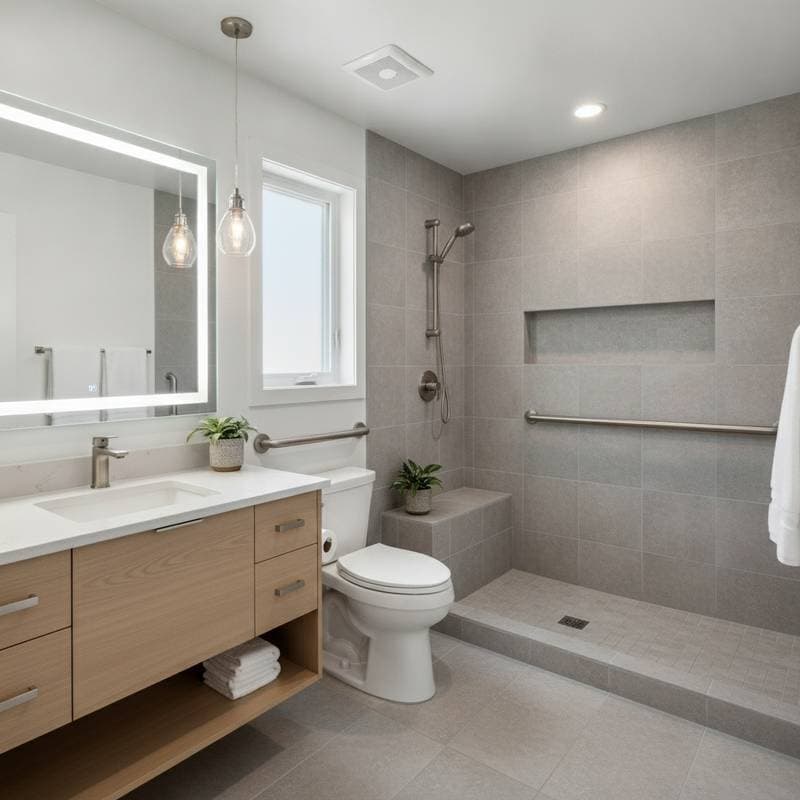
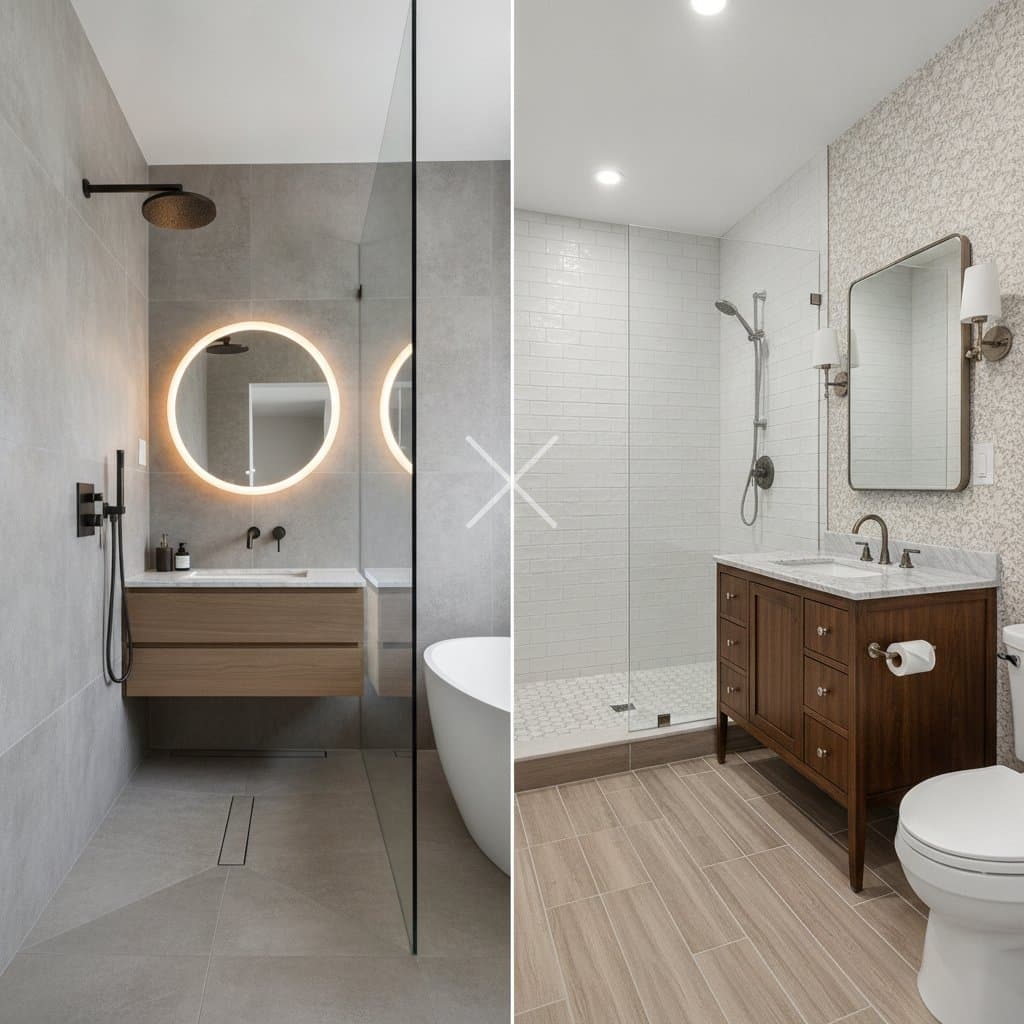
- Retrofitting bathrooms with curbless showers or walk-in tubs
- Upgrading wiring for automated lighting systems
- Constructing exterior ramps or installing stairlifts
Financial breakdown:
- DIY basics: $500 to $2,000
- Full professional transformations: $15,000 to $50,000, scaled by project scope
Detailed Guide to Implementing Upgrades
Follow these steps to integrate fall-prevention features effectively. Each phase builds on the previous, creating a cohesive, hazard-free home.
1. Enhancing Entryways for Smooth Access
Begin outside by replacing abrupt steps with a ramp featuring a 1:12 slope ratio, meaning one inch of rise for every 12 inches of run. Include a 5-foot by 5-foot landing platform to facilitate turns for mobility devices. Install sturdy handrails on both sides, positioned 34 to 38 inches above the surface.
Verification step: Test stability by applying pressure; the structure must remain firm without wobbling.
2. Expanding Pathways and Openings
Upgrade standard 30-inch doors to 36-inch widths to permit passage of walkers or wheelchairs. Carefully dismantle existing trim, then frame and install broader jambs using shims for a level fit. Ensure thresholds stay below 0.5 inches to avoid tripping.
Verification step: Swing doors fully open and maneuver a standard wheelchair through without resistance.
3. Securing Bathrooms Against Slips
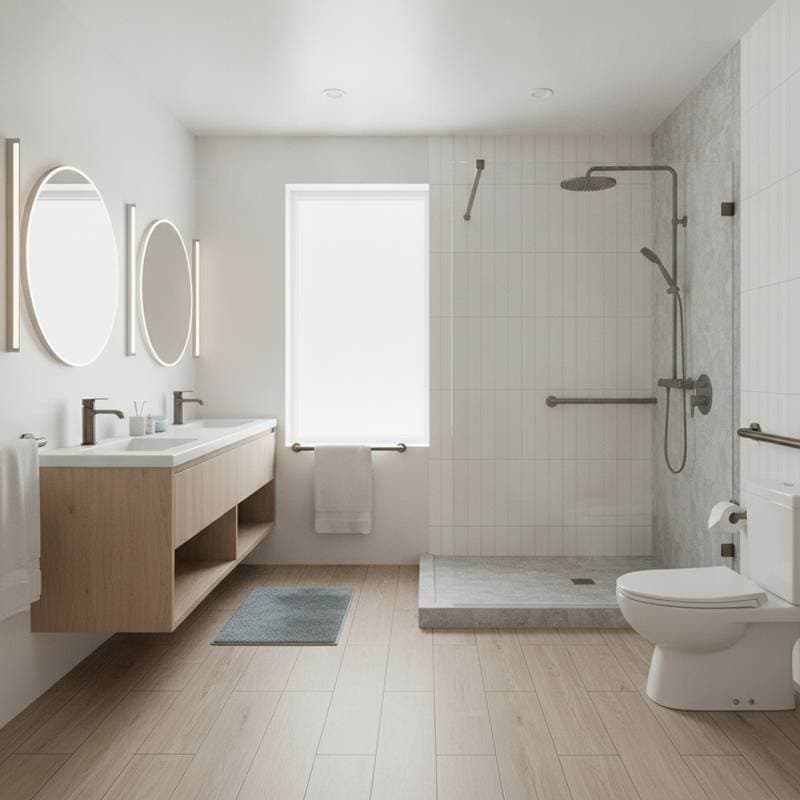
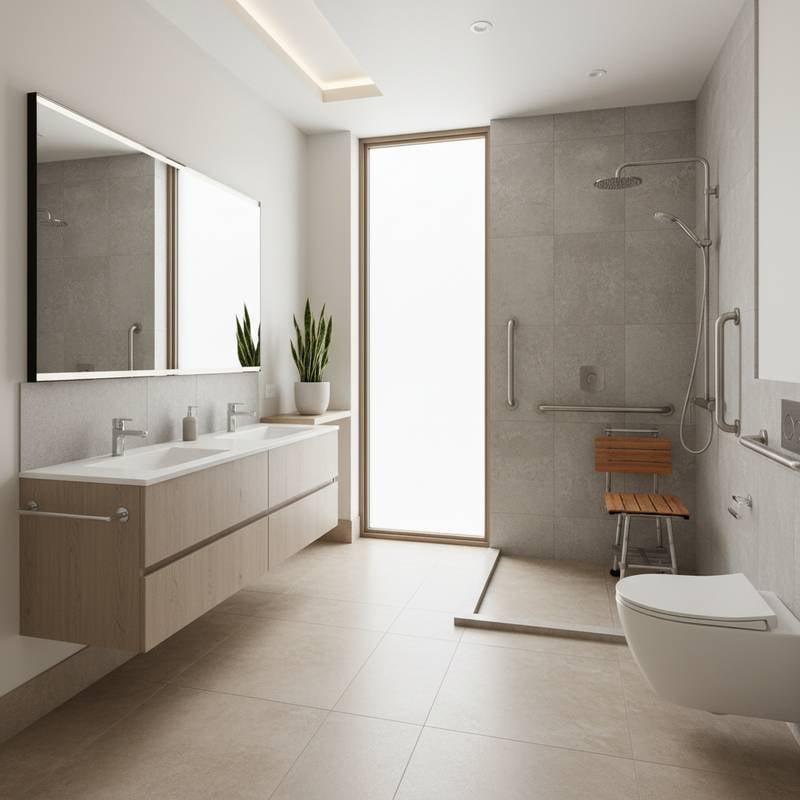
Convert traditional tubs to low-threshold walk-in showers with integrated benches. Position grab bars at 33 to 36 inches high near toilets and entry points, securing them directly to wall studs with corrosion-resistant hardware. Opt for porcelain or vinyl tiles rated for wet environments with a coefficient of friction above 0.6.
Verification step: Simulate use under wet conditions; confirm surfaces resist sliding and supports hold firm.
4. Optimizing Kitchen Ergonomics
Reduce counter heights to 34 inches to accommodate seated users, reinforcing supports if needed. Incorporate pull-out shelves and lazy Susans in cabinets for reachable storage. Select touchless or single-lever faucets with extendable hoses to minimize reaching strains.
Verification step: Sit at the counter and access all items; adjust as necessary for unobstructed reach.
5. Boosting Visibility with Smart Lighting
Incorporate motion-activated LED fixtures in corridors, bathrooms, and stairwells to eliminate dark spots. Mount rocker switches at 42 inches from the floor for wheelchair access. Aim for 20 to 30 foot-candles of illumination throughout, using diffusers to soften glare.
Verification step: Walk through spaces at night; ensure even lighting covers all areas without shadows or bright spots.
Essential Safety Precautions
Prioritize protection during installations to avoid accidents. Wear closed-toe, slip-resistant footwear in moisture-prone areas like bathrooms. For any electrical work, disconnect power at the main breaker and use a voltage tester to confirm safety.
Recommended equipment:
- Protective eyewear during sawing or fastening
- Gripping gloves for secure tool handling
- Padding for knees when kneeling on hard surfaces
Consult professionals immediately if unfamiliar with procedures, as improper execution can introduce new hazards.
Resolving Issues and Ensuring Quality
Anticipate challenges to maintain project integrity. If grab bars loosen, reinforce with heavy-duty anchors supporting 250 pounds or more. For ramps, check levelness with a spirit tool and tighten all bolts.
Ongoing quality assessments:
- Measure doorways to confirm 36-inch clearances
- Inspect floors for level transitions under 0.25 inches
- Tug on all supports to verify stud anchorage
Address problems promptly to uphold safety standards.
Handling Debris and Final Touches
During renovations, segregate waste materials like old tiles or hardware for eco-friendly disposal at designated facilities. Vacuum and wipe down all surfaces post-installation to prepare for new finishes. This step preserves cleanliness and prevents dust-related slips.
Sustaining Features Over Time
Conduct biannual inspections of handrails, ramps, and bars for wear, tightening fasteners and treating metal against rust. Refresh non-slip mats or flooring every few years based on usage. LED systems endure 25,000 hours but benefit from yearly lumen checks to sustain brightness.
Routine care extends usability, often matching the home's lifespan with minimal additional investment.
Engaging Experts for Complex Work
Opt for professionals when projects involve plumbing rerouting, electrical overhauls, or load-bearing modifications. Select contractors experienced in accessibility to navigate codes efficiently.
Hiring essentials:
- Confirm active licensing and liability coverage
- Review portfolios of similar adaptive projects
- Secure detailed contracts with workmanship guarantees
- Ensure adherence to ADA or local standards
Expect investments from $15,000 to $50,000 for thorough adaptations.
Strategies for Effective Implementation
Initiate planning during stable health periods to avoid rushed decisions. Integrate sustainable elements, like energy-saving lights, to offset long-term expenses. Select versatile, timeless materials that adapt to evolving needs.
Validate each upgrade by testing from various positions, ensuring intuitive use for all household members.
Embracing Independence Through Thoughtful Design
Universal design fosters environments where safety and style coexist, empowering residents to age gracefully within familiar surroundings. Features such as seamless showers, expansive routes, and reliable lighting preserve autonomy while elevating daily living. With strategic foresight, these enhancements deliver enduring security and satisfaction.