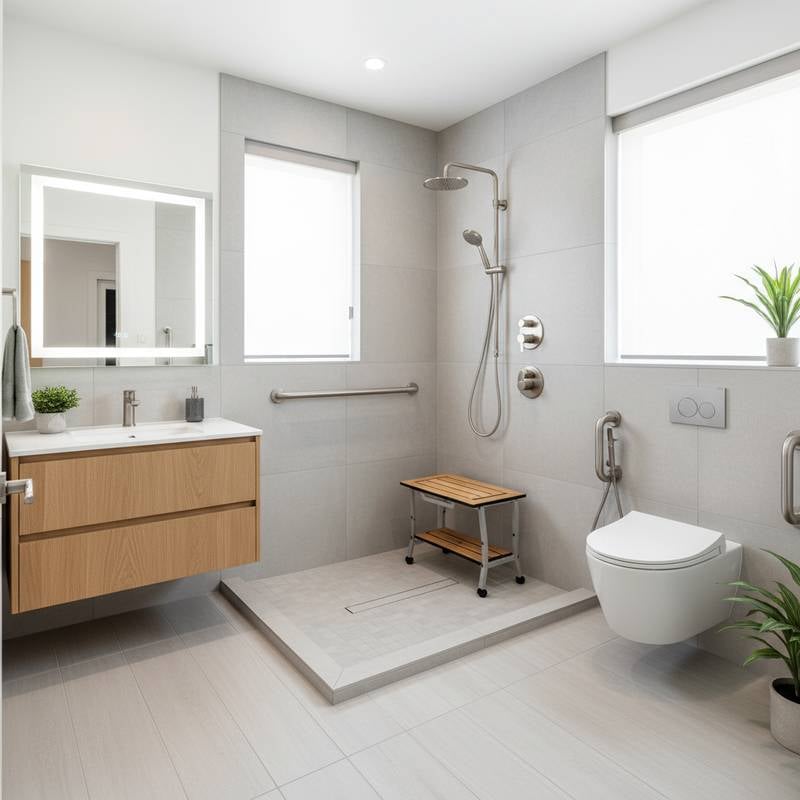
Understanding 2026 Aging-in-Place Bathroom Remodel Costs
Aging in place requires a home environment that adapts to changing needs over time. The bathroom stands out as a critical area for enhancements that promote safety, ease of use, and personal independence. This comprehensive guide examines projected costs for 2026 remodels, highlights influential factors, and outlines essential upgrades to help you design a space that supports long-term comfort without compromising aesthetics or functionality.
Readers will gain insights into budget planning, feature selections, and professional considerations. By focusing on practical details, this resource equips you to make decisions that align with your lifestyle and financial parameters.
Key Factors Influencing Remodel Expenses
Several elements determine the overall investment in an aging-in-place bathroom remodel. Grasping these components allows for better forecasting and resource allocation. Below, we detail the primary drivers of cost in 2026 projections.
-
Bathroom Dimensions and Layout Complexity
Space size directly impacts material quantities and installation time. A compact 50-square-foot bathroom might require precise adjustments to fit accessibility features, while a larger 100-square-foot area demands more extensive plumbing rerouting. Consider measuring your current layout early to estimate material needs accurately. -
Plumbing and Electrical Modifications
Repositioning pipes for a new shower or vanity often involves cutting into walls and floors, which elevates labor charges. Electrical updates, such as installing outlets for heated floors or voice-activated lighting, require licensed specialists to ensure code compliance. These changes can add 20 to 30 percent to the total budget, depending on the extent of reconfiguration. -
Quality and Variety of Fixtures
Options range from basic stainless steel grab bars at around $50 each to designer models with integrated sensors costing up to $300. Handheld showerheads with adjustable heights start at $100, while comfort-height toilets in durable porcelain finish at $400 or more. Selecting mid-grade materials balances longevity with affordability, reducing future replacement expenses. -
Specialized Accessibility Adaptations
Installing a curbless shower involves creating a sloped floor for proper drainage, which may necessitate waterproof membrane applications and tile work. Widening doorways to 36 inches or reinforcing walls for future grab bar additions requires structural reinforcements like blocking behind drywall. These modifications, essential for mobility, typically account for 15 to 25 percent of the project cost. -
Labor Rates and Contractor Specialization
In 2026, expect hourly rates for skilled trades to range from $75 to $150, influenced by regional markets and demand for universal design expertise. Contractors familiar with ADA guidelines charge a premium but deliver installations that withstand daily use. Factor in permitting fees, which vary by locality but often total $500 to $1,500. -
Material and Supply Fluctuations
Economic trends, such as rising costs for eco-friendly tiles or composite countertops, will shape 2026 pricing. Opt for low-VOC paints and slip-resistant vinyl flooring to meet sustainability standards without excessive markup. Sourcing from local suppliers can mitigate transportation surcharges.
Budget Tiers for Aging-in-Place Remodels
Projects span a spectrum of investments, each offering distinct levels of enhancement. The following breakdowns provide clarity on inclusions, projected costs, and outcomes. Use these tiers to match your priorities, whether emphasizing essentials or comprehensive luxury.
Essential Safety-Focused Remodel
This entry-level approach prioritizes core safety elements with minimal disruption to the existing structure. It suits homeowners seeking immediate improvements on a constrained budget.
Core Inclusions:
- Installation of two to four grab bars in key locations, such as near the toilet and shower.
- Replacement of flooring with textured, non-slip tiles or mats rated for wet areas.
- Upgrade to a comfort-height toilet (17 to 19 inches) for easier access.
- Addition of motion-sensor lighting to reduce fall risks in low-visibility conditions.
Projected 2026 Cost Range: $5,000 to $10,000, including basic materials and standard labor.
Expected Outcomes: The space becomes reliably safe for daily routines, though it retains much of the original design. This tier prevents accidents while preserving funds for other home areas.
Balanced Accessibility and Style Remodel
Building on essentials, this mid-tier incorporates layout tweaks and user-friendly features for smoother navigation. It appeals to those desiring both practicality and visual appeal.
Core Inclusions:
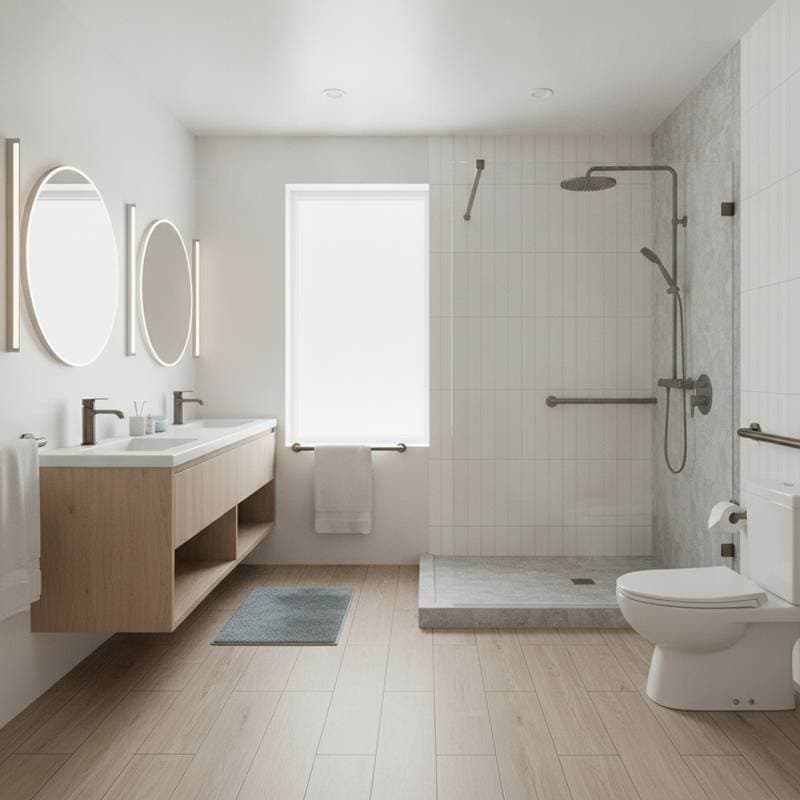
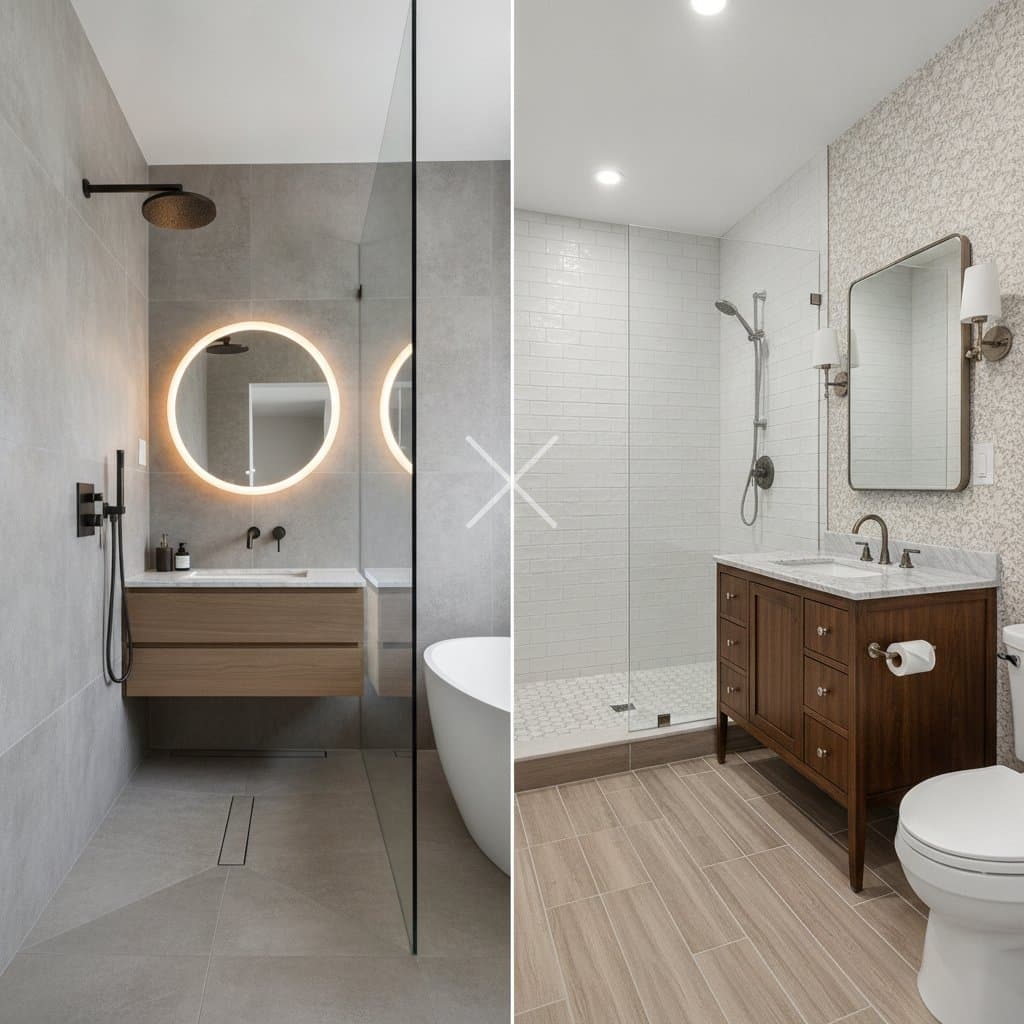
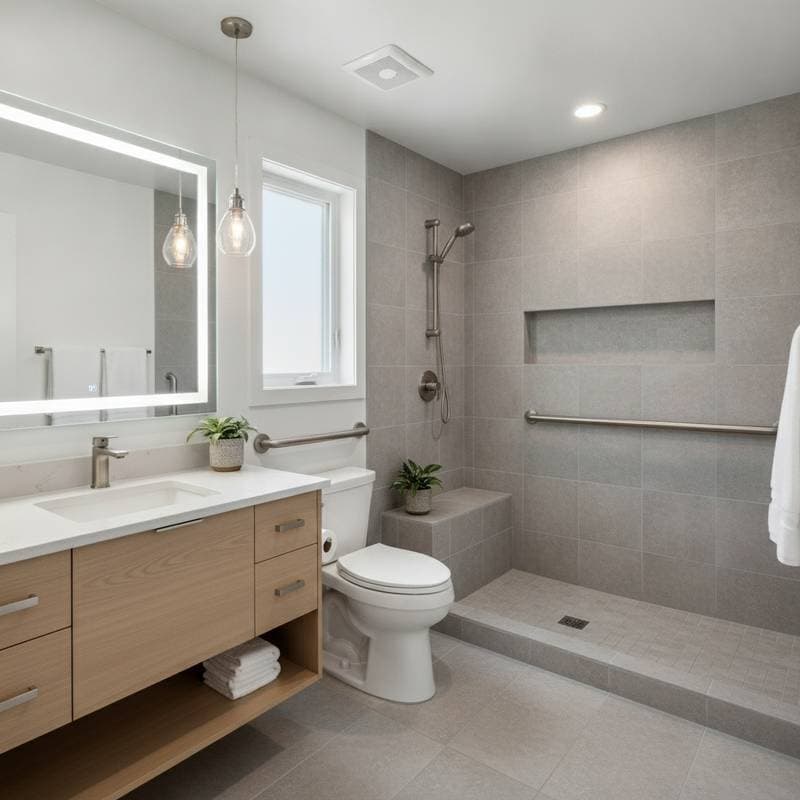
- Conversion to a curbless shower with a linear drain and fold-down bench seat.
- Reinforcement of walls in shower and vanity zones for secure grab bar mounting.
- Expansion of the doorway to 32 to 36 inches with lever-style handles.
- Installation of an accessible vanity with open storage below for wheelchair clearance.
Projected 2026 Cost Range: $12,000 to $25,000, accounting for moderate structural work and quality fixtures.
Expected Outcomes: Daily tasks feel effortless, with a design that integrates seamlessly into the home's aesthetic. Enhanced independence reduces reliance on assistance, fostering confidence.
Premium Universal Design Remodel
This top-tier option delivers a fully customized space blending cutting-edge accessibility with high-end finishes. It targets individuals planning for decades of use.
Core Inclusions:
- Bespoke cabinetry with pull-out shelves and touchless faucets.
- Integration of smart home systems, including voice-controlled mirrors and automated shades.
- Radiant heated flooring connected to energy-efficient thermostats.
- Luxury fixtures like rainfall showerheads and zero-threshold entryways with premium stone surrounds.
Projected 2026 Cost Range: $30,000 to $60,000 or more, reflecting advanced technology and artisanal craftsmanship.
Expected Outcomes: The bathroom evolves into a serene retreat that anticipates needs, combining elegance with unwavering support. Long-term value appreciates through durability and adaptability.
The Value of Professional Involvement
While some updates appear straightforward, aging-in-place remodels demand precision to avoid hazards. Attempting DIY alterations to plumbing or electrical systems risks leaks, shocks, or structural weaknesses. Engage certified professionals early to conduct site assessments and draft detailed plans.
Experts in universal design navigate local building codes, such as those mandating 60-inch turning radii for mobility aids. They also recommend phased implementations, like starting with grab bars before full shower overhauls. This approach minimizes downtime and ensures warranties cover all work.
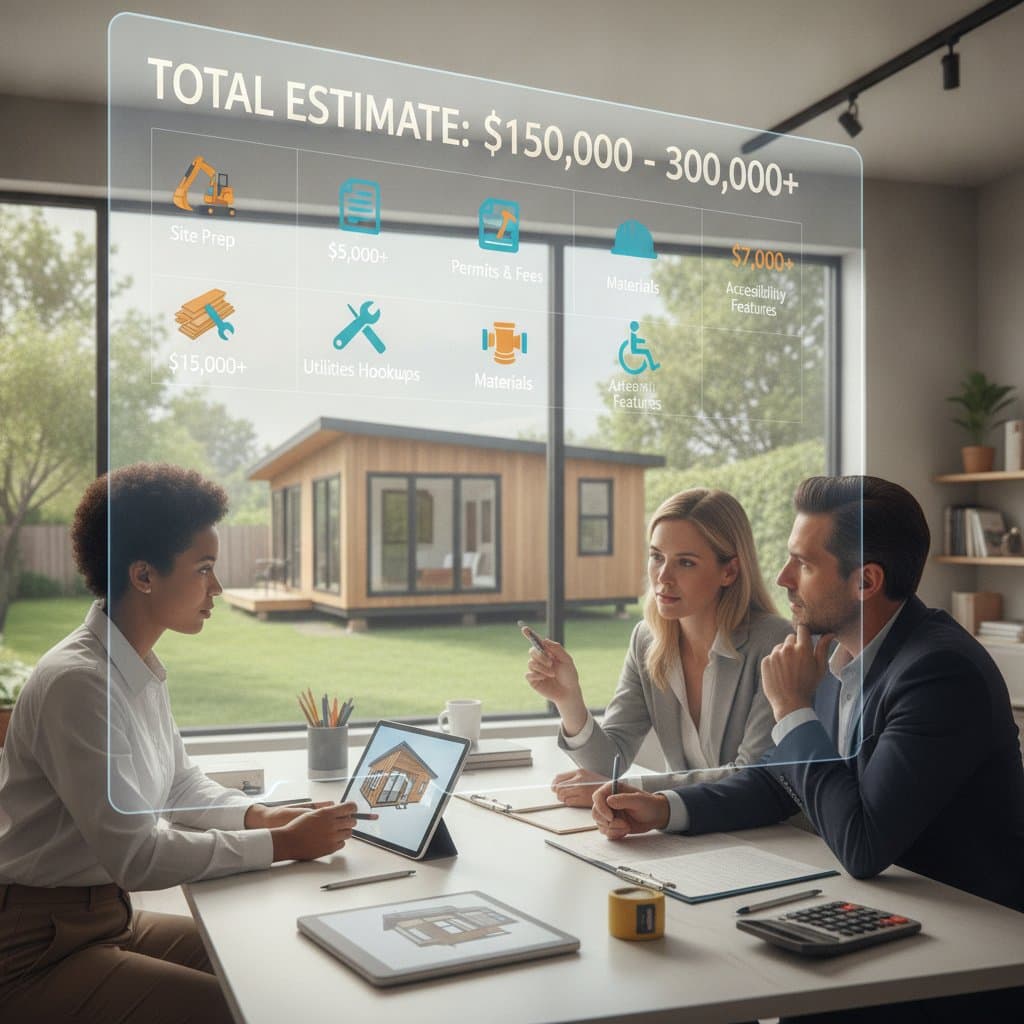
Selecting a contractor involves reviewing portfolios of similar projects and verifying licenses. Request itemized bids that separate labor from materials for transparency. Professional oversight not only safeguards investments but also unlocks rebates for energy-efficient upgrades in 2026.
Maximizing Daily Comfort Post-Remodel
A completed remodel transforms routine activities into seamless experiences. Thoughtful lighting eliminates shadows around mirrors, while intuitive controls simplify operations for varying abilities. The overall layout encourages fluid movement, reducing physical strain.
Preserve these benefits through routine upkeep. Inspect grab bars quarterly for tightness, using a torque wrench to confirm secure fittings. Wipe down surfaces promptly to maintain non-slip properties, and schedule annual professional checks for plumbing integrity.
Incorporate personal touches to enhance enjoyment. Select warm color palettes and textured fabrics for a welcoming atmosphere. Over time, these elements cultivate a sense of empowerment and tranquility in your home sanctuary.
Steps to Initiate Your Remodel Planning
Embark on your project by evaluating current challenges, such as narrow pathways or inadequate lighting. Compile a wishlist of priorities, then consult multiple contractors for tailored quotes. Allocate a contingency fund of 10 to 15 percent to address unforeseen issues.
Timeline wisely: Begin designs in early 2026 to align with supply availability. Track progress with weekly check-ins to stay aligned with goals. Ultimately, this investment secures a bathroom that nurtures well-being for years ahead, blending foresight with practical wisdom.