Mass Timber Construction Costs and Benefits in 2026
Mass timber construction attracts attention for its combination of visual appeal, structural performance, and environmental attributes. Project planners benefit from understanding both the cost drivers and the performance gains before committing to this material. The following sections break down pricing factors and long-term advantages with practical detail.
Primary Cost Drivers in Mass Timber Projects
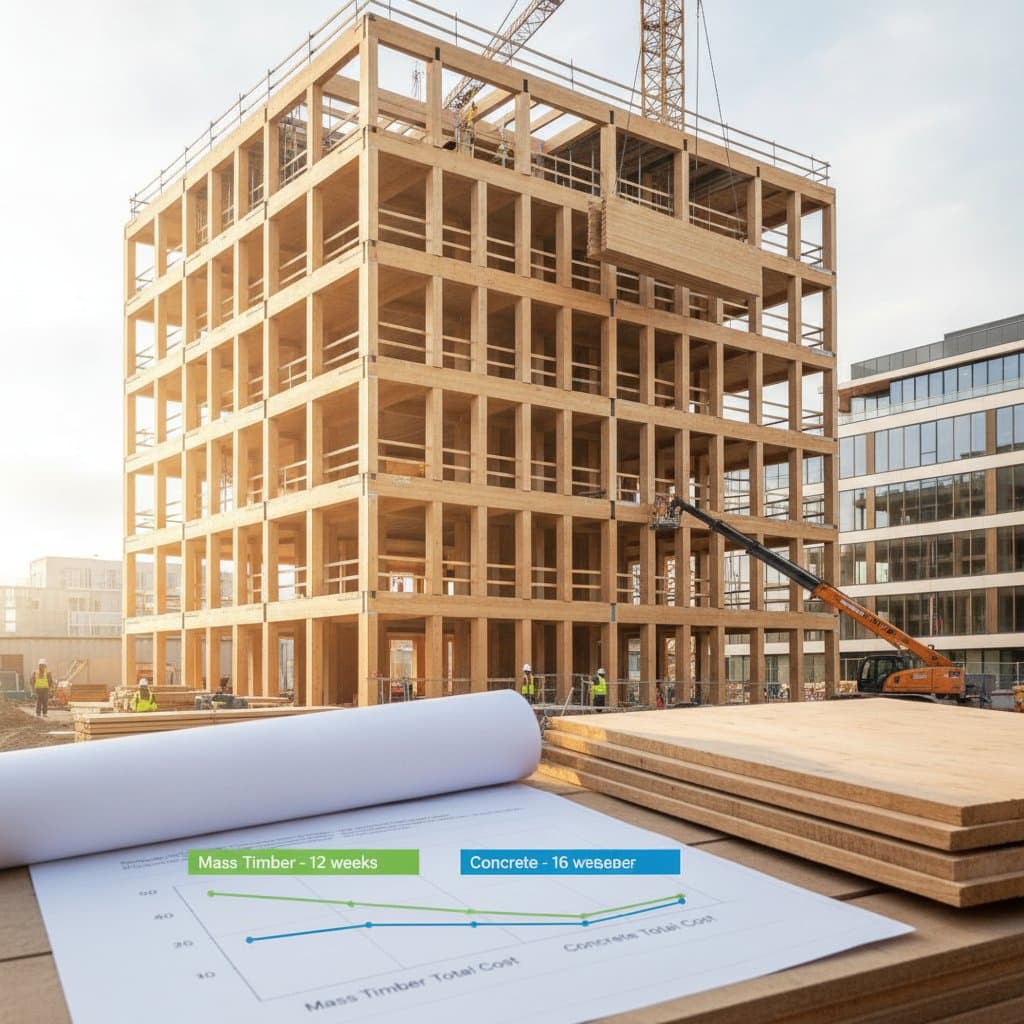
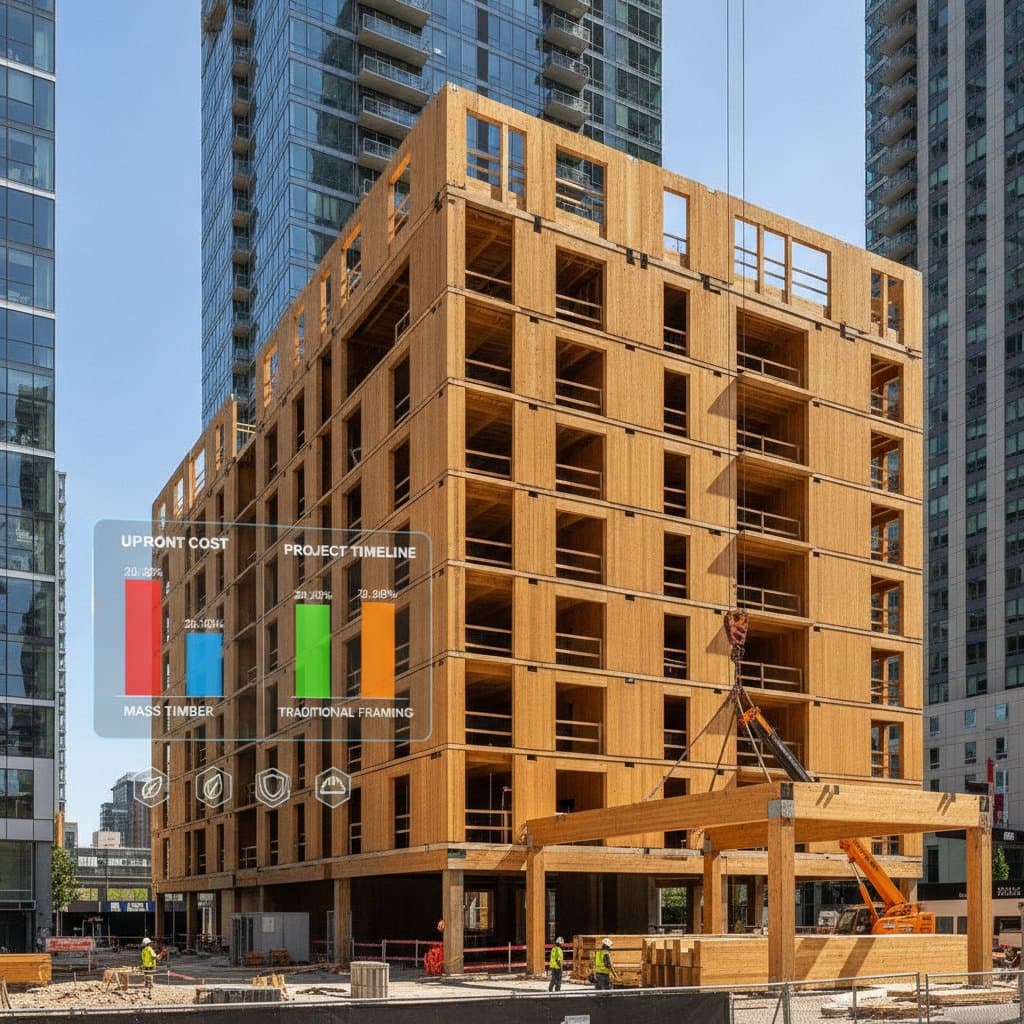
Upfront material expenses often exceed those of steel or concrete, yet total project costs frequently align once schedule savings and reduced foundation requirements enter the calculation. Several elements shape the final budget.
Material Selection and Logistics
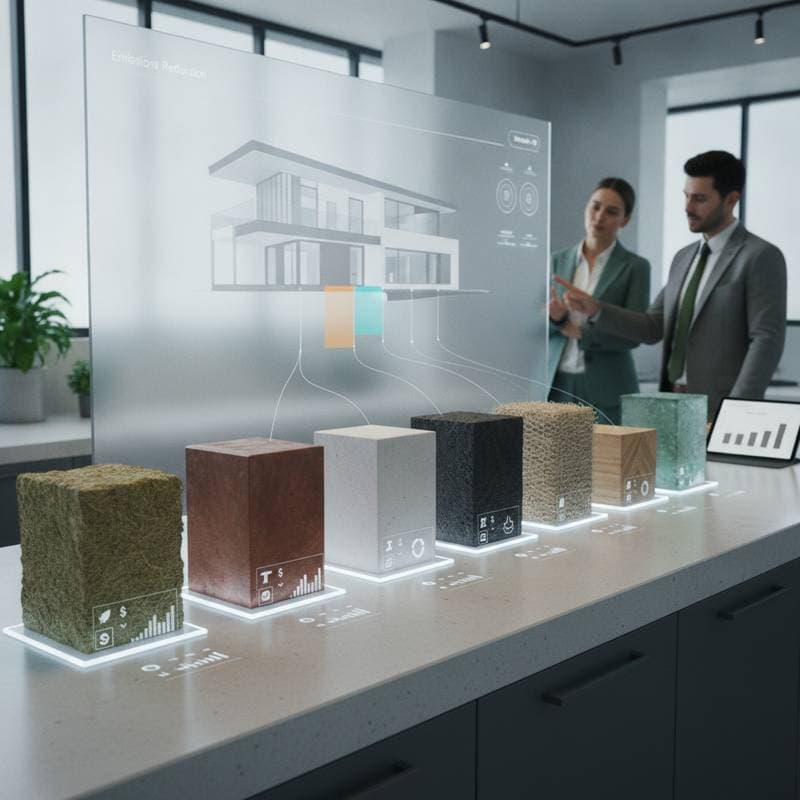
Panel prices vary according to species, thickness, and the distance from the production facility to the site. Controlled factory production limits waste during fabrication, which offsets part of the initial outlay. Expanding manufacturing capacity continues to moderate price fluctuations across regions.
Design and Prefabrication Coordination
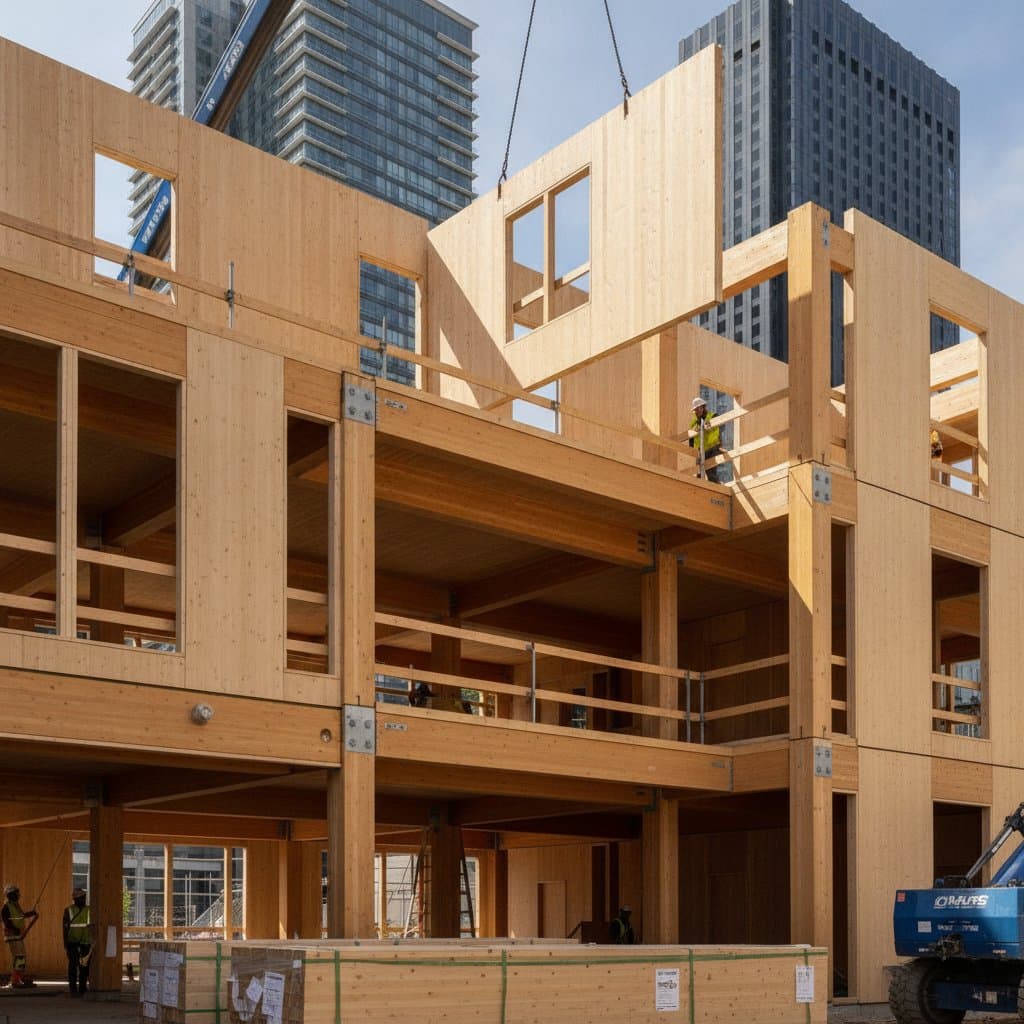
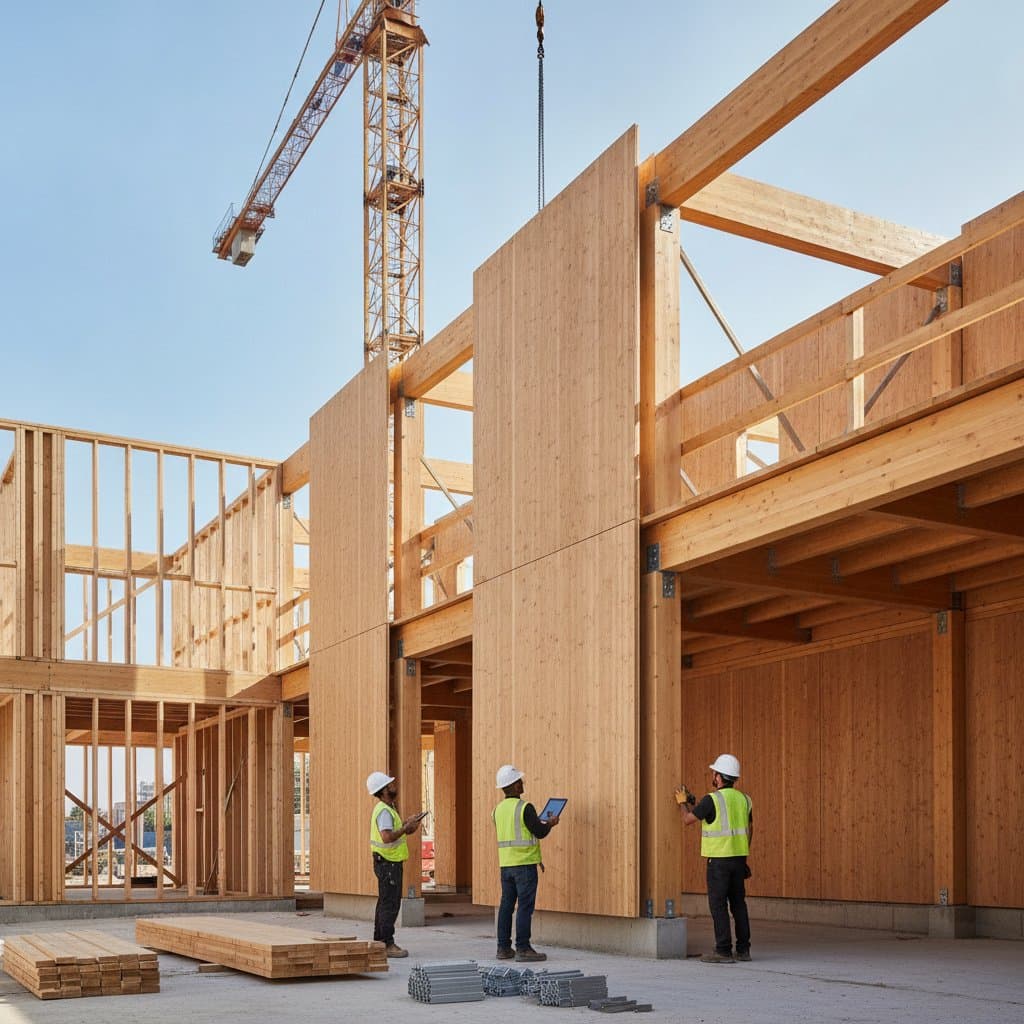
Detailed digital modeling occurs before any cutting begins. Accurate shop drawings allow panels to arrive ready for immediate placement. This front-loaded effort reduces field adjustments and compresses the overall construction timeline compared with cast-in-place alternatives.
Labor Efficiency and Schedule Compression
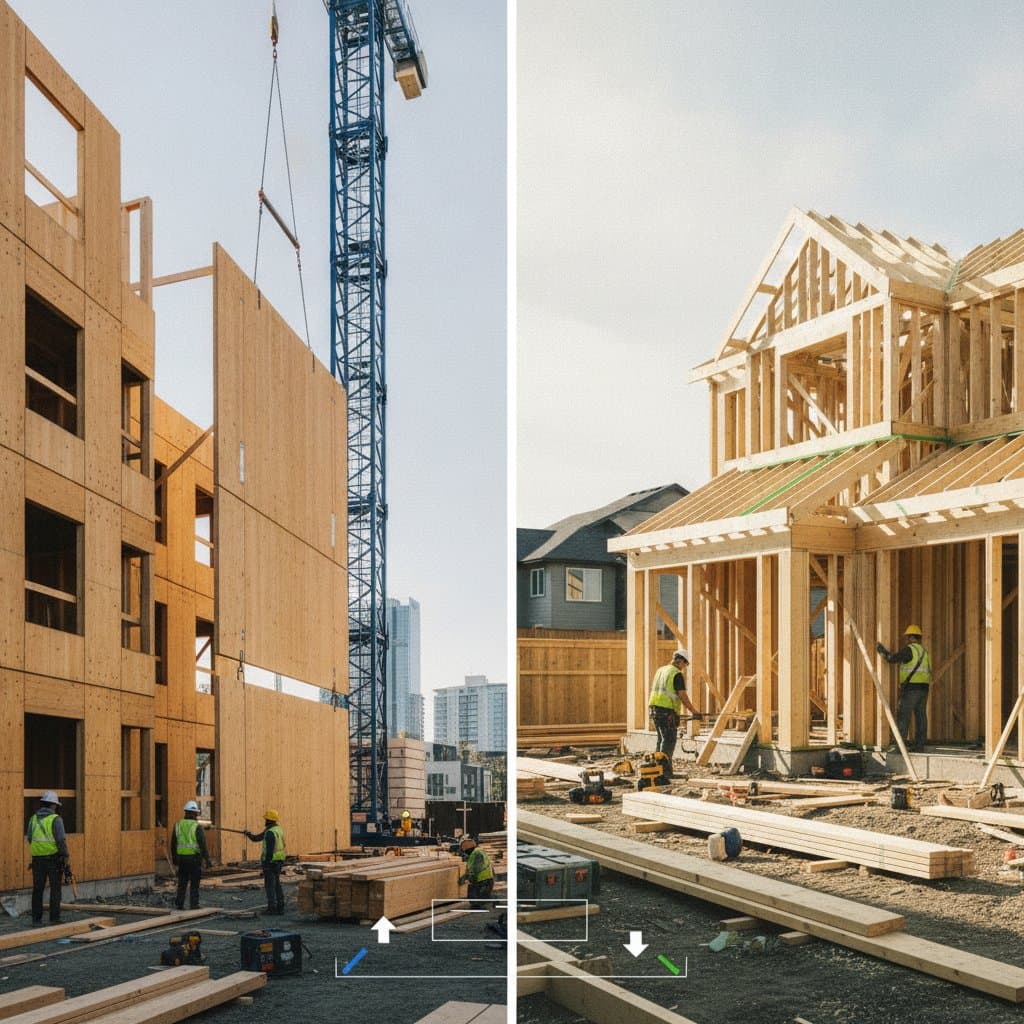
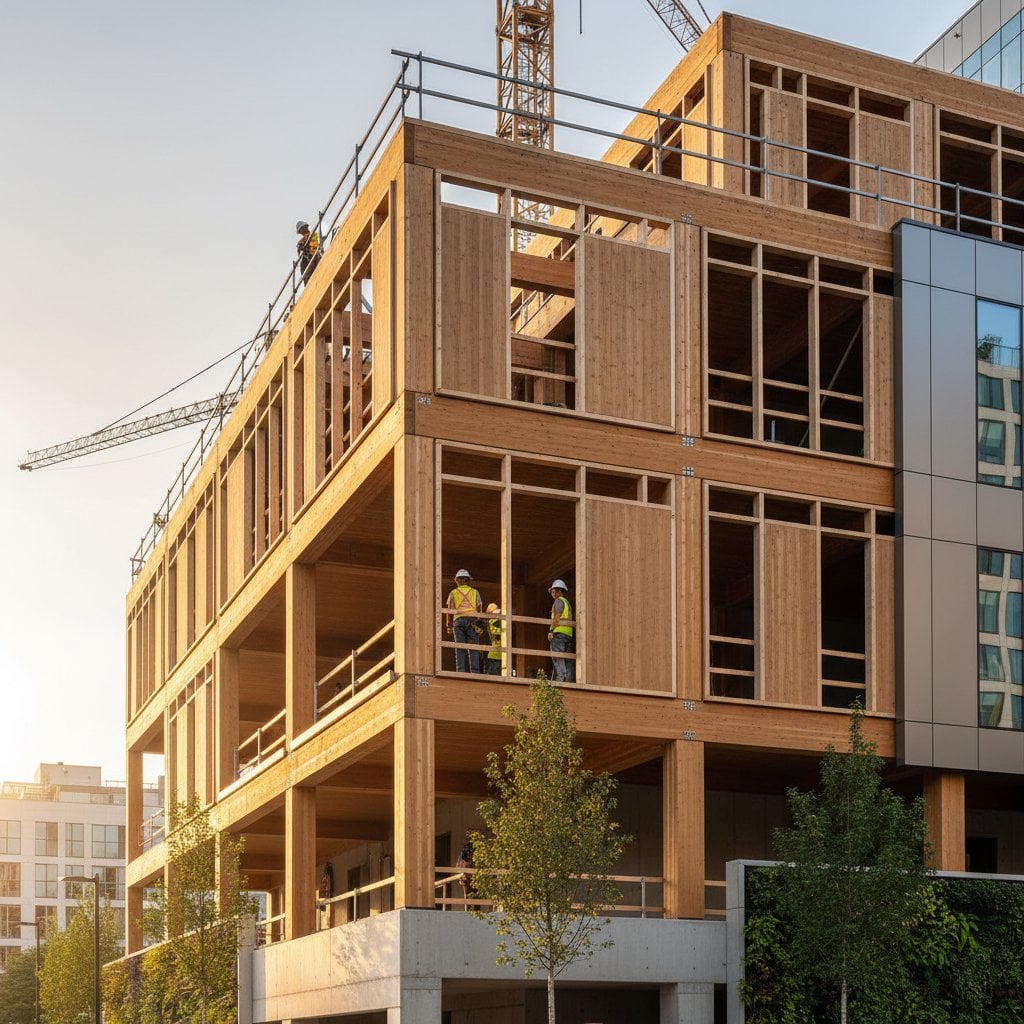
Cranes position large sections with smaller crews than traditional framing requires. Shorter site durations lower financing carrying costs and limit the period of neighborhood disruption. Urban projects in particular realize measurable savings from accelerated occupancy dates.
Regulatory and Fire Protection Measures
Local codes may still require additional engineering review or protective coatings. As standards evolve to include mass timber provisions, these incremental expenses decline. Early consultation with the authority having jurisdiction clarifies requirements before final pricing.
Surface Treatment Choices
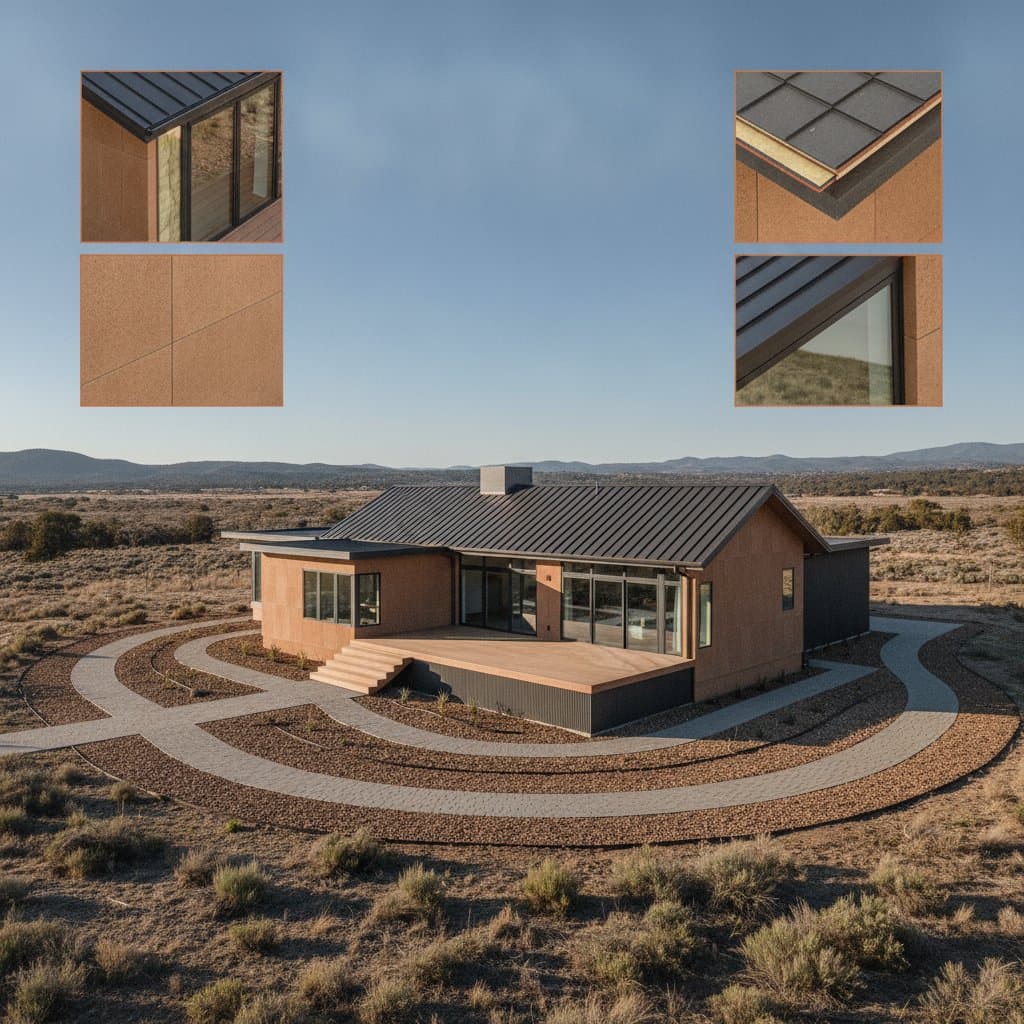
Designers frequently leave structural panels exposed, eliminating drywall and suspended ceilings. Periodic application of clear sealers preserves appearance and protects against moisture. This approach reduces both initial finishing costs and long-term interior maintenance.
Performance Advantages That Extend Beyond Construction
Material choice influences operational expenses, occupant experience, and environmental outcomes for decades. The following attributes deliver measurable returns.
Carbon Storage Capacity
Wood continues to sequester carbon after harvest when used in permanent structures. Production of mass timber generates lower embodied carbon than equivalent steel or concrete assemblies. Projects that pair certified wood sources with efficient design can reach net carbon storage over the building life cycle.
Interior Environmental Quality
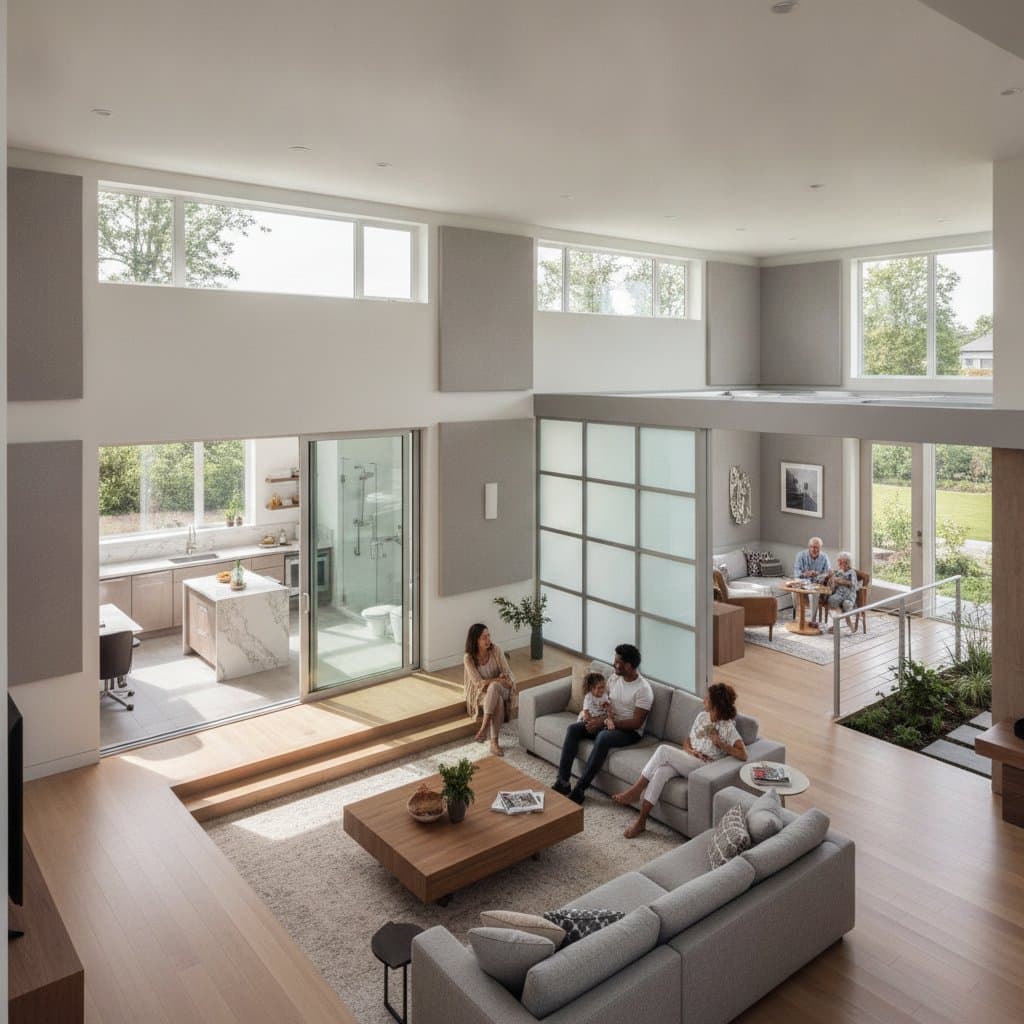
Visible wood surfaces create consistent warmth and visual depth. Research in office and educational settings links these interiors to lower reported stress levels and higher concentration. The material also moderates humidity fluctuations, supporting comfort without additional mechanical intervention.
Structural and Spatial Flexibility
Cross-laminated panels span in two directions, permitting fewer columns and thinner floor plates. Open floor plans become easier to achieve while maintaining code-required load capacity. Factory precision improves connection accuracy and reduces the need for field modifications.
Acoustic and Energy Performance
Dense timber assemblies absorb sound effectively, lowering reverberation in large rooms. Thermal mass helps stabilize indoor temperatures, which reduces peak heating and cooling loads. Proper detailing at joints preserves these benefits throughout the service life.
Future Adaptability
Mechanical fasteners allow panels to be disconnected and reconfigured with minimal damage. This characteristic supports building reuse or component salvage at end of life. Such flexibility aligns with emerging circular economy expectations in commercial real estate.
Practical Steps for Project Execution
Successful outcomes depend on coordinated decision making from concept through completion. The following practices help control cost and risk.
- Engage a cost consultant experienced with timber systems during schematic design to model multiple structural options.
- Align panel dimensions with standard production widths to limit offcut waste and speed fabrication.
- Reserve hybrid steel or concrete elements for areas that require extreme spans or fire separation.
- Incorporate projected energy savings and earlier revenue into comparative financial analyses.
- Confirm manufacturer lead times before finalizing the architectural schedule.
Selecting Qualified Project Partners
Teams that have completed comparable buildings understand moisture protection sequences, connection tolerances, and inspection checkpoints. Structural engineers familiar with glulam and cross-laminated systems accelerate permit review. Early involvement of these specialists prevents redesign cycles that erode schedule gains.
Addressing Common Implementation Questions
Which building types suit mass timber best? Offices, schools, multifamily housing, and civic facilities gain the greatest advantage when speed, daylight, and interior comfort rank as priorities.
How does ongoing maintenance compare with other systems? Routine inspections for moisture intrusion and occasional reapplication of protective coatings keep costs in line with or below those of conventional finishes.
Can these structures meet seismic requirements? Light weight combined with ductile connections allows properly engineered mass timber buildings to satisfy current seismic codes in active zones.
Do insurance premiums remain elevated? Documentation requirements decrease as more projects receive certificates of occupancy, and many carriers now apply standard rates to code-compliant mass timber construction.
Next Steps for Project Planning
Begin with a preliminary cost and schedule model that includes both construction and operational phases. Early coordination among the architect, structural engineer, and builder identifies opportunities to optimize panel layout and connection details. This integrated approach converts the documented advantages of mass timber into predictable project outcomes.