Age-Proof Your Bathroom: Universal Design for 2026
Bathrooms present unique challenges as people age. Slippery floors, high tubs, and poor lighting contribute to falls, which account for a significant portion of home injuries among older adults. Universal design addresses these issues by creating spaces that accommodate all ages and abilities, ensuring safety and comfort for the long term.
This approach integrates functionality with aesthetics, allowing homeowners to remodel without sacrificing style. By 2026, advancements in materials and technology will make these updates more accessible and efficient. Homeowners can plan renovations now to future-proof their living spaces.
Understanding Universal Design Principles
Universal design focuses on seven core principles: equitable use, flexibility in use, simple and intuitive operation, perceptible information, tolerance for error, low physical effort, and size and space for approach and use. In bathrooms, these translate to features that support independence.
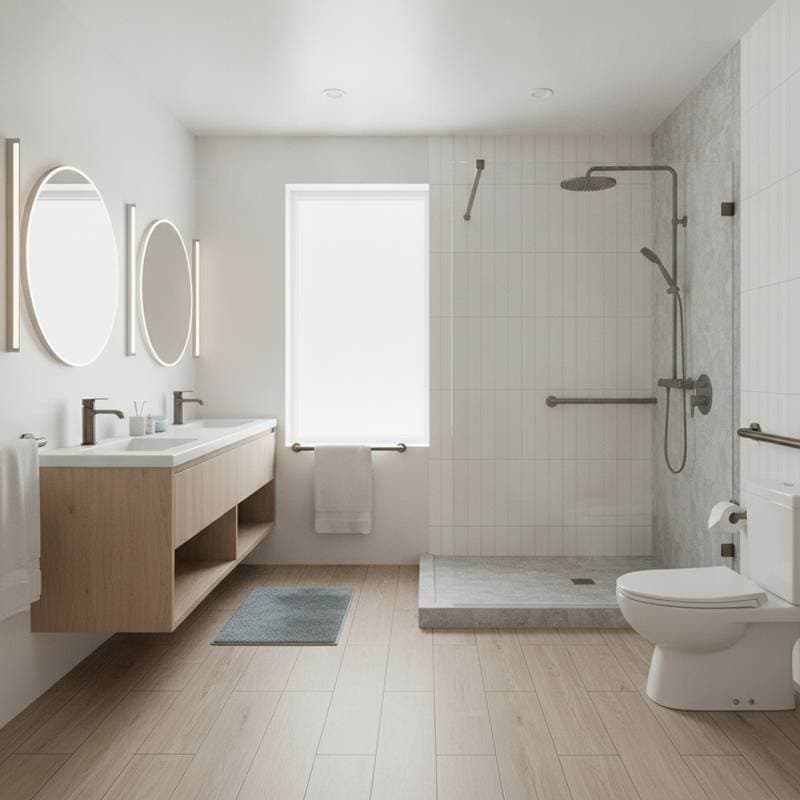
For example, equitable use means fixtures serve everyone equally, from children to seniors. Flexibility allows adjustments like grab bars that double as towel racks. These elements reduce the need for costly retrofits later.
Planning a remodel requires assessing current layouts against these principles. Consult local building codes, which increasingly incorporate universal design standards. This preparation ensures compliance and enhances property value.
Essential Safety Features for Floors and Surfaces
Slip-resistant flooring forms the foundation of a safe bathroom. Opt for materials with a high coefficient of friction, such as textured porcelain tiles or vinyl composites rated for wet environments. Avoid glossy surfaces that become hazardous when wet.
Install flooring with minimal grout lines to simplify cleaning and reduce trip hazards. Consider heated floors for comfort, especially in colder climates, but ensure they maintain traction. Professional installation prevents uneven surfaces that could lead to accidents.
Walls and counters should feature rounded edges and non-porous materials like quartz or solid-surface composites. These resist bacteria and mold, promoting hygiene without sharp corners that pose injury risks.
Enhancing Accessibility with Fixtures and Layouts
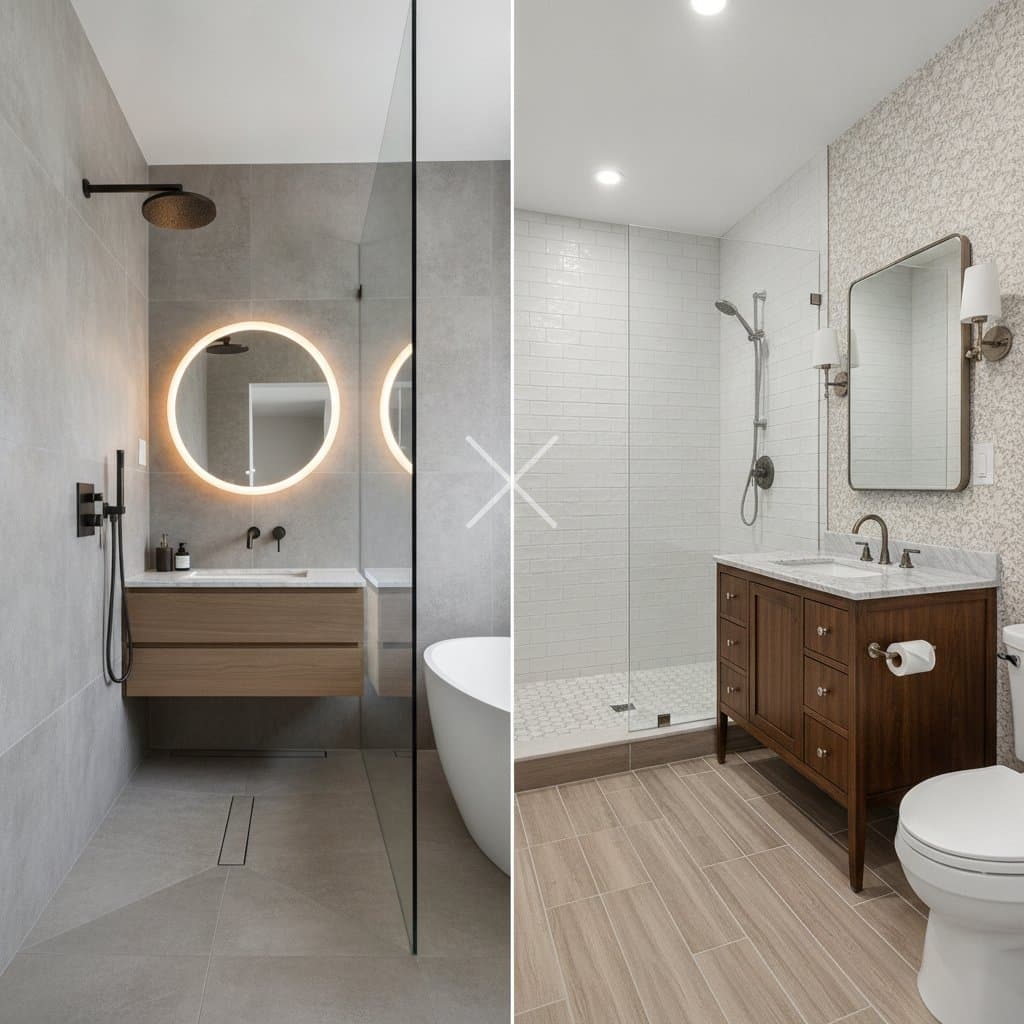
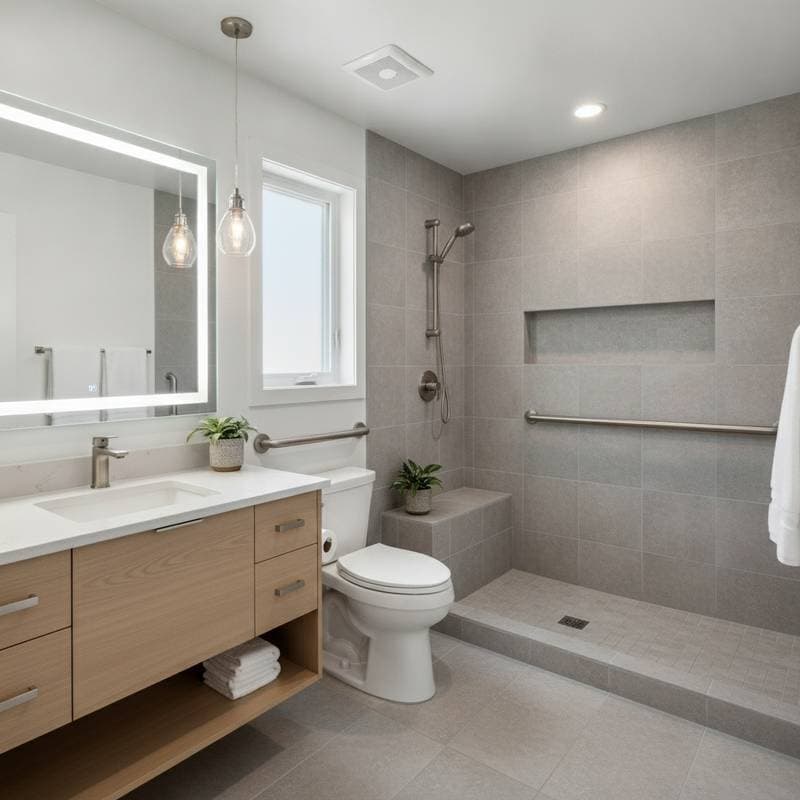
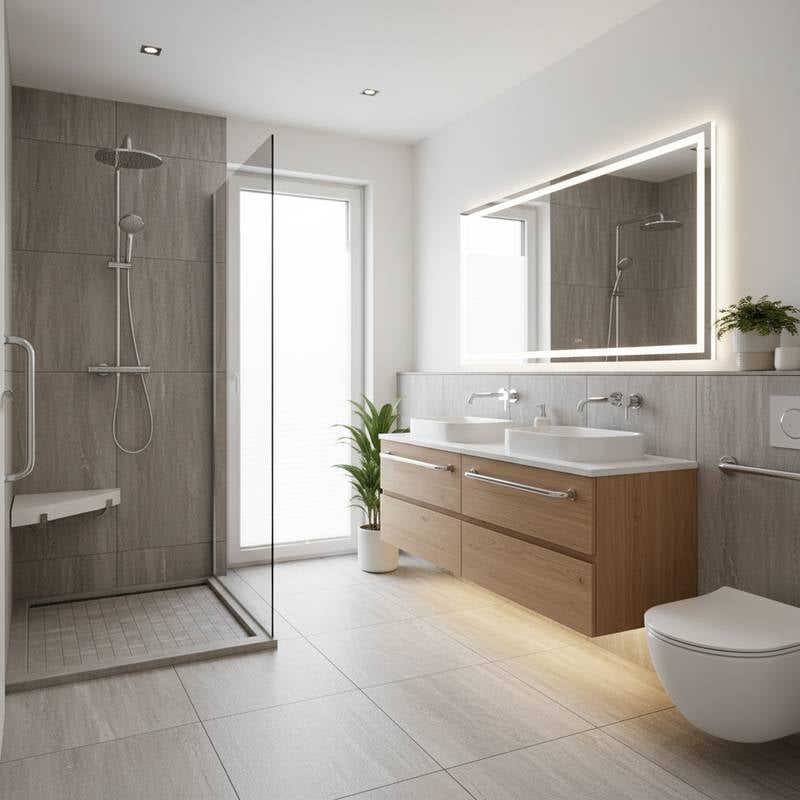
Replace standard bathtubs with walk-in showers or low-threshold tubs to eliminate stepping over high sides. Curbless showers with linear drains allow seamless entry, supporting wheelchair use if needed.
Choose fixtures at accessible heights: sinks at 34 inches from the floor with knee space underneath, and toilets at 17 to 19 inches for easier transfers. Lever handles on faucets require less strength than knobs, aiding those with arthritis.
Optimize layout for clear pathways, at least 30 inches wide around fixtures. Position the shower near the door to minimize travel distance. Smart storage solutions, like pull-out shelves, keep essentials within reach without bending or stretching.
Lighting and Visibility Improvements
Adequate lighting prevents missteps and supports daily tasks. Install layered lighting: overhead fixtures for general illumination, task lights above mirrors, and motion-sensor nightlights for low-visibility situations.
Use LED bulbs with warm color temperatures to reduce glare, which can disorient users. Dimmable options allow customization based on time of day or preference. Ensure switches are reachable from multiple entry points.
Mirrors should extend to full height or include tilting mechanisms for better visibility. Anti-fog coatings maintain clarity during showers, enhancing safety for shaving or grooming.
Incorporating Technology for Independence
By 2026, smart technology will integrate seamlessly into universal design. Voice-activated controls for lights and faucets reduce physical effort. Sensor-based systems detect falls and alert emergency contacts.
Thermostatic shower valves maintain consistent water temperatures, preventing scalds. Bidet seats on toilets offer hygiene without straining. These features extend independent living, potentially delaying the need for assisted care.
Select waterproof, easy-to-use devices compatible with home automation systems. Professional electricians ensure safe wiring to avoid overloads in humid environments.
Planning Costs, Timelines, and Professional Guidance
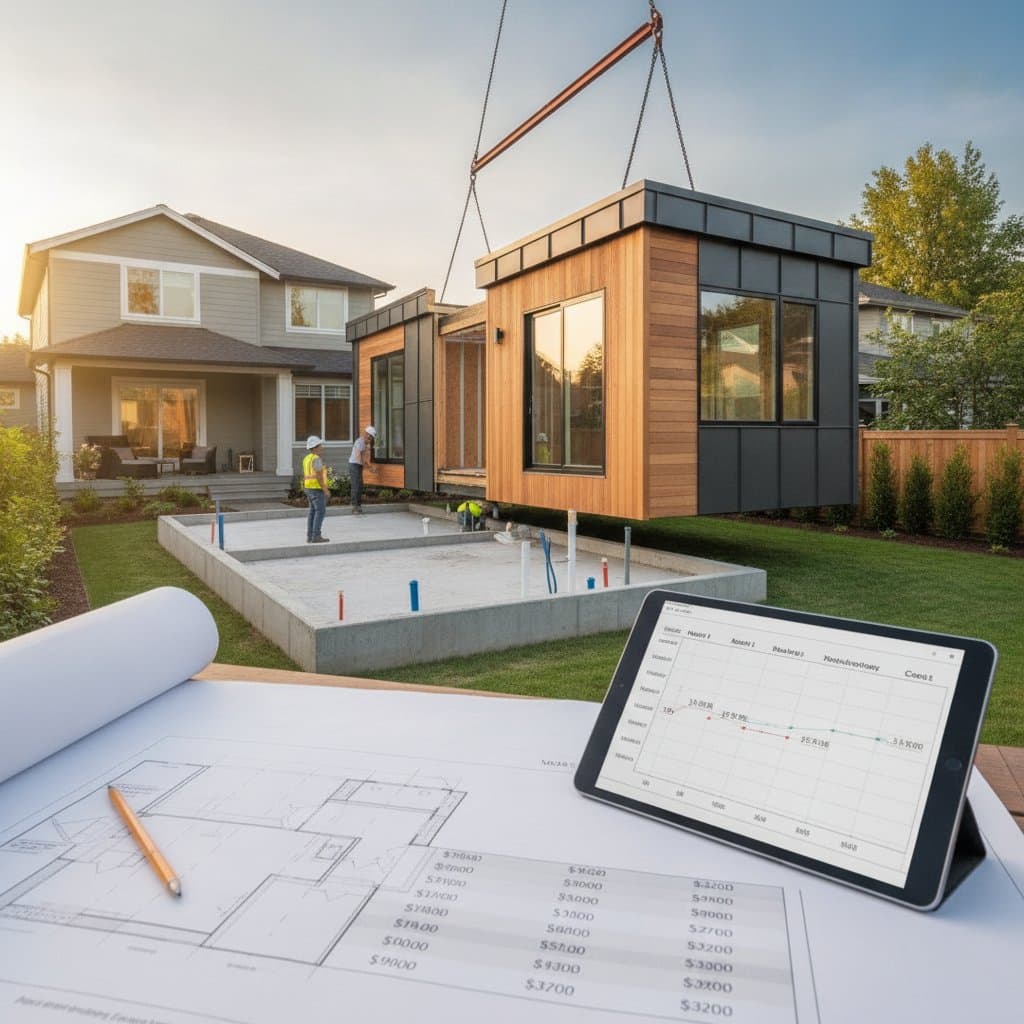
Remodeling costs vary by scope and location, typically ranging from $10,000 to $30,000 for a full bathroom update. Basic safety additions like grab bars and flooring start at $2,000, while comprehensive redesigns including technology reach higher figures.
Timelines depend on project size: minor updates take 1 to 2 weeks, full remodels 4 to 6 weeks. Factor in permit approvals, which may add 2 to 4 weeks. Schedule during off-peak seasons to secure contractors sooner.
Hire certified professionals experienced in universal design, such as those affiliated with the National Kitchen and Bath Association. Request portfolios of aging-in-place projects and verify licenses. Detailed contracts outline phases, materials, and warranties.
Realizing Long-Term Benefits
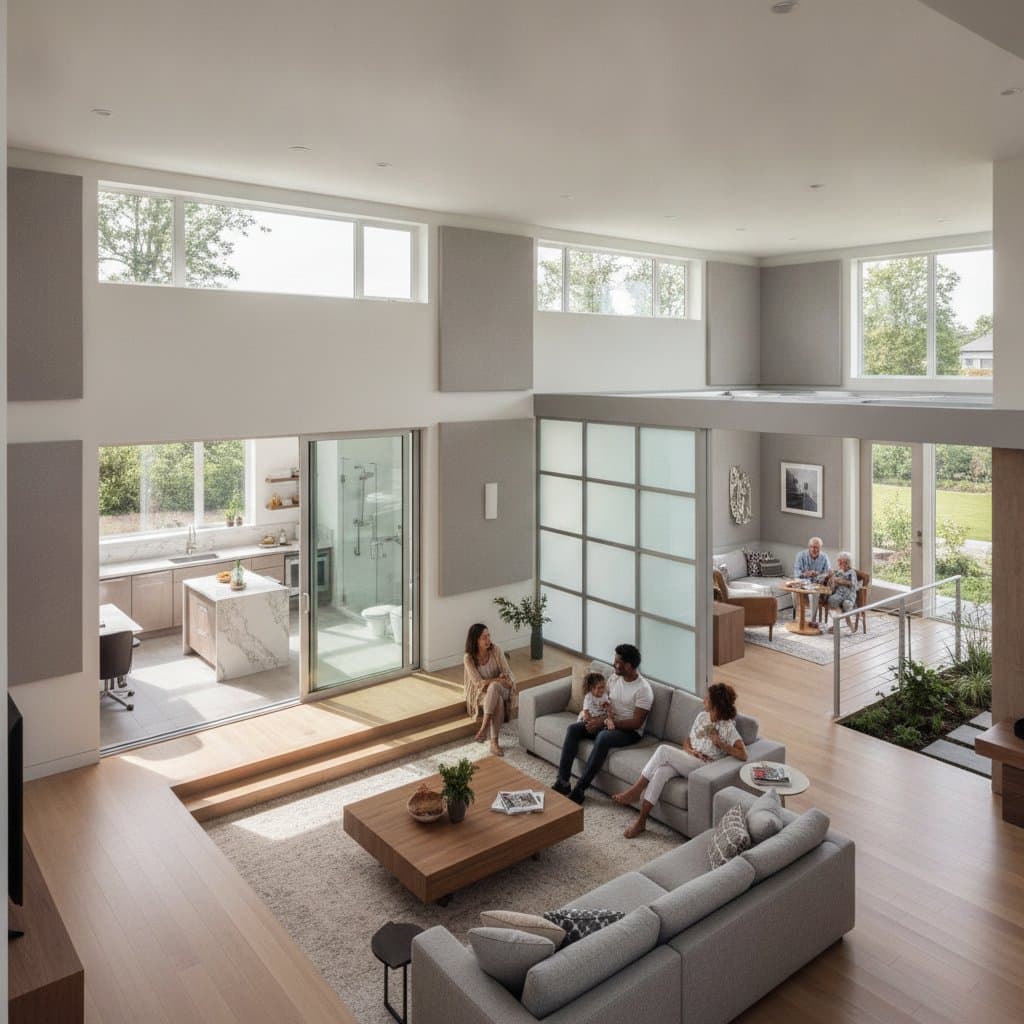
Implementing universal design transforms bathrooms into versatile havens that support lifelong wellness. Families gain peace of mind knowing spaces adapt to changing needs. Properties with these features appeal to broader markets, increasing resale potential.
Homeowners report higher satisfaction from reduced maintenance and enhanced daily comfort. Start with a professional assessment to identify priorities. These investments pay dividends in safety, independence, and quality of life well into the future.