Prefab Pods Versus Traditional Builds: Achieving Cost and Time Efficiencies in 2026
The decision between prefab bathroom pods and traditional construction influences renovation budgets, timelines, and overall quality. Advances in modular technology position prefab systems as viable alternatives for homeowners and developers. This guide evaluates both approaches across cost, time, quality, and enduring value to help determine the best option for upcoming bathroom projects.
Overview of Guide Topics
- Differences between prefab bathroom pods and traditional construction methods
- Detailed cost analyses and sources of potential savings
- Timeline benefits and options for scheduling adjustments
- Factors in design, quality assurance, and customization
- Scenarios for selecting prefab, traditional, or hybrid solutions
- Professional perspectives on return on investment, upkeep, and setup processes
Analyzing Costs: Prefab Compared to Traditional Construction
Cost serves as the primary consideration for many homeowners. Although prefab pods present a higher initial price, the comprehensive expenses frequently match or fall below those of traditional builds when accounting for labor and duration.
Typical Cost Ranges
- Prefab Bathroom Pods: Prices range from $12,000 to $28,000 per unit, varying by dimensions, finish quality, and plumbing requirements.
- Traditional Construction: Expenses span $20,000 to $35,000 for comparable areas, encompassing labor, materials, and completion work.
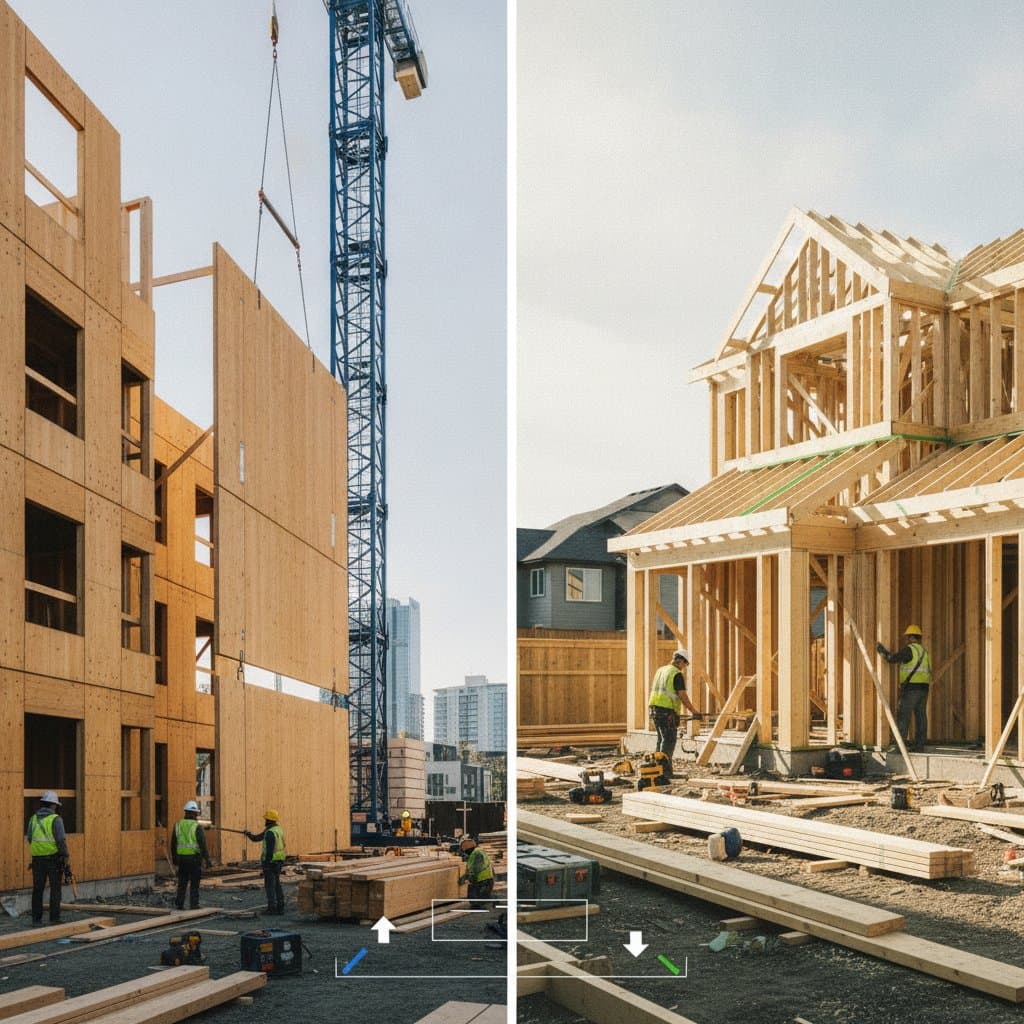
Prefabricated units decrease on-site labor by up to 30 percent. Factory-based plumbing, electrical, and finishing work minimizes the need for coordinating various trades. The abbreviated installation phase also reduces overheads like site management and provisional utilities.
Sources of Cost Reductions
- **Labor ** Experts perform standardized tasks in stable environments, avoiding travel disruptions and weather interruptions.
- Material Procurement: Bulk factory purchases limit waste and secure lower rates per component.
- Minimized Corrections: Pre-delivery testing detects issues such as leaks or electrical problems, preventing expensive field repairs.
- Streamlined Funding: Quicker project completion shortens interest accrual on loans.
Situations Where Traditional Builds Prove More Affordable
For minor updates or intricate bespoke designs, traditional methods may offer better value. Prefab pods necessitate crane accessibility or unobstructed delivery routes, which can introduce transportation and preparation charges. In legacy residences, adaptations for structural integration occasionally offset prefab advantages.
Ensuring Quality and Design Adaptability
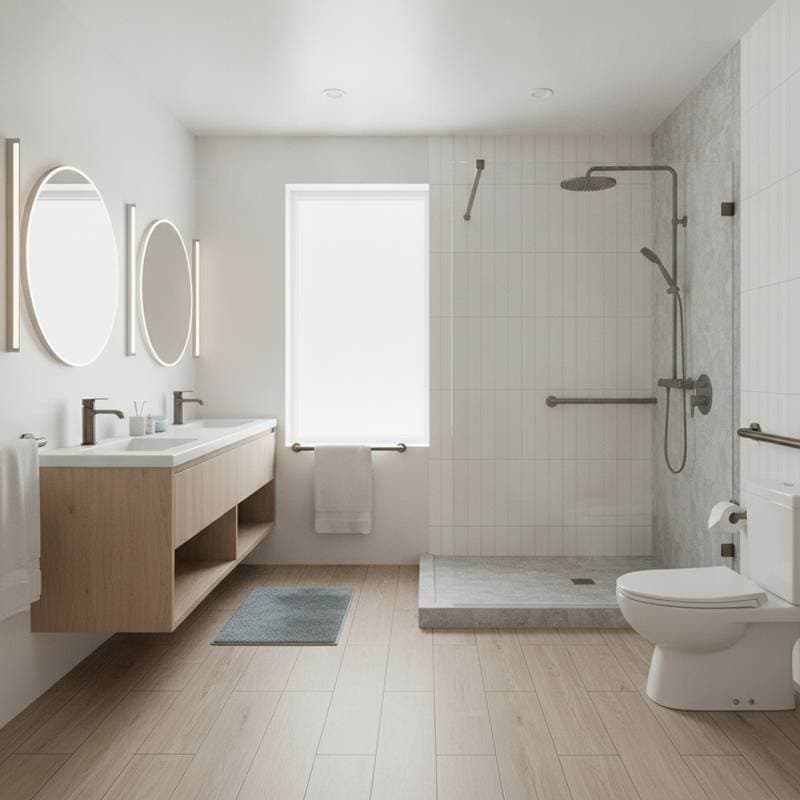
Concerns about restricted creativity in prefabrication persist among some homeowners. Contemporary production techniques support substantial personalization. Interiors accommodate tiles, stone surfaces, bespoke cabinetry, and premium fixtures. Limitations primarily involve unit dimensions and transportation feasibility: pods must navigate entry points and adhere to haulage standards.
Standards of Quality Assurance
Assembly in factories promotes uniform craftsmanship. Inspections cover every plumbing seal, electrical link, and moisture barrier prior to shipment. Such rigorous oversight proves challenging on construction sites, where diverse teams operate amid fluctuating circumstances.
Available Aesthetic Choices
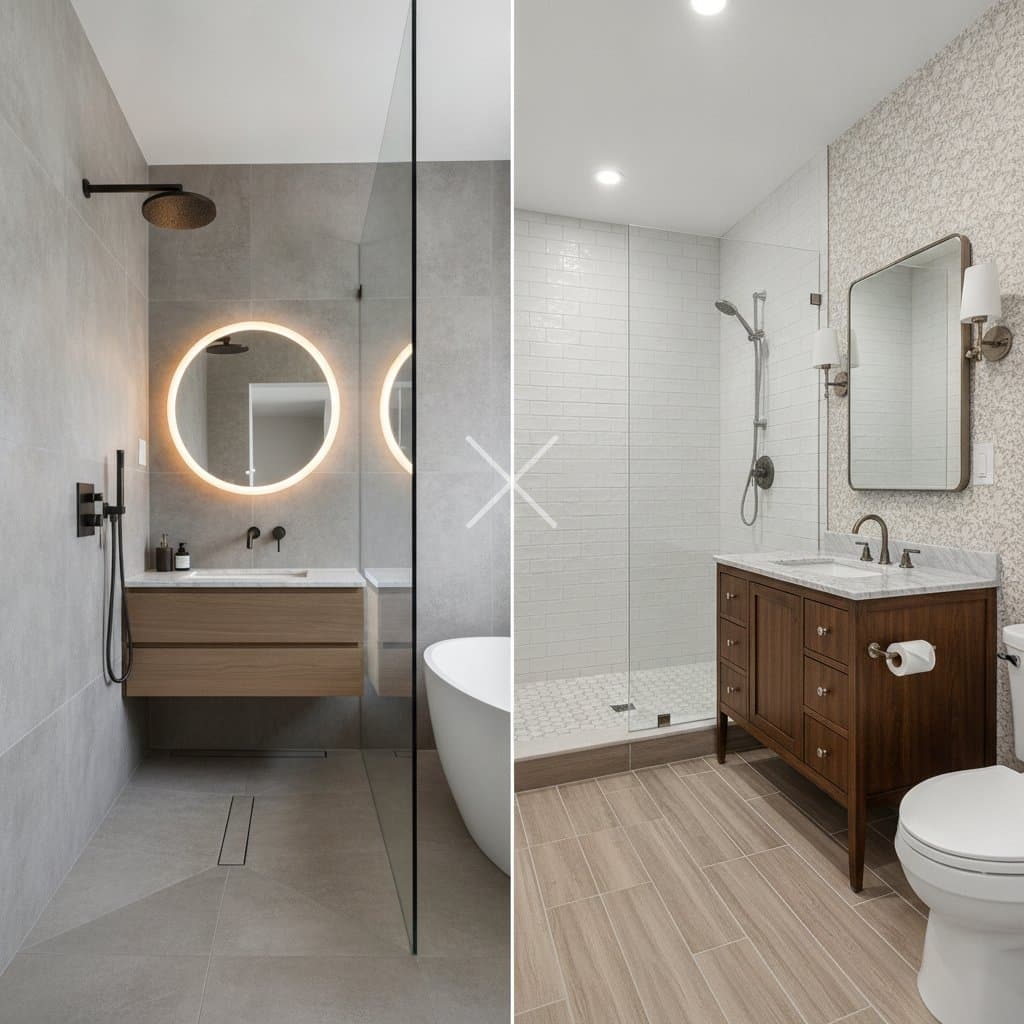
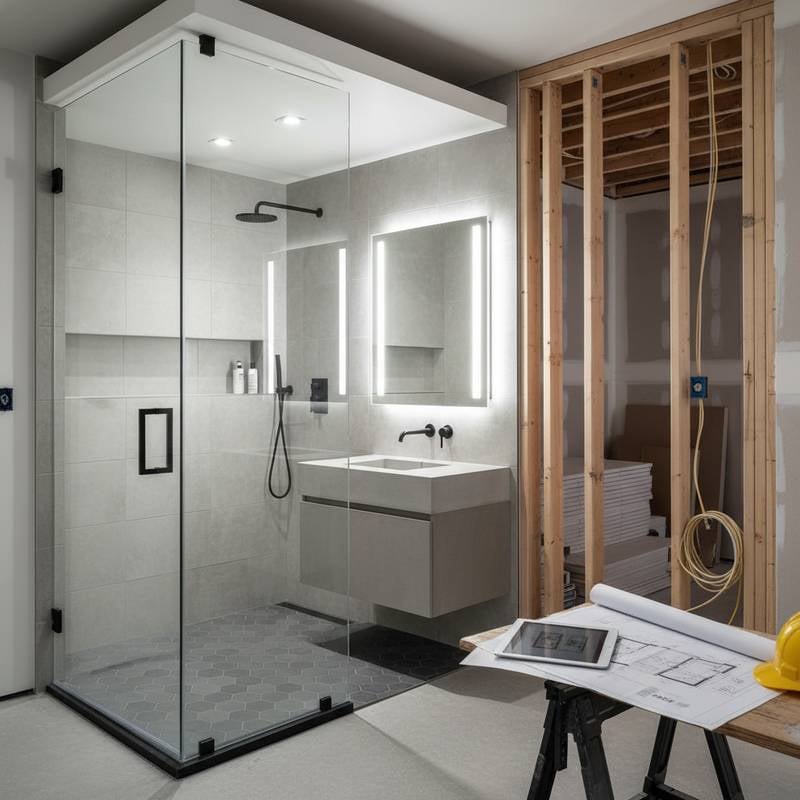
Providers maintain extensive catalogs spanning classic, blended, and contemporary aesthetics. Surfaces replicate marble, quartz, or timber appearances. Integration with renowned fixture brands occurs without complications. For luxury endeavors, partial prefab arrangements merge factory-constructed core areas with site-specific detailing, balancing velocity and expressive potential.
To enhance design, consult manufacturer catalogs early and specify preferences like matte black hardware or spa-inspired layouts. This preparation ensures the pod aligns with broader home aesthetics while preserving efficiency gains.
Longevity and Upkeep Considerations
Prefab bathrooms incorporate robust, humidity-resistant components engineered for extended durability. Applied factory sealants and barriers surpass standard site installations in performance. A properly constructed prefab pod endures 20 to 30 years under routine care, paralleling superior traditional setups.
Upkeep entails routine surface cleaning and occasional inspections of fixtures. Pre-verified plumbing and wiring systems experience fewer failures. Component replacements proceed efficiently due to modular, standardized configurations.
Homeowners benefit from scheduling annual professional reviews to check seals and ventilation, preventing minor issues from escalating. Selecting antimicrobial finishes further simplifies maintenance in high-use environments.
Installation: Professional Versus Self-Directed Approaches
Prefab pods streamline workflows, yet precise integration demands skilled coordination. Connections to water lines, drainage, and power sources require exact alignment. Licensed specialists must execute these links to comply with codes and ensure safety.
Homeowners handle selections in design, materials, and timelines effectively. Traditional remodels encompass framing, moisture proofing, tiling, and wiring, all necessitating expert supervision. Amateurs manage basic tasks like debris removal or surface preparation but steer clear of structural or hazardous elements.
For prefab setups, verify contractor certifications in modular installation beforehand. This step safeguards warranty validity and project integrity.
Strategies to Maximize Savings and Enhance Value
- Initiate Orders Promptly: Production lead times extend to weeks; advance commitments secure rates and maintain timelines.
- Opt for Conventional Dimensions: Tailored measurements inflate expenses; adhere to proven pod sizes where feasible.
- Combine Multiple Units: Renovating several bathrooms enables volume discounts from suppliers or builders.
- Prioritize Resilient Surfaces: Choose low-maintenance options like quartz or composite panels to cut future costs.
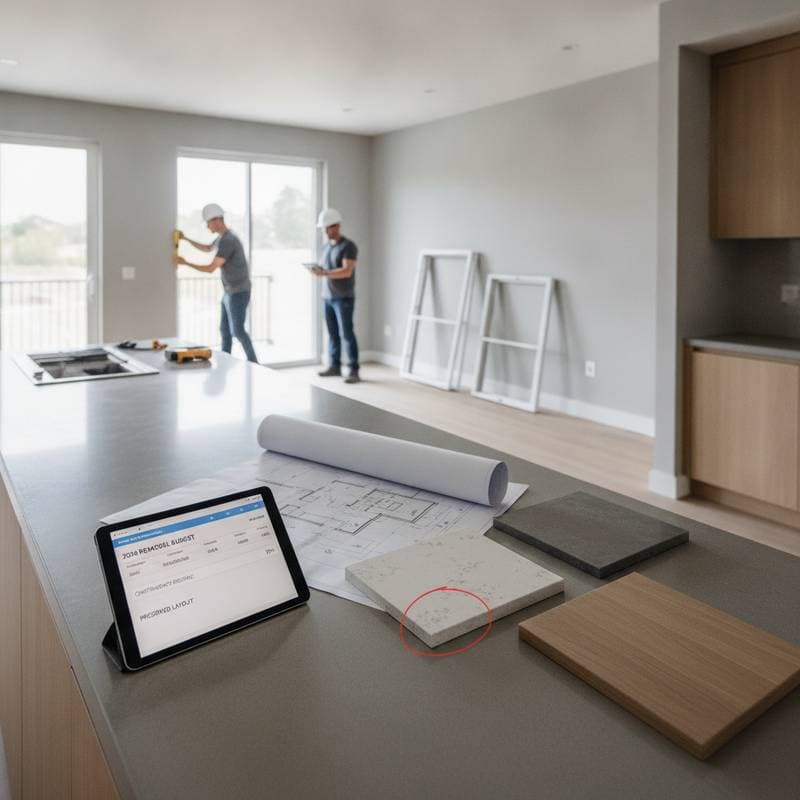
- Verify Utility Alignments: Examine blueprints in advance to match pod interfaces with existing infrastructure.
Additional tactics include partnering with architects experienced in modular integration for optimized layouts. Energy-efficient fixtures within pods amplify long-term utility savings.
Frequently Asked Questions on Prefab Bathrooms
Do prefab bathrooms work well in older properties?
Yes, provided necessary structural or plumbing enhancements occur. Engage a specialist for a thorough evaluation to confirm fit.
Is customization of surfaces and hardware possible?
Providers supply diverse selections. Options typically include tile varieties, color schemes, and established fixture lines within core frameworks.
Will prefab pods diminish property market appeal?
Quality installations preserve or elevate value, particularly when harmonizing with home style and incorporating upscale elements.
Selecting the Optimal Path for Your Bathroom Renovation
Evaluate project scope, budget constraints, and design aspirations to choose between prefab, traditional, or combined methods. Prefab excels in time-sensitive, standardized updates, while traditional suits unique visions. Consult professionals early to tailor solutions that deliver efficiency, quality, and satisfaction for years ahead.