Understanding Aging-in-Place Remodels
Aging-in-place remodels modify homes to support residents as they grow older, emphasizing safety and accessibility without the need to relocate. These projects range from simple additions like grab bars to comprehensive redesigns that accommodate mobility challenges. Homeowners invest in these updates to preserve independence, often yielding long-term savings and improved quality of life.
The average cost falls between $35,000 and $50,000, though expenses vary based on project scope, location, and material choices. Factors such as home size and the extent of structural changes influence the final price. Professional assessments help identify essential modifications tailored to individual needs.
Breaking Down the Costs
Costs for aging-in-place remodels depend on several elements. Home size plays a significant role; larger properties require more extensive work. Material quality affects pricing, with durable, low-maintenance options increasing the budget.
Accessibility upgrades form the core of most projects. Basic installations, such as handrails and non-slip flooring, start at lower rates. Full conversions, including widened doorways and ramp installations, escalate expenses quickly.
Labor and permitting add to the total. Skilled contractors ensure compliance with building codes, which vary by region. Unexpected issues, like outdated wiring, can raise costs if not addressed early.
Average Price Ranges by Project Type
- Minor Updates: $15,000 to $25,000. These include grab bars, lever handles, and lighting improvements for easier navigation.
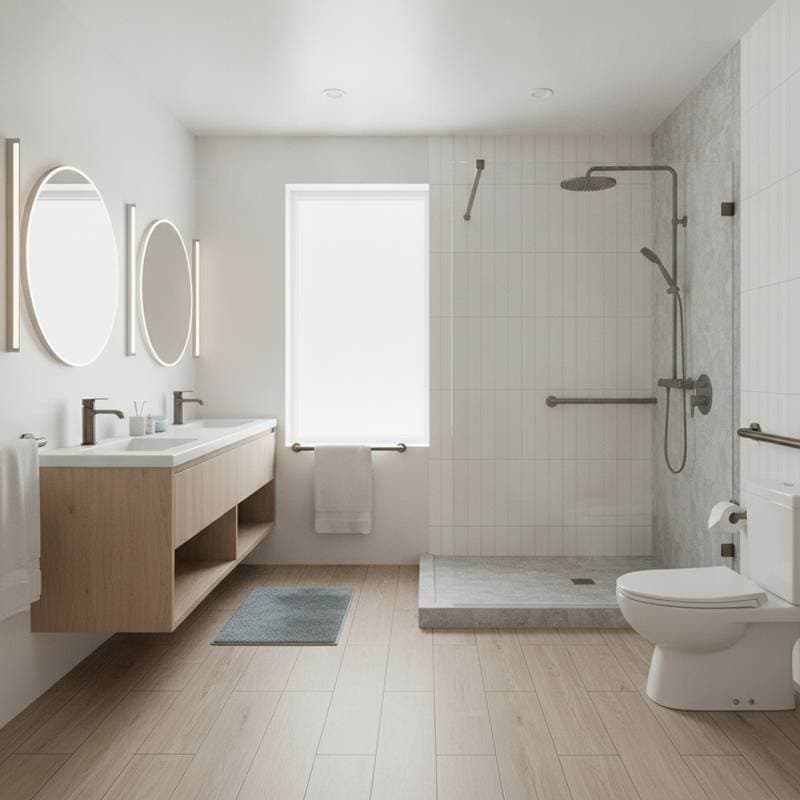
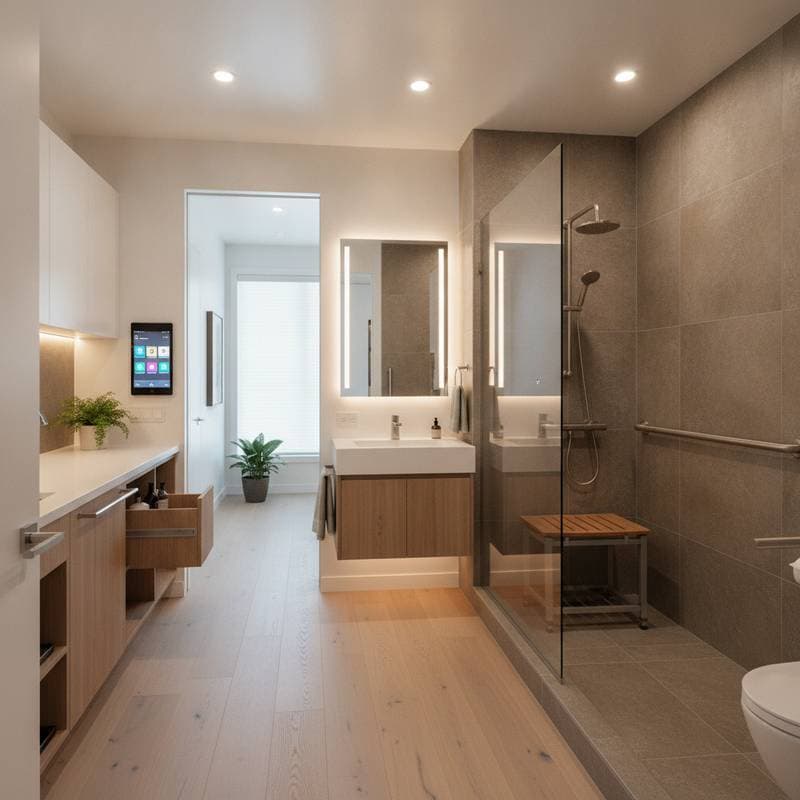
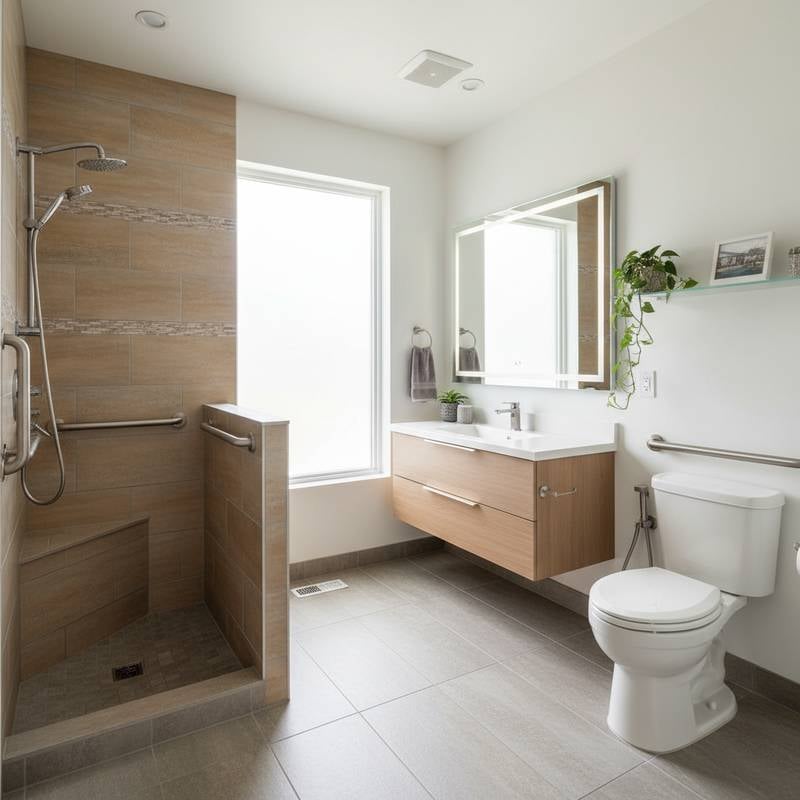
- Bathroom Modifications: $20,000 to $40,000. Features like walk-in showers and raised toilets enhance safety and comfort.
- Kitchen Adaptations: $25,000 to $50,000. Lowered counters and pull-out shelves support users with limited reach or strength.
- Whole-Home Overhauls: $50,000 to $75,000. Comprehensive changes involve stairlifts, elevator installations, and multi-level accessibility.
Key Areas Driving Expenses
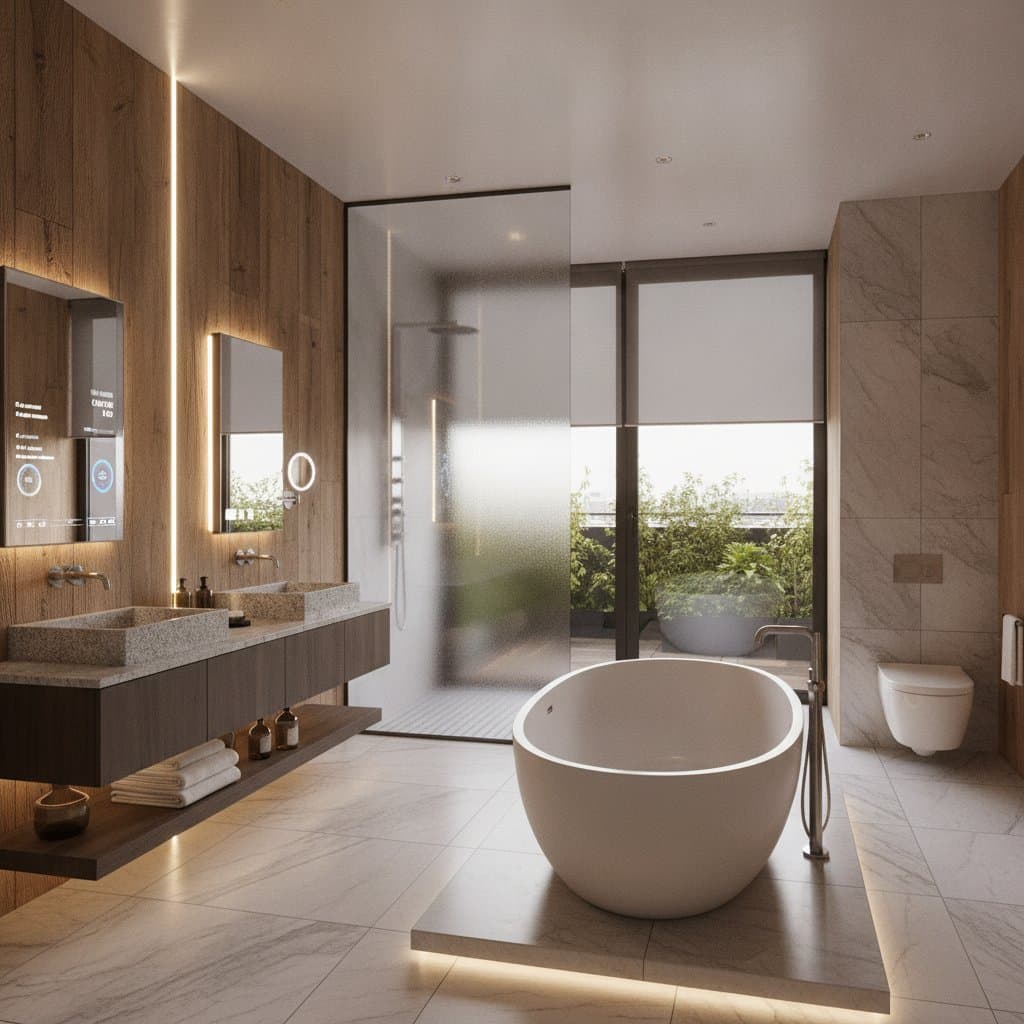
Bathrooms often represent the highest costs due to plumbing and waterproofing needs. Installing a curbless shower requires floor adjustments to prevent water damage. Heated floors and automatic faucets add convenience but increase the investment.
Kitchens follow closely, as they demand ergonomic redesigns. Appliances at accessible heights and touchless controls reduce strain. Cabinetry modifications, such as adjustable shelving, ensure usability over time.
Entryways and hallways benefit from widened paths and threshold eliminations. These changes facilitate wheelchair access and reduce fall risks. Outdoor ramps, if needed, involve site grading and weather-resistant materials.
Planning for a Successful Remodel
Start with a thorough home evaluation. Consult occupational therapists or aging-in-place specialists to pinpoint priorities. This step avoids over-customization and focuses on high-impact features.
Develop a detailed budget that includes a 10 to 20 percent contingency for surprises. Research contractors experienced in accessibility projects. Verify credentials and review past work to ensure reliability.
Consider future needs during planning. Modular designs allow for phased implementations, spreading costs over time. Energy-efficient upgrades, like LED lighting, lower ongoing expenses while meeting accessibility goals.
Steps to Budget Effectively
- Assess current home layout and identify mobility barriers.
- Gather quotes from at least three certified professionals.
- Prioritize essential safety features over aesthetic enhancements.
- Explore financing options, such as home equity loans or grants for seniors.
- Schedule work during off-peak seasons to potentially reduce labor rates.
Realizing Long-Term Benefits
Investing in aging-in-place remodels extends the time homeowners can remain in familiar surroundings. These modifications not only prevent accidents but also boost property value. Resale appeal increases as more buyers seek accessible homes.
Comfort improves through thoughtful designs that integrate seamlessly with existing aesthetics. Families gain peace of mind knowing loved ones navigate safely. Ultimately, these projects affirm the value of independence in later years.