Mass Timber: Environmental Advantages and Cost Strategies for 2026
Mass timber construction attracts builders and owners for its environmental benefits and economic viability. Systems such as cross-laminated timber (CLT) and glued laminated timber (glulam) support sustainability objectives while managing expenses. Renewable resources, rapid assembly, and adaptable designs position mass timber as a viable option for commercial and residential applications.
Cost Overview
Mass timber structures generally range from $250 to $400 per square foot, averaging $325 per square foot. Factors influencing costs include project scale, design intricacy, structural demands, and local labor rates. CLT panels represent a significant portion of expenses, offset by efficiencies in timeline and foundation requirements.
Primary cost influencers encompass:
- Types and quality grades of CLT or glulam materials
- Regional labor rates and workforce expertise
- Fastening mechanisms and fireproofing solutions
- Degree of architectural elaboration
- Logistics for transporting prefabricated elements
Essential Benefits and Considerations
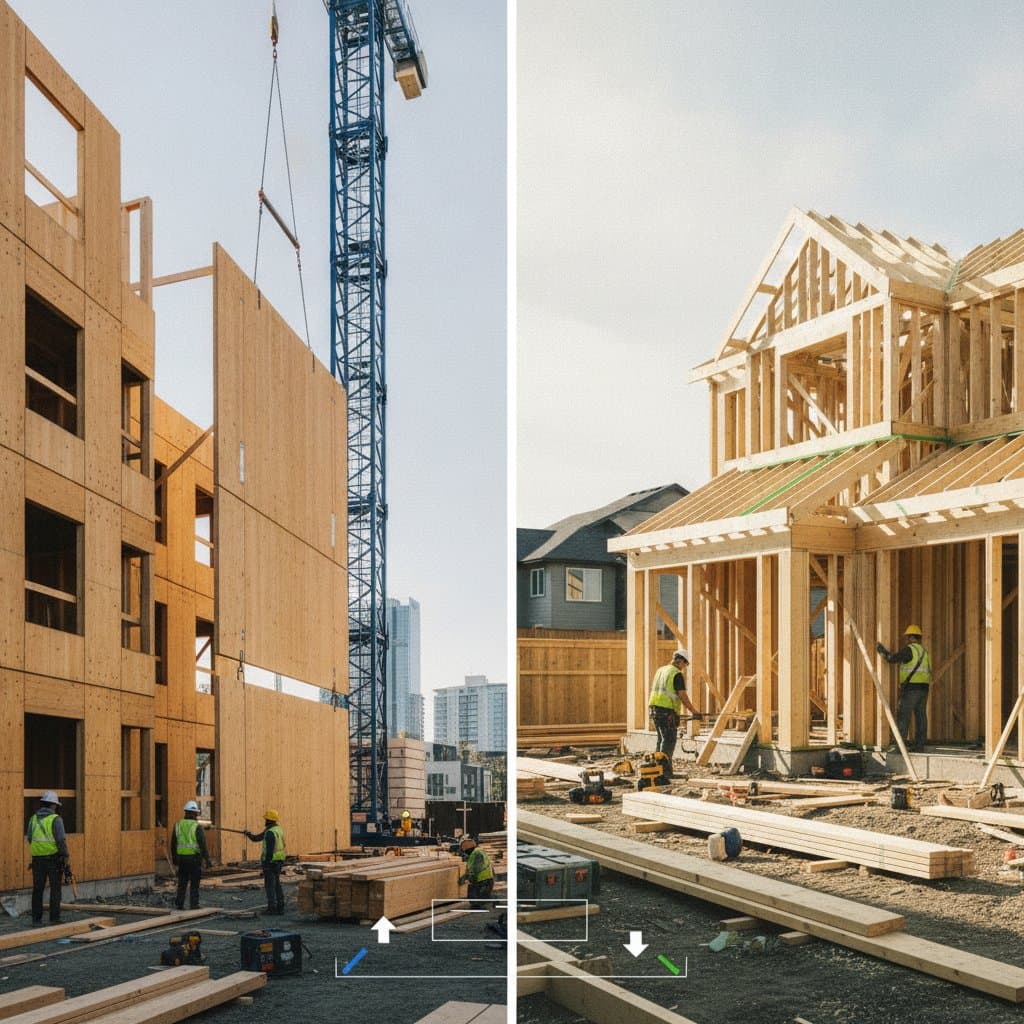
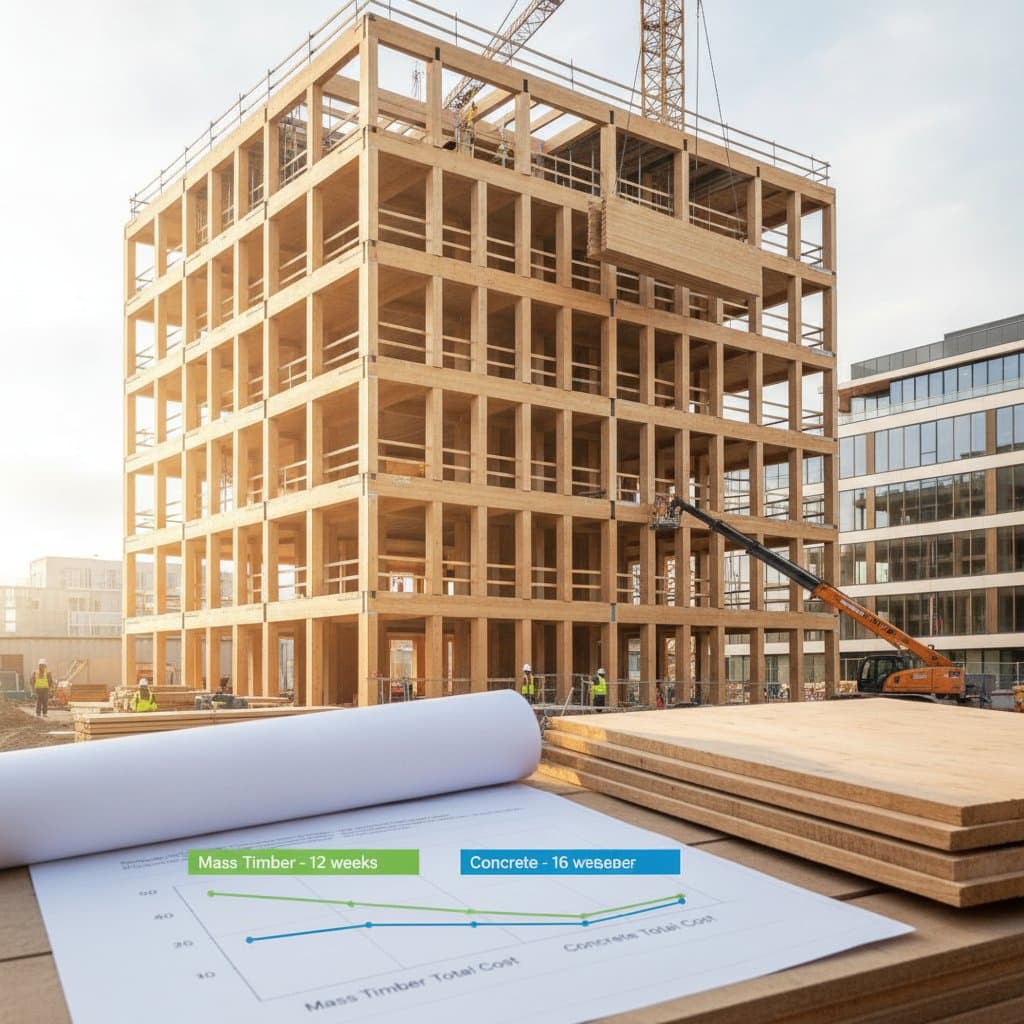
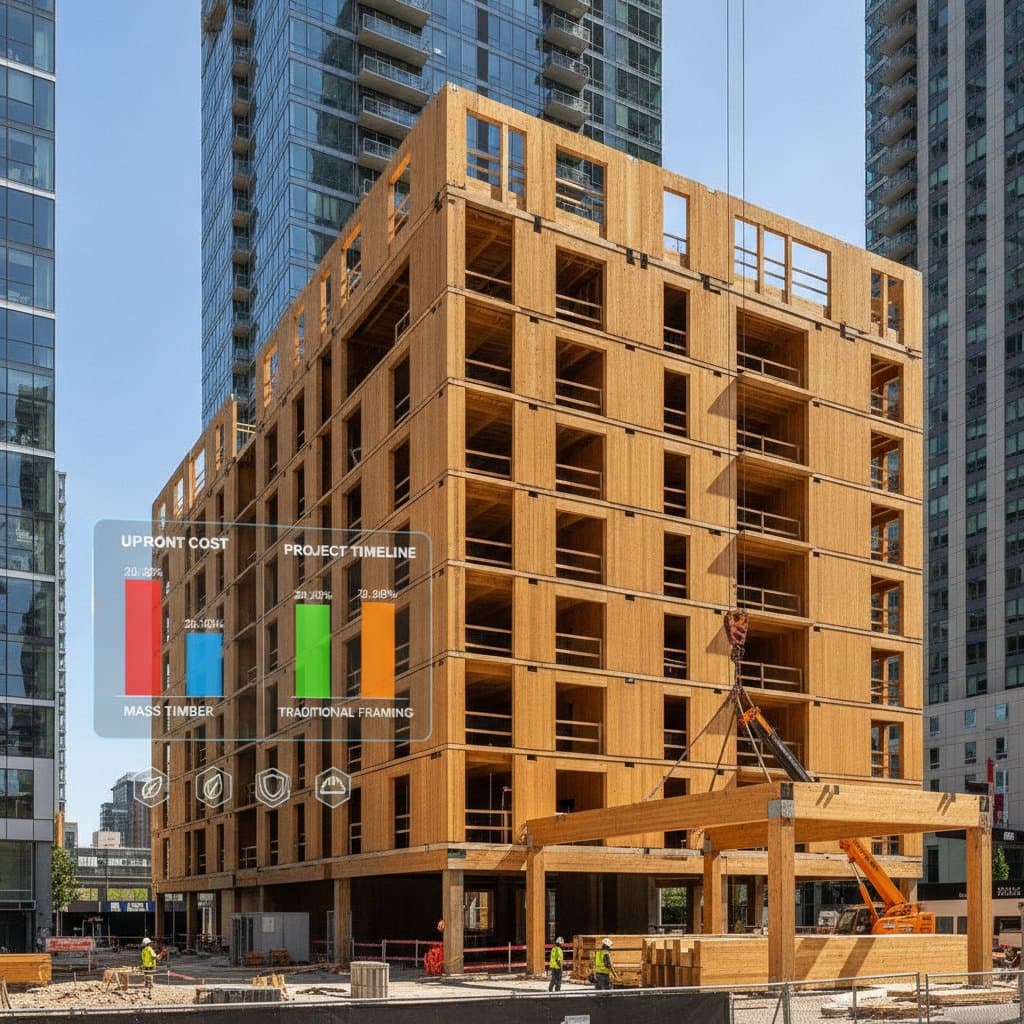
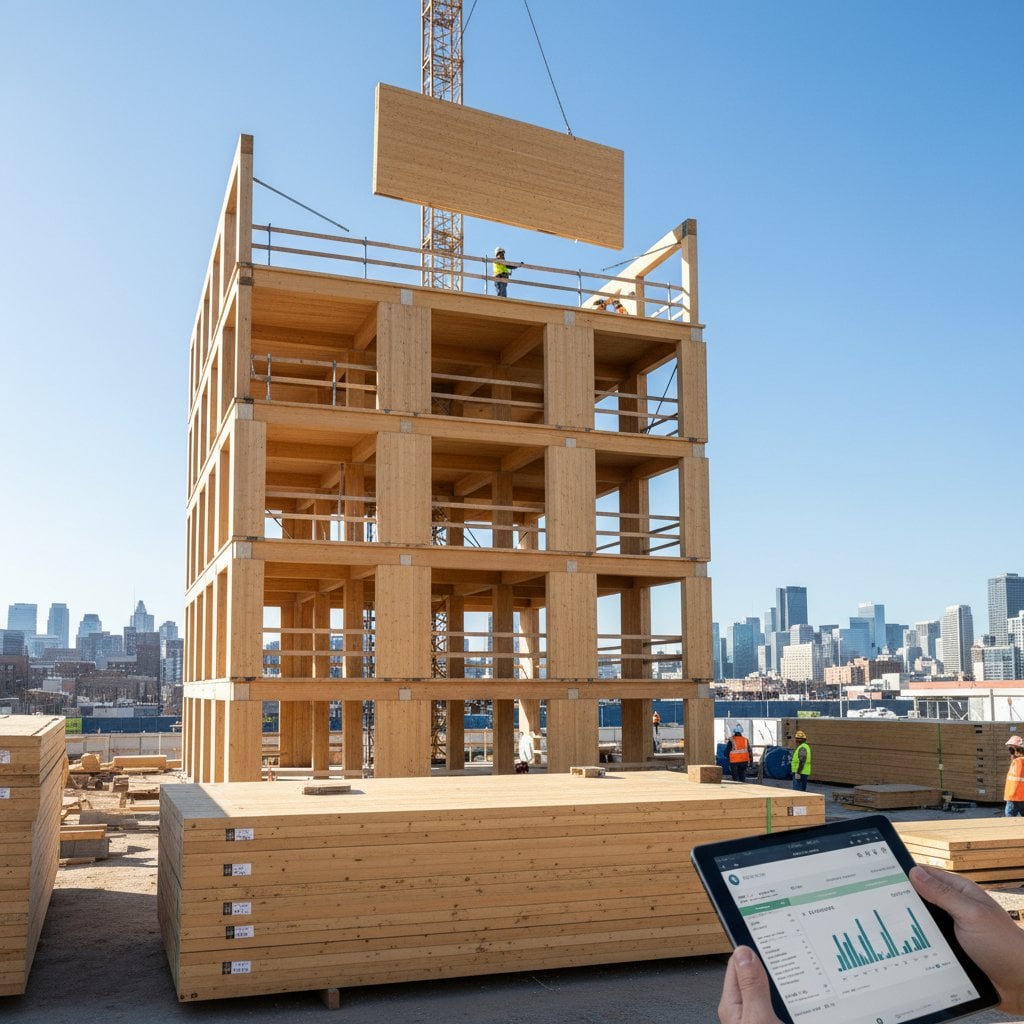
CLT panels reduce construction durations by 20 to 30 percent relative to steel or concrete alternatives. Labor efficiencies frequently compensate for elevated material prices. Mass timber diminishes carbon emissions via renewable origins and inherent sequestration.
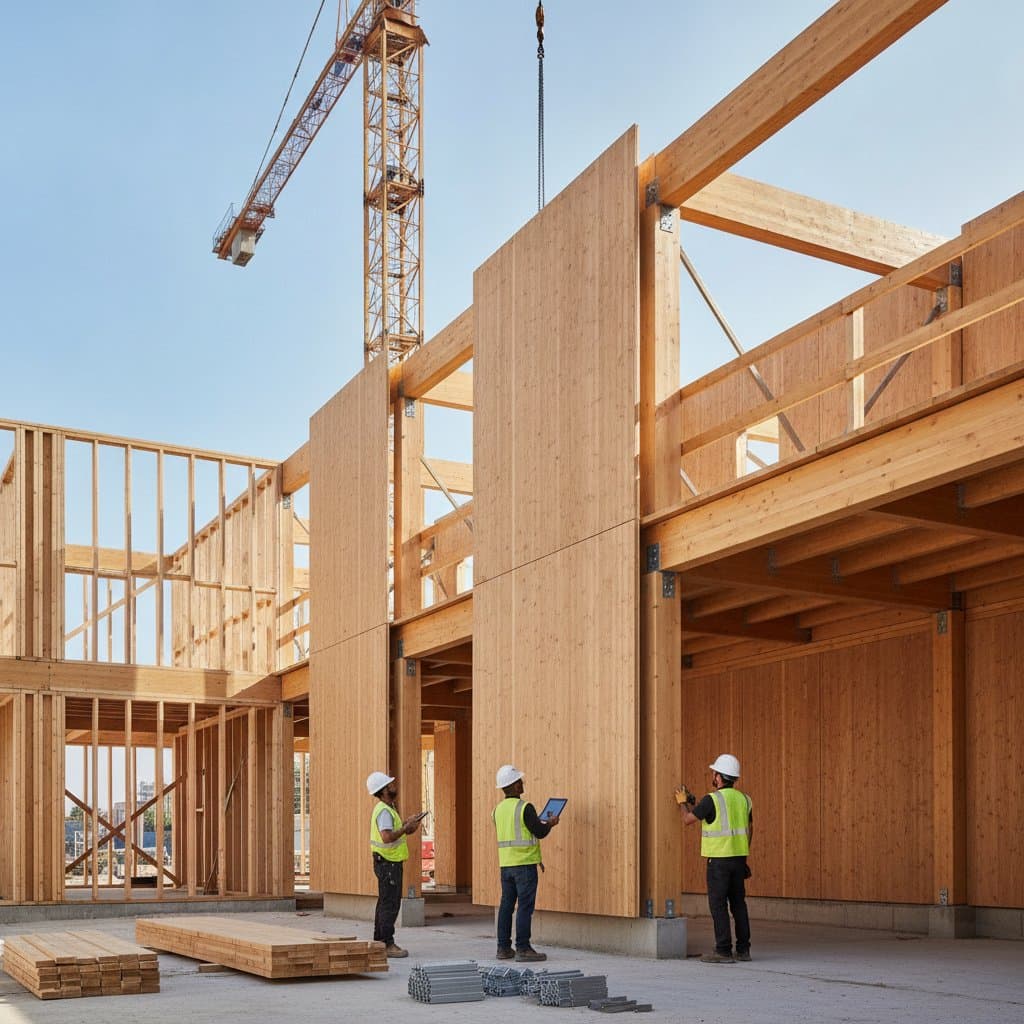
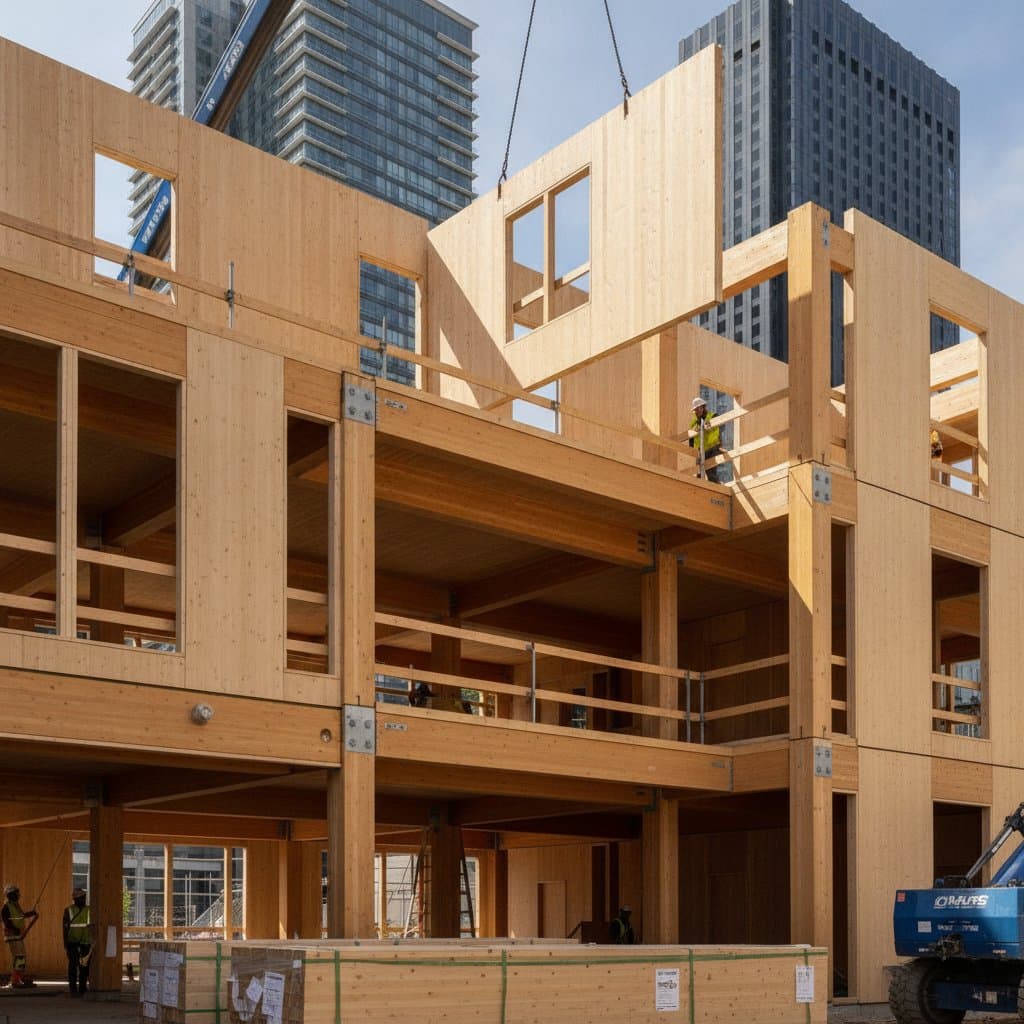
Prefabrication enables accurate off-site production, which curtails on-site waste. The lighter weight of these materials lowers foundation expenditures, particularly in taller configurations.
Pricing by Project Scale and Category
Small-scale commercial or residential structures (under 20,000 square feet) typically cost $250 to $300 per square foot. Such projects leverage shorter spans and straightforward engineering.
Medium-scale office or institutional facilities (20,000 to 100,000 square feet) range from $300 to $350 per square foot. Expenses rise with intricate joints and systems integration for mechanical components.
Large-scale or high-rise mass timber edifices may hit $375 to $400 per square foot. These reflect advanced engineering, fire safety protocols, and hybrid integrations with concrete or steel elements.
Professional Installation Versus Self-Managed Approaches
Mass timber demands specialized expertise beyond standard contracting capabilities. Engaging contractors proficient in engineered wood guarantees appropriate management of moisture, protection, and alignment.
Professional labor constitutes 35 to 45 percent of overall expenses. This covers framing, panel placement, and surface treatments.
Self-managed construction suits only minor accessory structures or internal features. Comprehensive structural work necessitates certified professionals to address load assessments, safety codes, and regulatory adherence.
Influential Pricing Elements
Beyond foundational components, various aspects shape total costs:
- Permitting and engineering validations: Mass timber often requires additional scrutiny for fire and seismic resilience.
- Design elaboration: Curvilinear shapes, visible wood surfaces, and bespoke details elevate production costs.
- Sourcing strategies: Locally produced CLT cuts delivery fees, whereas imports increase outlays.
- Moisture safeguards: Interim coverings during erection avert expansion or discoloration, incurring initial costs that safeguard longevity.
- Fireproofing and soundproofing: Essential for multi-occupancy or public venues, these modifications impact material and workforce allocations.
Strategies for Cost Reduction
- Opt for standardized panel dimensions to minimize manufacturing scraps.
- Streamline structural layouts to decrease custom fittings.
- Incorporate hybrid configurations blending concrete bases with timber frameworks for optimal resource use.
- Initiate collaboration with multidisciplinary teams to align mechanical and electrical plans prior to production.
- Prioritize regional vendors to reduce shipping and manipulation expenses.
Timely alignment among architects, engineers, and builders yields the greatest fiscal efficiencies. Prefabrication relies on exact specifications, so preventing design alterations avoids expensive modifications.
Investment Returns
Mass timber yields fiscal and ecological rewards. Initial outlays might exceed those of steel or concrete, yet accelerated timelines lower interest and payroll burdens. Earlier occupancy enhances income prospects for commercial properties.
Superior energy performance provides ongoing advantages. The insulating qualities of wood decrease demands for heating and cooling. Cumulative operational savings bolster comprehensive returns.
Market appeal for eco-conscious designs may elevate resale values, drawing occupants who value reduced emissions and salubrious environments.
Basis for Cost Estimates
These figures derive from recent CLT and glulam initiatives across diverse areas. They incorporate materials, labor, and essential finishes, omitting site acquisition and interior setups. Projections stem from builder bids and sector analyses, calibrated to prevailing labor and supply dynamics.
Self-Managed Versus Expert Oversight
Self-directed efforts apply to modest endeavors like storage units or partition walls. Load-bearing frameworks for residences or businesses demand professional analysis and verified execution.
Expert involvement secures moisture regulation, weight dispersion, and fire conformity. Though pricier initially, it averts substantial mistakes and upholds durability.
Self-managed options may trim 10 to 20 percent from basic undertakings, contingent on task sophistication and tool availability.
Preservation Practices
Erected mass timber buildings demand less upkeep than traditional assemblies. Periodic checks for water penetration, seam shifts, and surface degradation sustain functionality. Periodic resealing of visible wood every several years upholds aesthetics and safeguards.
Consistent care maintains robustness and market worth. Controlling ambient conditions, including humidity, prolongs the service of exposed CLT and glulam for generations.
Common Questions
What is the cost of mass timber construction?
Ranges from $250 to $400 per square foot, varying by scale, configuration, and site.
Does mass timber prove less expensive than concrete or steel?
Materials cost more, but labor reductions and foundation savings achieve equilibrium.
What is the typical construction duration?
Projects complete 20 to 30 percent quicker than standard methods.
Implementing Mass Timber Effectively
Mass timber unites sustainability, resilience, and fiscal discipline. Anticipate reliable timelines, visually striking results, and enduring reliability. Strategic engagement with seasoned specialists facilitates precise financial planning and seamless execution.