Mass Timber: Achieving Cost Parity with Traditional Framing by 2026?
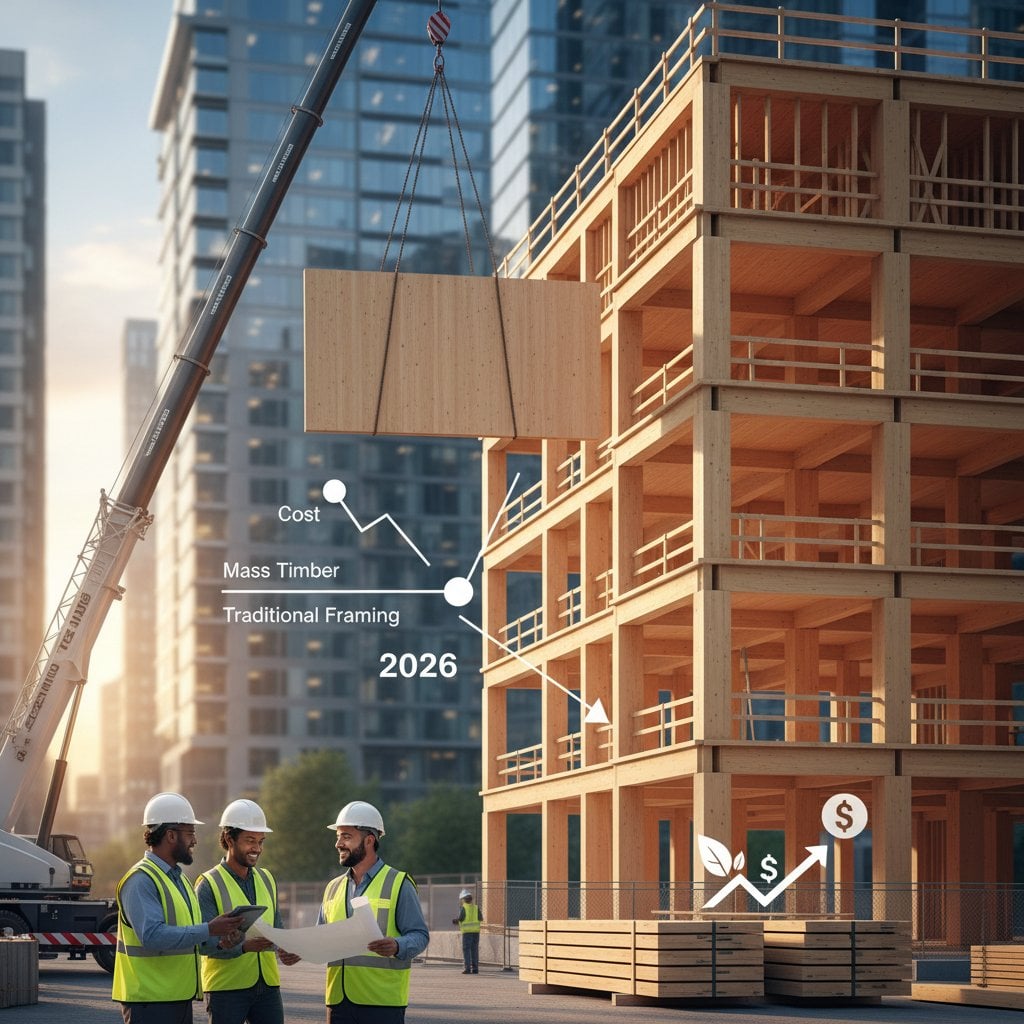
Mass timber transitions from niche innovation to widespread application within a brief period. Builders increasingly inquire whether this material will surpass traditional framing in affordability. Enhanced manufacturing processes, broader adoption, and environmental policies accelerate the economic viability of cross-laminated timber (CLT) and similar engineered wood elements.
This resource analyzes comparisons between mass timber and conventional framing methods. It identifies key cost influencers and evaluates the potential for mass timber to emerge as the economical choice soon. Builders and property owners receive guidance on design, installation, and upkeep considerations.
Understanding Mass Timber
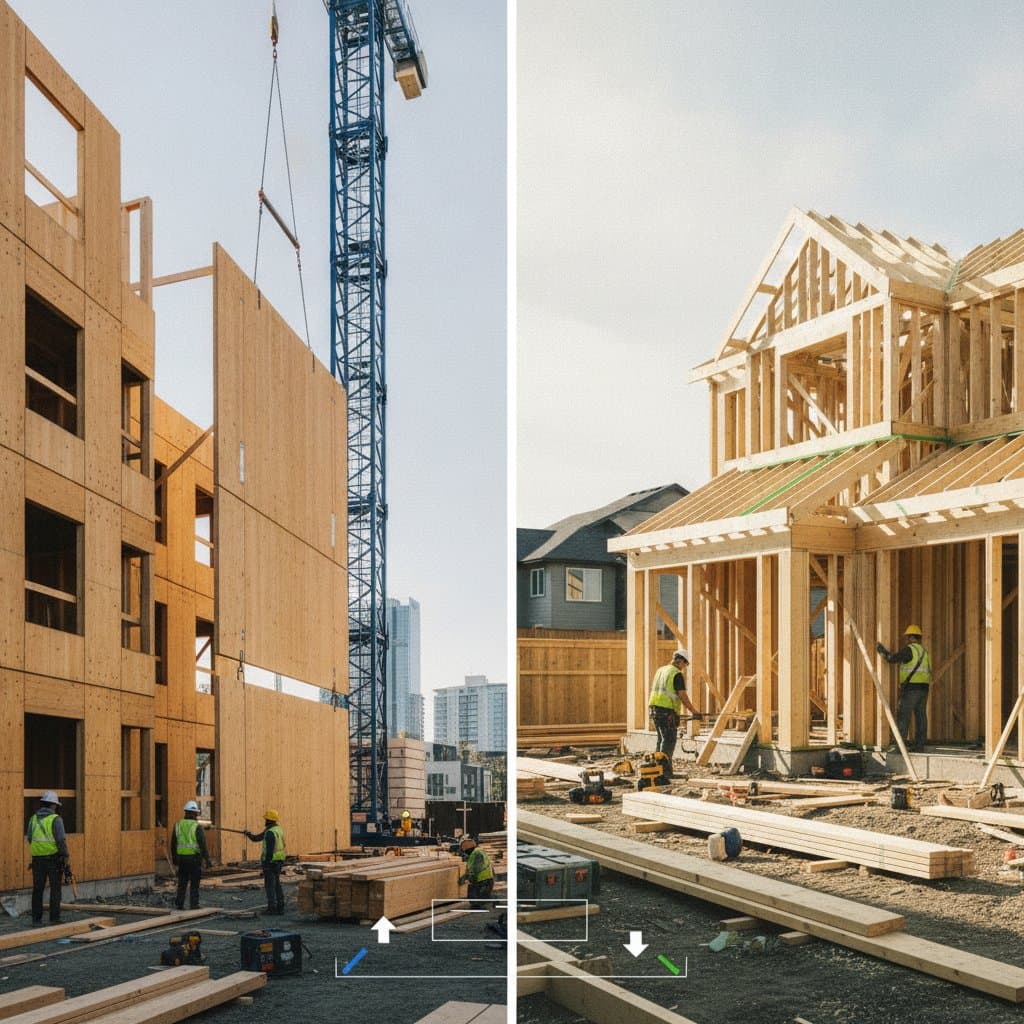
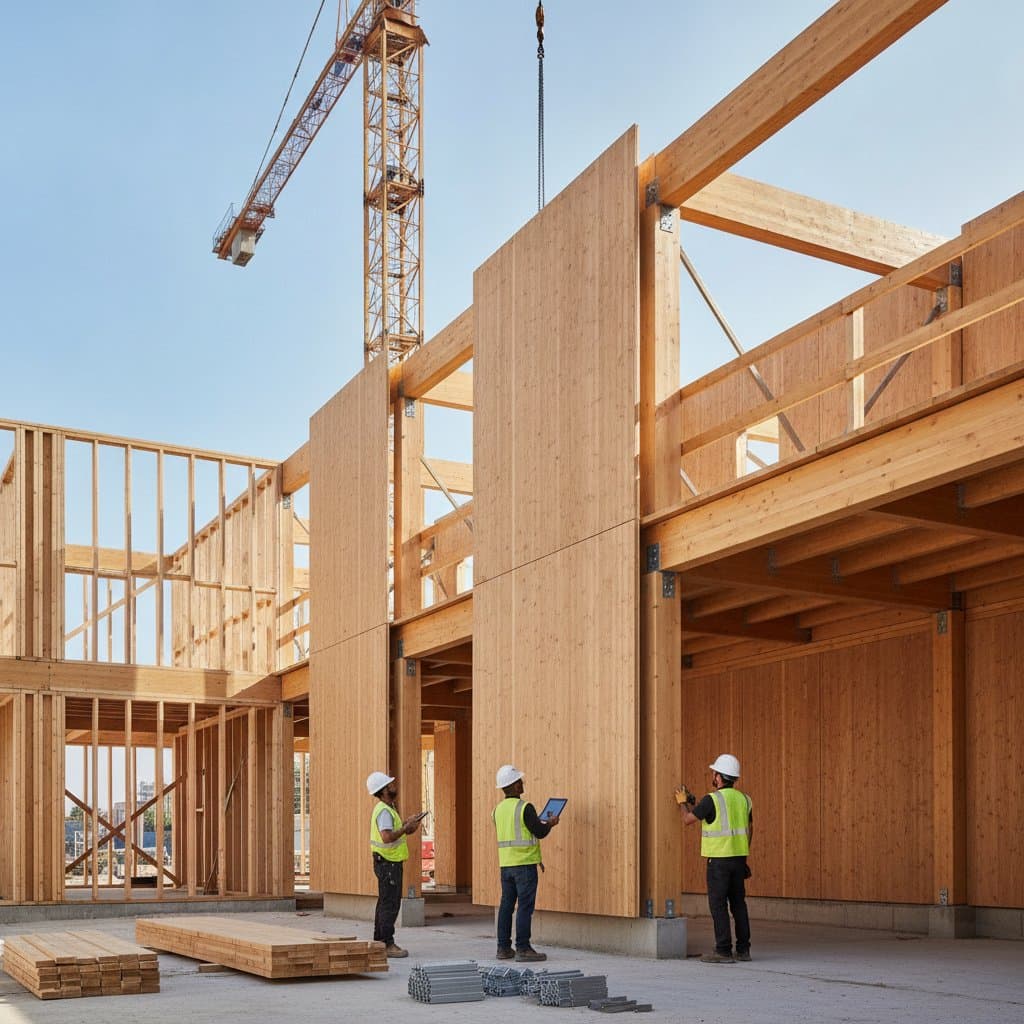
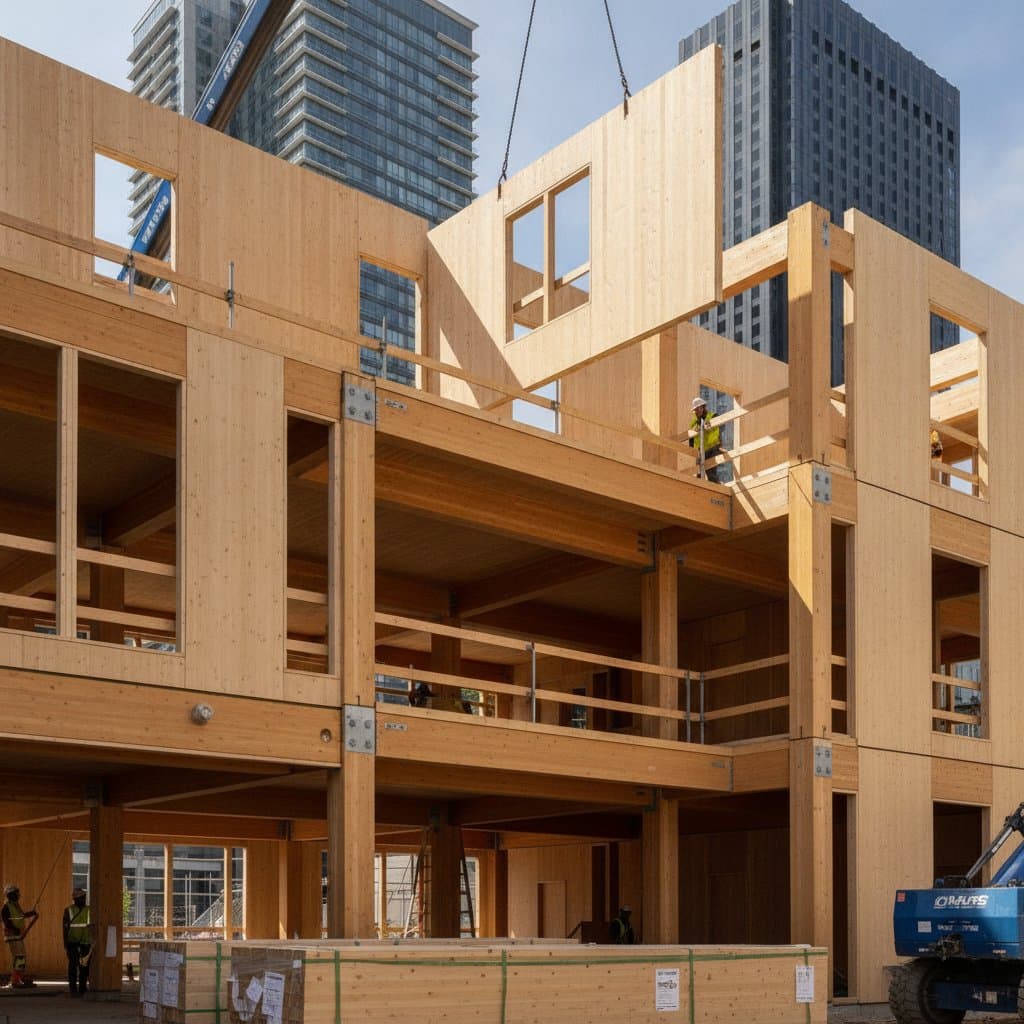
Mass timber encompasses engineered wood components in large formats, such as panels and beams formed by layering lumber. Cross-laminated timber (CLT) represents the primary variant, where boards arrange in perpendicular alternating layers and secure with adhesives under compression. Additional types include glued laminated timber beams and nail-laminated or dowel-laminated assemblies.
These elements enable wood-based structures to substitute for steel or concrete in mid-rise and commercial developments. Prefabrication occurs off-site, which shortens on-site timelines, minimizes noise, and reduces required personnel.
Key Drivers of Evolving Price Dynamics
Multiple elements contribute to the declining costs of mass timber:
-
Expanded Manufacturing Capacity
New CLT facilities in North America decrease transportation distances and lower panel pricing. Increased production volumes minimize material waste and enhance operational efficiency. -
Technological Advancements in Materials
Improvements in bonding agents, automated machinery, and lumber processing reduce expenses per unit of measure. -
Evolving Building Regulations
Expanded approvals for mass timber in high-rise applications stimulate investments that further decrease per-unit expenses. -
Addressing Labor Constraints
Prefabricated components demand fewer on-site framing specialists, providing savings in regions with limited or costly skilled labor. -
Sustainability and Carbon Rewards
Initiatives from public and private sectors offer financial benefits for low-emission materials, including credits, funding, or tax reductions that indirectly lower net costs.
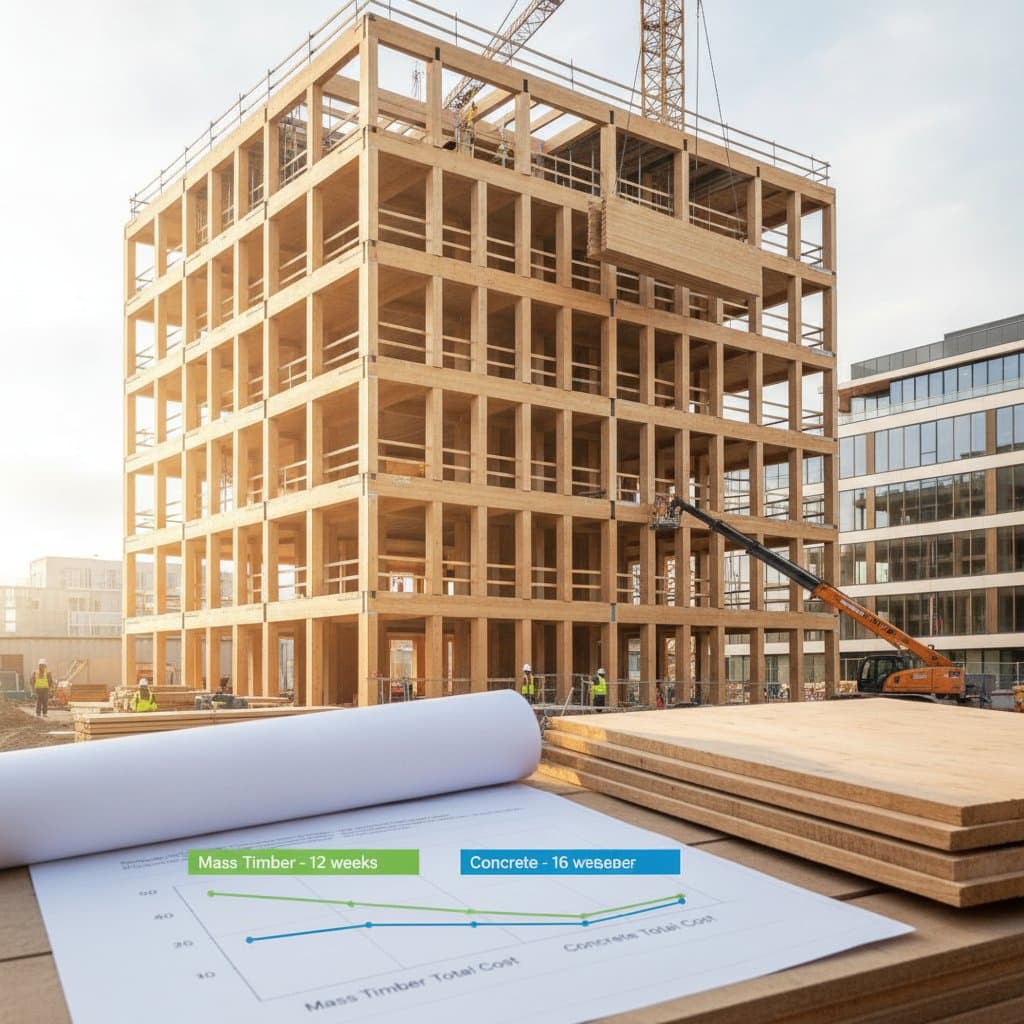
Sustained progress in these areas suggests mass timber may align with stick framing expenses in the coming years.
Benefits in Design and Aesthetics
Mass timber provides visual and performance attributes that attract architects and building users beyond mere economics.
- Inviting Natural Texture – Exposed wood grain and color foster serene, nature-inspired interiors that enhance well-being and efficiency among occupants.
- Simplified Surface Treatments – Exposed wood eliminates extensive finishing requirements, thereby reducing associated expenditures.
- Decreased Structural Mass – Lighter than equivalents in concrete or steel, timber lessens demands on foundations and seismic safeguards.
- Accurate Assembly – Computer numerical control (CNC) production delivers precise dimensions, optimizing energy efficiency and load-bearing capacity.
Experience with integrated systems blending timber, concrete, and steel expands creative possibilities, allowing optimal material use in specific contexts.
Considerations for DIY and Professional Builds
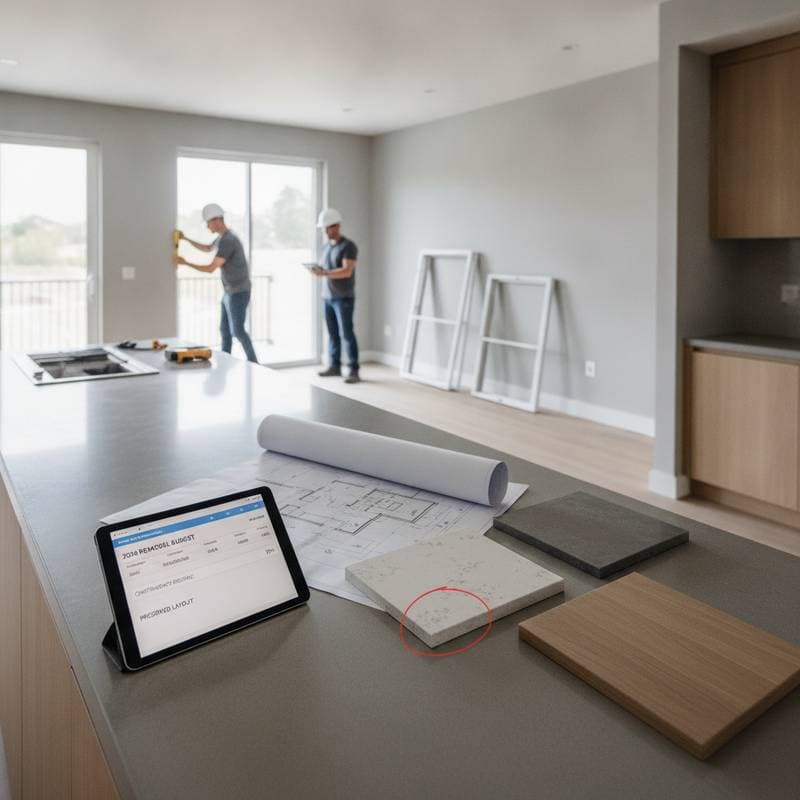
Experienced individuals may construct modest timber features, such as storage sheds or outdoor shelters. However, substantial CLT projects necessitate expert involvement. Individual panels often exceed several hundred pounds and demand heavy machinery for positioning.
Suitable for DIY Efforts
- Compact accessory buildings
- Basic extensions or parking enclosures with prefabricated sections
- Non-structural interior partitions or overhead elements using slender CLT
Requiring Professional Expertise
- Buildings surpassing two levels
- Commercial installations or those bearing significant loads
- Developments needing regulatory approvals and engineering assessments
For even modest endeavors, consulting a structural engineer confirms appropriate support mechanisms and junctions. Compliance with regional standards often mandates oversight and records for engineered wood implementations.
Criteria for Engaging Specialists
Mass timber projects call for specialized knowledge in framework engineering, fire resistance, and joint specifications. Professionals become essential in scenarios such as:
- Structures taller than two stories.
- Components beyond safe manual handling.
- Jurisdictions mandating certified technical plans.
- Integrations of diverse materials or intricate forms.
- Requirements for validated fire or sound insulation performance.
Select teams demonstrating established proficiency in CLT, including use of digital coordination like building information modeling (BIM). Request portfolios of prior timber initiatives or endorsements to verify competence in production accuracy and assembly protocols.
Effective collaboration guarantees seamless panel integration, proper securing methods, and intended operational outcomes.
Frequently Asked Questions
How long does a mass timber structure endure?
With meticulous planning and upkeep, these buildings match the durability of steel or concrete counterparts. Designs typically target operational periods beyond 50 years.
What maintenance does mass timber demand?
Regular checks for dampness and seam conditions prove advisable. In moist environments, interior coatings may require renewal periodically.
How does mass timber perform in fires?
It excels in safety. Surface charring shields the core, preserving integrity longer than untreated metal in various evaluations.
Is mass timber viable for residential single-family dwellings?
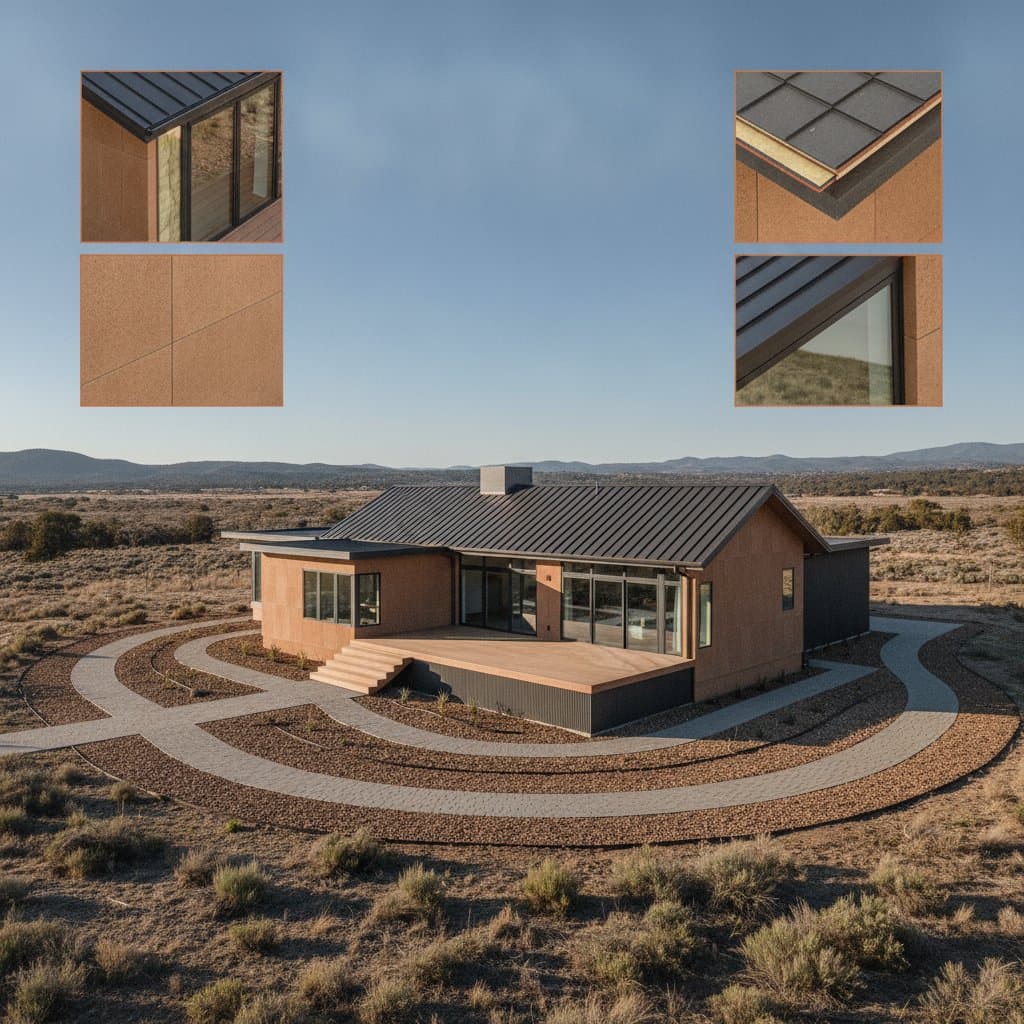
It applies effectively, although multi-family or business uses prevail. In bespoke residences, CLT substitutes traditional framing for walls, levels, and coverings to yield streamlined, contemporary aesthetics.
Do insurance premiums rise for mass timber constructions?
Providers determine rates individually. Accumulating performance data leads to increasingly favorable comparisons with standard building methods.
Embracing Mass Timber in Future Projects
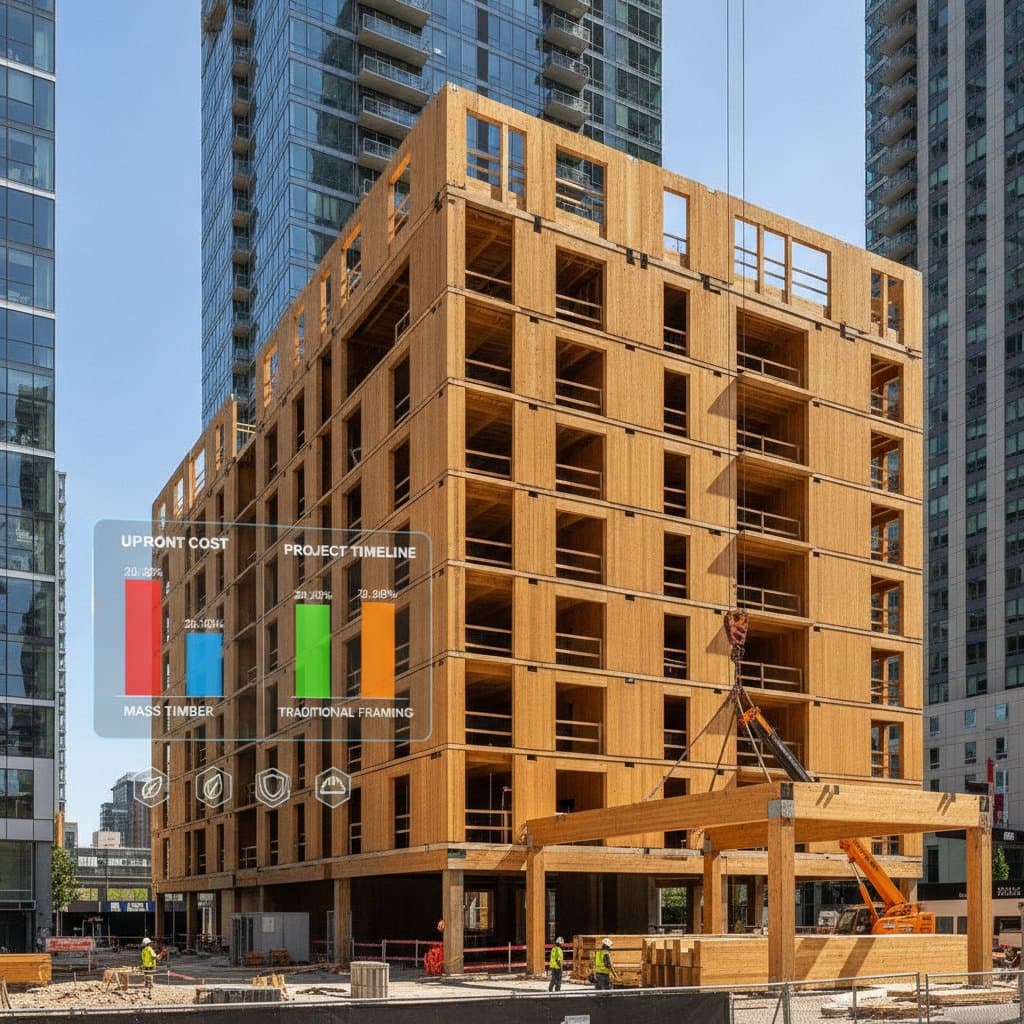
Mass timber establishes credentials in strength and ecological impact. Affordability remains the key challenge, yet indicators suggest imminent resolution. Greater output, uniform engineering approaches, and rising interest progressively close the financial disparity with conventional methods.
Developers, designers, and residents planning ahead should assess mass timber's role. Initial implementations build expertise and market advantages emphasizing rapid execution and green practices.
Partnering with capable experts and investigating combined material strategies unlocks timber's advantages without exceeding financial limits. As parity approaches, this evolution transforms construction toward resilient, attractive, and planet-conscious outcomes.
Mass timber evolves beyond experimentation into a reliable, expandable option poised for economic competitiveness.