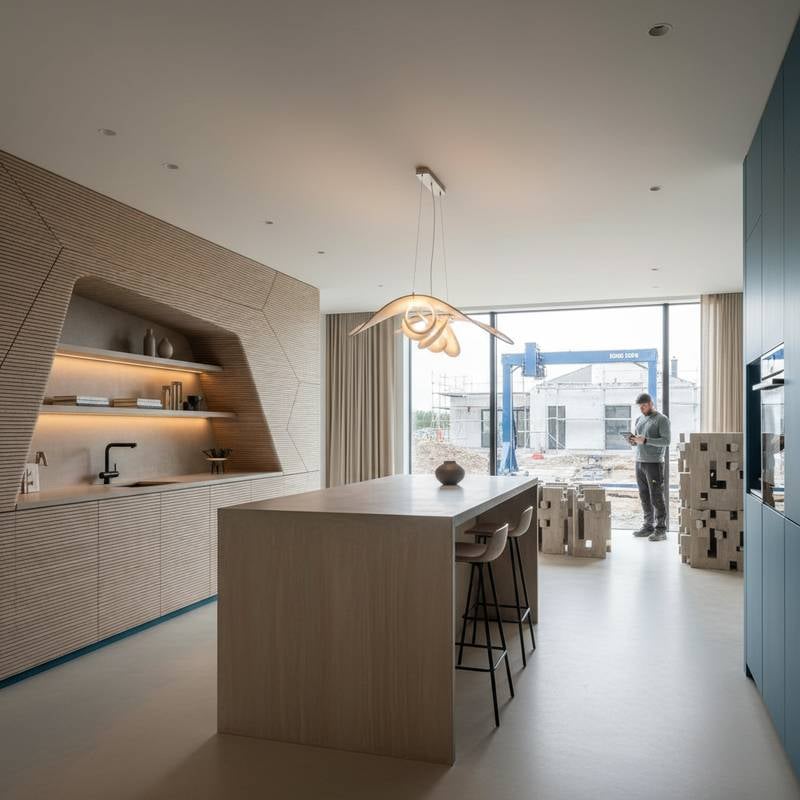
3D-Printed Home Parts Cut Waste and Build Faster
3D printing now produces durable building components for residential projects. Homeowners gain precise fits, shorter schedules, and less material waste. The following sections detail part types, costs, and decision points for successful use.
Quick Overview
- Identify printable components suitable for your project scope.
- Compare material and labor costs against conventional methods.
- Select applications that deliver the strongest return.
- Determine when professional services are required.
- Apply cost-control steps during planning and execution.
Printable Home Components
Printers create parts from concrete, resin, or thermoplastics based on digital models. The process yields accurate dimensions and minimal scrap. Typical items include wall panels, decorative facades, plumbing connectors, custom cabinetry, roof vents, and foundation molds. Each option provides distinct benefits in strength, insulation value, or visual detail.
Cost Comparison
Material Expenses
Concrete mixes range from 5 to 10 dollars per square foot. Plastic composites cost 3 to 7 dollars per square foot. Resin blends for detailed work run 8 to 12 dollars per square foot.
Setup and Production
Design modeling and printer calibration add 500 to 1,500 dollars. Hourly printing rates fall between 40 and 120 dollars. Post-processing steps such as sanding or sealing add 2 to 5 dollars per square foot.
Project Totals
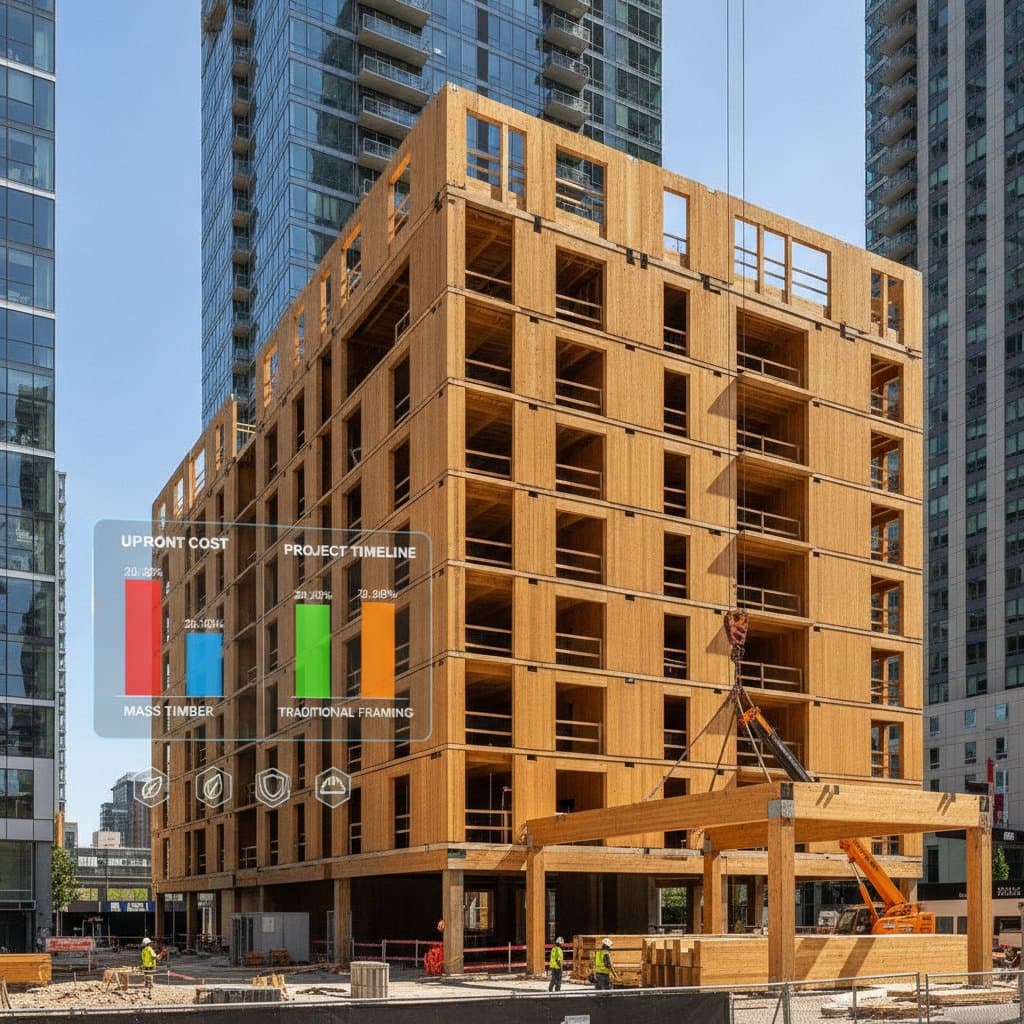
Small decorative elements typically total 1,000 to 3,000 dollars. Structural sections such as walls or roof assemblies range from 10,000 to 30,000 dollars. Overall savings reach 20 to 30 percent when waste reduction and schedule compression are factored in.
Primary Advantages
Digital modeling allows exact curves, integrated conduits, and custom textures without extra cutting. Continuous printing shortens build time and lowers labor hours. Material use drops because only required layers are deposited. Properly formulated mixes produce dense walls that meet structural standards and resist moisture.
Recommended Residential Applications
- Form continuous structural walls and level foundations in stable soil conditions.
- Produce architectural trim, columns, or patterned screens that match existing details.
- Create weather-resistant garden walls, planters, or seating areas.
- Fabricate interior fixtures such as vent covers or cabinet inserts for remodels with nonstandard dimensions.
Professional versus Owner Execution
Desktop printers handle small trim pieces or light covers when files are pre-made and total cost stays under 500 dollars. Structural elements require certified operators, material testing, and code compliance checks. Professionals also manage permit submissions and verify load ratings.
Code Compliance Steps
Submit digital models and material specifications for local review before production. Electrical and plumbing housings must still satisfy standard installation rules. Regions that accept printed concrete still require inspection at key stages.
Cost-Control Practices
Combine printed sections with conventional framing on flat surfaces. Reuse verified models on later projects to avoid repeated design fees. Specify materials with documented weather and fire ratings. Design smooth finishes directly into the print to limit sanding. Source regional aggregates when the printer supports them.
Situations Requiring Contractor Support
Engage specialists for load-bearing members, certified material needs, or runs that carry wiring and piping. Request project examples and confirm that mixes meet regional standards. Retain backup design files for future repairs or insurance records.
Performance in Varied Conditions
Correct mixes and sealants allow printed concrete to perform in temperature extremes. Service life matches that of poured concrete when maintenance is regular. Savings appear most clearly on complex shapes where traditional forming costs rise quickly.
Project Planning Recommendations
Start with a site assessment that identifies curved or detailed areas best suited to printing. Obtain material test data early and align the schedule with printer availability. These steps help homeowners capture time and cost benefits while maintaining code compliance.