Why Mass Timber Will Revolutionize Home Building in 2026
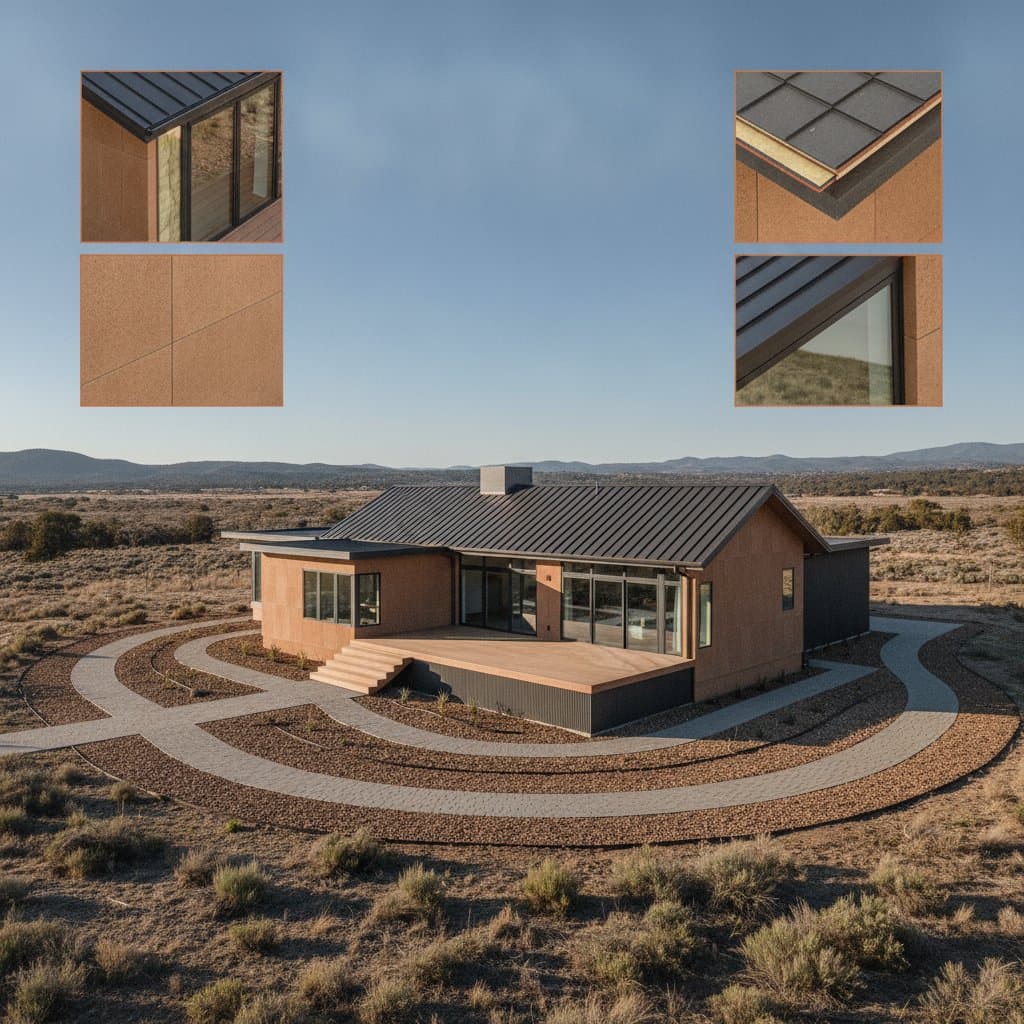
Mass timber construction alters the approach to designing, building, and inhabiting homes. Previously limited to large commercial structures, this engineered wood now enters residential applications. Builders, homeowners, and investors recognize its advantages in speed, strength, and sustainability, which match or surpass those of conventional materials. With advancing technology and stabilizing costs, mass timber emerges as a dominant element in home construction.
Key Insights
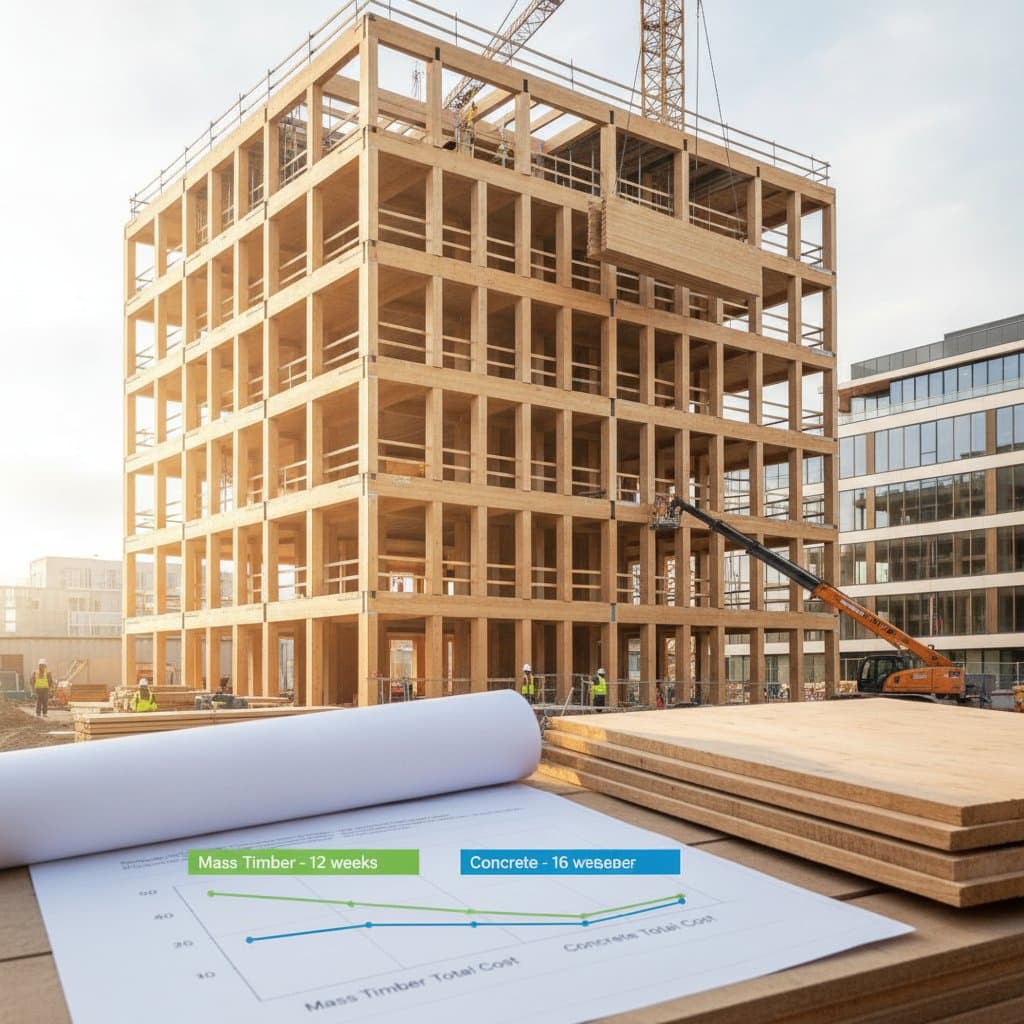
- Mass timber homes reduce construction time by up to 50 percent compared to traditional framing.
- Cross-laminated timber panels deliver superior structural integrity, thermal efficiency, and fire resistance.
- Prefabrication minimizes on-site labor, weather disruptions, and material waste.
- Sustainability stands out, as mass timber sequesters carbon instead of releasing it.
- Insurance providers and building codes adapt rapidly, simplifying permits in expanding regions.
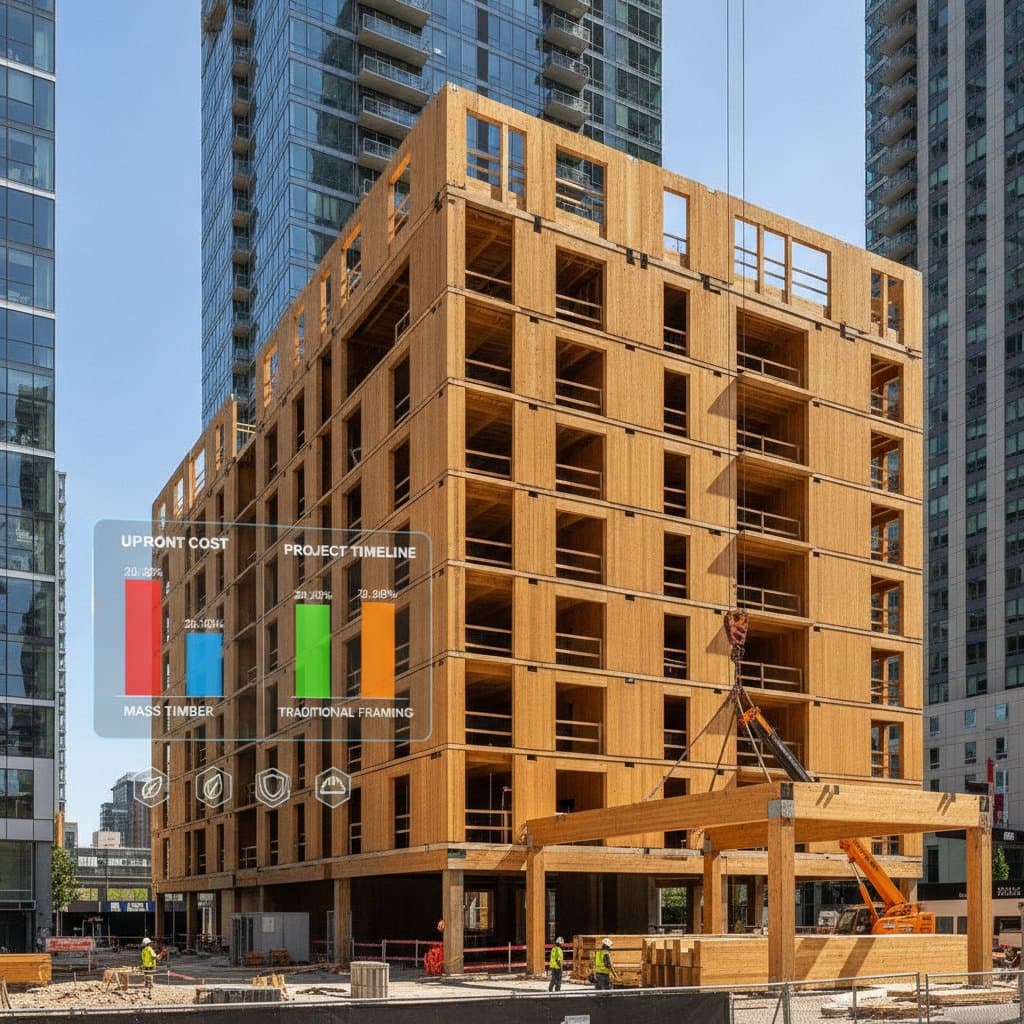
- Long-term energy efficiencies offset initial construction expenses.
Understanding Mass Timber in Home Construction
Mass timber encompasses engineered wood products like cross-laminated timber (CLT), nail-laminated timber (NLT), and glued-laminated timber (glulam). These form through layering and pressure-bonding wood boards into robust panels and beams. The outcome rivals steel and concrete in load-bearing capacity while providing lightness and renewability.
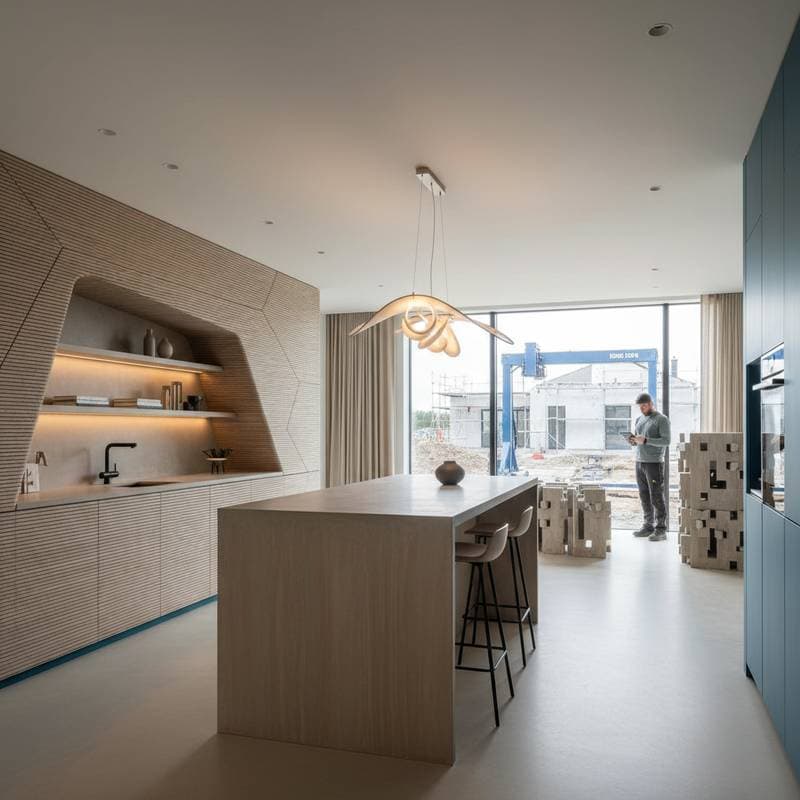
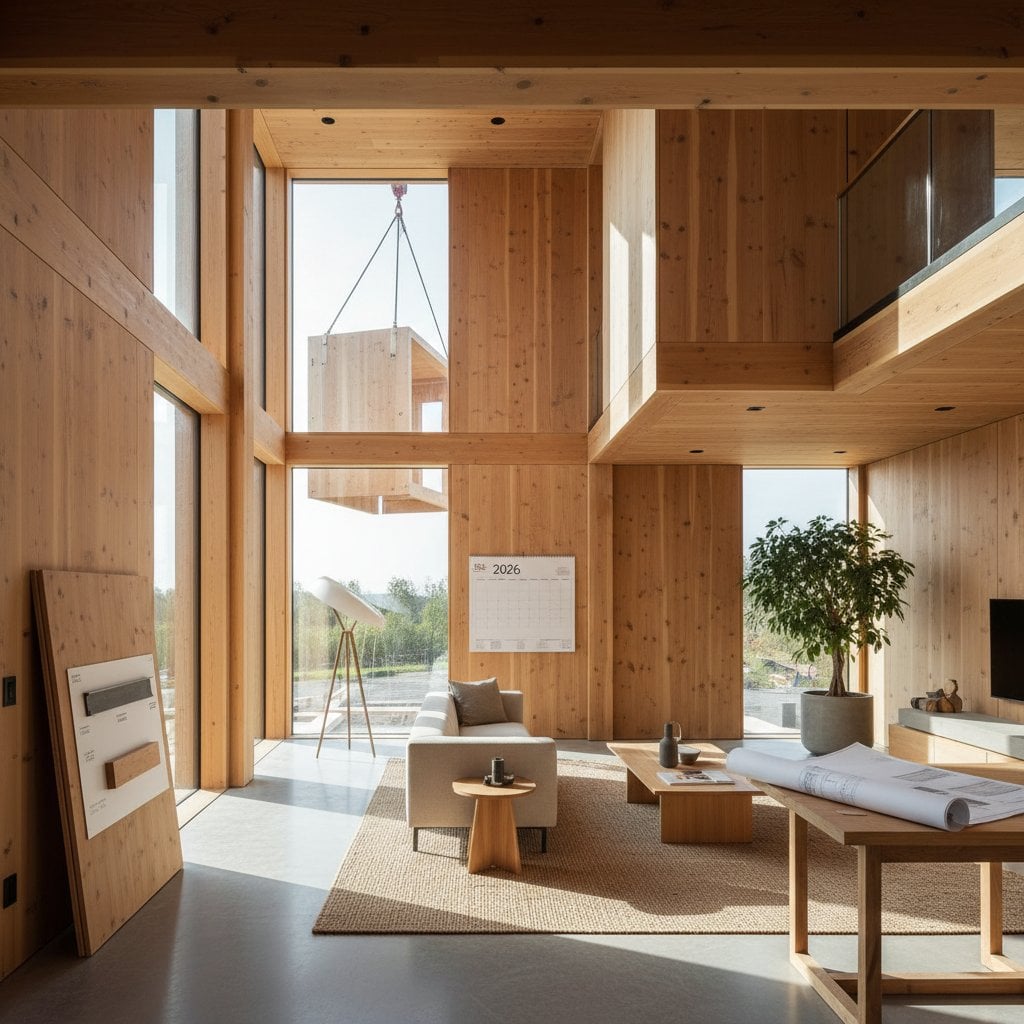
In homes, mass timber forms the primary structure for floors, walls, and roofs. It blends durability with aesthetic appeal, enabling exposed wood finishes that enhance natural warmth alongside modern lines. Homeowners drawn to organic materials and sleek designs find this duality particularly compelling.
Cost Breakdown by Home Size and Type
Project costs for mass timber homes vary with size, configuration, and finishes. National averages range from $250 to $400 per square foot, centering around $325. This exceeds basic wood-frame builds initially, yet accelerates timelines and labor savings close the gap. Primary expenses include CLT panels, glulam beams, and prefabrication processes.
- Small homes under 1,500 square feet: $250 to $300 per square foot. Prefabrication maintains affordability here.
- Mid-size homes from 1,500 to 2,500 square feet: $300 to $350 per square foot. Custom elements at this scale elevate expenses modestly.
- Large custom homes over 2,500 square feet: $350 to $400 per square foot or higher. Multi-story layouts, intricate geometries, and premium finishes drive increases.
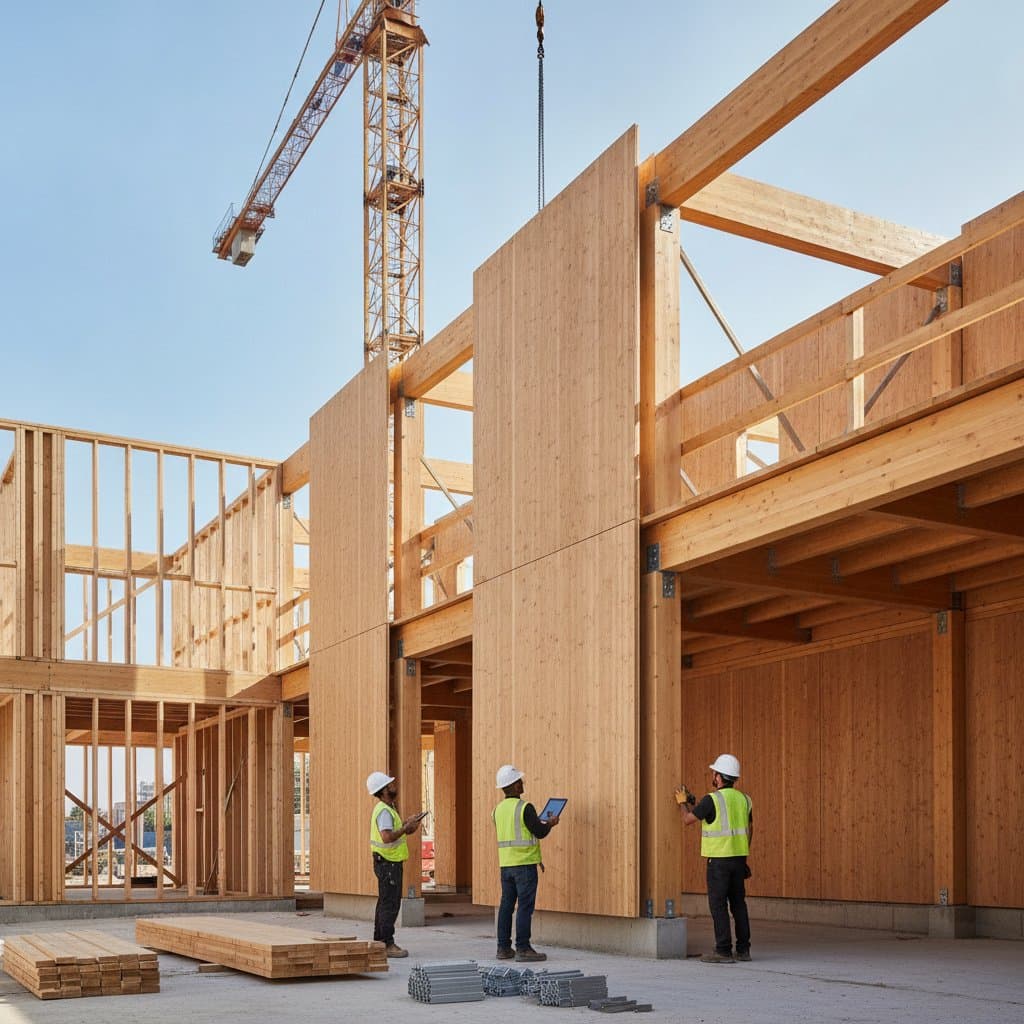
Factory prefabrication of CLT panels incorporates precise cuts for windows, doors, and utilities prior to delivery. Such preparation streamlines site operations and boosts accuracy, counterbalancing material premiums in high-labor markets.
Labor and Contractor Considerations
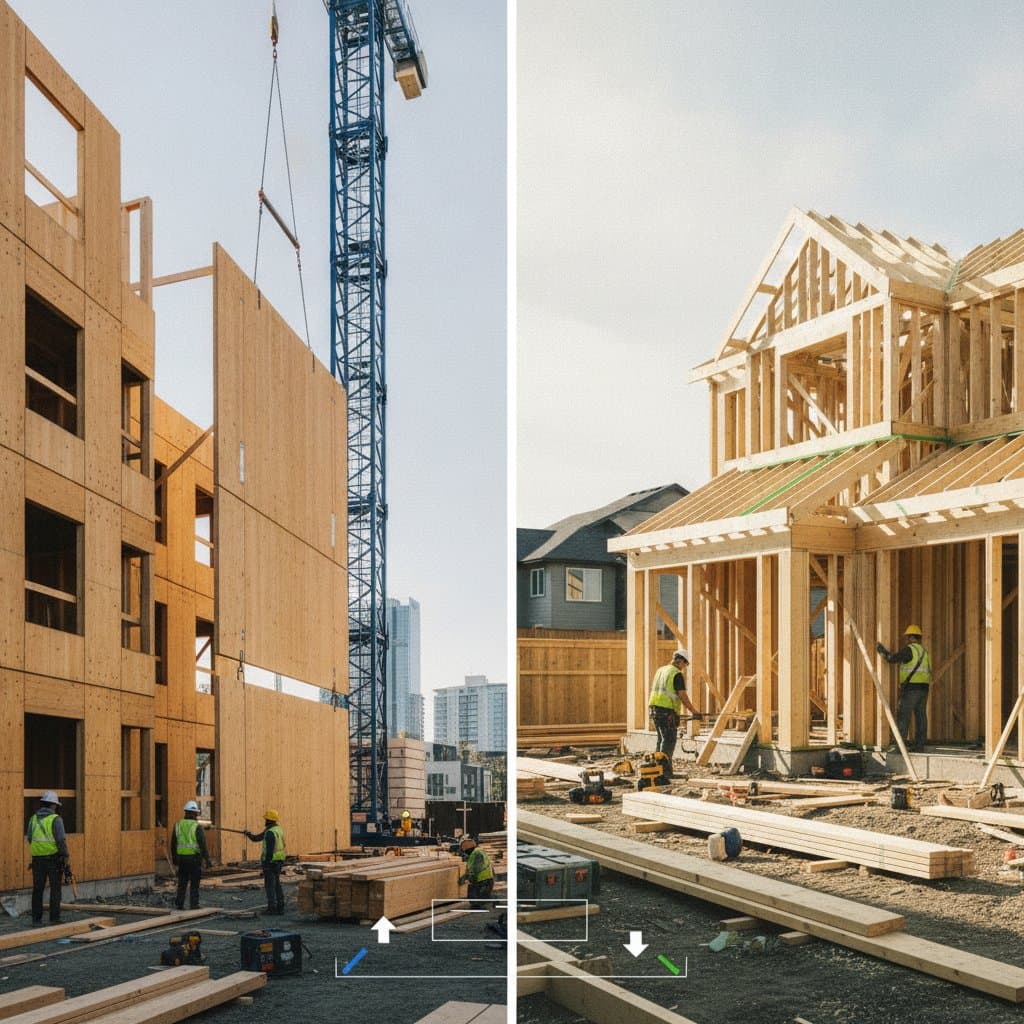
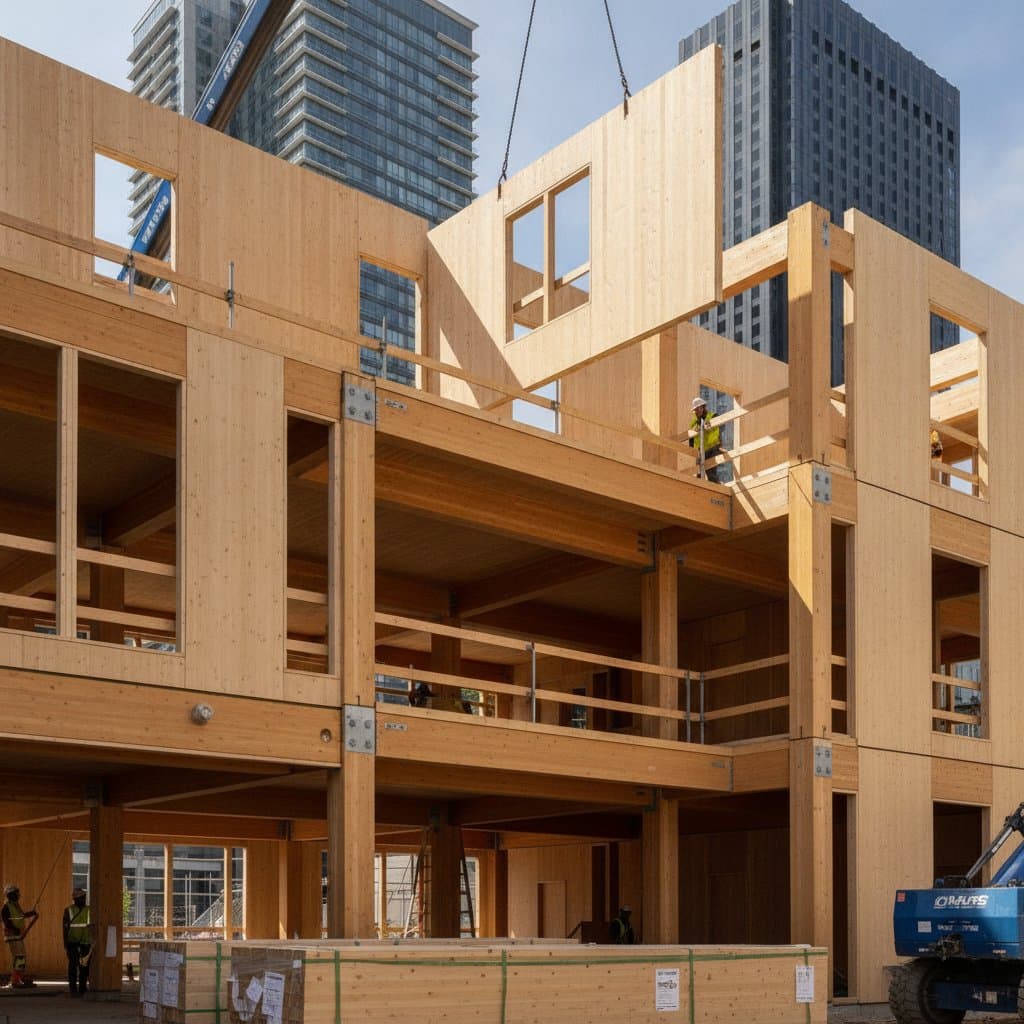
Mass timber significantly lowers labor demands. Teams erect pre-cut panels via cranes, shortening framing phases from weeks to days for equivalent sizes. A standard wood-frame project requires two to three weeks for framing; CLT versions achieve completion in mere days.
Specialized training equips crews for panel handling and connections, though efficiency follows quickly. Builders investing in such skills handle more projects annually, enhancing returns. Homeowners benefit from reduced financing periods and fewer interruptions.
Influencing Cost Factors
Materials
CLT and glulam pricing hinges on wood type, thickness, and sourcing proximity. Domestic facilities cut transport costs and bolster local sustainability. Imports inflate budgets through freight and duties.
Design Complexity
Rectilinear forms prove most economical. Features like curves, overhangs, or expansive voids demand bespoke engineering, raising fees. Mass timber-savvy architects optimize designs for cost without stifling innovation.
Permits and Codes
Many jurisdictions now permit mass timber for multi-story residences. Variations persist locally, potentially requiring extra fire assessments or documentation. Seasoned builders expedite these processes.
Finishing and Detailing
Exposed CLT economizes on drywall and coatings, yet demands forethought for utilities and insulation. Concealed systems or supplementary layers add expense, justified by stylistic or climatic needs.
Strategies to Reduce Mass Timber Costs
- Opt for modular or panelized systems to curb waste and accelerate erection.
- Partner with regional suppliers to eliminate transport premiums.
- Maintain simple geometries to avoid bespoke engineering.
- Integrate complementary materials, pairing concrete bases with timber superstructures.
- Integrate mechanicals during planning for seamless CLT compatibility.
Prefabrication yields the most enduring economies. Controlled factory environments minimize defects and excess, facilitating swift, error-free assembly.
DIY Options Versus Professional Builds
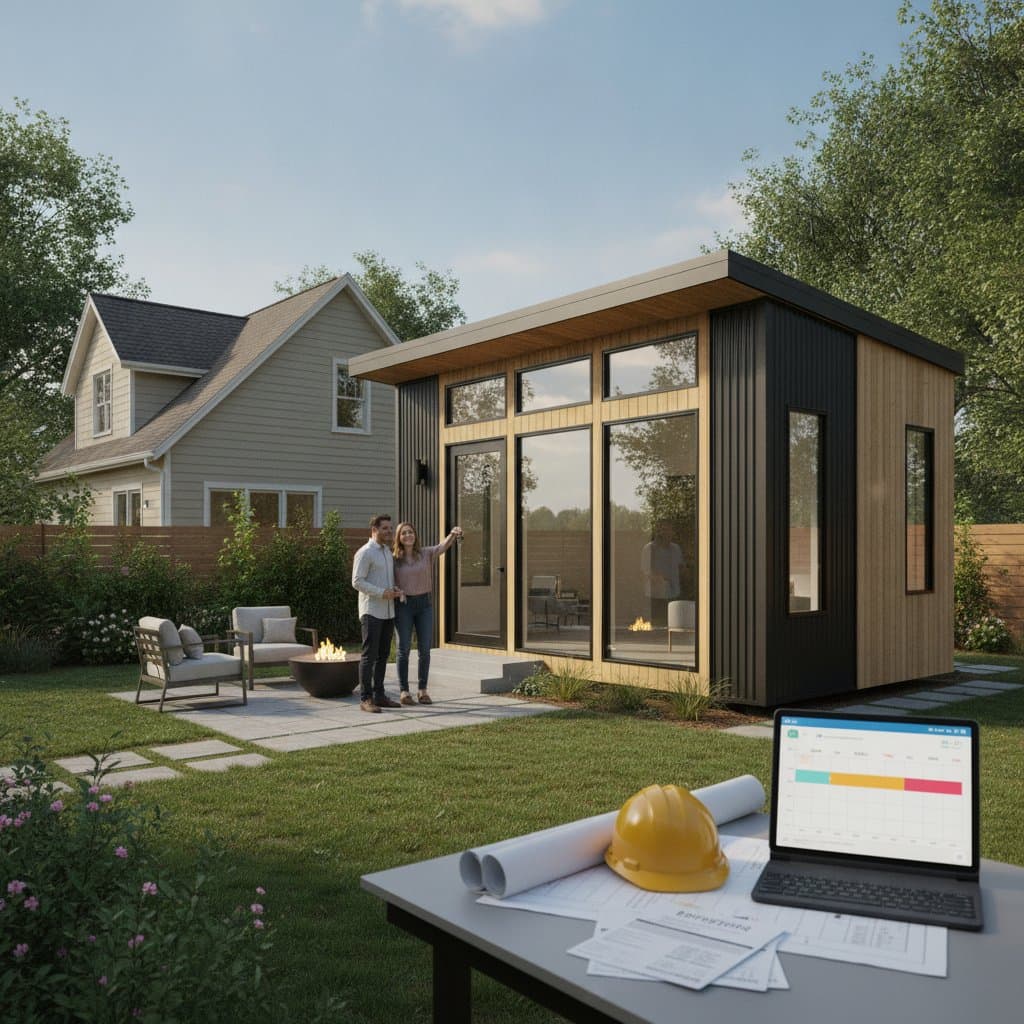
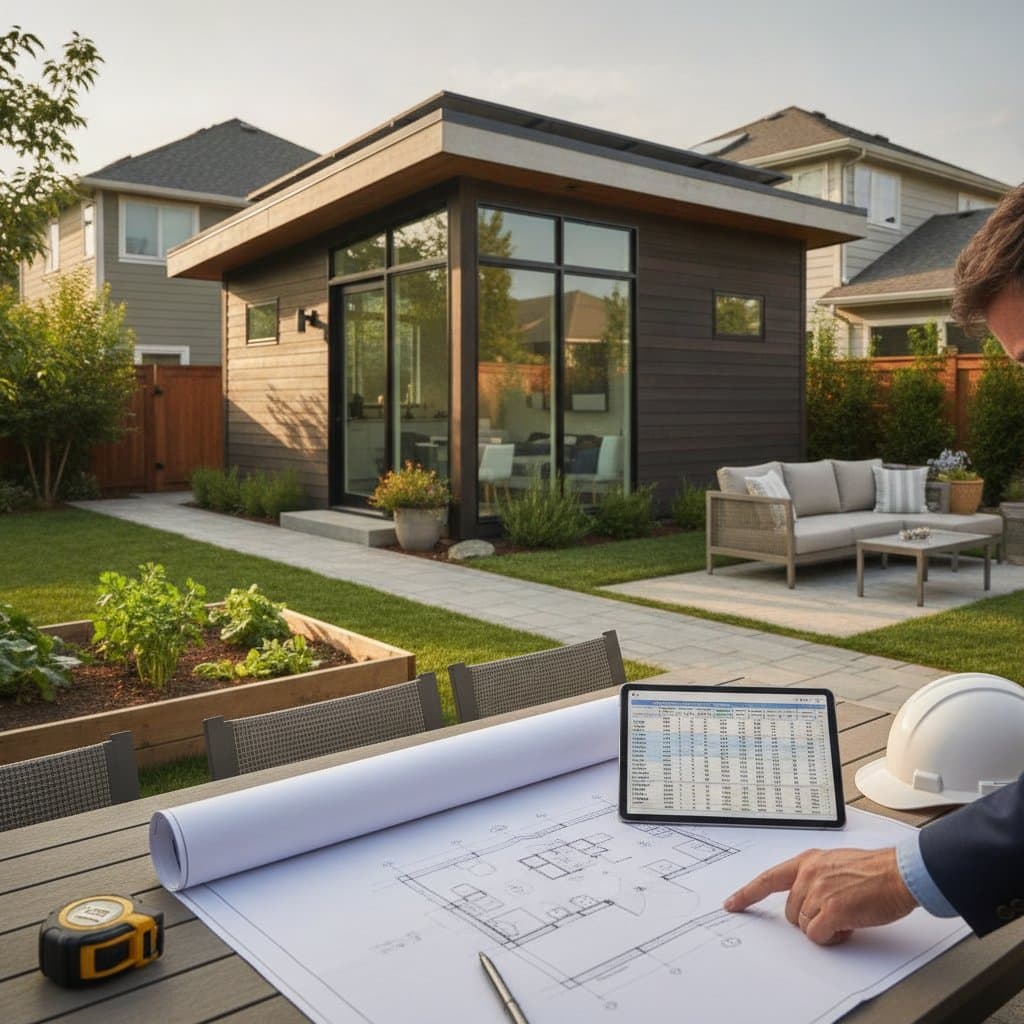
Mass timber suits limited DIY efforts, such as accessory structures, where pre-cut panels arrive assembly-ready. Full homes demand cranes and expertise beyond typical homeowner capabilities.
Professionals ensure safety and compliance in larger projects, managing connections, sealing, and load paths. Coordination with engineers and officials falls to them, securing warranties. Though adding to outlays, this approach delivers reliability and tranquility.
DIY may trim labor by 10 to 20 percent, but errors prove costly. Licensed contractors offer superior long-term worth for most.
Investment Returns
Mass timber residences retain robust market values, attracting buyers for their eco-profile, efficiency, and uniqueness. Energy reductions and upkeep savings recoup premiums in a few years.
Wood elements mature attractively, minimizing refreshes. Paired with insulation and systems, these homes sustain low operational costs over generations.
Cost Estimation Basis
Ranges derive from builder, supplier, and owner reports on similar builds. Inclusions cover materials, labor, design, and basic finishes. Exclusions encompass land and site work; regional, feature, and terrain variances apply.
Data pertains to single-family CLT or glulam homes.
Environmental and Performance Advantages
Mass timber advances eco-objectives by sequestering carbon lifelong, unlike emissions-heavy concrete and steel. Sustainable sourcing renders it renewable and reusable.
Fire performance excels; charring shields interiors, curbing spread to meet or surpass codes.
Acoustic isolation improves with apt assemblies, while thermal properties stabilize comfort and trim utility bills.
Innovations in Technology and Design
3D modeling refines mass timber workflows, directing CNC cuts to exact tolerances. This precision curtails errors and guarantees fit.
Integration with efficient facades and modular utilities crafts low-maintenance, rapid-build homes.
Overcoming Hurdles and Looking Ahead
Supply constraints and training gaps pose initial barriers, yet expanding facilities and programs address them. Costs will decline as adoption scales.
Easing insurance and approvals, backed by performance data, diminishes risks for builders and owners.
Preserving Mass Timber Homes
Maintenance mirrors other wood builds: Seal exteriors against dampness, inspect roof elements routinely. Interiors seal or finish per intent.
Shielding from sustained wet conditions ensures longevity comparable to steel or concrete, with added warmth.
Common Questions
How much does a mass timber home cost? Projects typically span $250 to $400 per square foot, averaging $325.
Is mass timber fire-safe? Affirmative; charring insulates the core, moderating burn progression.
Can individuals construct a mass timber home? Minor builds suit DIY with preparation, but complete residences necessitate pros and gear.
What is the durability of a mass timber home? Maintained properly, it endures like concrete or steel equivalents.
Does mass timber enhance property worth? Indeed; eco-attributes, efficiency, and aesthetics drive premium resales.
Are mass timber homes eco-friendly? Yes; carbon storage, renewability, and low-impact building affirm this.
Mass timber fuses resilience, accuracy, and eco-responsibility. Expanding production and expertise position it as a standard for efficient, lasting, green homes. Grasping costs, merits, and methods empowers informed choices in this evolving field.